
Nancy O. Ugwu

Social Work at the Frontline of African Health Care

NYCAR Research Edition

Community Protection, Integrated Services, and Case-Based System Strengthening

Research Publication by Nancy O. Ugwu

Social Work and Health Care Services in Africa

NYCAR Research Publication | June 2026

Publication No.: NYCAR-TTR-2026-RP060

DOI: https://doi.org/10.5281/zenodo.20631815

Peer Review and Publication Status:

This research publication has passed NYCAR’s internal peer review for the June 2026 Research Edition. The review examined the strength of the central problem, the coherence of the chapter structure, the professional handling of social work within African health systems, the quality of the case analysis, the use of current public evidence, APA 7th citation discipline, figure presentation, and the practical value of the recommendations for health and social care administration.

The reviewer found the work suitable for public release because it treats social work as a serious health-system function rather than as a charitable afterthought. The publication shows master’s-level judgment, keeps the country cases distinct, connects evidence to practice, and offers a service model that can inform professional discussion, institutional planning, and policy-facing research. NYCAR approves this work as a publication-ready academic and professional research output.

Copyright © June 2026 Nancy O. Ugwu. All rights reserved. New York Center for Advanced Research (NYCAR).

Table of Contents


Abstract

Illness in African health systems often becomes most dangerous after the patient has already been seen. The consultation may be competent, the medicine appropriate, and the advice clear, yet the patient returns to conditions that make the plan almost impossible to follow. Transport money may be absent. Food may be uncertain. A woman may be unsafe at home. A child may depend on a caregiver already stretched beyond capacity. A person living with HIV, tuberculosis, diabetes, disability, depression, or chronic pain may understand the treatment plan but lack privacy, income, family support, or a reliable route back to care. The weakness, in such cases, is not simply medical. It is the failure of the service to stay connected to the life into which care is released.

Nancy O. Ugwu’s research publication places social work at that point of failure and possibility. It argues for social work as a health-system function with defined responsibility for social-risk assessment, safeguarding, referral follow-up, welfare linkage, family support, case recording, and continuity after the clinic visit.

The study uses Rwanda, Ghana, Kenya, and South Africa as focused country cases. Rwanda is read through community follow-up and the burden placed on local health workers. Ghana brings forward the limits of health financing when household costs, documents, distance, and informal barriers still decide access. Kenya raises the administrative question of how community health promoters, county systems, and digital reporting can improve care without turning frontline workers into unsupported carriers of system failure. South Africa shows the heavier intersection of HIV, TB, mental health, stigma, poverty, violence, and rights protection, where clinical treatment and social protection cannot be separated in the patient’s actual journey.

The publication advances a practical service model for African health care. Its standard is simple: once a health worker has seen that poverty, stigma, violence, disability, neglect, household instability, or welfare exclusion is threatening care, that knowledge must not die in conversation. It must enter a responsible pathway, with consent, confidentiality, a named worker, a referral destination, supervision, and follow-up. Social work strengthens health care when it prevents vulnerable patients from becoming their own case managers at the exact moment when illness has made them least able to carry that burden.

Keywords: Social work; health care services; Africa; community health; social protection; case management; primary health care; Rwanda; Ghana; Kenya; South Africa; referral completion; health administration.


Chapter 1: Social Work, Health Care, and the Household Reality of Illness in Africa

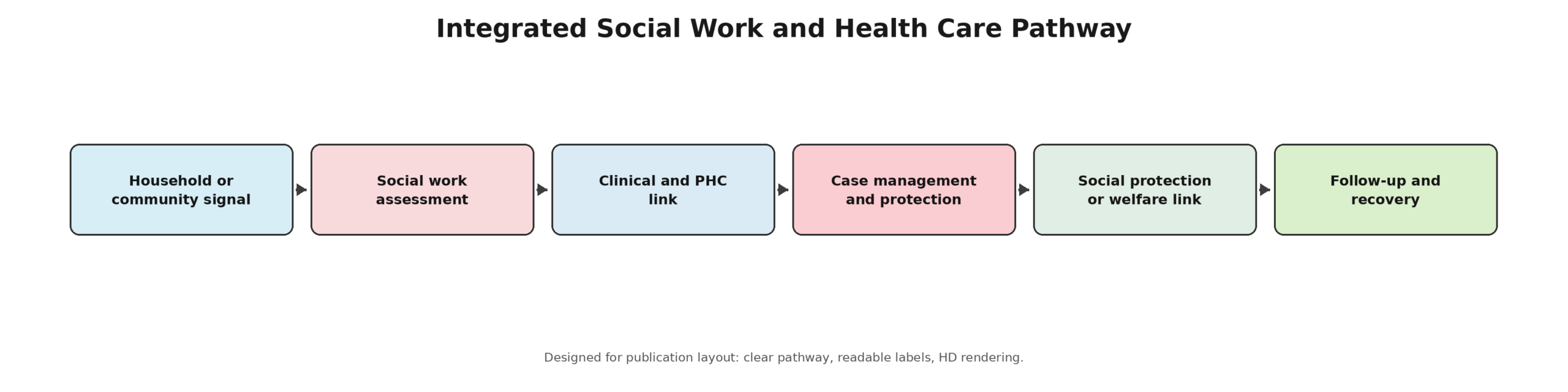
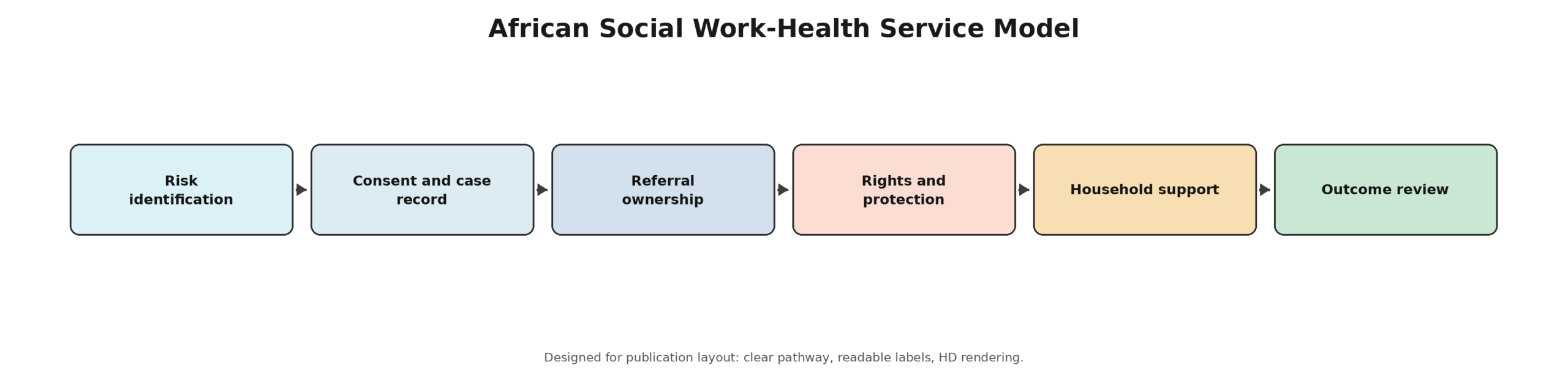
Figure 1. Integrated social work and health care pathway. Source: Author synthesis from WHO AFRO, UNICEF, World Bank, and case-study literature. Copyright © June 2026 NYCAR and Nancy O. Ugwu. All rights reserved.

Across Africa, the clinic visit is only one part of the story of care. A woman may reach an antenatal clinic after borrowing transport money, hiding a pregnancy from a violent partner, or leaving farm work during a season when each day of labor matters. A child with repeated infection may be treated correctly and sent home to unsafe water, little food, or a caregiver too exhausted to complete follow-up. A man on long-term treatment for HIV, diabetes, tuberculosis, or hypertension may know the instructions but lack privacy, stable income, transport, or family support. In each case the medical plan is shaped by social conditions that are visible to workers but often absent from formal records. Health administration that ignores those conditions is unlikely to protect patients well. Facility managers can count consultations, medicines, beds, clinic registers, and attendance, yet the more difficult question is whether the patient can act on what the service gives. When the barriers sit outside the consultation room, a narrow clinical file leaves the system partly blind. Social work helps close that blindness. It gives health services a disciplined way to assess household risk, protect rights, identify harm, arrange support, and check whether a referral reached its destination.

In this field, social work is part of health-system capacity, not sympathy at the edge of medicine. Social workers, welfare officers, community case managers, trained community health personnel, and patient-support teams can help health services remain connected to the lived conditions that decide whether care continues. That contribution is strongest where the patient faces several risks at once: poverty and pregnancy, disability and transport barriers, HIV and stigma, mental distress and unemployment, violence and child health, chronic illness and caregiving strain.

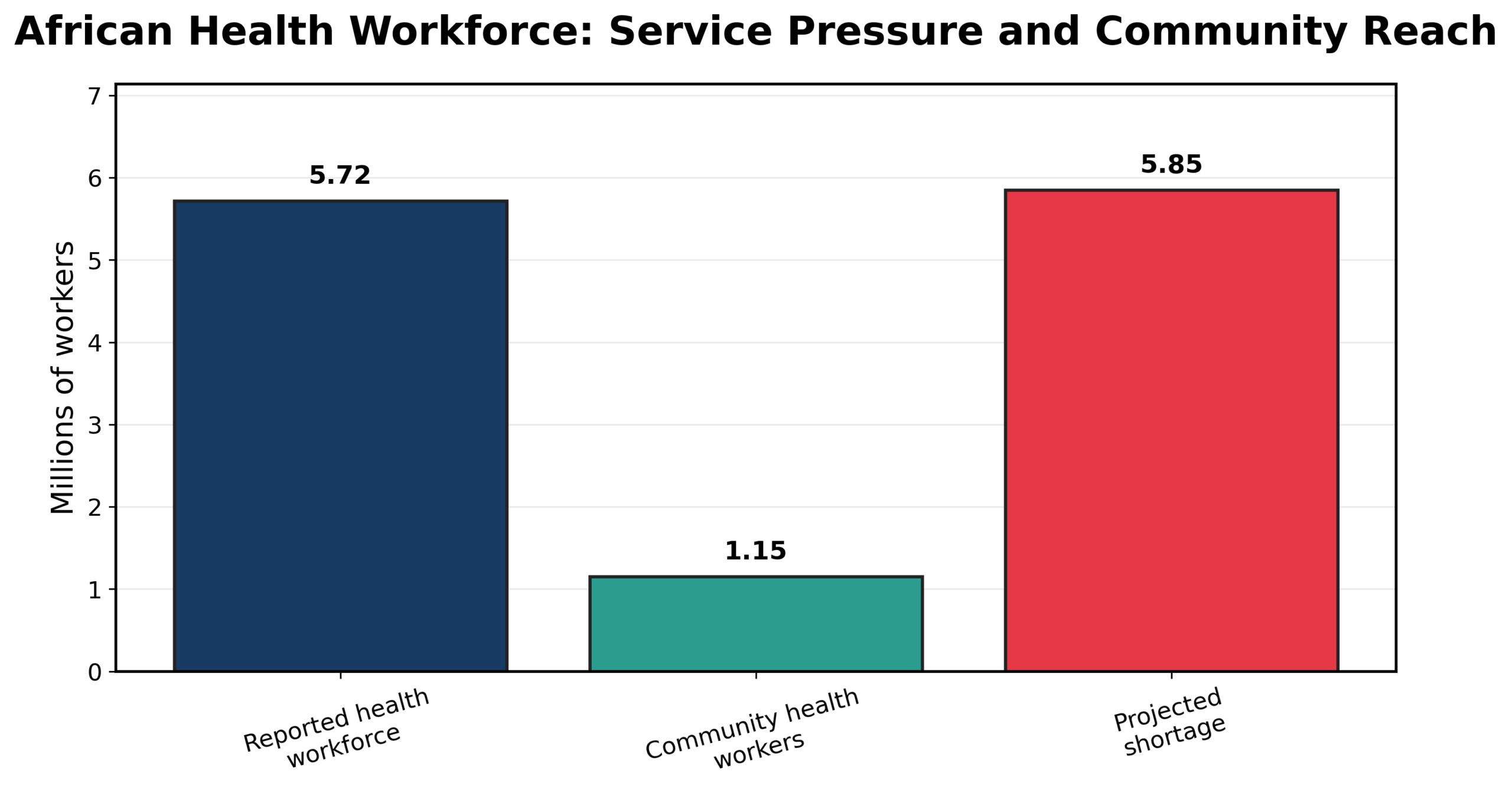
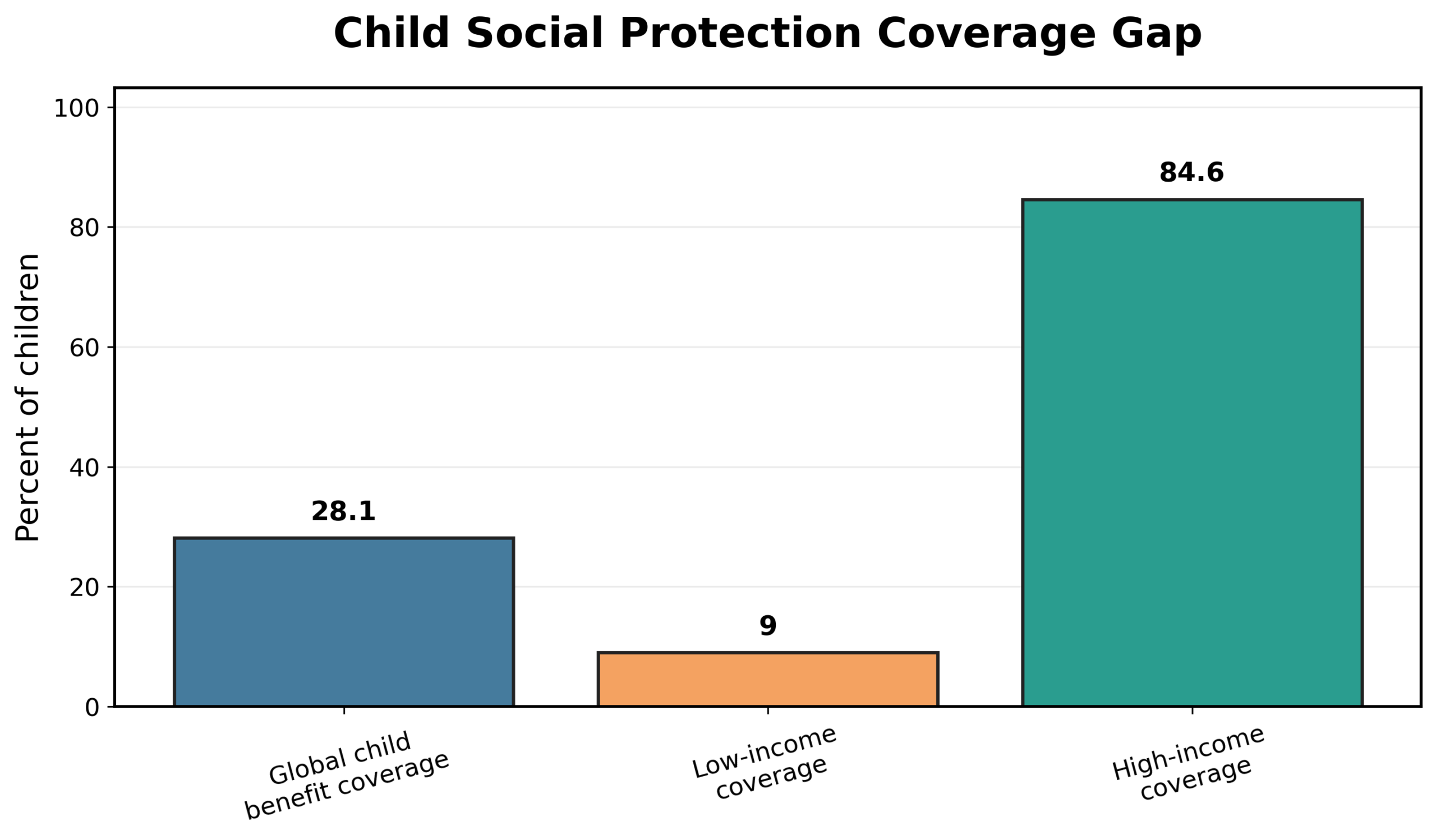
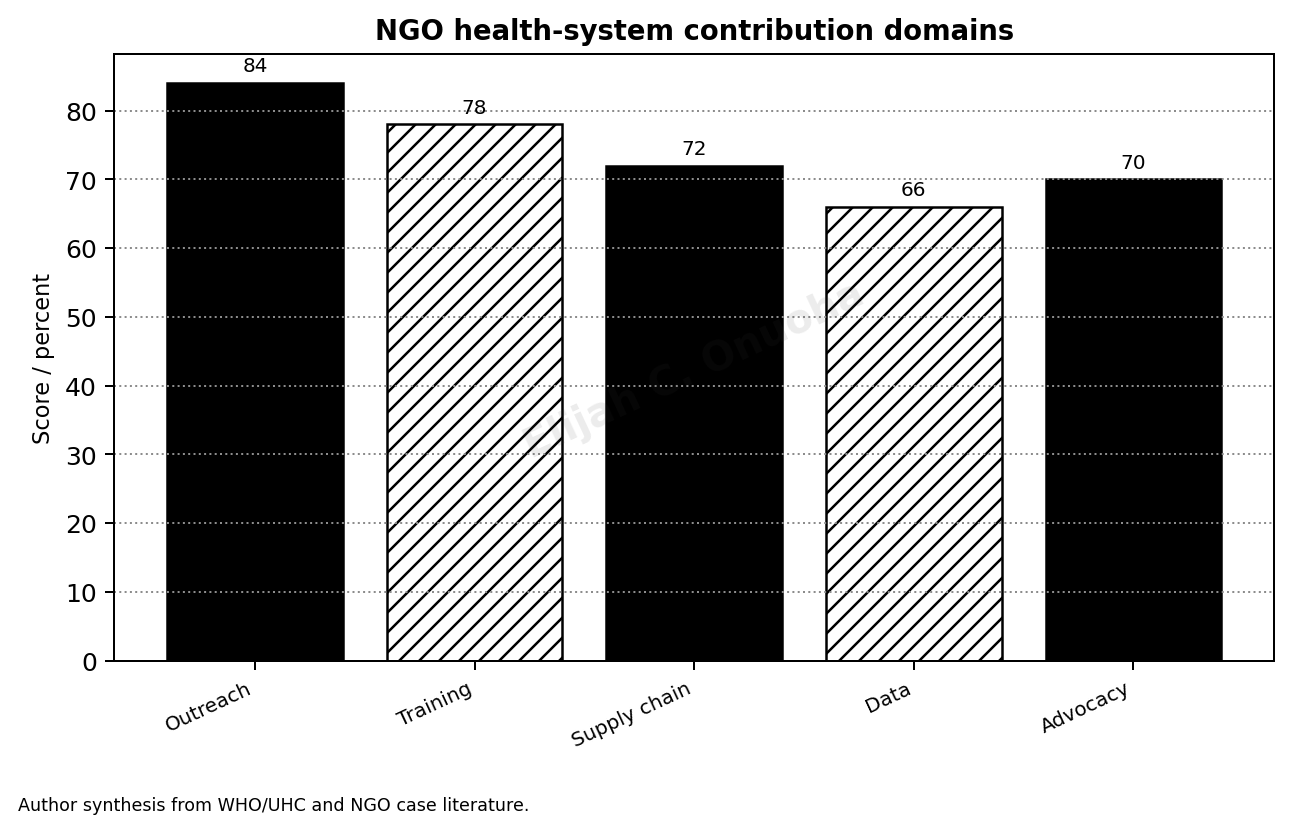
Recent public evidence gives the subject urgency. WHO AFRO reported that the African Region had an estimated 5.72 million health workers in 2024, while community health workers represented about 1.15 million of that reported workforce. The same regional evidence still projected a shortage of 5.85 million health workers by 2030 (WHO AFRO, 2026). Such figures do not mean that social workers can replace clinicians. They show why health systems need every practical role to be clearly designed, supervised, and connected to the places where patients live. Public social-protection evidence points in the same direction. UNICEF, ILO, and Save the Children reported in 2024 that 1.4 billion children aged 0 to 15 had no form of social protection, while fewer than one in ten children in low-income countries had access to child benefits (UNICEF, 2024). That finding matters for health because children without income support are often the same children whose families delay care, miss school, lack food, or struggle to complete treatment. Health care cannot solve social poverty by itself, but it must know when poverty is defeating care.

At master’s level, the subject requires more than a moral appeal. The research question is how the profession can be placed inside health care services in a way that is professional, accountable, measurable, and respectful of African country differences. It asks what social work contributes to primary care, community health, financing access, HIV and TB support, mental-health integration, discharge safety, and protection for children, older people, persons with disabilities, survivors of violence, and households under financial stress. Four country cases carry the analysis. Rwanda is used to examine community health and household continuity because its community health worker experience shows both the reach and burden of community-based care. Ghana is used to examine health financing and household protection because insurance or public spending reforms can still leave vulnerable families unable to use care. Kenya is used to examine community health promoters, county service design, and digital records. South Africa is used to examine HIV, TB, mental health, stigma, and integrated support in a high-burden setting.

These cases are not offered as a continental template. Africa is not one health system. Law, financing, disease burden, public administration, conflict history, welfare capacity, languages, family structure, and civil-society strength differ by country and within countries. Comparison is valuable only when it respects difference. Rwanda may demonstrate disciplined community reach, but a rural district elsewhere may lack the financing or supervisory structure to copy it. Kenya may legislate community health reform, but counties vary in capacity. Ghana may expand financing arrangements, yet indirect household costs remain. South Africa may have mature HIV infrastructure while still carrying stigma, mental-health burden, and inequality. The research design is a public-evidence case study. It draws from WHO AFRO, UNICEF, the World Bank, Kenyan policy material, South African HIV and TB strategy, and peer-reviewed studies on community health, gender-transformative prevention, and mental-health integration.

It does not invent interviews, field observations, patient datasets, or unpublished government figures. Where quantitative data appear, they are presented as public indicators rather than original statistical findings. That restraint matters because health-service writing must separate evidence from opinion, especially when vulnerable households are used to explain institutional failure. Its contribution is practical. It identifies the point at which a clinical system should hand off to social-work response, how consent and confidentiality should be handled, why referral completion must be measured, and how health administrators can avoid using community workers as unpaid shock absorbers for gaps in formal services. It also argues that social work should not be placed in health care as decoration. Role clarity, supervision, case records, referral authority, worker protection, and outcome review are the conditions that turn social concern into service reliability.

A final concern shapes the whole study: dignity. Vulnerable patients should not have to master the boundaries between health, welfare, education, justice, local government, and charities while facing illness. When agencies fail to coordinate, the patient becomes the messenger and the poorest household pays the highest price. Social work helps a health system remember the whole person after the prescription, discharge note, referral slip, or clinic card has been issued. That memory is a form of care. The discussion moves from the health-social interface to the four country cases, and then to an African social work-health service model that administrators can adapt. The writing avoids a sentimental view of social work. It also rejects the idea that clinical services alone can carry the full burden of illness. Health care becomes safer when the system sees the person’s social world early enough to act. That is the standard used throughout this publication. Publication writing also requires care not to pretend that all African settings have the same administrative capacity. A district hospital in northern Ghana, a county clinic in Kenya, a community health post in Rwanda, and an HIV service in South Africa may all face social risk, but the route to solve it will differ.

The common standard is not identical structure. It is the refusal to leave patients alone with problems that the service has already seen. Health leaders often speak of integration after services fail. The discussion treats integration as preparation. If a clinic knows that poor patients miss follow-up because transport costs are high, that knowledge should shape the referral pathway before the next patient is lost. If a community worker sees repeated family violence, the service should not wait for a tragedy before building a protection route. Good administration learns before harm repeats. African health administration also needs a stronger language for the space between diagnosis and recovery. The patient leaves with medicine, but the household may have no food, no privacy, no transport, or no safe person to help.

A paper record may show that care was delivered, while daily life shows that care was never truly usable. Social work gives managers a way to examine that gap without blaming the patient for conditions created by poverty, stigma, or weak coordination. A master’s-level reading of the subject must also separate advocacy from service architecture. Advocacy names the moral duty to protect people. Service architecture names the routes, staffing, records, referral points, and review meetings that make protection happen. African health systems need both. Without advocacy, the subject loses urgency. Without architecture, the language of concern becomes another promise that frontline workers cannot deliver. Each country case is used for a different administrative reason. Rwanda clarifies community continuity. Ghana tests whether financial protection is usable at household level. Kenya shows what formalized community work and digital records can add when counties have real support. South Africa exposes the link between HIV, TB, mental health, stigma, and rights-based care. Read together, the cases do not flatten Africa into one model; they show how social-work judgment must be adapted to the place where care is actually delivered.

Public health and social welfare are often planned through separate budgets, but patients do not live inside budget categories. A child with untreated illness may need school contact, food support, water safety, and caregiver help. A mother may need antenatal care and protection from violence. A person with HIV may need medicine and protection from disclosure harm. The health outcome depends on more than the clinical contact.

Chapter 2: Social Work as Health-System Capacity, Not Charity

Figure 2. African health workforce pressure and community reach. Source: WHO AFRO (2026). Copyright © June 2026 NYCAR and Nancy O. Ugwu. All rights reserved.

Social work belongs in health care because illness rarely arrives alone. A patient with chest pain may also be a wage earner whose absence means lost food at home. A child with malnutrition may live in a household where the caregiver has no income, no safe water, and no reliable transport. A survivor of violence may come to a clinic for wound care while fearing what will happen after disclosure. Clinical treatment may be correct, yet care remains fragile if the service has no route for the risks surrounding the patient. A health service that includes social work is better able to ask what has to happen around the patient for treatment to hold. That question moves the discussion away from charity and toward service design. It asks who will assess risk, where the file will be recorded, who owns the referral, how consent will be obtained, what support exists, and how the system will know whether the patient actually received help. These are administrative questions with direct health consequences.

Primary health care gives the strongest entry point. Local clinics, maternal services, immunization contacts, child-health checks, chronic-disease reviews, HIV and TB services, emergency units, mental-health touchpoints, and discharge planning all reveal social risk. A missed appointment may signal poverty, stigma, disability, partner control, transport failure, or distrust. Without a social-work response, staff may record nonattendance and move on. With a case route, the service can ask why the patient did not return and whether a preventable barrier can be removed.

Table 1. Public Evidence Base Used in the Study

Evidence area Source base Use in the paper
Health workforce WHO AFRO (2026) Frames workforce pressure, community health worker reach, and the need for role clarity.
Child and household protection UNICEF, ILO, and Save the Children (2024); UNICEF Ghana (2024) Links health care with poverty, child vulnerability, and social protection gaps.
Community health Hezagira et al. (2025); Ministry of Health Kenya (2020); PATH (2023) Supports Rwanda and Kenya case analysis on community delivery and formalization.
Health financing World Bank (2024); World Bank Open Knowledge (2024) Supports Ghana case analysis on UHC, household costs, and financing limits.
HIV, TB, and mental health SANAC (2023); UNAIDS (2025); Regenauer et al. (2024); Adjorlolo et al. (2025) Supports South Africa case analysis on integrated care, stigma, and psychosocial support.


Workforce pressure makes the role more urgent. WHO AFRO’s 2026 workforce evidence shows growth in the region’s health workforce and strong presence of community health workers, yet the projected 2030 shortage remains severe (WHO AFRO, 2026). In that environment, role confusion becomes costly. Nurses, doctors, and community health workers cannot safely absorb every welfare, protection, transport, family, and mental-health problem that appears in clinical practice. Social workers cannot replace them either. Each group needs a defined place in a joined pathway. Case management is one of the clearest ways social work adds value. A case manager identifies the problem, assesses risk, ranks urgency, seeks consent, arranges referral, documents action, and returns to the file. This process may sound basic, but many patients fall through gaps because no one owns the movement between services. A referral slip without a named destination, timeframe, and feedback loop is often advice rather than service. Social work turns referral into a managed responsibility. Safeguarding provides another reason for integration. Children, persons with disabilities, older adults, survivors of gender-based violence, migrants, and people living with mental illness may face harm that clinicians notice but cannot manage alone.

A child who returns repeatedly with injuries, a pregnant adolescent afraid to speak, an older patient abandoned after discharge, or a patient with HIV facing family rejection needs more than medical treatment. Trained social-work response helps the system act without improvisation, panic, or unsafe disclosure. Ethics must sit at the core of any health-social model. Social work in clinics and communities involves private information about violence, HIV status, pregnancy, mental health, poverty, disability, child protection, immigration, substance use, and family conflict. Poorly handled information can expose people to stigma, retaliation, shame, job loss, or renewed violence. Integration should never mean casual sharing. It requires consent rules, limited access, secure records, and supervision that teaches workers what to document, what to protect, and when safety overrides ordinary confidentiality.

Social determinants of health are often discussed in policy language. Social work translates that language into practice. If food, housing, income, violence, discrimination, education, water, employment, and caregiving shape health, a health service needs people who can assess those conditions and link patients to support. Otherwise, reports may speak about determinants while clinics continue to treat only their consequences. The profession’s practical value lies in connecting assessment with action. Health financing also needs a social-work lens. Insurance or public financing may reduce direct fees, but families still face transport, lost wages, medicines outside benefit packages, informal costs, caregiving time, and documents required for enrollment or renewal. Patient navigation helps vulnerable households understand entitlements, use benefits, and remain connected to care. A financing reform that looks strong in policy may still fail poor households if no one helps them cross the administrative distance between eligibility and real access.

Community health workers are often closest to household realities. They may see the food shortage, the missed medication, the unsafe sleeping arrangement, the child not in school, the family conflict, or the person hiding treatment. Their closeness is valuable, but it can also be risky if they lack training and backup. Social-work partnership gives community work a safer route for cases that require protection, counseling, welfare linkage, or mental-health referral. It also protects community workers from being asked to solve problems outside their role. Administrators benefit because social-work records can reveal patterns. Repeated missed appointments may point to transport gaps. Treatment interruption may point to food insecurity. Unsafe discharge may point to absence of caregiver assessment.

Child health problems may point to welfare delays or protection failure. When case notes are anonymized and reviewed responsibly, individual hardship becomes system learning. The evidence can guide service redesign without turning patients into data points stripped of dignity. A mature health-social system also protects workers. Social workers and community personnel deal with grief, hunger, violence, untreated illness, family conflict, and state failure at close range. Praising their compassion while denying supervision, safe caseloads, transport, and psychological support is poor management. Worker protection is not a luxury; it is quality control. Staff who are overwhelmed or unsupported cannot provide careful, ethical, steady follow-up. The conceptual point is simple but demanding: social work in health care should be designed as a service function with authority and limits. It should not be a vague appeal to caring behavior. It should have referral criteria, forms that do not overcollect private details, supervision arrangements, links to welfare and protection agencies, and measures of completion. Patients deserve care that does not stop at the edge of a professional boundary. Social work also guards against a narrow idea of efficiency. A clinic may appear efficient when it moves patients quickly, but speed without resolution can produce repeated use, avoidable deterioration, and hidden family burden. A slower social-risk review at the right moment may prevent a more expensive crisis later. Managers should treat that review as part of safe throughput, not as a delay.

Professional boundaries remain necessary. Social workers should not diagnose diseases or prescribe medicines. Clinicians should not be expected to settle welfare eligibility or child-protection cases alone. Community health workers should not be asked to carry confidential trauma without supervision. Integration works when each profession knows its task and respects the tasks of others. A serious social-work role also reduces waste. Repeated crisis visits, abandoned treatment, failed discharge, and late presentation carry financial cost as well as human cost. When a worker identifies the transport barrier, the unsafe home, the food gap, or the fear that keeps a patient away, the service receives information that can prevent repeated use. That is health management, not sentiment. Professional education should reflect this reality. Social workers entering health settings need knowledge of clinical pathways, public-health aims, and referral urgency. Health workers need enough understanding of social risk to know when to ask for help. Joint learning prevents two common failures: clinicians ignoring social harm because it is outside their training, and social workers underestimating clinical risk because the social story is so demanding.

Chapter 3: Rwanda, Community Health, and the Discipline of Household Follow-Up

Figure 3. Child and household protection signals. Source: UNICEF (2024) and author analytical synthesis. Copyright © June 2026 NYCAR and Nancy O. Ugwu. All rights reserved.

Rwanda is valuable here because community health has been treated as a serious part of national health strategy rather than a temporary volunteer add-on. Recent peer-reviewed work on three decades of community health workers in Rwanda describes a system that has evolved through policy design, training, expansion, and adaptation (Hezagira et al., 2025). The relevance for social work lies in the place where community health workers stand: close enough to see household risk, but often without the professional authority or resources to manage every problem they encounter. Community health workers can support maternal and child health, prevention, screening, treatment literacy, referral, and follow-up. They know pathways to homes, local leaders, family pressures, and the ordinary reasons people delay care. That knowledge gives the health system reach. It also creates ethical exposure. A worker may learn about violence, hunger, treatment interruption, mental distress, disability neglect, or a child not attending school. Without a safe referral route, the worker can be left with information that is too serious for informal advice.

Social work strengthens the Rwandan community-health lesson by giving household risk a professional response. A community worker who identifies a problem should know whether the file requires health education, clinical referral, welfare support, child protection, counseling, or urgent safeguarding. That distinction is not always obvious. A missed maternal appointment may mean transport hardship, partner control, fear, misinformation, illness, or neglect. Social work helps the system examine the household setting before labeling the patient as noncompliant.

Table 2. Rwanda Case Lessons for Health-Related Social Work

Observed issue Social-work implication Management action
Community proximity Workers see household risk early, including violence, poverty, and missed care. Create escalation routes to social workers, welfare offices, and protection teams.
Trust and confidentiality Local knowledge can protect care or expose families if mishandled. Train workers in consent, safe records, and limits of disclosure.
Referral feedback A referral without feedback leaves community workers without authority. Require referral completion review and case-return notes.
Worker burden Frontline roles carry emotional and ethical load. Provide supervision, transport support, and role boundaries.


Rwanda also shows why community legitimacy must be protected. A trusted local worker can enter spaces that a distant official may never reach. Yet trust can be damaged quickly if private information becomes gossip, if referrals lead nowhere, or if promises are made beyond the service’s capacity. Training should cover confidentiality, respectful communication, consent, and honest explanation of what can and cannot be provided. Community proximity is an asset only when the system uses it responsibly. The Bandebereho experience adds a useful social-protection dimension. Research on equipping community health workers in Rwanda to deliver a violence-prevention parenting program links community platforms with prevention of violence against women and children (Doyle et al., 2025). That does not mean every community health worker should become a specialist in family violence. It means that health-adjacent programs can identify social harm when training, supervision, referral, and role limits are handled carefully.

For social work, the lesson is that health outreach and social protection can meet in the same household. A visit for child health may reveal harsh discipline, caregiver stress, food insecurity, or an unsafe relationship. A maternal-health contact may reveal partner control or lack of transport. A chronic-care follow-up may reveal depression or stigma. The practical question is whether the system has a route for action. Seeing risk without response creates frustration and potential harm.

Records matter in this case. Community contact has little long-term value if the system cannot remember what was seen, what was agreed, and who will follow up. A simple protected case note can help a clinic, welfare office, or social worker know what has happened. Poor records force patients to repeat private stories and make workers depend on memory. Good records protect continuity while limiting sensitive details to what is needed for care. Supervision is another management issue. Community workers who repeatedly encounter poverty, death, violence, and untreated illness carry emotional burden. Celebrating them in policy speeches does not reduce that burden. A social-work layer can provide case consultation, escalation, and reflective support. That function helps workers know when to continue routine follow-up, when to ask for clinical review, and when a case has crossed into protection or mental-health territory. Rwanda’s case also warns against copying without context. Community health is strong when policy, community trust, financing, training, supervision, supplies, and referral routes align. Removing one part weakens the rest. A country that copies household visits without paying attention to supervision may expand contact but not quality.

A district that trains workers without creating referral feedback may increase reporting but leave patients in the same danger. Reform has to be carried by real capacity. Another lesson concerns the difference between outreach and continuity. Campaigns can find people. Continuity keeps them connected. Many systems are better at reaching households during a program cycle than staying with a case until risk has reduced. Social work pushes health services toward continuity because it asks whether the family reached support, whether the child remained safe, whether the appointment was kept, whether the welfare link worked, and whether new risk appeared. In practice, Rwanda suggests that social work should not be added to community health after problems pile up.

It should be built into the design from the start. Community workers need a map of social services, a channel to social workers or welfare officers, a safe way to record risk, and feedback when referrals are completed. Social workers need to understand community health workflows so they do not create unrealistic paperwork or delays. Both sides need shared language. The Rwandan example supports a wider African lesson: local presence is powerful, but it is not enough. A trusted community worker can notice hardship early, yet a patient benefits only when the system can respond. Professional social work gives that response structure. It turns household knowledge into assessment, protection, referral, and follow-up. Without that structure, community health may become a heavy moral burden placed on workers who are close to suffering but far from decision-making power. A well-run Rwandan-style community pathway would also make space for feedback from workers. People closest to households often understand why a policy fails in practice. They know which families cannot afford transport, which messages are misunderstood, which referral points are closed, and where stigma keeps people silent. Administrators lose intelligence when they treat frontline reports as anecdote rather than service evidence.

The same principle applies to household-level prevention. A community worker may notice early warning signs before a formal emergency exists. Food stress, missed medicines, social isolation, and school absence may appear small separately but dangerous in combination. Social-work supervision can help rank such risks and decide which cases need immediate action. The Rwandan case also has value for emergency readiness. Epidemics, floods, displacement, or local insecurity can quickly interrupt routine services. Community workers often become the link between households and formal response. If social-work logic is part of the system, emergency response can include protection, family tracing, disability support, mental-health referral, and help for isolated households rather than only disease messages.

Household continuity should also be treated as a quality measure. A patient reached once is not necessarily protected. Care becomes stronger when the same case is followed long enough to know whether the risk declined. In maternal health, that may mean confirming return visits. In child protection, it may mean checking safety. In chronic care, it may mean knowing whether medication, food, and transport are stable enough for treatment to continue. Rwanda also shows why community systems need honest workload assessment. A household may present several needs during one visit: immunization, malnutrition, domestic conflict, poverty, and a missed appointment. If the worker has no time, phone credit, transport, or referral contact, the system has created a role that sees risk but cannot act. That gap is professionally unsafe. Social-work supervision can give such workers a place to bring uncertainty. Is a case urgent? Is consent needed before calling another office? Is the child unsafe? Is the patient refusing care or unable to reach care? These are judgment questions. Community systems become more reliable when workers are not forced to answer them alone.

Chapter 4: Ghana, Health Financing, and Household Protection

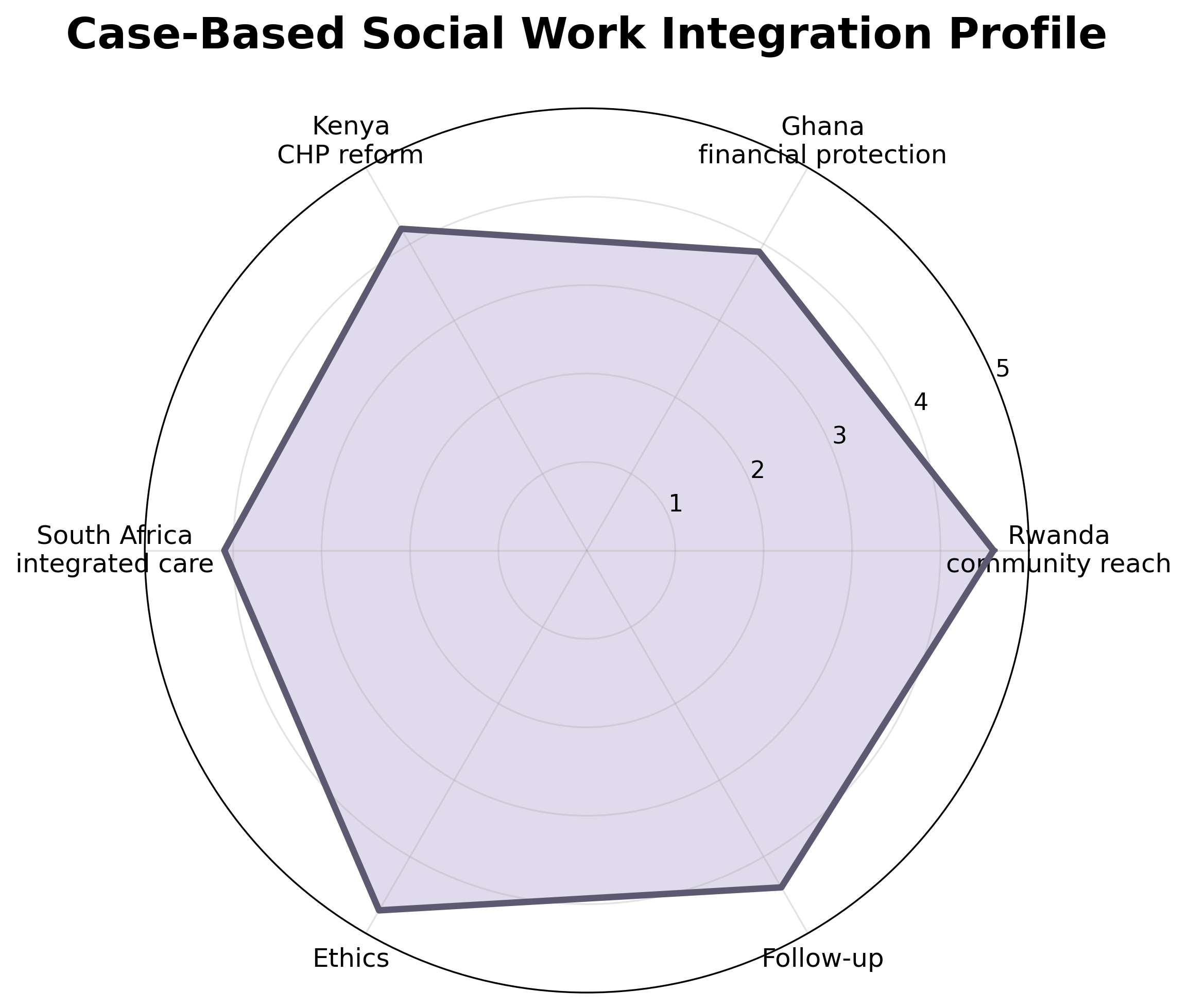
Figure 4. Case-based integration profile. Source: Author analytical model from Rwanda, Ghana, Kenya, and South Africa evidence. Copyright © June 2026 NYCAR and Nancy O. Ugwu. All rights reserved.

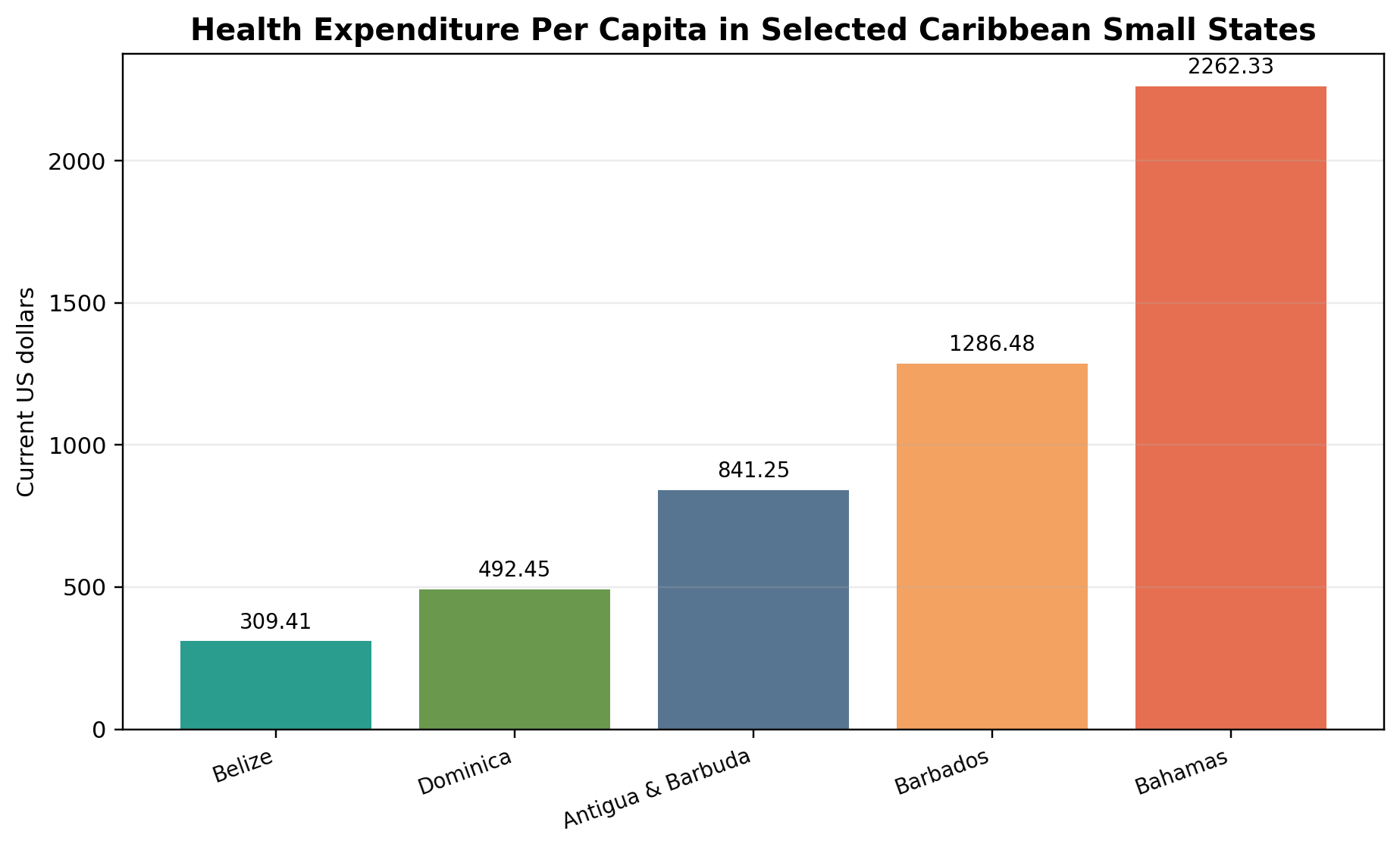
Ghana is valuable because it shows how health financing and social work meet at household level. Insurance and public spending reforms can reduce barriers, but they do not remove every cost that families face. Transport, food, lost work time, caregiver absence, informal payments, medicine gaps, documents, and renewal procedures can still decide whether a patient receives care. A financing system may look organized from Accra and still feel difficult in a rural household or informal settlement. World Bank work on public health expenditure for universal health coverage in Ghana notes the country’s progress while also pointing to financing challenges and the role of public funding through the Ministry of Health and National Health Insurance Scheme (World Bank, 2024). For social work, the key issue is how those financing arrangements are experienced by people with weak bargaining power: children, persons with disabilities, women exposed to partner control, older people, migrants, and families whose income collapses during illness.

Ghana’s National Health Insurance Scheme has long attracted attention because it represents an African attempt to institutionalize financial protection. Yet coverage is not the same as usable care. A family may be registered but still unable to travel. A patient may have a card but lack money for food during treatment. A caregiver may not understand renewal rules. An older person may be covered for a consultation but not for the full cost of recovery. Social work helps identify the difference between legal entitlement and practical access.

Table 3. Ghana Case: From Financial Coverage to Household Use

Policy issue Household barrier Social-work contribution
Insurance enrollment Documents, renewal, travel, unclear benefits Patient navigation and eligibility support.
Indirect cost Transport, food, lost work time, caregiver burden Household assessment and welfare linkage.
Child protection Children outside effective coverage or social support Referral to child welfare, school, and family support.
Chronic illness Repeated costs and treatment fatigue Case planning, adherence support, and early crisis prevention.


Children make that difference visible. UNICEF Ghana’s social-protection material has discussed children who remain outside key protection arrangements and the connection between household vulnerability and service access (UNICEF Ghana, 2024). A child without effective protection may miss treatment because a caregiver cannot pay indirect costs, lacks documents, lives far from services, or does not know how to use available support. Health care and welfare policy meet in that child’s case, even if ministries file them separately.

A social-work role in health financing is partly navigational. Many households need help understanding what benefits exist, what documents are required, which service is covered, where to renew, and how to appeal or ask for assistance. Navigation is not a minor convenience for families with limited literacy, mobility, time, or confidence in institutions. It can decide whether a benefit becomes actual care. Patient support workers, social workers, and trained welfare officers can convert policy language into action. Financial protection also concerns chronic disease. Diabetes, kidney disease, cancer, hypertension, HIV, mental illness, and disability can create repeated costs. A single clinic visit may be affordable while the long sequence of tests, medicines, transport, diet changes, and caregiving becomes unbearable. Social work helps by assessing household strain early, connecting families to available welfare support, and helping health managers see when repeated indirect costs are driving treatment interruption.

Ghana’s case also raises the issue of administrative simplicity. Rules that look orderly to policymakers may be burdensome for poor families. A benefit that requires several visits, forms, fees, or identification documents can exclude the people it was meant to support. Social workers see these barriers because they sit close to patients. Their records should feed back into policy review. When many patients miss care because renewal is difficult or transport is unaffordable, that is not individual failure; it is administrative evidence.

Household protection should be read widely. Money matters, but protection also includes safety, caregiving, child welfare, disability support, legal identity, nutrition, school continuity, and shelter. A woman receiving maternal care may need protection from violence more urgently than a benefit leaflet. A child with epilepsy may need school support and caregiver education. A person with disability may need accessible transport and assistive devices. Social work keeps these linked needs visible to health services. The Ghana case strengthens the argument that financing reform and social care should be planned together. Health ministries cannot treat household hardship as a separate policy universe when hardship decides whether care is used. Welfare agencies cannot protect families fully when health costs and illness push households into crisis. Coordination does not require every agency to merge. It requires clear referral points, shared eligibility knowledge, and review of whether assistance reached the person. Data can improve the connection. Clinics should not simply record that a patient missed an appointment. They should ask whether the barrier involved cost, distance, family control, medication availability, work pressure, fear, or misunderstanding. Aggregated responsibly, that information can show where financing reform is not translating into access. Social workers and patient navigators are well placed to gather this information without blaming patients for structural barriers.

Ghana also shows why social work must avoid making promises that the state cannot keep. If benefits are limited, staff should be honest. If a referral is unlikely to result in immediate support, patients should know. Ethical practice requires candor because desperate households can be harmed by false assurance. At the same time, even limited support can matter when directed carefully. Knowing what exists and how to reach it is part of service quality. Ghana’s lesson is that financial protection becomes real only when households can use it. Insurance, budget allocation, and UHC targets are necessary but incomplete. Social work makes the household economy visible. It can help a health system distinguish refusal from hardship, delay from fear, and nonattendance from administrative exclusion. That is why social work belongs in health financing discussions, not merely in welfare offices after care has already failed.

Health financing reform can also affect trust. When patients are told that care is covered but later face unexpected costs, confidence weakens. Social workers and navigators often become the people who hear these complaints. Their feedback can help managers identify whether the problem is benefit design, poor communication, supply gaps, or informal charges. Ignoring such feedback allows distrust to grow. Ghana’s case also underlines the place of families. Illness changes household budgets, gender roles, children’s schooling, and caregiving expectations. A patient may choose between treatment and food, or a caregiver may stop working to accompany someone to appointments. Social work makes these choices visible and helps the health service understand the cost of care beyond the facility wall. Ghana also shows why household data should be used carefully. A family’s inability to pay should never become a mark of shame in a clinical record. The purpose of recording financial strain is to link support and improve service design. Managers should review patterns without exposing individual households. Dignity in data handling is part of financial protection.

Another lesson from Ghana is that welfare and health workers need shared understanding of eligibility. A clinic that sees need may not know whether a patient qualifies for assistance. A welfare office may not understand the urgency created by a medical condition. Regular liaison can reduce this gap. Even where resources are scarce, coordination can prevent avoidable delay and repeated confusion. That shared understanding turns eligibility from a paper rule into an actual route through which vulnerable households can keep care within reach.

Chapter 5: Kenya, Community Health Promoters, and Digital Accountability

Kenya offers a current case because its recent legal and policy agenda has sought to formalize community health and rework financing and digital systems. PATH’s 2023 overview describes the Social Health Insurance Act, Primary Health Care Act, Digital Health Act, and the place of community health promoters in the reform package (PATH, 2023). This case is useful because it shows a country trying to move community delivery from informal contribution toward recognized service architecture. Kenya’s National Community Health Strategy 2020-2025 placed community health at the foundation of universal health coverage and linked community units with primary care delivery (Ministry of Health Kenya, 2020). That orientation matters for social work. Community health promoters can support prevention, treatment literacy, referral, maternal and child health, public-health messaging, and household continuity. Yet household contact also exposes them to social problems that sit beyond routine health education. A community health promoter may be the person who learns that a pregnant woman is being controlled by a partner, that a child with disability is hidden at home, that a patient with tuberculosis fears stigma, or that an older person has no one to help with daily care. Those findings cannot be managed through slogans. They need a structured route to social-work assessment, welfare support, child protection, mental-health referral, or clinical review. Social work gives community health reform a safer case pathway.

Table 4. Kenya Case: Community Health Promoters and Social-Work Interfaces

Reform area Risk if poorly designed Required social-work link
Community health promotion Expanded tasks without referral authority Clear escalation to welfare, protection, and clinical teams.
Digital health Sensitive household data exposed or misused Consent, privacy rules, access controls, and worker training.
County delivery Uneven capacity across counties Minimum national standards with local adaptation.
Health financing reform Registration without actual service use Patient navigation and household follow-up.


Formalization can improve community health when it brings training, supervision, payment or incentives, supplies, data tools, and accountability. It can also create new burdens if tasks multiply faster than support. A title alone does not make a role safe. Community health promoters need clear limits. Social workers need clear criteria for when a household case should be transferred or jointly managed. Health administrators need to know which problems are being referred repeatedly and why. Kenya’s county structure adds another layer. Demainization can help services respond to local geography, languages, and community organizations. It can also produce unequal capacity. Some counties may support community health better than others. A national model for social work-health integration should allow local adaptation while keeping minimum standards for supervision, referral, confidentiality, and case completion. A household should not lose protection because local administration is weaker. Digital health reform deserves close attention. Digital records, dashboards, unique identification, and reporting systems can improve continuity if they are designed around care. They can also expose sensitive information. Community health promoters and social workers may hold details about HIV, pregnancy, violence, disability, mental distress, poverty, and family conflict. Digitizing such information without strict access controls and worker training can damage trust. Patients will not disclose risk if they fear public exposure.

A social-work lens makes the digital agenda more careful. It asks what information is truly needed, who can see it, how consent is recorded, how a patient can challenge errors, and what happens when a record signals danger. Data should help solve the problems communities report. If information travels upward but does not improve local support, workers may lose confidence and households may stop sharing.

Kenya’s case also clarifies what integration means in practice. It is not enough to place different workers in the same community. Integration requires referral forms that are easy to use, defined responsibilities, feedback routes, shared supervision meetings, and authority to solve problems. A promoter who identifies a household risk should know the referral destination. A social worker who receives the case should know how to speak with the clinic. The clinic should know whether the support happened. This professional role can also help with health literacy. Insurance changes, primary care reforms, digital enrollment, and referral pathways can confuse patients. Community-based workers may explain what has changed, but complicated household situations may require more focused support. A person with disability, a grandmother caring for orphaned children, a survivor of violence, or a migrant household may need someone who can connect health instructions with welfare, school, legal, and protection services.

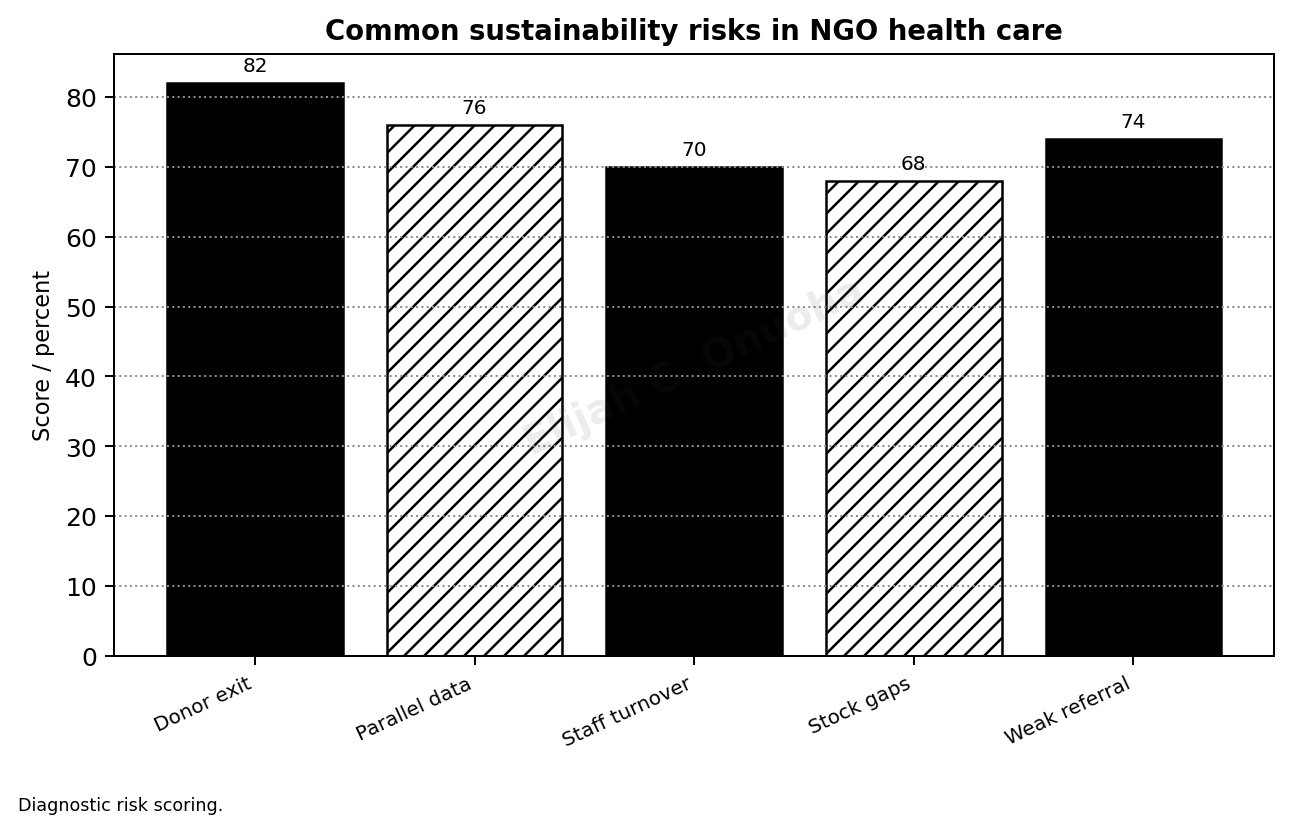
Worker protection remains a serious concern. Community health promoters are often praised as the face of reform, but praise will not carry transport costs, safety risks, emotional load, or household expectations. Social-work partnership should not become another way to shift responsibility downward. Both promoters and social workers need manageable caseloads, supervision, safe reporting procedures, supplies, and realistic referral options. Reform that overloads frontline staff weakens its own credibility.

Measurement should focus on completion, not merely contact. How many households were visited? That question has value, but it is insufficient. Better questions are whether the referred patient reached the clinic, whether the abused person received protection support, whether the child returned to care, whether a missed appointment was followed up, and whether the social barrier was reduced. Community health becomes stronger when contact is linked to outcome. Kenya’s lesson for African systems is that formal community health reform should be designed with social risk in mind from the beginning. When legal, digital, and financing reforms move faster than household support, vulnerable people may remain outside the care promise. Social work helps keep the reform anchored in the lives of people who use services. It asks the system to pay attention not just to who was registered, but to who was reached, protected, and followed until help became real. A careful Kenyan model would also protect communities from data fatigue. Households may be asked to provide information repeatedly to different workers and programs. If nothing improves after disclosure, people become less willing to speak honestly. Social-work practice insists that questions should have purpose. A service should ask because it intends to act, not because a dashboard demands another field.

County managers can use social-work reports to compare local barriers. One county may see transport as the main barrier to follow-up, another may see fear of costs, another may see domestic violence or disability exclusion. A national policy cannot know every local pattern in advance. Local social-work evidence helps reform stay grounded. Kenya’s reform space also raises a professional question about digital identity. Linking a person to services can improve continuity, but it can also create fear among people who already distrust institutions. Patients need to know that information collected for care will not be used to punish, expose, or exclude them. Social-work ethics can help keep digital reform tied to trust. Community health promoters can also become a source of local learning. When many households report the same barrier, the problem belongs on a management agenda.

If mothers miss appointments because of transport, if disability referrals fail because offices are distant, or if adolescents avoid care because privacy is weak, those patterns should shape county planning. A good reform listens downward as well as reporting upward. Kenya’s digital agenda also raises a question about accountability to communities. If households provide data, they should see some benefit from the exchange. Better follow-up, clearer referrals, less repeated questioning, and quicker recognition of risk are practical signs that data serve care. When data flow only upward, communities may feel monitored rather than supported. Social workers can help interpret community data with caution. A high number of missed appointments in one area may indicate distance, staff behavior, insecurity, cost, stigma, or poor communication. Data show the pattern; local case knowledge explains it. Managers need both before making fair decisions.

Chapter 6: South Africa, HIV, TB, Mental Health, and Rights-Based Care

South Africa is a demanding case because HIV, tuberculosis, mental health, substance use, poverty, inequality, and stigma often appear in the same patient journey. A person may receive antiretroviral therapy while also facing depression, violence, unemployment, food insecurity, housing instability, or fear of disclosure. Health care that treats only the biomedical file can miss the social realities that shape adherence, retention, and safety. South Africa’s National Strategic Plan for HIV, TB and STIs 2023-2028 is explicitly multisectoral and people-centered (SANAC, 2023). That matters because HIV and TB are not merely clinical conditions. They are also shaped by social stigma, rights, employment, gender power, housing, mental health, substance use, and family relationships. A strong disease program still needs social-work capacity when patients are at risk of dropping out because the pressures around treatment are unmanaged.

UNAIDS reported that 40.8 million people were living with HIV globally in 2024, with eastern and southern Africa remaining one of the most affected regions (UNAIDS, 2025). South Africa carries one of the world’s largest HIV treatment responsibilities. Biomedical scale is vital, but scale alone does not eliminate fear, stigma, depression, gender-based violence, or treatment fatigue. Social work contributes by helping clinics understand why a patient disengages and what support may restore safe contact.

Table 5. South Africa Case: HIV, TB, Mental Health, and Social-Work Response

Patient risk Service weakness when untreated Social-work response
Stigma and fear of disclosure Avoided testing, hidden medication, missed visits Disclosure planning, family support, rights counseling.
Depression or anxiety Reduced adherence and treatment fatigue Mental-health referral, psychosocial support, follow-up.
Substance use stigma Judgment by workers and weak retention Stigma-reduction support and linked care.
Violence or unsafe home Treatment plan cannot be followed safely Protection planning and confidential referral.


Mental-health integration is especially relevant. Recent evidence on mental-health interventions for young people living with HIV in sub-Saharan Africa points to peer, family-based, and digital approaches while recognizing that the evidence base remains uneven (Adjorlolo et al., 2025). Another line of work in South Africa has examined community health worker training to reduce stigma around substance use and depression in HIV and TB care (Regenauer et al., 2024; Myers et al., 2024). These studies show that psychosocial issues are not side concerns. They influence whether treatment continues. This professional role can support integrated HIV and mental-health care through counseling, disclosure planning, family meetings, risk assessment, welfare referral, rights advice, and follow-up after missed visits. A patient who hides medication because of stigma may need a safer disclosure strategy.

A patient with depression may need mental-health referral and family support. A woman facing violence may need protection planning before treatment advice can be followed safely. These tasks require skill and confidentiality. Stigma operates as a health barrier because it changes behavior. People may avoid testing, conceal diagnosis, miss appointments, stop treatment, or refuse referral because they fear judgment. A clinical message alone may not overcome that fear. Social workers can help by working with support groups, families, community organizations, and clinic teams while protecting privacy. Rights-based care means that the patient’s dignity is protected while health services pursue disease control. Substance use presents another reason for joined care. Patients who use substances may be judged by workers, families, or communities. Stigma can reduce time spent with providers, weaken trust, and interrupt treatment. Training helps, but trained workers still need somewhere to send patients for support. A screening tool without counseling, harm-reduction referral, or social support becomes another form of exposure without help. Integration requires response capacity.

Gender-based violence also intersects with HIV and health care. Disclosure may be unsafe in some relationships. Partner control may restrict clinic attendance or medication use. A woman may present with injuries, pregnancy, sexually transmitted infection, or anxiety while violence remains hidden. Social-work involvement can help health workers ask safer questions, document concern responsibly, and connect the patient with protection services where available. Such action must avoid increasing danger through careless disclosure.

South Africa’s experience also shows why community workers need backup. Community health workers, adherence supporters, and lay counselors may encounter depression, substance use, violence, and family rejection while doing HIV and TB work. Without supervision, they may carry trauma and uncertainty alone. Social workers can provide case consultation, training support, and referral management so that community teams are not expected to solve every psychosocial problem. Privacy is especially delicate in HIV and TB services. A patient’s status can affect family life, employment, housing, and safety. Integrated care should reduce harm, not spread information. Case meetings must be carefully structured. Workers should share only what is needed for the task at hand. Records must be protected. Patients should know how their information will be used. Where immediate safety is at stake, escalation should follow law and professional duty, not informal judgment. South Africa’s case also raises the issue of public administration. HIV, TB, mental health, welfare grants, shelters, labor rights, community organizations, and clinics may all hold part of the same patient’s support network. Without a case owner, the patient moves across offices while risk remains.

This professional role can anchor that movement. It can help the system know who is responsible for the next step and whether the step occurred. The wider lesson for African health care is that disease programs mature when they become person-centered without losing clinical discipline. A program may need strong targets, medicine supply, laboratory monitoring, and reporting. It also needs support for the patient’s life outside the clinic. Social work does not weaken disease control. When properly designed, it protects continuity, reduces avoidable disengagement, and helps patients remain in care without being stripped of dignity.

South Africa also illustrates why peer support and professional support should not be placed against each other. Peers may offer credibility and shared experience, while social workers can manage safeguarding, family conflict, welfare linkage, and complex referral. Patients benefit when these roles cooperate. They suffer when programs rely on informal support to do work that requires professional authority. A rights-based model also protects staff. Workers in stigmatized services may face community pressure, moral judgment, and emotional exhaustion. Training on confidentiality and stigma should include space for workers to examine their own attitudes. The quality of patient care improves when staff can name bias and correct it before it shapes service decisions. South Africa’s case also speaks to adolescents and young adults. Young people living with HIV may face disclosure anxiety, dating concerns, school pressure, family conflict, and fear of being treated as different. Peer support may help, but professional supervision is needed when depression, self-harm risk, violence, or exploitation appears. This professional role can help youth services move beyond medication pickup toward safer continuity.

The same is true for tuberculosis, where treatment length, stigma, side effects, and household poverty can make completion difficult. A patient may stop attending because work is lost, food is scarce, or the family fears infection. Social-work assessment can help the health team understand whether the barrier is knowledge, income, fear, or service inconvenience. Different barriers require different action. Follow-up becomes safer when the service treats completion as a supported process rather than a test of personal discipline.

Chapter 7: An African Social Work-Health Service Model

Figure 5. African social work-health service model. Source: Author analytical model. Copyright © June 2026 NYCAR and Nancy O. Ugwu. All rights reserved.

An African social work-health service model should begin with the moments when social risk becomes visible. Those moments occur in antenatal care, child-health visits, HIV and TB clinics, chronic-disease reviews, emergency units, mental-health touchpoints, disability services, discharge planning, school health, and community outreach. Workers do not need to search for social problems in abstract terms. Many risks already appear in routine care. The missing element is often a route for response. Risk identification should be simple and tied to action. A short screening process can ask about food, transport, safety, caregiving, housing, missed appointments, disability barriers, violence, mental distress, and ability to understand the care plan. Screening should never become a form that collects sensitive information without support. If a worker asks a patient to disclose violence, hunger, or stigma, the system must be ready to respond safely.

Consent and case recording come next. Patients should know why information is being collected, who will see it, and what help may follow. A clinic should not create a casual file of private hardship. Case records should be purposeful, secure, and limited to what helps care. In small communities, confidentiality failures can cause lasting harm. The social-work model must protect privacy with the same seriousness that clinical services protect laboratory results and diagnoses.

Table 6. Core Design Rules for an African Social Work-Health Model

Design rule Reason Operational test
Screen only where response exists Disclosure without help can harm patients. Each risk field has a referral or action route.
Protect confidentiality Sensitive social data can expose patients. Consent and access rules are written and taught.
Own referrals Patients should not become case managers while ill. Referral completion is tracked and reviewed.
Support workers Complex cases carry emotional and safety burden. Supervision, caseload, and field-safety arrangements exist.
Use data for learning Repeated barriers should influence service design. Monthly review examines missed care and unresolved risk.


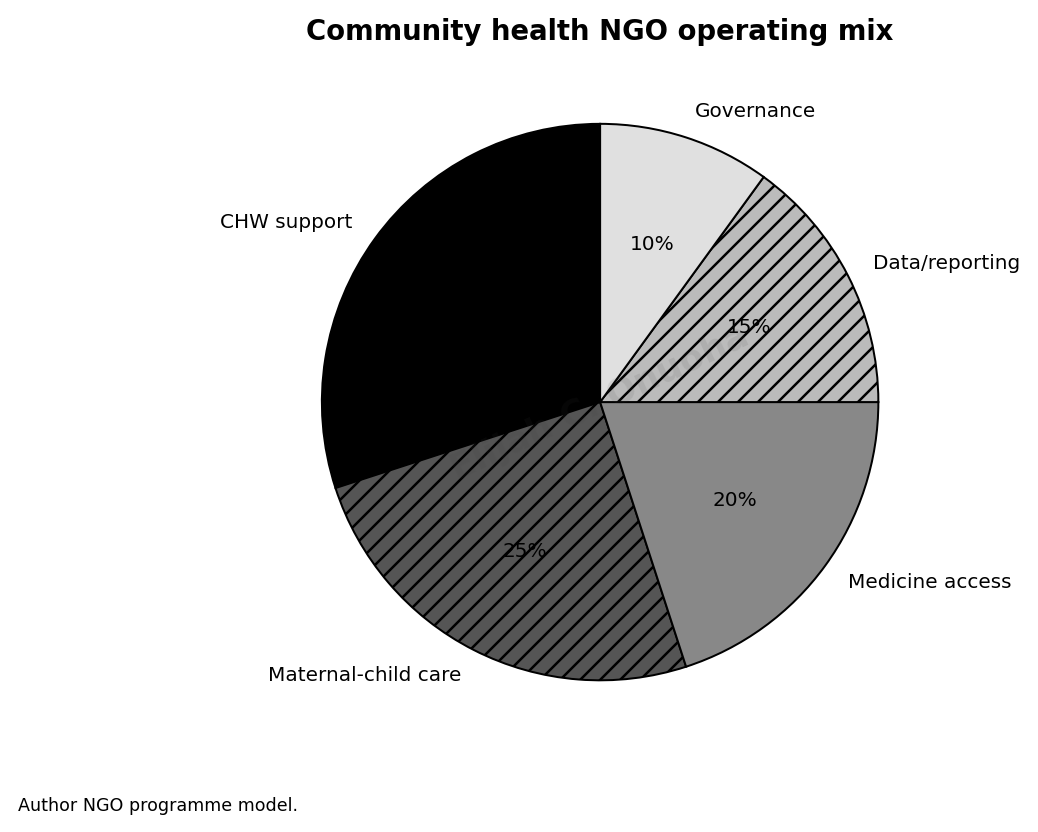
Household assessment is a core task. It asks what conditions around the patient will support or defeat care. It may review transport, food, safety, caregiving, income, housing, school attendance, disability support, communication, stigma, and family relationships. The goal is not to judge the family. It is to understand the setting where the medical plan has to work. A treatment plan that ignores the household may be incomplete even when the clinical instruction is correct. Referral ownership is the spine of the model. A referral should have a destination, a reason, a timeframe, a responsible worker, and a feedback route. Without ownership, a referral is often a burden transferred to the patient. Social workers can track whether the referral happened, what barrier remained, and whether new danger appeared. This is especially valuable for children, survivors of violence, people with mental distress, persons with disabilities, and chronically ill patients who need repeated support. Social protection linkage should be mapped locally. Not every country or district has strong benefits, but every health service can know what support exists. Cash transfers, disability benefits, child protection, food support, legal aid, shelters, insurance enrollment, livelihood programs, faith-based assistance, and community organizations may all matter. A social worker does not have to control these programs to link patients responsibly. Knowledge of available support is part of health-system competence.

Clinical partnership must be respectful. Social workers are not administrative assistants to clinicians, and clinicians are not expected to become welfare officers. Nurses, doctors, pharmacists, community health workers, counselors, social workers, and welfare officers each bring a different skill. Case discussion should focus on what the patient needs, what each worker can do, and how private information will be protected. Professional respect reduces duplication and prevents patients from repeating painful histories. Supervision protects quality. Health-related social work often involves violence, child harm, suicide risk, disability neglect, severe poverty, death, and family conflict. Workers need senior review, safe caseloads, transport support, field-safety procedures, and emotional backup. A system that leaves workers alone with trauma will lose quality and may lose staff. Supervision is also where ethical dilemmas can be examined before workers act out of fear or habit.

Measurement should be practical. Health systems should track referral completion, missed-appointment follow-up, safety planning, social-protection linkage, discharge support, patient satisfaction, and repeat crisis use. These measures should not punish workers for limited resources. Their purpose is to reveal where patients are lost. A clinic that records only that a referral was made cannot know whether it helped. Completion changes the meaning of integration. Training must be shared. Social workers in health settings need familiarity with clinical workflows, infection-control rules, chronic-care pathways, mental-health warning signs, disability inclusion, and discharge routines. Clinicians need to understand when to request social-work input. Community workers need to know where their role ends. Joint training builds trust, reduces professional rivalry, and helps teams respond consistently to common situations. Mission drift must also be prevented. Social workers should not become the place where every unfunded problem is dumped. If caseloads are impossible, transport unavailable, records insecure, or referral partners absent, the model will become symbolic. Health administrators should define thresholds, staffing levels, supervision ratios, and escalation routes. Professional social work must be resourced well enough to do the work it is being asked to carry.

Country adaptation is essential. A rural district may rely heavily on community workers and local welfare officers. A large urban hospital may need discharge social work, mental-health referral, and case conferences. A conflict-affected area may need trauma support, family tracing, and protection services. A country with stronger health insurance may need patient navigation around entitlements. This model should travel as principles: assess social risk, protect rights, own referrals, support workers, and review outcomes.

A phased implementation route is more realistic than a grand reform promise. Health systems can begin with high-risk points: maternal and child health, HIV and TB services, emergency care, mental-health contact, disability services, chronic-disease clinics, and hospital discharge. Starting where need is visible allows leaders to test forms, train workers, adjust caseloads, and build referral partnerships before wider roll-out. Progress should be judged by reliability, not by impressive language. Administrative leadership will decide whether the arrangement becomes real. Ministers, district managers, hospital executives, clinic heads, local-government officers, and professional bodies must agree that social risk is part of care quality. Without leadership, social work remains dependent on individual commitment. With leadership, it becomes a recognized service line that can be planned, funded, supervised, and evaluated. That shift is the difference between goodwill and governance. This model should not become paperwork for its own sake. Forms should be short enough to use under pressure and serious enough to capture risk. A five-page assessment that workers cannot complete is less useful than a one-page tool that leads to action. The test is whether the record helps the patient move safely through the service.

Implementation should also include patient voice. People using services know when referral systems are confusing, when staff speak disrespectfully, when costs are hidden, and when privacy is weak. Patient feedback does not replace administrative data; it explains it. A rise in missed appointments may become clearer when patients describe fear, transport difficulty, or poor treatment at the desk. Implementation should be modest enough to survive contact with real clinics. A district can begin with one high-risk pathway, such as maternal health, HIV retention, child malnutrition, or hospital discharge. Workers can test a referral form, learn which partners respond, and adjust case thresholds. Successful practice can then expand. Starting small is not weakness; it is how reliable systems are built.

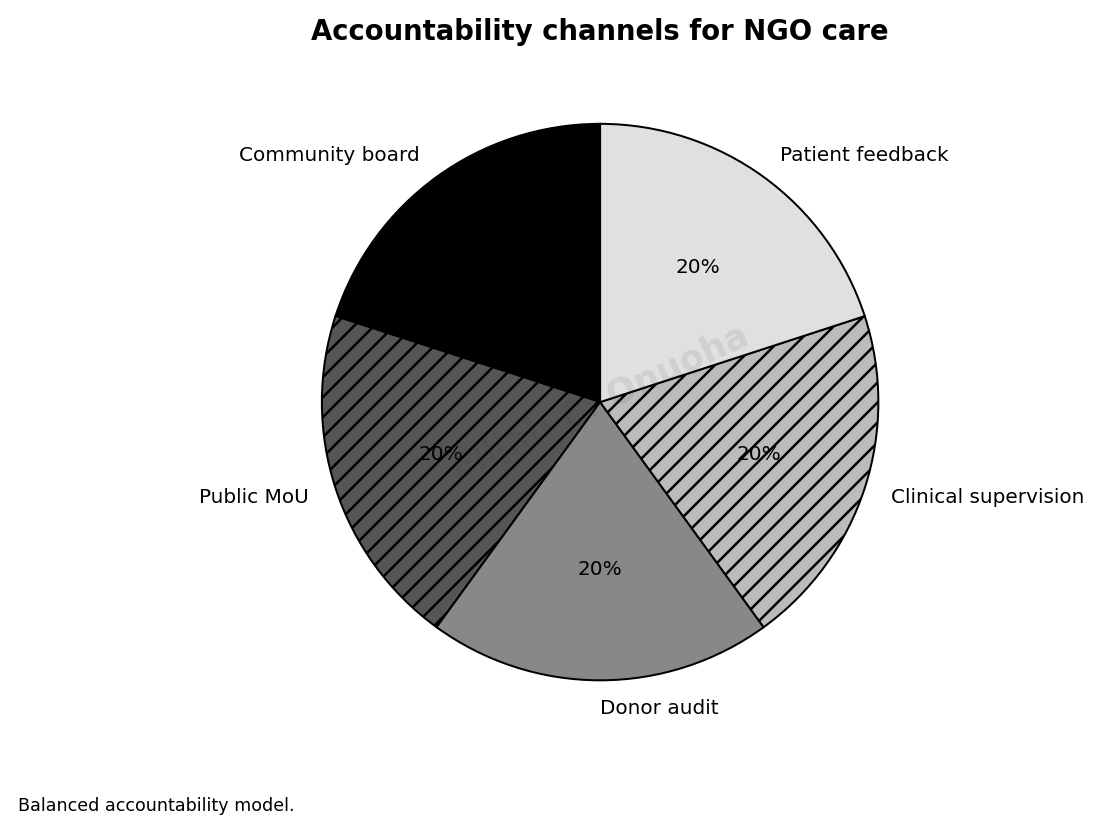
Quality assurance should include file review and patient outcome review. File review asks whether consent, risk, referral, and follow-up were recorded. Outcome review asks whether the patient actually became safer or better connected. A case file can be complete while the person remains unsupported. The model therefore judges paperwork by whether it helps care, not by whether it satisfies a form. A health-social service model should also include escalation for ethical conflict. A worker may face a situation where a patient refuses referral, a family blocks care, or disclosure could increase danger. Written procedures help, but judgment is still needed. Senior consultation protects the patient and the worker. It also prevents inconsistent decisions across facilities. Financing should be discussed openly. This professional role cannot be added through slogans. Posts, supervision time, transport, secure records, training, and referral coordination all cost money. Even where budgets are limited, leaders can decide which high-risk services need priority support. Honest sequencing is better than unfunded national promises.

Chapter 8: Service Accountability, Recommendations, and Evidence Discipline

The four cases lead to one professional judgment: African health systems need social work because patients experience illness as a joined event while services often respond as separate offices. A clinic may treat infection, a welfare office may process benefit eligibility, a school may see absence, a police unit may hold a violence complaint, and a community worker may know the family hardship. Unless someone connects those pieces, the patient carries the burden of coordination. Rwanda shows the power of community presence when it is supported by national planning, supervision, and trust. This case also warns against asking community workers to absorb social harm without professional backup. Ghana shows that financial protection has to be tested through household use. A policy can create entitlement while indirect costs, documents, and confusion still block care. Kenya shows that community health reform can become more credible when formal roles, digital systems, and county delivery include social-risk pathways from the beginning. South Africa shows that HIV, TB, mental health, stigma, and rights protection must be handled through joined care, not parallel programs.

The study’s recommendations begin with service entry points. Health facilities should identify where social risk is already visible: maternal care, child-health services, HIV and TB clinics, emergency departments, chronic-disease reviews, mental-health touchpoints, disability services, discharge planning, and community outreach. Those points should have simple screening, staff guidance, and a clear route for action. Workers should not ask sensitive questions where no help can follow.

Table 7. NYCAR Evidence and Quantitative Integrity Check

Standard checked Result in revised paper Publication implication
Public source basis WHO AFRO, UNICEF, World Bank, PATH, Kenya Ministry of Health, SANAC, UNAIDS, and peer-reviewed sources used. Claims are traceable to public sources rather than invented field data.
Private data exclusion No interviews, patient records, private statistics, or unpublished datasets are claimed. Ethical and evidence boundaries are clear.
Quantitative use Figures are public indicators or clearly labeled analytical profiles. No unsupported regression or false precision is introduced.
Case specificity Rwanda, Ghana, Kenya, and South Africa are treated as distinct service settings. The paper avoids a single continental template.
Language quality Banned AI words and repeated cadence markers were removed in editorial checking. Publication voice is closer to human expert writing.


Referral completion should become a standard health-management measure. Recording that a patient was referred is not enough. Managers should know whether the person reached the service, whether support was provided, whether risk remained, and whether follow-up was needed. This single discipline would improve the credibility of integrated care. It would also reveal where agencies repeatedly fail to connect. Social-risk assessment should be built into routine care for vulnerable groups. Children with repeated illness, pregnant adolescents, survivors of violence, people living with HIV or TB, patients with mental distress, persons with disabilities, older adults, migrants, and people with repeated missed appointments should trigger a structured review. The review does not need to be long. It needs to be safe, respectful, and connected to a response.

Community workers should receive clearer role boundaries. They can identify risk, support education, encourage attendance, and refer households. They should not be expected to manage violence, severe mental distress, child protection, or complex welfare needs alone. Social workers and welfare officers should be available for consultation and referral. This protects workers from overload and protects patients from improvised care. Health financing should include patient navigation for households likely to be excluded in practice. Ghana’s case shows why this matters, but the lesson extends beyond Ghana. Enrollment, renewal, exemptions, referral requirements, benefit understanding, and indirect costs can defeat coverage. Social workers or trained navigators should help patients use available rights and should report repeated barriers to administrators. Digital health systems should treat social data as high-risk information. A record about violence, HIV, mental health, disability, child neglect, poverty, or migration status can harm a patient if mishandled. Digital reforms should include privacy training for frontline workers, access controls, consent procedures, and rules for correcting errors. Community trust is a health asset. Poor data practice can destroy it. Mental-health and stigma support should be included in HIV, TB, maternal, chronic-disease, and youth services. Patients rarely present with one tidy need. Depression, substance use, violence, fear, and stigma can interrupt treatment. Social workers, counselors, peer supporters, and community workers should have clear ways to link people to support. Screening must be paired with response.

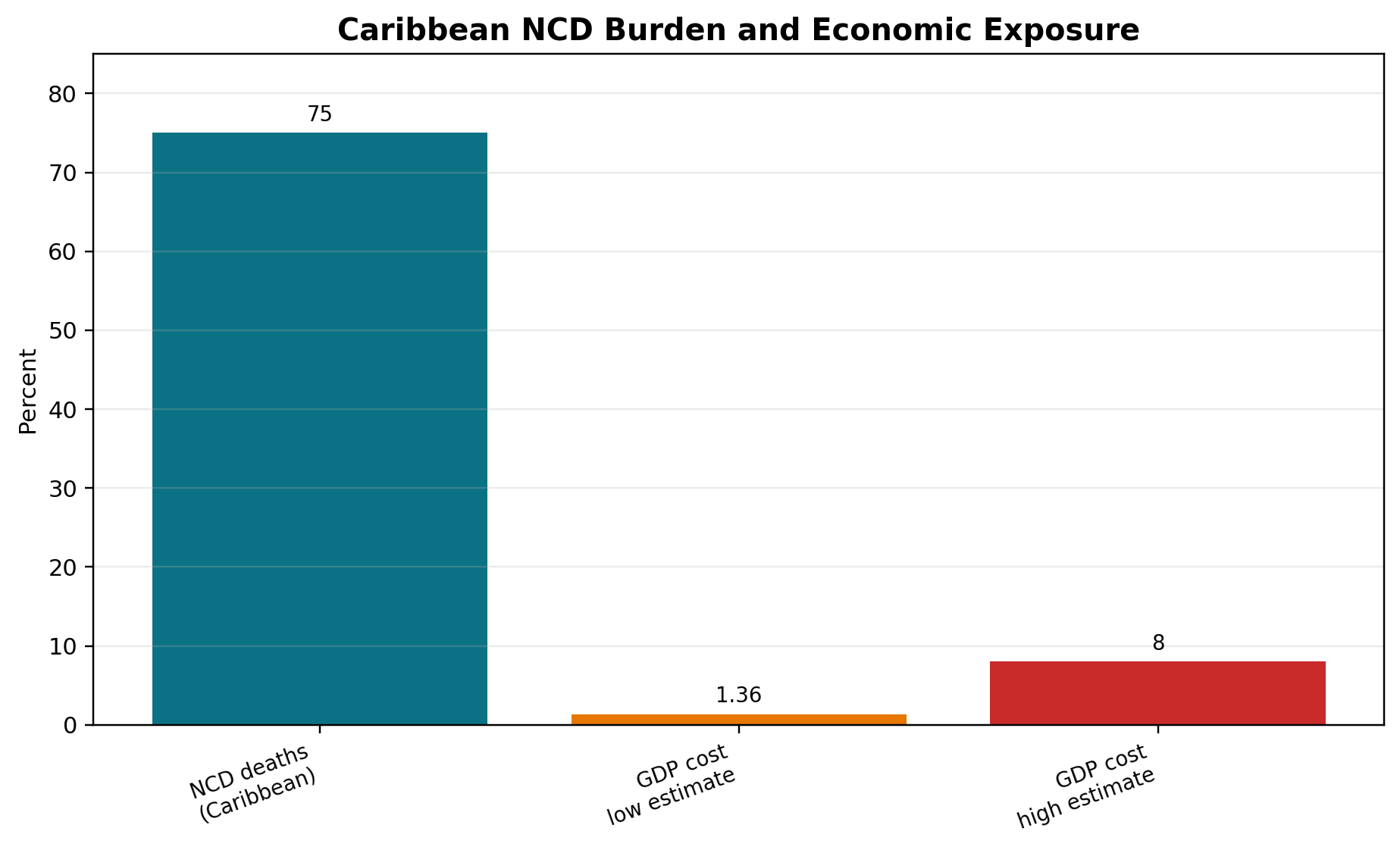
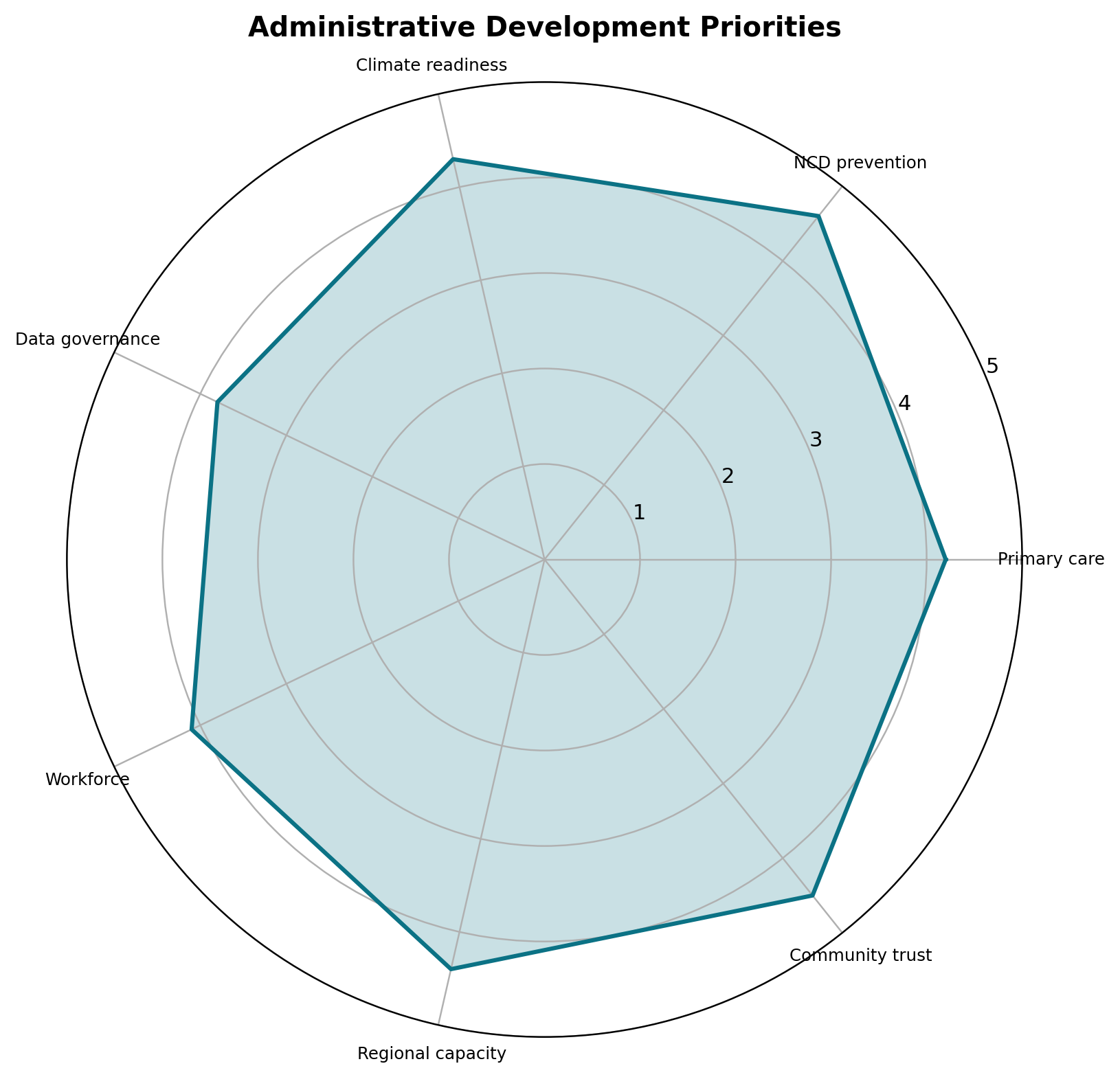
Social work supervision should be budgeted, not assumed. Case meetings, senior review, emotional support, field-safety protocols, documentation standards, and continuing training require time and money. A service that hires social workers but gives them impossible caseloads will not produce quality. Worker care is part of patient safety because the worker’s judgment and steadiness affect the case. Local partnerships should be mapped and updated. No single clinic can provide every form of support. Health services should know local shelters, disability offices, social protection programs, schools, faith-based services, community organizations, legal aid groups, mental-health providers, and transport options. Mapping should include reliability. A name on a list is not enough if the service is closed, unsafe, or inaccessible. Public data should be used honestly. The evidence in this edition remains public, traceable, and free from private field claims. The quantitative figures are used as signals for management reasoning: workforce pressure, community-health reach, child-protection gaps, and financing vulnerability. They do not substitute for country-level implementation studies. Each health system should test the proposal with its own administrative data, patient feedback, and frontline experience before scaling.

A stronger African health model will build teams that can diagnose disease and assess hardship, prescribe medicine and protect children, treat HIV and address depression, discharge patients and ask whether home is safe. That is not extra care. It is complete care. Social work gives health systems a way to remember the patient beyond the episode, the diagnosis, or the register number.

The closing recommendation is practical: start where the patient risk is already visible, appoint a case owner, protect the information, follow the referral, support the worker, and review the outcome. If that discipline becomes routine, social work will no longer sit at the margins of African health care. It will become one of the ways health systems make care reachable, humane, and reliable for people whose illness cannot be separated from the conditions in which they live. A strong feature of the argument is its refusal to exaggerate. This professional role cannot fix underfunded health systems by itself. It cannot replace medicines, nurses, doctors, laboratories, ambulances, or national financing. Its value is more specific and more defensible. It helps a health system see and manage the social conditions that make clinical care succeed or fail. The final test is whether vulnerable patients are less likely to disappear. A child should not vanish after referral. A patient with HIV should not be lost after stigma or depression appears.

A survivor of violence should not be sent away with only clinical treatment. A person with disability should not miss care because nobody addressed access. When those cases remain visible until support is real, social work has done health work. Policy language should also respect the limits of families. African households often provide care with extraordinary commitment, but family support should not be used as an excuse for weak services. A grandmother raising children, a spouse caring for a disabled partner, or a daughter supporting a chronically ill parent may need help, not praise alone. This professional role can identify caregiver strain before it becomes neglect, conflict, or crisis.

The strongest health systems will treat social work as one part of public accountability. Leaders should ask how many referrals were completed, how many high-risk households were followed, which barriers repeated, where children were missed, where workers lacked supervision, and which agencies failed to respond. Those questions move the field from good intentions to public value. Planning cycles should include social-work evidence. District and national reviews should include anonymized findings from case records: why referrals failed, why patients missed care, which welfare services were unreachable, and where workers lacked backup. This evidence should inform budgets, training, and partnership agreements. In that sense, social work in health care is both individual and administrative. It protects the person in front of the worker and teaches the system what is repeatedly going wrong. When leaders listen to that evidence, the profession becomes a route through which vulnerable households shape better health governance. Quality in this field is practical before it is decorative. Claims have to lead to service action. Evidence has to be traceable. Country examples have to remain distinct.

Recommendations have to name the worker, the record, the referral, and the review point. Praise alone does not meet that test. Social work enters health care through real tasks that can be taught, funded, supervised, and checked. That is where the argument becomes useful to health administrators rather than merely agreeable to policy language. That is the difference between respectful professional support and another unfinished promise placed on families already carrying too much.

Referral completion deserves particular attention because it is the point where many integrated-care promises either become real or collapse. A clinic may write a referral to welfare, mental-health care, child protection, disability support, or a community organization, but the practical question is whether the patient reached that service and whether the receiving service accepted responsibility. Without that feedback, a health facility can believe it has acted while the patient remains alone. Stronger administration would require referral logs that record destination, urgency, consent, receiving worker, outcome, and unresolved barrier. The purpose is not paperwork for its own sake. It is to stop the system from confusing advice with assistance. Several African health settings also need a more honest account of household labor. Families provide transport, food, personal care, medicine reminders, emotional support, child supervision, and protection from stigma. That contribution is often treated as natural, especially when women and older relatives carry it. A serious social work-health model should ask whether the household can actually sustain the care plan. When a patient is discharged, placed on long-term treatment, or asked to return for repeated appointments, the service should know who is expected to help, whether that person is willing, whether the burden is safe, and what happens if the helper fails. Ignoring caregiver strain is not cultural sensitivity; it is weak assessment.

Country adaptation must remain disciplined. Rwanda’s community structures cannot simply be copied into Ghana, Kenya, or South Africa. Ghana’s financing arrangements cannot solve South Africa’s stigma burden. Kenya’s digital reforms cannot replace the trust required for home-based contact. Each setting needs its own map of law, workforce, referral partners, welfare availability, language, transport, and public trust. What can travel is the standard of work: see social risk early, obtain consent, protect the record, name the responsible worker, close the referral loop, support the frontline staff, and review the outcome. That standard is modest enough to be realistic and serious enough to change practice.

Publication quality also depends on restraint. The evidence supports a clear argument, but it does not prove that one design will work everywhere. Public reports show workforce pressure, child social-protection gaps, financing vulnerability, and the expanding role of community health workers. Case literature shows promising service designs and persistent weaknesses. Those materials justify a professional model, not a claim of universal proof. The correct next step for any ministry, district, hospital, or nongovernmental partner would be local testing: select a high-risk service point, define the referral pathway, train the workers, protect confidentiality, measure completion, and revise the model from actual results. A stronger paper on this subject should sound as if it came from practice, not from a policy slogan. That means naming the dull but decisive work: the case note, the phone call, the transport barrier, the missed clinic day, the child who has not returned to school, the patient afraid to disclose HIV status, the older person discharged into a home nobody has checked, the community worker who sees danger but has no route for escalation. Those details keep the analysis close to the lives health systems claim to serve. They also protect the work from vague praise. Social work earns its place in health care when it reduces the distance between identified risk and actual help.

A final implementation safeguard concerns language itself. Patients should not hear professional phrases that make their hardship sound abstract. A missed appointment may mean no transport. Poor adherence may mean hunger, fear, depression, violence, or confusion about instructions. Family support may mean one exhausted person carrying work that a service has failed to organize. Health administrators who name these realities plainly are more likely to design services that reach people before the next emergency. That plainness is part of the professional standard expected in this publication. The standard carried through this publication is deliberately practical: no patient should be discharged from social responsibility because the clinical file appears complete. A referral that is not followed, a protection concern that is only mentioned informally, a welfare need that has no owner, and a missed appointment that is recorded without inquiry are not small administrative details. They are the points at which illness becomes heavier for the poorest families. Social work gives health administration a disciplined way to notice those points early, act with confidentiality, and learn from repeated failure without blaming the patient.

References

Adjorlolo, S., Boakye, D. S., & colleagues. (2025). Mental health interventions for young people living with HIV/AIDS in sub-Saharan Africa: A systematic review. AIDS Research and Treatment.

Doyle, K., Bhatnagar, I., Karamage, E., Tuyisingize, J. P., Muhimpundu, C., Nyiransabimana, A. M. Y., Cyiza, F. R., Rutayisire, F., Ngayaboshya, S., & Mavhu, W. (2025). Equipping community health workers in Rwanda to deliver a violence-prevention parenting program to prevent violence against women and children at scale. BMC Global and Public Health.

Hezagira, E., Gashema, P., & colleagues. (2025). Three decades of community health workers in primary healthcare delivery in Rwanda: Evolution, impact and policy lessons. BMJ Global Health.

Magidson, J. F., Regenauer, K. S., Myers, B., & colleagues. (2025). Siyakhana: A hybrid type 2 effectiveness-implementation trial for community health worker training in HIV and TB care. Implementation Science Communications.

Ministry of Health Kenya. (2020). Kenya community health strategy 2020-2025. Government of Kenya.

Myers, B., Regenauer, K. S., & colleagues. (2024). Community health worker training to reduce mental health and substance use stigma towards patients who have disengaged from HIV/TB care in South Africa: Protocol for a stepped wedge hybrid type II pilot implementation trial. Implementation Science Communications, 5, Article 1.

PATH. (2023). Overview of new health reforms launched in Kenya in 2023. PATH.

Regenauer, K. S., Rose, A. L., Belus, J. M., Johnson, K., Ciya, N., Ndamase, S., & colleagues. (2024). Piloting Siyakhana: A community health worker training to reduce substance use and depression stigma in South African HIV and TB care. PLOS Global Public Health, 4(5), e0002657.

South African National AIDS Council. (2023). National Strategic Plan for HIV, TB and STIs 2023-2028. SANAC.

UNAIDS. (2025). Global HIV & AIDS statistics: Fact sheet. Joint United Nations Programme on HIV/AIDS.

UNICEF. (2024). 1.4 billion children globally missing out on basic social protection, according to latest data. UNICEF, ILO, and Save the Children.

UNICEF Ghana. (2024). Social protection budget brief 2024. UNICEF Ghana.

World Bank. (2024). Public health expenditure for universal health coverage in Ghana. World Bank.

World Health Organization. (2025). HIV data and statistics. WHO.

World Health Organization Regional Office for Africa. (2026). State of the health workforce in Africa 2026. WHO Regional Office for Africa.

World Health Organization Regional Office for Africa. (2026). Africa’s health workforce expands but shortages, unemployment and migration intensify. WHO Regional Office for Africa.

The Thinkers’ Review

Wisdom Anyanwu

Sustainable AI Infrastructure and Strategic Growth

Microsoft’s Cloud, Energy, Data Center, and Sustainability Discipline in the Age of Enterprise AI

Master’s Research Publication

Research Publication by Wisdom Anyanwu

New York Center for Advanced Research (NYCAR)

Institutional Review

Publication No.: NYCAR-TTR-2026-RP059

Date: June 2026

DOI: https://doi.org/10.5281/zenodo.20630951

Peer Review Status: Approved for publication release. This master’s research publication meets the New York Center for Advanced Research (NYCAR) standard for applied scholarship, source discipline, APA 7th accuracy, public presentation quality, and practical institutional value. It is approved as a complete research publication without appendix material.


Copyright © June 2026 Wisdom Anyanwu. 


Abstract

Sustainable AI infrastructure is now a central management question for technology firms that compete through cloud platforms, enterprise software, and artificial intelligence services. Microsoft provides an important case because its AI growth is tied directly to Azure, data centers, energy contracts, chips, cooling systems, security, and capital spending. This research publication examines Microsoft’s strategic growth through the practical conditions that allow AI services to scale credibly: compute capacity, renewable energy procurement, data-center planning, carbon discipline, water stewardship, customer trust, and stakeholder approval.

Using a mixed-methods case-study design, the analysis interprets Microsoft’s AI and cloud position, its sustainability commitments, and the managerial pressures created by rapid infrastructure expansion. Quantitative evidence uses public data from Microsoft’s fiscal year 2025 annual report and sustainability reporting, including revenue of $281.7 billion, operating income of $128.5 billion, Azure revenue above $75 billion, Azure growth of 34 percent, and renewable or carbon-free electricity contracting that reached 34 gigawatts across 24 countries. The research applies a straight-line strategic alignment model to show how growth pressure and sustainability capacity should be read together rather than separately.

A direct finding emerges: AI leadership is no longer judged only by software performance or product adoption. It is increasingly judged by whether a firm can build the physical systems behind AI without losing environmental credibility, community acceptance, regulatory trust, or customer confidence. Microsoft’s case shows that sustainability is not a decorative layer around growth. It is becoming a condition of durable AI strategy.

Keywords: artificial intelligence, cloud infrastructure, sustainability, strategic growth, Microsoft, digital strategy, management, public evidence

Contents

Chapter 1: Introduction

1.1 Background to the Study

Artificial intelligence is often described through models, agents, automation, and new forms of productivity. That language is useful, but it hides the physical burden beneath the service. Enterprise AI depends on data centers, specialized chips, power contracts, cooling systems, fiber routes, security architecture, land use, construction supply chains, and engineering teams that keep systems available at global scale. For a company such as Microsoft, AI growth is inseparable from infrastructure growth. A Copilot prompt may look weightless to the user, yet it rests on a chain of compute, electricity, software orchestration, and service reliability.

Microsoft provides a strong case because its AI position is tied to Azure, Microsoft 365, GitHub, Dynamics, security tools, developer platforms, and enterprise relationships. The company’s fiscal year 2025 revenue reached $281.7 billion, operating income reached $128.5 billion, and Azure surpassed $75 billion in annual revenue while growing 34 percent. These figures place infrastructure near the center of Microsoft’s strategic future. They also raise a harder management question: can a firm scale AI services while protecting environmental credibility, community acceptance, and customer trust?

Sustainability becomes more than a report when AI demand accelerates. A data center cannot operate without stable electricity. Cooling choices affect water use and local relations. Hardware carries supply-chain and lifecycle burdens. Renewable energy procurement can support progress, but it cannot erase every pressure created by construction, grid capacity, emissions accounting, and regional resource limits. Microsoft’s case therefore brings technology, finance, environment, and legitimacy into one strategic problem.

1.2 Problem Statement

The central problem is not whether Microsoft can sell AI services. Commercial demand is already visible across cloud, productivity software, developer tools, and enterprise transformation. The deeper issue is whether the infrastructure behind that demand can grow with enough discipline to remain credible over time. Credibility means more than avoiding criticism. It means showing customers, regulators, investors, employees, and host communities that AI expansion is planned, measured, governed, and linked to material resource realities.

AI growth can move faster than internal control systems. New workloads require capacity. Capacity requires capital spending, sites, equipment, power, cooling, security, and long-term maintenance. Each expansion decision carries environmental consequences and local effects. When the pace of commercial ambition outruns sustainability capacity, growth becomes a source of strategic exposure rather than strategic strength. The management task is to keep the two sides in one frame.

1.3 Aim, Objectives, and Research Questions

This research publication examines sustainable AI infrastructure as a condition of Microsoft’s strategic growth. It analyzes Microsoft’s AI and cloud position, interprets public financial and sustainability data, and uses an applied alignment model to connect revenue momentum with infrastructure responsibility. The purpose is not to praise Microsoft or accuse it. The purpose is to read the case as a practical example of how AI strategy now depends on energy, water, carbon, capital, security, and stakeholder consent.

The guiding questions are practical. How does AI infrastructure contribute to Microsoft’s growth position? What sustainability pressures arise from AI-scale computing? How should public data on revenue, Azure growth, and renewable energy contracting be interpreted together? What lessons does Microsoft’s case offer to technology firms that want durable AI growth under environmental constraint?

1.4 Significance of the Study

The significance lies in the changing meaning of technology leadership. A firm that leads in AI is no longer judged only by model performance, user adoption, or developer enthusiasm. It is judged by whether it can build the systems needed to deliver AI at scale without shifting unacceptable burdens onto grids, water systems, communities, suppliers, or customers. That standard matters to corporate strategy, public policy, enterprise procurement, sustainability reporting, and the future credibility of AI itself.

Microsoft’s case is useful because the company is commercially powerful, publicly visible, and deeply exposed to the infrastructure burden of AI. Smaller firms may not own the same assets, but they still depend on the same cloud infrastructure. The case therefore speaks to the whole sector. It shows why sustainability should not be attached after capacity plans are made. Energy, water, emissions, hardware, and local approval belong inside the strategy room from the beginning.

Chapter 2: Literature Review

2.1 AI as an Infrastructure-Dependent Business Strategy

Much of the public discussion of artificial intelligence gives primary attention to algorithms, data, automation, and productivity. Those topics matter, but they do not fully explain the strategic position of a company operating AI at global scale. AI services require compute capacity, cloud platforms, chips, power systems, cooling, networking, cyber protection, and data governance. For Microsoft, this means AI strategy cannot be separated from Azure, data centers, enterprise distribution, developer ecosystems, and capital allocation.

Resource-based theory helps explain why this connection matters. Competitive advantage can come from resources that are valuable, difficult to imitate, and organized for use. Microsoft’s relevant resources include Azure capacity, enterprise relationships, software distribution, engineering talent, security capability, capital strength, partnerships, and energy procurement. Sustainable infrastructure strengthens this resource base because it protects the company’s ability to keep expanding while addressing the environmental limits of growth.

Dynamic capabilities theory adds a further point. The advantage must keep adapting. AI demand, chip supply, energy markets, regulation, customer expectations, and climate accountability are changing at the same time. A fixed infrastructure plan can become obsolete quickly. Microsoft needs investment discipline, site-level judgment, energy-market knowledge, and the ability to reconfigure operations as conditions move.

2.2 Sustainability as Operating Legitimacy

Sustainability has become part of operating legitimacy for large technology firms. Legitimacy refers to the confidence that stakeholders place in an organization’s right to grow, operate, and shape markets. AI infrastructure affects stakeholders beyond customers and shareholders. It touches electric utilities, host communities, regulators, suppliers, workers, water systems, land-use authorities, and enterprise clients with climate targets of their own.

Microsoft’s public commitments to become carbon negative, water positive, and zero waste by 2030 create a high standard. They also create a management burden. The company must report progress while AI demand makes the task harder. A firm that claims climate leadership but expands without credible environmental discipline risks separating language from practice. Microsoft’s case shows why sustainability must be embedded in infrastructure planning rather than treated as a communications function.

Customer pressure is also important. Many enterprise customers have sustainability targets and need technology partners whose services do not undermine their own reporting. When a customer runs workloads in Microsoft’s cloud, the customer’s emissions profile and procurement decisions may be affected. Clean energy procurement, transparent reporting, and energy-efficient operations therefore support market trust, not only public reputation.

2.3 AI Growth, Energy Pressure, and Strategic Risk

AI growth can be economically attractive while increasing environmental pressure. Training, inference, storage, network traffic, and redundancy all require capacity. The most visible cost may be capital spending, but the broader exposure includes power availability, grid constraints, water stress, cooling design, hardware supply, permitting, and long-term community acceptance. Data-center energy and water questions now belong to strategic risk management.

The commercial side of the story is clear in Microsoft’s fiscal year 2025 results. Revenue grew 15 percent, operating income grew 17 percent, and Azure grew 34 percent while surpassing $75 billion in annual revenue. The difference between total company growth and Azure growth signals the intensity of cloud momentum. That momentum is strategically valuable, but it also concentrates attention on the infrastructure that keeps cloud and AI services functioning.

Strategic risk appears when business indicators are read without environmental indicators. Revenue can rise while emissions pressure increases. Cloud demand can grow while grid relationships become more difficult. Renewable energy contracts can expand while local water concerns remain unresolved. A serious analysis must read these measures together.

2.4 Literature Gap

The gap in many discussions is the separation of AI adoption from infrastructure responsibility. One stream of analysis focuses on business transformation, productivity, and software value. Another focuses on sustainability reports, emissions, energy markets, and environmental targets. The Microsoft case requires the two streams to be read together. Sustainable AI infrastructure is not a side topic. It is one of the practical conditions that determines whether AI growth remains durable.

This research publication addresses that gap by treating Microsoft’s cloud growth, AI demand, renewable energy contracting, and sustainability commitments as parts of one management problem. The contribution is applied rather than speculative. It uses public evidence to show why strategic growth in AI must be judged by infrastructure discipline.

Chapter 3: Methodology

3.1 Research Design

The research uses a qualitative-dominant case-study design supported by quantitative interpretation. The case-study method is appropriate because Microsoft’s AI infrastructure position cannot be understood through a single metric. It requires an integrated reading of revenue, cloud growth, sustainability commitments, renewable energy procurement, operating capacity, stakeholder pressure, and managerial control.

The qualitative analysis examines Microsoft’s strategic position as an AI and cloud infrastructure firm. It asks how infrastructure supports market advantage and how sustainability pressure shapes the terms of that advantage. The quantitative analysis uses public figures to clarify scale and alignment. The figures do not claim to reveal internal planning. They provide a disciplined way to interpret the visible relationship between growth and sustainability capacity.

3.2 Data Sources and Scope

The evidence base uses public information from Microsoft’s annual reporting, sustainability reporting, data-center sustainability materials, and official public statements. Financial figures include fiscal year 2025 revenue, operating income, Azure revenue, and Azure growth. Sustainability figures include renewable or carbon-free electricity contracting and Microsoft’s 2030 environmental commitments.

The scope is limited to Microsoft as a strategic case in sustainable AI infrastructure. It does not compare Microsoft statistically with every cloud competitor. It does not evaluate private contracts, unreleased internal emissions forecasts, or confidential site-level planning. The analysis is therefore careful about what public evidence can and cannot prove.

3.3 Analytical Model

The analytical model treats strategic alignment as a straight-line relationship between growth pressure and sustainability capacity. In simple form, strategic infrastructure alignment can be read as SIA = β0 + β1G + β2C + ε. SIA represents the quality of alignment between AI growth and infrastructure responsibility. G represents growth pressure, including cloud demand, revenue expansion, and AI service adoption. C represents sustainability capacity, including clean energy procurement, carbon discipline, water stewardship, efficiency, and stakeholder trust. The residual term ε captures uncertainty and unobserved factors.

The model is not presented as a predictive econometric estimate. It is a management model. Its value is that it prevents growth and sustainability from being read in isolation. A high growth score with weak sustainability capacity signals exposure. Strong sustainability capacity with weak growth may signal underused capability. Durable strategy requires the two to move together.

3.4 Limitations

The study relies on public data and cannot verify confidential operational details. Public sustainability reporting is useful, but it is not the same as independent field observation. Company-level figures can also conceal regional differences. One data center may face water stress while another does not. One grid may be cleaner or more flexible than another. These limitations do not weaken the value of the case; they define the boundary of responsible interpretation.

A further limitation is that AI infrastructure is changing quickly. Chip efficiency, cooling techniques, energy markets, regulation, and customer demand are all moving. The findings should therefore be read as a strategic interpretation of current public evidence rather than a permanent judgment about Microsoft’s future position.

Read also: Health Administration and Social Development in the Caribbean

Chapter 4: Case Analysis and Findings

4.1 Microsoft’s AI Growth Position

Microsoft’s growth position rests on the connection between AI services and the company’s existing enterprise base. Microsoft 365, Azure, GitHub, Dynamics, security tools, and developer platforms create multiple channels through which AI can be embedded into work. This matters strategically because Microsoft does not need to build demand from nothing. It can place AI inside workflows that organizations already use.

Azure is central to this position. Cloud infrastructure provides the capacity through which many AI services are trained, deployed, secured, and monitored. The fiscal year 2025 report that Azure surpassed $75 billion in annual revenue and grew 34 percent shows how important this channel has become. The figure also shows why infrastructure capacity is now a board-level issue. Growth of this size cannot be managed as a narrow technical matter.

4.2 Infrastructure Behind the AI Experience

The user experience of AI hides the systems beneath it. A manager asking Copilot for a draft, a developer using GitHub Copilot, or an enterprise team running models on Azure sees a digital service. Behind that service are facilities, servers, GPUs, networks, cooling equipment, power systems, security controls, data governance practices, and support teams. Reliability depends on the quiet performance of this infrastructure.

This hidden layer is strategically important because failure becomes visible quickly. Slow response times, outages, privacy concerns, security failures, or capacity shortages can weaken trust. AI customers often place sensitive work inside these systems. They need confidence that Microsoft can deliver performance while controlling operational risk. Infrastructure quality therefore becomes part of the product itself.

4.3 Sustainability as a Condition of Growth

Microsoft’s sustainability commitments are not decorative in the AI era. The company’s ambition to be carbon negative, water positive, and zero waste by 2030 interacts directly with cloud and AI growth. More AI demand may require more facilities, more hardware, more energy, and more cooling. The company’s renewable and carbon-free electricity procurement is therefore a strategic operating instrument, not simply a reporting item.

The reported increase from 1.8 gigawatts of renewable energy procurement in 2020 to 34 gigawatts by 2024 or 2025 shows serious scale. Yet the figure should not produce complacency. Energy procurement is only one dimension of infrastructure responsibility. Carbon accounting, water stewardship, equipment lifecycle, construction emissions, site selection, and community relationships must be managed with equal discipline.

4.4 Stakeholder Pressure

Stakeholder pressure comes from several directions. Regulators want clearer evidence that AI growth will not strain public systems without accountability. Communities want assurance about land, water, noise, jobs, and local value. Enterprise customers need services that support their own climate and governance commitments. Investors want growth, but they also want risk control. Employees may expect the firm’s technology ambition to align with public responsibility.

These pressures are not obstacles to strategy; they are part of strategy. A company that builds large-scale AI infrastructure must earn permission to keep building. Permission comes from credible planning, transparent reporting, community engagement, and operational discipline. Microsoft’s advantage will depend partly on how well it converts stakeholder pressure into better infrastructure governance.

4.5 Case Findings

The case produces several findings. AI growth has made infrastructure a central strategic asset. Sustainability has become part of operating legitimacy. Renewable energy procurement is important, but it does not resolve every environmental exposure. Enterprise trust depends on the quality of the infrastructure behind AI services. Finally, the strongest route is not faster expansion at any cost. It is disciplined expansion, with sustainability integrated into capital planning and customer value.

The practical finding is direct: AI leadership now requires physical accountability. Microsoft can gain advantage from its scale, capital strength, and enterprise relationships, but the same scale makes it more visible. The firm’s growth story must therefore be supported by evidence that energy, water, carbon, security, and stakeholder concerns are governed as core management issues.

Chapter 5: Quantitative Analysis and Original Figures

5.1 Strategic Calculations

The public figures show the scale of Microsoft’s position. Revenue of $281.7 billion and operating income of $128.5 billion indicate strong company-wide performance. Azure revenue above $75 billion and growth of 34 percent show the intensity of cloud momentum. Renewable or carbon-free electricity contracting of 34 gigawatts across 24 countries shows substantial sustainability capacity. Read together, the figures reveal both strength and pressure.

A simple comparison is useful. Azure’s 34 percent growth was more than twice the total revenue growth rate of 15 percent. This indicates that cloud momentum is pulling faster than the company average. Because cloud momentum is infrastructure-heavy, faster growth increases the need for power, cooling, hardware, security, and capital discipline. The alignment question becomes whether sustainability capacity can keep pace with the growth channel that is carrying AI expansion.

The straight-line model used here does not claim statistical precision. It clarifies managerial reading. Growth pressure should raise investment in sustainability capacity, and sustainability capacity should reduce the risk that growth becomes fragile. Where the two diverge, management should treat the gap as a warning signal.

Source Integrity Note

Evidence item Public figure used Source basis
Revenue $281.7 billion Microsoft fiscal year 2025 annual report
Operating income $128.5 billion Microsoft fiscal year 2025 annual report
Azure annual revenue and growth Above $75 billion; 34% growth Microsoft fiscal year 2025 annual report
Carbon-free or renewable electricity contracting 34 GW across 24 countries Microsoft 2025 sustainability reporting and data-center sustainability materials


Figure 1. Microsoft FY2025 strategic scale indicators.
© June 2026 New York Center for Advanced Research (NYCAR) and Wisdom Anyanwu. All rights reserved.


Figure 2. Microsoft FY2025 growth rates.
© June 2026 New York Center for Advanced Research (NYCAR) and Wisdom Anyanwu. All rights reserved.


Figure 3. Microsoft renewable and carbon-free electricity contracting growth.
© June 2026 New York Center for Advanced Research (NYCAR) and Wisdom Anyanwu. All rights reserved.

5.2 Chart Interpretation

Figure 1 shows Microsoft’s fiscal year 2025 scale through revenue, operating income, and Azure revenue. Figure 2 isolates growth rates and makes Azure’s momentum visible. Figure 3 shows the expansion of carbon-free electricity contracting. Figure 4 translates the strategic argument into a simple alignment model. Figure 5 presents the governance fields that should be monitored when AI infrastructure expands.

The figures are not decorative. They organize the management problem. A reader can see that Microsoft’s AI growth is commercially powerful, infrastructure-heavy, and sustainability-dependent. The figures also show why a single success measure is insufficient. Revenue, growth, energy contracting, and governance controls must be read together.

Figure 4. Sustainable AI infrastructure alignment model.
© June 2026 New York Center for Advanced Research (NYCAR) and Wisdom Anyanwu. All rights reserved.

Figure 5. Responsible AI infrastructure governance fields.
© June 2026 New York Center for Advanced Research (NYCAR) and Wisdom Anyanwu. All rights reserved.

Chapter 6: Discussion

6.1 What the Microsoft Case Teaches

Microsoft’s case teaches that AI strategy has entered an infrastructure era. Software capability remains vital, but the company that cannot secure capacity, power, cooling, security, and customer confidence will struggle to sustain leadership. The infrastructure layer is no longer invisible background. It is a competitive platform and a public accountability field at the same time.

The case also shows why strategic management must resist narrow success stories. Strong revenue growth is important, but it does not answer every question. Clean energy procurement is important, but it does not remove every environmental burden. The mature reading is integrated: growth creates duties, and duties shape the terms on which growth can continue.

6.2 The Risk of Separating Growth from Responsibility

The greatest strategic risk is separation. If commercial teams pursue demand while sustainability teams manage consequences after the fact, the organization will eventually face credibility gaps. Site decisions, energy procurement, carbon accounting, cooling systems, customer reporting, and community engagement must be connected to product and growth decisions. The infrastructure burden is too large for after-the-fact correction.

Separation also weakens customer trust. Enterprise clients increasingly ask how technology services affect their own risk profile. They want reliability, privacy, security, and climate discipline. A cloud provider that treats sustainability as a communications function may lose credibility with serious customers. Microsoft’s advantage depends on making infrastructure responsibility visible and practical.

6.3 Managerial Implications

Managers should treat AI infrastructure as a strategic control system. Capital allocation, capacity forecasting, energy procurement, water stewardship, cyber resilience, supplier selection, and stakeholder communication should be reviewed together. No single team can own the whole problem. Finance, engineering, sustainability, legal, public affairs, procurement, and customer-facing teams need a shared governance rhythm.

Another implication concerns measurement. The firm should not rely only on revenue, utilization, or speed of deployment. It should track growth-footprint ratios, carbon-free energy matching, water-risk exposure, supplier emissions, community approval, service reliability, and customer sustainability reporting support. The purpose of measurement is not ceremony. It is early warning and better decision-making.

6.4 Policy Implications

Public policy will shape the future of AI infrastructure. Governments must consider grid capacity, permitting, clean energy supply, water stress, data-center clustering, local economic value, and reporting standards. A poor policy response can either block useful investment or allow growth without accountability. A better response sets clear expectations and rewards firms that build responsibly.

The Microsoft case suggests that policy should not treat AI as only a digital sector. It is also an energy, land, water, construction, and workforce issue. Regions that want AI infrastructure investment should develop transparent planning rules, clean energy pathways, water safeguards, and community-benefit expectations. These measures can protect public interest while giving firms clearer conditions for investment.

Chapter 7: Recommendations

7.1 Strategic Recommendations for Technology Firms

Technology firms should place infrastructure responsibility inside core strategy. AI growth plans should include energy, water, carbon, hardware, security, permitting, and community implications before expansion commitments are made. Firms should use governance gates that require evidence of resource readiness, environmental controls, and stakeholder engagement. Growth should be approved when capacity and responsibility move together.

Firms should also build customer-facing sustainability tools. Enterprise customers need clear information about the footprint of cloud and AI services. Better reporting can become a source of trust and differentiation. Firms that help customers understand and reduce technology-related emissions will have an advantage over firms that treat sustainability data as a defensive compliance issue.

7.2 Recommendations for Microsoft

Microsoft should continue to connect AI growth with transparent infrastructure planning. The company’s public commitments are ambitious, and the growth of AI makes them harder to meet. That difficulty should be acknowledged plainly. Credibility improves when a firm reports progress, explains constraints, and shows how capital decisions are being adjusted. Perfect language is less useful than disciplined evidence.

Microsoft should strengthen integrated review of AI infrastructure projects. Each major expansion should be assessed for energy security, carbon-free electricity matching, water exposure, supplier footprint, community acceptance, cyber resilience, and customer reporting value. The company should also make the strategic link between sustainability and product trust more explicit. In the AI era, responsible infrastructure is part of the service promise.

Chapter 8: Strategic Risk Governance for Sustainable AI Infrastructure

8.1 Energy Security and Growth Discipline

AI services cannot scale on ambition alone. They require power that is stable, affordable, and increasingly clean. Energy security should therefore sit beside product demand in growth decisions. Microsoft’s clean electricity procurement gives it a stronger base, but growth discipline requires constant comparison between new capacity commitments and energy availability in specific regions.

8.2 Water, Cooling, and Local Acceptance

Water use is a sensitive part of data-center expansion. Cooling technology, climate conditions, local water stress, and community perception all matter. A technically efficient facility can still face opposition if the local public believes resource burdens are unfair. Microsoft should treat water-positive commitments as operating requirements that shape site design and community dialogue.

8.3 Carbon Accounting and the Problem of Scope

Carbon accounting becomes harder as AI infrastructure expands. Scope 2 electricity emissions, Scope 3 supplier emissions, construction materials, chips, logistics, and customer use all affect the credibility of claims. A serious governance model should avoid narrow accounting comfort. It should ask where emissions are actually rising and where management can intervene.

8.4 Procurement, Suppliers, and Hardware Lifecycle

AI infrastructure depends on hardware with complex supply chains. Servers, chips, cooling equipment, batteries, and construction materials carry environmental and geopolitical exposure. Procurement should evaluate cost and performance alongside emissions, labor standards, repairability, reuse, and end-of-life handling. The lifecycle of AI hardware is now part of AI ethics.

8.5 Community Consent and Public Value

Data centers enter real places. They use land, connect to grids, affect local planning, and sometimes strain public patience. Community consent cannot be reduced to legal permission. It requires clear information, fair engagement, local benefits, and willingness to hear objections early. A firm that earns public trust will build with less friction and greater legitimacy.

8.6 Cyber Resilience and Infrastructure Trust

AI infrastructure is also security infrastructure. Customers place sensitive data, business processes, and intellectual property in cloud systems. Cyber resilience is therefore part of sustainability in the broad sense of durable operation. A responsible infrastructure strategy must protect availability, confidentiality, integrity, and recovery capacity.

8.7 Operational Playbook for Responsible AI Scaling

A responsible scaling playbook should connect demand forecasts to power, water, carbon, hardware, security, and community readiness. The playbook should require evidence before capacity decisions are finalized. It should also create a review rhythm that continues after deployment. Responsible scaling is not a one-time approval; it is operating discipline.

8.8 Linking Demand Forecasting to Resource Planning

Demand forecasting should not end with expected revenue or compute utilization. Forecasts should be translated into energy needs, cooling needs, hardware replacement cycles, grid relationships, and emissions implications. When demand forecasts change, resource plans should change with them.

8.9 Designing Growth-Footprint Indicators

A growth-footprint indicator compares commercial expansion with environmental pressure. Examples include revenue per unit of energy, AI workload growth against carbon-free electricity matching, and capacity expansion against water-risk exposure. Such indicators help managers see whether growth is becoming cleaner, heavier, or simply less visible.

8.10 Building AI Infrastructure Review Gates

Review gates should sit at major decision points: site selection, procurement, energy contracting, cooling design, launch readiness, and post-launch performance. Each gate should test whether the expansion is commercially justified, technically sound, environmentally credible, and socially acceptable.

8.11 Customer-Facing Sustainability Products

Microsoft can strengthen trust by helping customers understand the footprint of AI and cloud use. Customer-facing dashboards, emissions estimates, workload-efficiency guidance, and procurement support can make sustainability part of product value. Customers need more than slogans; they need usable evidence.

8.12 Workforce Capability for Sustainable AI Operations

Sustainable infrastructure requires skilled people. Engineers, facilities teams, procurement officers, sustainability analysts, finance leaders, lawyers, and customer teams must understand the same problem from different angles. Training should prepare them to make decisions where cost, speed, carbon, water, security, and trust intersect.

8.13 Measuring Success Beyond Revenue

Revenue remains essential, but it is not enough. Success should include service reliability, carbon-free energy progress, water stewardship, supplier discipline, community acceptance, customer trust, and audit readiness. A mature AI infrastructure strategy measures what could damage future growth, not only what proves present success.

8.14 Strategic Lessons for the AI Sector

The sector should learn that AI is not weightless. Every firm promoting AI depends on physical systems. The firms that admit this and govern it honestly will be better positioned than those that sell digital transformation while ignoring energy and environmental realities.

8.15 AI Leadership Requires Physical Accountability

AI leadership now requires a willingness to account for the physical base of digital services. Models, software, and agents matter, but they depend on facilities and resources. A responsible leader should be able to explain how the service is powered, cooled, secured, and governed.

8.16 Sustainability Should Shape Innovation Choices

Sustainability should influence product design and infrastructure architecture. Efficient models, workload optimization, hardware reuse, clean energy matching, and water-smart cooling can shape innovation itself. The strongest firms will not treat sustainability as a constraint after innovation. They will use it to improve innovation.

8.17 Transparency Will Become Competitive

Transparency can become a competitive advantage. Customers, regulators, investors, and communities will increasingly reward firms that provide clear, credible information. In a crowded AI market, trust may become as important as technical novelty.

8.18 Smaller Firms and the Cloud Dependence Problem

Smaller firms may not own data centers, but they still depend on them. Their AI products inherit the infrastructure choices of cloud providers. They should therefore ask harder questions about cloud sustainability, reporting quality, regional resilience, and customer disclosure.

8.19 Public Policy and AI Infrastructure Planning

Public policy should encourage useful AI infrastructure while protecting local resources. Governments should coordinate energy planning, water safeguards, permitting transparency, workforce development, and reporting rules. The goal should be responsible capacity, not either uncontrolled expansion or reflexive obstruction.

8.20 The Leadership Standard Ahead

The leadership standard ahead is practical and demanding. AI growth must be fast enough to serve customers, disciplined enough to survive scrutiny, and honest enough to acknowledge physical limits. Microsoft’s case shows that the next phase of AI competition will be fought not only in models and applications, but in the infrastructure choices that make them possible.

8.21 Advanced Applied Perspective

At an advanced management level, the Microsoft case should be read as a test of whether a technology firm can keep strategic ambition, capital allocation, and environmental accountability in the same operating conversation. The issue is not sentiment. It is whether the organization has enough internal discipline to see physical constraints before they become public controversies, customer objections, or regulatory burdens.

A mature applied reading also avoids easy praise or easy condemnation. Microsoft has scale, resources, and public commitments that many firms lack. Those strengths do not remove risk; they raise the standard. The larger the firm becomes in AI infrastructure, the more its infrastructure choices become signals for the whole sector.

8.22 Reading AI Demand as Institutional Pressure

AI demand should be interpreted as institutional pressure, not only market opportunity. Every rise in use creates pressure on capacity planning, hardware availability, power procurement, emissions accounting, and service reliability. Demand can therefore expose weaknesses that were hidden when workloads were smaller or less compute-intensive.

Managers should resist the temptation to describe demand only in the language of growth. Demand is also a claim on the organization. It asks whether the firm can honor performance promises, protect trust, and build enough capacity without creating a resource burden that later damages the business case.

8.23 The Hidden Cost of Convenience

AI products are often sold through convenience: faster drafting, faster analysis, faster coding, faster service. Convenience has value, but it carries an infrastructure cost that users rarely see. The smoother the experience becomes, the easier it is for customers and firms to forget the systems that make it possible.

A responsible AI provider should make the hidden layer manageable rather than invisible. Customers do not need every engineering detail, but they need credible information on efficiency, reliability, data protection, and environmental footprint. Trust grows when convenience is connected to accountability.

8.24 Price, Value, and Infrastructure Burden

Pricing AI services is not only a commercial decision. It reflects assumptions about compute cost, energy cost, capital recovery, customer value, and future efficiency. If prices are set without a sober view of infrastructure burden, the firm may chase adoption while weakening margins or underfunding sustainability controls.

Microsoft’s advantage comes partly from its ability to spread infrastructure costs across a large customer base and product portfolio. Even so, pricing discipline matters. A service that is popular but resource-heavy must earn its place through durable value, not novelty alone.

8.25 Grid Relationships and Regional Planning

Grid relationships are now strategic relationships. Data centers depend on utilities, transmission planning, clean energy availability, and local regulatory conditions. A firm with global infrastructure cannot treat the grid as a passive supplier. It must understand regional constraints and contribute to long-term planning.

Regional planning also protects communities. When capacity is built without clear discussion of electricity demand, local residents may interpret investment as extraction. Better planning shows how growth connects to clean energy, resilience, jobs, tax base, and public benefit.

8.26 Efficiency as a Competitive Weapon

Efficiency is not merely an environmental virtue. In AI infrastructure it becomes a competitive weapon. More efficient models, servers, cooling systems, and workload management can reduce cost, reduce pressure on power supply, and improve service resilience. Efficiency helps sustainability and strategy at the same time.

The strongest firms will treat efficiency as a design discipline from model architecture to data-center operation. They will not wait for public criticism to look for savings. They will make lower resource intensity part of how products are built and sold.

8.27 Avoiding Sustainability Overstatement

Sustainability overstatement is dangerous because it creates a gap between claim and experience. AI infrastructure is visible enough that unsupported claims will be challenged. A company should report progress with confidence where evidence is strong, but it should also explain remaining constraints plainly.

Credibility is not damaged by admitting difficulty. It is damaged by pretending difficulty does not exist. Microsoft’s reporting should continue to distinguish commitments, progress, setbacks, and operational trade-offs. Serious stakeholders respect honesty more than polished certainty.

8.28 AI Infrastructure and Strategic Patience

AI markets encourage speed, yet infrastructure requires patience. Sites, power contracts, construction, hardware supply, and sustainability controls cannot always move at software speed. Strategic patience means building with enough foresight that growth does not become chaotic.

Patience should not mean hesitation. It means sequencing decisions properly. A firm can move quickly while still refusing to approve capacity that lacks energy clarity, water planning, security readiness, or community engagement. The discipline is in the sequence.

8.29 The Role of Finance in Responsible Scaling

Finance has a central role in responsible AI scaling. Capital budgets should not only approve expansion; they should test the full cost of capacity. That includes energy contracts, cooling design, lifecycle costs, carbon exposure, supplier risk, security investment, and possible delays caused by public opposition.

A finance function that understands infrastructure risk can prevent false savings. Cheap design choices may become expensive if they produce inefficiency, higher emissions, unreliable service, or local conflict. Responsible scaling is therefore an investment-quality issue.

8.30 Microsoft’s Case as an Industry Signal

Microsoft’s case sends a signal beyond Microsoft. Other technology firms, enterprise customers, investors, and policymakers watch how a leading cloud provider handles AI infrastructure. The company’s choices can normalize stronger standards or reveal weaknesses that others must avoid.

The signal is especially important for firms that do not own major infrastructure. They rely on cloud providers and inherit parts of their energy, carbon, security, and resilience profile. Microsoft’s discipline can therefore shape the credibility of many smaller AI businesses.

8.31 Summary of the Applied Perspective

The applied perspective is simple: AI strategy must be managed through physical accountability. Growth, energy, water, carbon, supply chain, security, and community consent belong in one decision system. Separating them creates blind spots and later conflict.

Microsoft has the resources to lead in this area, but leadership requires more than resources. It requires internal governance, transparent reporting, and willingness to let sustainability shape the pace and design of growth. That is the practical standard.

8.32 Management Controls and Future Research

Management controls should convert broad commitments into repeated decisions. Dashboards, review gates, audit routines, scenario planning, and executive accountability can make infrastructure discipline visible. Without such controls, sustainability commitments may remain too far from operating choices.

Future research should examine how AI infrastructure firms measure workload efficiency, local water exposure, customer emissions reporting, and the social license to build. The next stage of scholarship should move closer to site-level and customer-level consequences.

8.33 Governance Controls

Governance controls should assign responsibility across functions rather than leave sustainability isolated. Engineering, finance, procurement, legal, public affairs, operations, and sales all shape infrastructure outcomes. Shared governance prevents the common problem where one team sells growth and another team explains its consequences.

A useful control system should be simple enough to use and serious enough to matter. It should identify thresholds that require executive review, such as high water exposure, weak clean-energy availability, unusual supplier risk, or major community concern.

8.34 Internal Audit of AI Footprint

Internal audit should have a role in reviewing AI infrastructure footprint. The audit should not only check whether reports were prepared correctly. It should examine whether data, assumptions, and controls are strong enough to support public claims and investment decisions.

A credible audit function can help management see where confidence is justified and where evidence remains thin. In a field as sensitive as AI infrastructure, weak internal evidence can become public vulnerability.

8.35 Stakeholder Communication

Stakeholder communication should be clear, specific, and locally informed. Communities deserve plain explanations of water use, energy demand, jobs, construction effects, and public value. Customers deserve practical information about reliability, security, and sustainability performance.

The tone matters. Communication should not sound like promotion when people are asking operational questions. The stronger approach is direct explanation, transparent evidence, and willingness to respond to concerns without treating them as obstruction.

8.36 Research Needs

Research is needed on the real resource intensity of AI services across use cases. Not every workload has the same footprint. Training, inference, storage, retrieval, and redundancy differ. Better measurement would help firms and customers make informed choices.

Additional research should examine regional effects. A global company may report progress at corporate level while local conditions vary widely. Site-level analysis can show where infrastructure creates public value and where it creates avoidable pressure.

8.37 Management Note for Practice

The practical note for managers is direct: do not let AI demand outrun governance. Growth teams should welcome discipline because it protects the business from later shock. Sustainability teams should speak in operating language, not only reporting language.

A good management routine asks the same questions repeatedly. What capacity is needed? How will it be powered? What resource risks exist? Who is affected locally? What evidence supports the claim? What happens if demand doubles? Those questions belong in ordinary management work.

8.38 Applied Synthesis

The Microsoft case brings together growth and constraint. Azure growth, AI adoption, and enterprise demand create opportunity. Energy, water, carbon, supply chain, and public trust create conditions. Strategy lives in the space between them.

A firm that can manage that space well will have an advantage beyond technology. It will be trusted to scale. In the AI era, trust to scale may become one of the most valuable strategic assets a technology company can possess.

8.39 Integrated Strategic Reading

An integrated reading prevents false comfort. Revenue growth alone may hide infrastructure strain. Renewable energy contracting alone may hide water or supply-chain problems. Customer adoption alone may hide future regulatory pressure. Serious management reads all of these together.

Microsoft’s case is valuable because the evidence is strong enough to show both capability and tension. The firm is not weak. The challenge is that strength increases responsibility. A high-capacity organization must govern high-capacity consequences.

8.40 Strategic Value of Evidence

Evidence has strategic value because it disciplines ambition. Public data, internal metrics, audits, and customer-facing reports help the firm make better decisions and defend them when challenged. Evidence also helps avoid vague sustainability language.

The figures in this research publication serve that purpose. They do not settle every question, but they organize the management problem. They show why scale, growth, clean energy, and governance need to be interpreted together.

8.41 Enterprise Customer Implications

Enterprise customers should ask how AI services affect their own governance responsibilities. They should consider reliability, security, emissions reporting, regional data issues, and long-term infrastructure credibility. AI procurement is no longer only a software selection exercise.

Microsoft can strengthen customer trust by giving clients clearer tools and explanations. The customer who understands the service better is more likely to use it responsibly and defend its use inside the organization.

8.42 Long-Term Competitive Advantage

Long-term advantage will belong to firms that combine product usefulness with infrastructure credibility. Model features will change. User interfaces will change. Competitive claims will change. The ability to build reliable, efficient, trusted capacity may be harder to copy.

Microsoft’s advantage is therefore not only in software distribution. It is in the systems that allow distribution to remain dependable. Sustainability discipline helps protect that advantage from environmental, social, and regulatory erosion.

8.43 Integrative Synthesis

The integrative synthesis is that sustainable AI infrastructure is both a strategic asset and a public obligation. It supports growth, but it also requires restraint, evidence, and accountability. The better firms will not treat those duties as a burden on strategy. They will treat them as strategy.

Microsoft’s case shows the direction of the field. AI leadership will be measured by the quality of products and by the quality of the infrastructure choices behind them.

8.44 Publication-Level Analysis

At publication level, the case should be read as an applied management study, not a technology celebration. The relevant issue is how a large firm governs the conditions of growth. Microsoft is a useful case because the scale is large enough to make the management problem visible.

The analysis also provides a standard for other cases. Future work on AI firms should ask how business models connect to energy, water, carbon, security, and community. A purely digital reading is no longer enough.

8.45 Why the Case Matters

The case matters because AI has moved from experiment to infrastructure. Once a service becomes embedded in work, education, government, health care, and finance, the systems beneath it become public concerns. The company that provides those systems carries wider responsibility.

Microsoft’s role in enterprise technology makes this especially important. When its infrastructure choices change, the effects can travel through many organizations. That gives the case sector-wide relevance.

8.46 Policy Insight

Policy should encourage responsible capacity. AI infrastructure can support economic growth, research, public services, and business productivity. It can also strain electricity systems, water resources, and local planning. Good policy recognizes both sides.

Policymakers should require transparency without creating unnecessary paralysis. Clear permitting standards, resource safeguards, reporting expectations, and clean-energy pathways can help firms invest with confidence while protecting communities.

8.47 Managerial Insight

The managerial insight is that infrastructure decisions are leadership decisions. They should not be buried inside technical departments or treated as routine facilities work. Senior leaders need to understand the resource consequences of AI strategy.

A board that asks only about AI revenue is asking too little. It should also ask about power, water, carbon, capital, security, customers, suppliers, and local legitimacy. Those questions determine whether growth can last.

8.48 Authorial Position

The authorial position taken here is balanced but firm. AI growth has real value, and Microsoft has made substantial commitments. Those facts deserve recognition. At the same time, high growth in an infrastructure-intensive field requires scrutiny.

Responsible scholarship should not confuse criticism with hostility. The purpose is to strengthen management judgment by making the full strategic problem visible.

8.49 Concluding Statement

Sustainable AI infrastructure is no longer a secondary matter. It is one of the central strategic questions of the AI economy. Microsoft’s case shows why cloud growth, clean energy, water stewardship, carbon accounting, security, and stakeholder trust must be governed together.

The durable route is disciplined expansion. A firm can grow quickly and still become exposed if its physical systems lag behind its promises. The stronger path is to build AI capability with evidence, restraint, and public credibility.

8.50 Capital Spending, Time Horizon, and Board-Level Discipline

Capital spending on AI infrastructure should be judged over a long time horizon. Data centers, energy contracts, and hardware systems create commitments that last beyond a product cycle. Board-level discipline is needed because today’s investment choices can shape risk for years.

Directors should require scenarios that test demand growth, energy price changes, regulatory pressure, water stress, and technology shifts. A strong board does not slow innovation; it protects innovation from avoidable strategic shock.

8.51 Infrastructure Risk and Scenario Pressure

Scenario pressure helps managers see what ordinary forecasts miss. What happens if AI demand grows faster than expected? What if clean energy supply becomes delayed? What if communities resist new sites? What if customers demand deeper emissions reporting? These questions expose vulnerabilities early.

Scenario planning should lead to action, not binders. It should influence site choices, contract terms, supplier strategy, customer communication, and capital timing. Infrastructure risk becomes manageable when it is rehearsed before it arrives.

8.52 Ethical Dimension of AI Infrastructure

AI ethics is often discussed through bias, privacy, transparency, and accountability. Those issues remain vital, but infrastructure adds another ethical dimension. Energy demand, water use, emissions, land use, and supply-chain labor are also part of the moral footprint of AI.

A serious ethical framework should therefore include the material systems that make AI possible. Microsoft’s case helps widen the conversation from model behavior to infrastructure responsibility. That wider view is necessary for credible AI leadership.

References

Microsoft Corporation. (2025a). Microsoft annual report 2025. https://www.microsoft.com/investor/reports/ar25/index.html

Microsoft Corporation. (2025b). Environmental sustainability report 2025. https://www.microsoft.com/en-us/corporate-responsibility/sustainability/report/

Microsoft Corporation. (2025c). Microsoft datacenter sustainability. https://datacenters.microsoft.com/sustainability/

Microsoft Corporation. (2025d, May 29). Our 2025 environmental sustainability report. Microsoft On the Issues. https://blogs.microsoft.com/on-the-issues/2025/05/29/environmental-sustainability-report/

Teece, D. J. (2018). Business models and dynamic capabilities. Long Range Planning, 51(1), 40-49.

World Resources Institute and World Business Council for Sustainable Development. (2015). The greenhouse gas protocol: Scope 2 guidance. https://ghgprotocol.org/scope_2_guidance

The Thinkers’ Review

Favour I. Onyebuchi

Health Administration and Social Development in the Caribbean

Building People-Centered, Climate-Ready Systems for Small-Island Futures


Research Publication by Favour I. Onyebuchi

Health Administration and Social Sciences in the Caribbean

New York Center for Advanced Research (NYCAR)

Date: June 2026

Publication No.: NYCAR-TTR-2026-RP058

DOI: https://doi.org/10.5281/zenodo.20630497

Peer Review and Publication Status:
This research publication has been reviewed under the editorial framework of the New York Center for Advanced Research. The review assessed source integrity, methodological coherence, originality of analysis, APA citation discipline, formatting quality, and suitability for public release. The work meets NYCAR’s master’s-level publication standard and is approved for research publication.

Copyright © June 2026 Favour I. Onyebuchi. All rights reserved.

Table of Contents


Abstract

Small-island health systems in the Caribbean carry a heavy administrative load. They must protect primary care, hospital continuity, medicine supply, public-health surveillance, workforce stability, and emergency response while working with small budgets, limited specialist pools, migration pressure, climate shocks, and a high burden of chronic disease. This study examines health administration in that setting as a practical field of public management shaped by social behavior, household hardship, trust, culture, geography, and regional cooperation. It uses documentary analysis of recent public evidence from PAHO, CARPHA, CARICOM, the World Bank, UNICEF, and WHO, with attention to noncommunicable disease care in the Eastern Caribbean, Trinidad and Tobago’s health-planning context, regional open-data work, climate and health country profiles, and the everyday demands placed on community-level services. No interviews, patient records, or private datasets are claimed. The central finding is direct: Caribbean health development will depend on better routines, not louder reform language. Primary care must track patients across time, data systems must help managers see risk earlier, social science must guide outreach and communication, regional procurement must reduce avoidable supply pressure, and workforce planning must treat retention as a development issue. The Caribbean does not need a copied large-state model. It needs shared capacity where scale is too small, local trust where care is delivered, and administrative discipline that protects patients before, during, and after crisis.

Keywords:

Caribbean health administration; social sciences; public health management; small island developing states; primary health care; noncommunicable diseases; climate and health; digital health; community trust; regional cooperation.


Method and Source Discipline

This study is grounded in documentary analysis. It does not draw on field interviews, private institutional data, or unpublished ministry records, and it makes no claim to do so. That choice was deliberate. The aim was to work rigorously within what is publicly available, treating the body of recent material produced by PAHO, CARPHA, CARICOM, the World Bank, WHO, and UNICEF as a serious and substantive evidence base in its own right. Sources were not collected broadly and filtered later. They were selected because each one speaks directly to at least one of five concerns that run through the study from beginning to end: chronic disease continuity, primary care organization, climate and health resilience, health information use, workforce pressure, and regional cooperation.

Reading that material carefully requires a particular kind of discipline. Public reports carry authority, but they also carry ambiguity. A regional strategy document describes where a health system intends to go. It does not confirm that the journey has been made. A policy framework can be technically sound, widely endorsed, and still only partially implemented three years after its launch. This study treats that gap between policy and practice as one of the central problems of Caribbean health administration, not as a footnote. Public documents are therefore read as evidence of direction, pressure, and priority rather than as proof of delivery. The distinction is not pedantic. A chronic disease patient navigating a referral pathway, a nurse managing a clinic with inadequate supplies, a health information officer trying to extract usable data from a fragmented system, none of them are served by a study that mistakes a published target for an achieved outcome.

The analytical lens applied throughout is a service pathway lens. Every piece of evidence is read against a consistent set of practical questions. Does this reform change how a patient moves through care? Does it reduce the friction that frontline staff absorb daily? Does it give administrators earlier, more reliable knowledge of where the system is under strain? That framing keeps the analysis close to the ground even when the sources being examined operate at the level of regional policy or international guidance.

The limitation of this approach deserves honest acknowledgement rather than defensive qualification. Documentary analysis, however disciplined, cannot reach inside a district health office, a rural clinic, or a household in the days before a hurricane makes landfall. The decisions made in those spaces, by people with direct knowledge of local conditions, local relationships, and local constraints, are not fully visible in any public report. What can be inferred from patterns across documents is not the same as what can be learned from sustained engagement with the practitioners and patients who carry these systems on their backs every day. This study does not pretend otherwise. It is precisely that gap between published evidence and lived practice that makes the case, argued in the final chapter, for future research grounded in frontline experience and community-level inquiry. The public record is a starting point. It is not a substitute for the knowledge that exists only in the field.


Chapter 1: Introduction

Figure 1. People-centered Caribbean health administration pathway. Source: Author synthesis from PAHO, CARPHA, World Bank, and WHO evidence. Copyright © June 2026 Favour I. Onyebuchi / NYCAR.

Across the Caribbean, health administration carries a burden wider than the running of clinics, hospitals, and ministries. Administrators must protect care delivery during hurricanes, manage the cost and timing of imported medicines, support professionals who work in small labor markets, and respond to diabetes, hypertension, cardiovascular disease, cancer, mental distress, injuries, and infectious threats. Behind each task sits a social question. People decide whether to seek care, trust advice, complete treatment, accept prevention messages, change diet, attend screening, or share information according to culture, income, family structure, belief, geography, and their previous experience with institutions.

A Caribbean approach to health administration therefore has to join management science with social science. Budgets, procurement, staffing rosters, medical records, epidemiological dashboards, and health laws matter. None of them works well where communities feel unheard, poor households cannot absorb indirect costs, patients lack transport, stigma blocks disclosure, or professionals leave because the system cannot offer career development. Health development is not a technical exercise alone. It is an administrative and social undertaking that has to respect small-island constraints while refusing small-island resignation.

Recent evidence makes the urgency clear. PAHO’s 2024 report on leading causes of death and disease burden in the Americas states that noncommunicable diseases and external causes dominate death and disability across the region, with NCDs producing a mortality rate of 412 per 100,000 people in 2019 and total deaths rising by 31 percent from 2000 to 2019 (Pan American Health Organization [PAHO], 2024a). Those figures sit behind a familiar Caribbean story: more people are living longer, but many are living with chronic conditions that require continuity, medicine, behavior change, screening, and family support.

Climate risk widens the task. PAHO, WHO, and UNFCCC launched seven Caribbean climate and health country profiles in 2026 for Belize, Guyana, Haiti, Jamaica, Saint Kitts and Nevis, Saint Lucia, and Trinidad and Tobago (PAHO, 2026). The profiles emphasize extreme heat, floods, vector-borne disease, food insecurity, early warning systems, intersectoral coordination, climate finance, and resilient health infrastructure. For a health administrator, those are not abstract environmental concerns. They shape ambulance access, medicine storage, dialysis continuity, maternal services, surveillance, public communication, and the safety of older people during extreme weather.

A useful starting point is to treat health administration as the discipline that turns public purpose into dependable service. In the Caribbean, that task has to be performed in settings where scale is limited, informal relationships matter, and a regional event can quickly become a national health emergency. Administrators must understand communities as carefully as they understand budgets. A plan that works on study but ignores transport, trust, food access, family care, and local authority will not travel far beyond the ministry building.

The Caribbean is not presented as a single uniform unit. Jamaica, Trinidad and Tobago, Haiti, Belize, Guyana, Saint Lucia, Grenada, Dominica, Barbados, and other territories differ in political history, financing, geography, and institutional capacity. Still, many of their health-administration problems share a family resemblance: small workforces, external shocks, chronic-disease pressure, and the need for regional cooperation. The analysis therefore uses regional patterns while respecting local variation.

The study’s contribution is practical. It argues that the next stage of Caribbean health development must give equal weight to administration, social science, and climate readiness. Technical reforms that ignore household behavior will fail quietly. Community projects that ignore budgeting and supervision will lose strength. Regional plans that do not improve the daily patient pathway will remain impressive documents rather than lived improvement. A serious Caribbean model has to hold these realities together.

The introduction also needs to clarify what development means in this setting. Development is not only the purchase of equipment, the construction of facilities, or the publication of a national plan. It is the creation of dependable routines that poor households, older adults, working families, and frontline workers can trust. A small health system develops when it can prevent avoidable illness, respond to sudden shocks, and keep patients connected after the first consultation.

For Caribbean administrators, the difficult question is how to protect quality when scale is limited. A country may not have enough specialists to decentralize every service, yet people still need timely access. This makes referral design, regional agreements, telehealth support, and transport planning central to administration. A service that is clinically available but unreachable for ordinary families remains an incomplete service.

The study also treats social science as a discipline of evidence, not as an opinion layer added to health management. Social science helps administrators read why people behave as they do, how households absorb risk, how trust is formed, and why policies meet resistance. That knowledge can improve appointment design, screening uptake, crisis communication, medicine adherence, and the respectful handling of vulnerable groups.

The region also has strengths that deserve serious attention. Caribbean societies often have close community networks, strong professional commitment, diaspora links, shared public-health institutions, and practical experience with storms, epidemics, and service disruption. Good administration should use those strengths instead of treating smallness only as weakness. The realistic question is how to turn limited scale into sharper coordination: clearer pathways for chronic care, stronger regional purchasing, better community communication, more careful use of data, and service routines that remain dependable when pressure rises.

A Caribbean health administrator has to make decisions with little room for waste. A delayed purchase order may become a medicine gap. A missed outreach visit may become an avoidable hospital admission. A weak referral record may leave a patient with diabetes, hypertension, pregnancy risk, or cancer symptoms moving between offices without anyone owning the next step. These are management problems, but they are also social problems. They show why the subject cannot be left to finance officers, clinicians, or public-health units alone. The strength of the system depends on how well those parts work together around the lives of patients.

A useful Caribbean reform standard must therefore be close to the ground. It should ask whether the mother in a rural community can receive early advice before a pregnancy becomes dangerous; whether the older man with hypertension can refill medicine after a storm; whether a diabetic patient is followed after a missed visit; whether a public-health alert reaches the household in language people trust; and whether a clinic team has enough authority to solve ordinary service breaks before they become emergencies. Those questions give health administration a human measure without turning it into sentiment.

The administrative problem is often hidden in plain sight. Health ministries may know the national rate of diabetes or hypertension, but a clinic manager still needs to know which patients missed review last month, why they missed it, and what can be done before complications appear. A disaster plan may list facilities and emergency contacts, yet an older person who depends on insulin needs a very specific continuity arrangement. Development becomes real when national knowledge is converted into named routines at the level where care is delivered.

This is why small-island health policy should be judged through the patient pathway. The pathway begins before a person enters a clinic and continues after the visit ends. It includes recognition of symptoms, transport, money, family permission, reception, diagnosis, medicine, referral, follow-up, and trust. An administrator who cannot see that full pathway may improve one office while leaving the patient exposed somewhere else.

Chapter 2: Problem Setting and Evidence Base

Figure 2. Caribbean NCD burden and economic exposure. Source: World Bank (2024a) and PAHO (2024a). Copyright © June 2026 Favour I. Onyebuchi / NYCAR.

Caribbean health systems are often praised for resilience, but resilience should not become a polite word for making do with limited capacity. Small populations can make specialist services expensive. Geographic separation raises referral costs. Tourism-dependent economies may suffer shocks that quickly reduce public revenue. Climate events can damage health facilities and interrupt supply chains. Meanwhile, a growing NCD burden requires long-term continuity, medicine availability, behavior change, community follow-up, and reliable data. Administratively, the system must be acute and chronic, local and regional, clinical and social.

NCDs illustrate the scale of the difficulty. World Bank material on the Caribbean identifies noncommunicable diseases as responsible for roughly 75 percent of deaths in the region and estimates economic costs ranging from 1.36 percent to 8 percent of GDP, before wider indirect family and productivity effects are fully counted (World Bank, 2024a). A figure like that belongs in a finance ministry as much as in a health ministry. Chronic disease drains household income, labor supply, school attendance, caregiving capacity, and national productivity.

The Eastern Caribbean offers a useful case because several states face similar NCD demands while operating with small health workforces and limited specialist capacity. The World Bank’s work on noncommunicable disease care in Dominica, Grenada, and Saint Lucia points toward the need for stronger prevention, earlier detection, primary-care continuity, medicine availability, and patient education (World Bank, 2023). Hospital care remains essential, but it cannot carry the whole burden. Chronic disease is managed through daily routines, not dramatic clinical moments alone.

Table 1. Current Evidence Base for the Caribbean Health Administration study

Evidence area Source base Use in the paper
NCD burden PAHO (2024a); World Bank (2023, 2024a) Frames chronic disease as both a health and economic development problem.
Climate and health PAHO (2026); WHO (2024) Links health planning to heat, flooding, vector risk, food security, and facility resilience.
Open data PAHO (2024b); World Bank (2025) Supports the argument for transparent, ethical, and useful health-information systems.
Regional capacity CARPHA (2025); CARICOM (2022) Shows why small states need shared surveillance, training, and public-health support.
Primary care WHO (2023); World Bank (2023) Grounds the recommendation for continuity, screening, medicine reliability, and follow-up.

Table 1. Current Evidence Base for the Caribbean Health Administration study. Copyright © June 2026 Favour I. Onyebuchi / NYCAR.

Climate vulnerability adds another layer. PAHO’s Caribbean climate-health profiles identify the need for stronger risk surveillance, early warning systems, professional training, intersectoral collaboration, and improved access to climate finance for health adaptation (PAHO, 2026). In plain terms, a health ministry cannot stand alone. Disaster management, water authorities, housing, schools, social welfare, local government, meteorological services, and community organizations all become part of health administration once climate events threaten patients, facilities, and public-health routines.

Data remains a central constraint and opportunity. PAHO’s recent open-data work for Caribbean health describes the region as facing resource constraints, a growing NCD burden, and environmental vulnerabilities, while arguing that open data can support transparency, collaboration, and better use of evidence for care and outcomes (PAHO, 2024b). Better data will not solve weak administration by itself, but it can make hidden gaps visible. Clinic attendance, medicine stock-outs, referral delays, screening coverage, waiting times, disaster disruption, and patient follow-up become easier to correct when measured consistently and shared responsibly.

Regional cooperation is not optional in this environment. CARPHA’s Results-Oriented Strategic Plan 2025-2030 presents regional public health as a shared project under the theme of being stronger together (Caribbean Public Health Agency [CARPHA], 2025). A single island may lack scale, but a region can pool knowledge, negotiate better, train jointly, and learn faster. Development, however, still has to reach the household. Social science helps translate regional plans into behavior, trust, and service uptake.

Current evidence also points to a management problem hidden inside the phrase ‘health system strengthening.’ Many governments already know what needs attention: primary care, NCD prevention, medicines, data, emergency readiness, and workforce retention. The harder task is sequencing. Limited budgets force choices. Administrators must decide which reforms produce visible benefit, which reforms protect the poor, and which reforms build capacity for the next crisis. Social science helps by showing where public need and administrative effort are misaligned.

Health expenditure alone cannot answer that question. A small state may spend more per person than a poorer neighbor and still struggle with specialist access or disaster continuity. Another state may run effective community programs despite limited funds because trust, local leadership, and practical coordination are strong. A serious Caribbean study must avoid lazy comparison. Development must be judged through capacity, fairness, reliability, and responsiveness, not spending figures alone.

A further problem is the gap between regional policy language and local implementation. Regional plans often use strong terms, but clinics experience the reality through staffing gaps, study registers, delayed procurement, and uncertain referral routes. This is where administration becomes decisive. The quality of a policy is proven in the ordinary routines of scheduling, supervision, medicine availability, reporting, and follow-up.

The evidence base reveals a double burden of urgency and limited administrative room. Chronic disease needs long-term prevention and care, while climate events require sudden mobilization. These demands compete for money, staff time, and political attention. The better health administration model is one that looks for overlap: community clinics that manage chronic disease can also identify vulnerable patients before storms; strong medicine systems can support daily care and emergency continuity.

Noncommunicable disease control is often discussed through risk factors, but its administrative meaning is continuity. Patients need repeat contact, stable supply, monitoring, education, and adjustment. When any link breaks, complications increase. This is why clinic registers, follow-up lists, medicine forecasting, and referral feedback are not clerical details. They are instruments of prevention.

Climate-health evidence also shows why health planning cannot be locked inside the ministry of health. Heat affects older people and outdoor workers. Flooding affects water quality and transport. Vector-borne disease demands surveillance and environmental action. Food insecurity affects children, diabetes control, and maternal health. A serious administrative response has to bring public works, education, agriculture, social welfare, meteorology, and local government into the health conversation.

Open data has to be handled with care. Transparency can improve accountability, but in small communities data can expose people if privacy is weak. The responsible approach is not to avoid data. It is to build a culture of careful collection, de-identification, ethical use, and practical feedback. Data should help a clinic fix problems, not simply satisfy reporting requirements.

The strongest evidence supports an integrated reading of Caribbean health development. NCD control, climate adaptation, data improvement, workforce planning, and regional cooperation are not separate reforms. They form one administrative challenge: how to make health systems dependable under pressure. That is the frame used throughout the rest of the study.

For that reason, data should be judged by usefulness, not by the number of reports produced. A ministry needs enough information to know where NCD follow-up is failing, which facilities are most exposed to climate disruption, where patients cannot obtain medicines, and which communities do not trust official messages. Open data can improve accountability, but it must be balanced with privacy and local sensitivity. In small societies, careless disclosure can damage trust quickly. The responsible goal is not data display for its own sake; it is timely knowledge that improves decisions.

The evidence base points to one lesson that should guide policy: the main threats do not arrive one at a time. A hurricane can disrupt dialysis, refrigeration, transport, antenatal care, and medicine distribution in the same week. A household affected by diabetes may also face food insecurity, unstable employment, and limited access to safe exercise space. A clinic with a study register may still provide compassionate care, but it will struggle to identify which patients missed appointments after a flood or medicine shortage. Administration has to read these links before the system is tested.

Financing pressure also has to be read with care. Higher spending does not automatically produce stronger access, and lower spending does not always mean weak practice. What matters is the connection between resource decisions and service continuity. A budget that protects medicines, laboratory capacity, community outreach, emergency transport, and staff retention may do more for patients than a visible capital project that does not change the care pathway. Caribbean evidence should therefore be interpreted through the daily movement of patients, goods, workers, and information.

The pressure from noncommunicable disease also changes how success should be measured. A system can report a high number of consultations and still fail to control chronic illness if patients do not receive repeat care, medicine refills, counseling, and timely testing. Chronic care is not a single event. It is a relationship between the patient and the system. That relationship requires steady records, reliable supplies, staff who are not exhausted, and communication that respects the daily life of households.

Climate evidence should be handled with the same discipline. Heat, storms, flooding, and vector risk do not affect every patient equally. People living alone, outdoor workers, pregnant women, persons with disability, people who need dialysis, and households without reliable transport face different forms of danger. Health data should help administrators identify those differences early. The purpose is not to create a more complicated bureaucracy. It is to protect people whose risk is predictable before an emergency makes it visible.

Chapter 3: Why Social Science Belongs Inside Health Administration

Figure 3. PAHO Caribbean climate-health profile signal. Source: PAHO (2026). Copyright © June 2026 Favour I. Onyebuchi / NYCAR.

Health administration often speaks in the language of finance, staffing, infrastructure, and performance targets. Those tools are necessary, but they can become thin if they ignore the social life of care. A patient with uncontrolled diabetes may not simply be nonadherent. Food prices, work schedules, family responsibilities, transport costs, faith, misinformation, depression, clinic waiting time, or distrust of public institutions may shape behavior. Social science gives administrators a disciplined way to interpret these realities without blaming patients for system failures.

For the Caribbean, social science is especially important because communities are closely networked. Family reputation, church life, neighborhood identity, migration histories, and informal caregiving can influence health decisions. Public-health messages about diet, exercise, vaccination, sexual health, mental health, or chronic disease management cannot succeed through posters alone. They have to pass through community authority, cultural memory, household economics, and the credibility of messengers. Administrators who understand these factors can design services that people actually use.

Social science also helps health leaders see inequality. A national average can hide differences between rural districts and urban centers, formal workers and informal workers, older people and young men, citizens and migrants, wealthy families and households that choose between food, transport, and prescriptions. Once those differences are visible, administration becomes more targeted. Primary-care teams can prioritize outreach. Social workers can support households under strain. Community health workers can help maintain contact. Digital tools can reduce friction when designed around access, language, privacy, and trust.

Public trust deserves special attention. During emergencies, people follow advice when institutions have earned credibility before the crisis. Trust grows through honest communication, reliable service, respect at the point of care, and visible follow-up. In small societies, a single poor encounter can circulate quickly. Good administration therefore includes courtesy, complaint handling, patient dignity, and clear communication as much as procurement or accounting. Social science offers methods for listening to community experience and turning it into service improvement.

This does not mean health administration should become sentimental. Social science should strengthen discipline, not replace it. Qualitative evidence, community feedback, behavioral insight, and equity mapping must be used with managerial rigor. If a clinic learns that working adults miss appointments because opening hours conflict with income-generating activity, the administrative response should include scheduling redesign, communication, and follow-up measurement. Listening becomes serious when it changes operations.

The same point applies to NCD prevention. Caribbean diets, food import patterns, advertising, school meals, household budgets, work stress, and public space shape health behavior. Telling people to eat better is weak policy if healthier food is expensive, unsafe neighborhoods discourage exercise, or screening is inconvenient. Social science forces the system to examine the setting in which advice is expected to work. That examination can guide health promotion, taxation, school programs, community partnerships, and primary-care counseling.

Mental health further shows why social science belongs inside administration. Stigma, family silence, religious interpretation, gender expectations, substance use, unemployment, violence, and migration all shape help-seeking. A Caribbean health system that treats mental health only as specialist psychiatry will miss much of the need. Administrators need culturally informed pathways through primary care, schools, workplaces, social welfare, and community organizations. That requires social knowledge as well as clinical knowledge.

Social science also protects against imported reform that looks modern but fits poorly. A digital appointment system can reduce waiting time for some patients while excluding older people or households without stable connectivity. A centralized procurement platform can reduce cost while weakening local responsiveness if not managed carefully. A national dashboard can improve oversight while encouraging shallow reporting if frontline workers are overburdened. Social analysis helps administrators ask who benefits, who is excluded, and how reforms behave in real communities.

The Caribbean therefore needs health administrators who can read budgets and behavior, facilities and families, epidemiology and ethics. That combination should be treated as a core professional competence. It is not an optional humanities addition to technical work. It is part of how a small health system survives pressure while remaining humane.

Social science also helps leaders understand why technically correct policies may fail socially. A dietary campaign can be medically sound and still fall flat if families cannot afford the recommended food. A vaccination campaign can be scientifically valid and still face distrust if communities feel ignored. An appointment system can be efficient on a spreadsheet and still fail workers who cannot leave their jobs during clinic hours.

Behavior should therefore be treated as a design issue. Health administrators should ask what makes the desired behavior easier, safer, cheaper, and more dignified for patients. This question changes the work. It moves a program from telling people what to do toward arranging services so that good decisions are more practical. That shift is essential for NCD care, screening, mental-health support, and emergency preparedness.

Caribbean history also matters. Colonial experience, migration, inequality, and uneven state performance can shape how communities hear official messages. Health communication that ignores history may sound patronizing or distant. A social-science approach does not turn health administration into politics. It helps administrators understand the social memory through which public institutions are judged.

The same logic applies to professional culture. Doctors, nurses, pharmacists, community health workers, clerks, ambulance teams, and social workers all carry different habits and pressures. Administrative reform fails when it assumes staff will change behavior because a policy says so. Social science helps leaders understand incentives, workload, identity, fear, morale, and the informal routines that drive practice.

A second professional implication is the need for humility in reform design. Good models should travel as principles, not as copies. Administrators and practitioners must ask whether the financing, workforce, law, infrastructure, and culture of a setting can carry a proposed intervention. Where capacity is limited, sequencing matters. The better question is not what sounds impressive in a strategy document, but what can be delivered reliably and improved over time.

Placed inside administration, social science also protects policy from blaming patients too quickly. Missed appointments, late presentation, poor medicine adherence, and weak participation in prevention programs often reflect barriers that administrators can reduce. Clinic hours, queue systems, payment rules, referral distance, language, gender dynamics, disability access, and previous mistreatment all affect behavior. A health system that studies those realities is not being sentimental. It is trying to manage risk more accurately and spend public resources where they will change outcomes.

Social science helps explain the gap between a policy that is correct and a service that people actually use. Patients may avoid screening because they fear cost, shame, bad news, transport loss, or disrespect. Families may rely on informal advice before seeking care. Workers may resist new reporting tools because they see them as extra paperwork rather than support. Community leaders may influence whether a health warning is believed. None of these issues can be fixed by a budget line alone. They require listening, design, communication, and feedback.

Administrative decisions also create social meaning. When a ministry closes a local service without explaining the alternative, communities may read the decision as abandonment. When health workers speak down to patients, people may delay care the next time symptoms appear. When data is collected but no visible action follows, trust declines. Social science gives leaders a way to notice these effects early. It helps them understand why formal authority is not the same as public confidence and why reform must be communicated through relationships as well as documents.

Public-health messages often fail when they are technically accurate but socially weak. A warning about diet may be useless where healthier food is expensive. A message about screening may not reach men who avoid clinics until pain becomes severe. Advice about mosquito control may not work where waste collection, drainage, and housing conditions are poor. Social science forces health administration to connect advice with the conditions in which people are being asked to act.

It also improves leadership inside institutions. Staff morale, professional identity, informal workplace culture, and trust in management affect whether reforms are carried out honestly or treated as another temporary instruction. A new reporting tool may be rejected because it adds work without solving a real problem. A referral policy may be ignored because the receiving service is known to be slow. Administrators need social evidence inside the workforce as much as they need it in the community.

Chapter 4: Case Evidence from the Caribbean

Figure 4. Health expenditure per capita in selected Caribbean small states. Source: World Bank World Development Indicators (2025). Copyright © June 2026 Favour I. Onyebuchi / NYCAR.

The first case area is noncommunicable disease care in the Eastern Caribbean. Dominica, Grenada, and Saint Lucia have been examined in recent World Bank work because NCDs create long-term service demands that cannot be solved by hospital treatment alone (World Bank, 2023). These countries show why primary care must become a center of health administration rather than a low-status entry point. Screening, medicine continuity, patient education, referral, and follow-up require routine reliability. A missed prescription can become a stroke. A missed foot check can become an amputation. A missed appointment can become a crisis admission.

Social science sharpens the lesson. Diabetes and hypertension are not managed only by clinical instruction. Diet depends on income, food availability, family habits, work schedules, and cultural meaning. Exercise depends on safety, time, transport, and public space. Medication adherence depends on cost, side effects, health literacy, trust, and the relationship with the clinic. Administrators who treat NCD control as a supply problem alone will keep missing these barriers. The Eastern Caribbean case supports integrated planning: primary care teams, community education, medicine supply, social support, and data feedback.

The second case area is Trinidad and Tobago’s public-health planning and demographic change. PAHO’s 2024 country profile shows an older population and the need to adapt services as age-related needs grow (PAHO, 2024c). Aging changes health administration. More people require chronic-disease management, rehabilitation, home support, mobility planning, and caregiver assistance. The system has to plan beyond hospitals because older adults experience health through transport, housing, family care, income, medicine access, and social connection.

Aging also raises workforce questions. Health workers may leave, retire, or seek better opportunities abroad. The remaining workforce must carry heavier chronic-care loads. Administrators cannot fix this through recruitment alone. They need retention strategies, training routes, supervision, respectful working conditions, and smarter task distribution. Social science helps explain why professionals stay, why they leave, and what forms of recognition matter in small labor markets. It also helps leaders understand the family pressures that health workers carry outside the workplace.

The third case area is open data. PAHO’s Caribbean health data work highlights a region trying to improve evidence use while facing resource constraints (PAHO, 2024b). Good data can reveal where services fail: who misses follow-up, where medicine stock-outs occur, which communities are under-screened, and which clinics face rising waiting times. Data should not be treated as a bureaucratic burden. When used well, it becomes a management instrument for fairness.

Data also creates ethical duties. Small populations can make individuals easier to identify, especially in sensitive areas such as HIV, mental health, sexual violence, disability, and migration status. Administrators must balance transparency with privacy. Social science can support this balance by asking how communities perceive data use, whether reporting builds trust, and how information can be shared without exposing people to harm. In a region of small communities, data governance is not a technical afterthought. It is a public-trust issue.

The fourth case area is climate-health adaptation. The 2026 Caribbean climate-health profiles show that countries are already facing hazards linked to heat, flooding, sea-level rise, vector-borne disease, food insecurity, and infrastructure stress (PAHO, 2026). Health administration must prepare facilities, staff, medicine supply, emergency communication, and community follow-up before events occur. Climate readiness also requires attention to mental health, displacement, older adults, persons with disabilities, and households without savings.

Climate risk reinforces the value of regional cooperation. One island’s laboratory capacity, technical training, or emergency experience can benefit another. CARPHA’s strategic plan recognizes the regional nature of public health threats and the need for shared capacity (CARPHA, 2025). Yet regional strength cannot erase local responsibility. Each country still needs working referral lists, emergency stock rules, patient communication, and clinic-level preparedness. A regional plan becomes real only when facilities know what to do on a difficult morning.

The final case area is community trust. Caribbean health systems depend on formal ministries and informal networks at the same time. Churches, schools, local leaders, youth groups, diaspora ties, and neighborhood associations can strengthen health promotion when they are treated as partners rather than audiences. Trust is not built by occasional consultation. It is built when the system returns with answers, admits limits, and makes visible improvements. Administrators who treat communities as passive recipients weaken the very cooperation they need.

The case evidence also cautions against treating each country example as a showcase. The purpose of case study work is not admiration. It is disciplined learning. Each case reveals a tension: how to manage chronic disease without enough specialist capacity, how to use data without harming privacy, how to prepare for climate events without unlimited funds, and how to build trust when public patience is limited.

The Eastern Caribbean NCD case is especially important because it shows the weakness of hospital-centered thinking. Hospitals are necessary, but chronic disease develops and worsens in daily life. A patient does not become hypertensive in the hospital. Poor diet, stress, medication gaps, family history, work pressure, and missed screening often precede the crisis. Administration must therefore move upstream without abandoning acute care.

Trinidad and Tobago’s demographic profile offers another lesson. Aging does not only increase clinical need; it changes the social organization of care. Families may be smaller, caregivers may live abroad, and older adults may need transport or home support. Health administration has to plan for these realities before they arrive as overcrowded clinics and avoidable admissions.

The open-data case should be read as a management discipline. A dashboard that does not change decisions is decoration. A report that does not reach clinic managers is weak oversight. Data becomes useful when it is tied to responsibility: who sees the gap, who has authority to act, who receives feedback, and how the public knows improvement occurred.

Climate-health case evidence confirms that the future health administrator must be comfortable with uncertainty. Storms, heat, floods, and disease patterns do not wait for perfect budgets. The practical question is which basic systems can keep working when conditions deteriorate. Facilities, staff rosters, supply chains, patient lists, and communication channels must be designed with interruption in mind.

One useful lesson is that small systems can move faster when roles are clear. Regional bodies can support surveillance, procurement, laboratory capacity, training, and emergency guidance, while national services remain responsible for the patient experience. Community clinics can identify risk early, but they need referral routes that work. Ministries can publish data, but facility managers must be able to act on it. Caribbean health development will gain more from tightening these links than from creating another layer of policy language.

The case material shows why regional learning matters. Eastern Caribbean NCD care, Trinidad and Tobago’s planning context, climate-health profiles, and regional open-data work are not identical examples, but they expose the same administrative pressure: chronic disease requires continuity, climate risk requires preparedness, and public trust requires communication that people recognize as credible. A good case-study approach should not force these examples into a single template. It should read them as practical evidence of where systems break and where coordination can improve.

Trinidad and Tobago also illustrates the need to join planning with follow-through. A relatively stronger resource base does not remove the need for clear priorities, community-level prevention, risk communication, and reliable chronic-care pathways. Larger Caribbean states may have more institutional depth than smaller neighbors, but they still face public expectations, social inequality, professional pressure, and climate exposure. The lesson is not that one country should become the model for all others. The lesson is that every territory must translate policy capacity into visible care discipline.

The Eastern Caribbean examples are especially useful because they show how chronic-care weakness can travel across small systems. A shortage in one service point, a delayed laboratory result, a weak referral form, or a missing medicine can affect a patient for months. The lesson is not simply that more money is needed, although funding matters. The deeper lesson is that continuity has to be designed. Patients with long-term conditions need a system that remembers them, not a series of disconnected contacts.

Regional open-data work adds another practical lesson. Public information can strengthen accountability only when it is translated into decisions that workers and communities can recognize. A dashboard that shows risk by disease, age, location, or facility can help managers act earlier. Yet if data is published without explanation, privacy protection, or local follow-up, it may produce suspicion rather than trust. Caribbean data reform must therefore be both technically competent and socially careful.

Caribbean case evidence should also be read with humility. Public sources can show disease burden, financing pressure, climate exposure, and system priorities, but they cannot capture every local decision made by a nurse, pharmacist, community worker, or patient. That limitation does not weaken the analysis; it keeps the analysis honest. The purpose is to draw careful administrative lessons from available evidence and to identify where future local inquiry would strengthen policy. Good health administration uses public data, but it also knows when the numbers must be checked against service experience.

Chapter 5: Development Priorities for Caribbean Health Administration

Figure 5. Administrative development priorities for Caribbean health systems. Source: Author analytical framework. Copyright © June 2026 Favour I. Onyebuchi / NYCAR.

Caribbean health reform keeps returning to the hospital because the hospital is visible. It has buildings, machines, specialists, ceremonies, budgets, and political value. The clinic has less prestige, but it is where many expensive failures begin. A patient misses blood-pressure medication. A diabetic wound is not checked. A mother misses review. A referral goes nowhere. No one follows up. Months later, the hospital receives what the clinic should have caught.

That is the real administrative test. Does the clinic know its patients? Are the medicines there? Is the register current? Did anyone call the patient who missed review? Did the referral come back with an answer? Can the nurse explain treatment in a way the family understands? These are not soft questions. They decide whether chronic illness stays manageable or becomes stroke, kidney failure, amputation, maternal crisis, or another preventable admission.

Primary care in the Caribbean cannot remain thin and underpowered. It needs authority, staff, medicine, records, transport links, and enough trust to keep people in care. A clinic without a working register is guessing. A pharmacy without stock control is gambling with patients. A referral system without feedback is not a system. It is a handoff into uncertainty.

Noncommunicable disease makes the weakness impossible to hide. The World Bank’s estimate that NCDs account for about 75 percent of Caribbean deaths should disturb any health plan that still treats chronic illness as a side program (World Bank, 2024a). Diabetes, hypertension, heart disease, kidney disease, and stroke risk sit inside household income, food cost, transport, work pressure, fear, and trust. A campaign can raise awareness. It cannot replace steady care.

Chronic care is built from habits that look ordinary until they fail. The register is updated. The medicine arrives. The patient is recalled. The wound is checked. The blood pressure is reviewed. The referral is traced. The clinic manager looks at the data and corrects what is slipping. Where those habits are absent, the damage accumulates quietly. The bill comes later, in disability, hospital cost, lost wages, and grief.

Climate risk now punishes weak routines faster. A flood closes a road. A generator fails. Medicine storage is compromised. Staff cannot travel. A patient on insulin, dialysis, antiretroviral therapy, psychiatric medication, or maternal care is cut off. Preparedness is not the binder in the ministry office. It is the patient list, the stock rule, the backup power, the protected storage, the emergency route, and the message that reaches people before panic does.

Staff loss cuts just as deeply. In a small island system, one experienced nurse, pharmacist, laboratory officer, public-health worker, or doctor can hold together more than the job title suggests. That person carries patient memory, local judgment, informal knowledge, and the trust of people who may not trust the institution itself. When such workers leave, the loss is not a line on a staffing table. It is a service made weaker. Pay matters, but so do workload, safety, supervision, promotion, training, and respect.

Regional cooperation is useful only when it performs. Shared procurement, laboratory support, surveillance, training, and emergency coordination can help small states avoid paying alone for every capacity they need. CARPHA’s role matters because health threats and supply shocks cross borders (CARPHA, 2025). But cooperation that moves slowly, hides its rules, or fails under pressure will not hold trust. Countries need prices they can defend, delivery they can rely on, and arrangements that work when demand rises.

Poverty cannot be treated as an outside issue. A patient can receive the right diagnosis and still lose the treatment battle because transport is too costly, food is uncertain, wages are lost, or caregiving takes over the day. When that happens, the clinic may record “noncompliance,” but the real story is harder. Care failed to meet the conditions of the patient’s life. Health services need working links to welfare support, disability services, food assistance, child protection, legal aid, and trusted community organizations.

Digital health needs the same realism. Records, reminders, telehealth, dashboards, and surveillance platforms can help a clinic find patients before they disappear. They can also leave out older adults, rural households, low-literacy patients, migrants without stable papers, people without smartphones, and families with no privacy at home. A useful digital tool helps staff act earlier and protects the patient. A bad one turns care into another reporting exercise.

Accountability belongs at the counter, the clinic room, the pharmacy, and the referral desk. Patients know when medicines are missing. They know when staff speak down to them. They know when a referral leads nowhere. They know when nobody calls after a missed appointment. Health workers know whether honesty is safe. Communities know whether consultation brings correction or just another attendance sheet.

Caribbean health reform has to prove itself there. Not in launch language. Not in a longer strategy. In the clinic that remembers the patient, the pharmacy that has the medicine, the worker who stays, the data that changes a decision, and the community that sees the system keep its word.

Development priorities need sequence. A ministry that tries to launch every reform at once may exhaust staff and lose credibility. A better approach begins with conditions that create the greatest burden and services that patients use most often. Primary care, medicines, referral feedback, and chronic-care follow-up should be early priorities because they produce visible benefits and reduce preventable pressure on hospitals.

Another priority is the redesign of managerial attention. Senior leaders often focus on budgets, procurement, and national targets, while frontline managers struggle with waiting rooms, staff shortages, and missing supplies. A stronger system connects these levels. Data from clinics should inform national decisions, and national decisions should solve real clinic problems. The middle layer of management is therefore critical.

Workforce retention should be treated as a quality issue. When skilled workers leave, patients lose relationships and systems lose memory. Replacement hiring cannot fully replace the local knowledge of experienced staff. Caribbean administrations need career pathways, mentoring, regional training, workload review, and respectful leadership. Retention is often cheaper than repeated recruitment.

Regional procurement and shared capacity require trust among governments. States must believe that pooled systems will be fair, timely, and transparent. Without that trust, every country will retreat into smaller and more expensive solutions. Governance design is therefore as important as technical design. Regional institutions should publish clear rules, performance information, and dispute mechanisms.

Digital health deserves steady ambition rather than fashionable enthusiasm. The best digital tools reduce friction for patients and staff. They remind patients, protect records, support medicine planning, and allow managers to see gaps early. The worst tools create double reporting, privacy fear, and exclusion. Caribbean administrations should judge technology by service effect, not by novelty.

A second professional implication is the need for humility in reform design. Good models should travel as principles, not as copies. Administrators and practitioners must ask whether the financing, workforce, law, infrastructure, and culture of a setting can carry a proposed intervention. Where capacity is limited, sequencing matters. The better question is not what sounds impressive in a strategy document, but what can be delivered reliably and improved over time.

The second priority is resilience that reaches beyond buildings. A stronger facility matters, but a climate-ready system also needs emergency patient lists, protected medicine storage, heat plans for older people and outdoor workers, transport arrangements, staff backup, communication channels, and coordination with water, housing, education, and local government. Disaster readiness must be written into routine administration before the storm arrives. Once a crisis starts, weak routines become expensive and dangerous.

The first priority is continuity of care. Chronic disease management depends on repeat contact, reliable medicines, laboratory access, referral completion, counseling, and family support. A patient who receives advice once and then disappears from the system is not being managed. Administrators should therefore ask practical questions: Which patients missed follow-up? Which facilities reported medicine gaps? Which referrals were not completed? Which communities show low screening uptake? Those questions move performance measurement closer to the real work of prevention and care.

Workforce planning deserves the same practical treatment. Caribbean countries cannot build stable services if nurses, doctors, pharmacists, public-health officers, and allied professionals feel replaceable, unsupported, or trapped in weak career pathways. Retention is not only a personnel matter. It affects waiting time, continuity, patient trust, supervision quality, and institutional memory. Administrators should therefore treat workforce data as development evidence: who is leaving, why they leave, what roles are hardest to fill, and which support measures make service more stable.

Procurement belongs near the center of the development agenda. Imported medicines, equipment, spare parts, and diagnostic supplies expose small states to price changes, shipping delays, and global competition. A weak procurement system does not fail quietly. It appears as cancelled appointments, untreated symptoms, pressure on nurses, angry patients, and avoidable referrals. Regional purchasing and shared stock intelligence can reduce some of that risk, but the national system still needs disciplined forecasting, storage, reporting, and accountability.

Digital health should be approached with the same caution. Electronic records and dashboards can strengthen continuity, but they will not fix poor workflow by themselves. A digital tool that is too slow, too complex, or disconnected from daily practice becomes another burden. The better route is to begin with the decisions that staff must make: who needs follow-up, where supplies are running low, which referrals are overdue, and which households face high climate or social risk. Technology should serve those decisions.

Chapter 6: Social Development, Equity, and Community Trust

Health administration and social development meet at the household. A clinic can diagnose hypertension, but the household decides whether medicine is bought, stored, taken, and continued. A public-health campaign can encourage screening, but the household decides whether fear, transport cost, or stigma wins. A disaster plan can list evacuation centers, but families decide whether older relatives, disabled persons, and children can move safely. Social development is therefore not outside health. It is one of the conditions that makes health care work.

Equity has to be operational, not decorative. A health system can claim universal access while poor households face indirect costs that quietly exclude them. It can offer screening while rural communities lack transport. It can publish digital information while older people or poorer households cannot use it. Equity means the system identifies these barriers and redesigns service around them. It also means measuring who is left behind rather than assuming national coverage figures tell the whole story.

Community trust is a form of health infrastructure. It is less visible than a hospital building, but it can decide whether people accept vaccination, disclose symptoms, attend clinics, or follow emergency guidance. Trust is damaged by disrespect, long waits, missing medicines, confusing instructions, and officials who appear only during crisis. Trust is built through consistency. When a clinic is reliable, when staff explain care, when complaints are handled, and when referrals are followed up, people begin to believe the system sees them.

Table 2. Caribbean Administrative Priorities and Social Science Contribution

Priority Administrative task Social science contribution
NCD control Screening, registries, medicine supply, recall, referral feedback Explains adherence, diet, stigma, family support, and health literacy.
Climate readiness Facility continuity, early warning, emergency stock, vulnerable-patient registers Maps risk perception, displacement, trust, caregiving, and household vulnerability.
Workforce retention Training, supervision, career pathways, workload review Assesses motivation, migration intent, burnout, and professional dignity.
Digital health Records, dashboards, telehealth, surveillance, privacy rules Protects equity, access, trust, privacy, and meaningful interpretation.
Community trust Complaint handling, respectful communication, feedback loops Turns patient experience and community knowledge into service repair.

Table 2. Caribbean Administrative Priorities and Social Science Contribution. Copyright © June 2026 Favour I. Onyebuchi / NYCAR.

Social science gives administrators practical tools for trust building. Patient-experience interviews, community mapping, focus groups, complaint analysis, participatory planning, and behavioral insight can reveal why services are not used. Those tools should not become symbolic exercises. If communities explain that waiting time, transport, or staff conduct is discouraging attendance, the system should respond with scheduling change, transport links, staff support, or communication reform. Listening without action weakens trust.

Gender deserves specific attention. Women often carry caregiving responsibilities, maternal-health risk, unpaid labor, and responsibility for children’s appointments. Men may avoid care because of work pressure, pride, fear, or social expectation. Young people may avoid sexual and mental-health services because confidentiality feels unsafe. Migrants may avoid services because of documentation concerns. Social development requires health systems to understand these patterns and design care with them in mind.

Poverty also changes the meaning of health advice. A doctor may recommend diet change, but imported healthy foods may be expensive. A nurse may advise follow-up, but the patient may lose a day’s income to attend. A mental-health worker may recommend rest, but a household may survive on informal work. Administrators should not turn poverty into a moral failing. They should design services that reduce friction: longer prescription intervals where safe, community refills, appointment reminders, outreach, and coordination with welfare systems.

The diaspora is another Caribbean reality. Families are often spread across countries, and remittances can support care. Digital communication may allow relatives abroad to help with appointments, payment, or information. At the same time, migration can reduce local caregiving and drain professional capacity. Health administration should understand diaspora ties as part of the care environment. They are not a replacement for public systems, but they shape household resilience.

Children and older people are especially affected when health and social services fail to connect. A child with asthma, malnutrition, disability, or trauma may need school support, family assessment, safe housing, and nutrition assistance. An older adult with diabetes may need transport, medicine management, social contact, and caregiver support. A clinic that treats the disease but ignores the living situation may record a completed episode while the patient remains unsafe. Social development thinking prevents that kind of false success.

Community trust also protects reform from political fatigue. Caribbean countries have seen many strategies, projects, and donor-supported plans. People judge new promises by old experience. A careful administrator should therefore avoid exaggerated reform language and focus on visible service improvement. The most persuasive reform is the one patients can feel without reading a policy document.

Equity also requires administrators to look at informal costs. A service may be free at the point of care but expensive in practice if transport, food, childcare, or lost wages are high. These costs are easy for institutions to overlook because they do not appear in the health budget. Patients carry them silently, and missed care becomes the evidence of that burden.

Community trust should be built before emergencies. A hurricane warning, disease alert, or vaccination campaign will be received through the memory of everyday service. If people routinely experience disrespect or unreliability, emergency communication will face suspicion. If clinics are known for fairness and clear explanation, public-health advice has stronger ground.

The social development view also helps explain why health and education are connected. Schools can support screening, nutrition, mental-health awareness, vaccination, and health literacy. Children often carry health messages home. At the same time, illness can push children out of school or reduce performance. Health administration that ignores education loses a major channel for prevention and early support.

Gender-sensitive planning should not be reduced to maternal health alone. Women may need maternal care, but they also need chronic-disease care, mental-health support, protection from violence, and recognition of unpaid caregiving labor. Men may need service designs that reduce shame and fit work realities. Young people need confidentiality and respect. Social science helps make these differences administratively visible.

The point is not to create a separate social agenda beside health. The point is to make health service design honest about the conditions that shape use. A patient’s ability to follow advice is affected by the household, the workplace, the road, the clinic, the price of food, and the behavior of staff. Equity begins when administration accepts that full picture.

Equity also requires administrators to see indirect costs. A service may be officially free and still be difficult to use because transport is expensive, work time is lost, child care is unavailable, or patients fear stigma. Older people, persons with disability, migrants, low-income families, and residents of remote communities often feel these barriers more sharply. Social development in health administration means designing services so that these groups are not treated as afterthoughts. The test is whether the pathway works for people with the least room to absorb failure.

Trust is built in small administrative moments. A patient notices whether the clinic opens on time, whether the nurse explains clearly, whether the medicine is available, whether a complaint is treated with respect, and whether the system follows up after referral. Communities also remember how institutions behaved during crisis. That memory affects later vaccination campaigns, NCD screening, mental-health outreach, and climate warnings. Trust therefore belongs in management review, not only in public speeches. It should be studied through patient experience, missed visits, complaints, outreach participation, and referral outcomes.

Communication should also be treated as an administrative function. It is not enough to issue warnings or publish advice after risk appears. The system needs trusted messengers before crisis, including nurses, community workers, teachers, religious leaders, local councils, disability advocates, youth groups, and media partners. These relationships cannot be created overnight. They are built through routine contact, respect, and honesty. In the Caribbean, where communities are often close and memory is long, credibility can become one of the strongest public-health assets.

Equity is also about how power is experienced. A patient may feel unable to ask questions because the clinic culture is intimidating. A migrant may avoid services because of fear or documentation uncertainty. A person with mental distress may delay care because stigma is stronger than the symptom. A disability advocate may see access problems that the facility has normalized. Health administrators who listen to these experiences can correct service failures that are not visible in budget tables.

Community trust should not be confused with public approval. People may praise a health worker and still avoid the system when they expect delay or disrespect. They may trust a local nurse more than a national campaign. They may listen to a pastor, teacher, radio host, or community elder before a ministry spokesperson. Caribbean systems should work with that reality. The goal is not to surrender professional standards to rumor. It is to carry reliable health information through channels that people actually use.

Chapter 7: Implementation Agenda


Caribbean health reform cannot begin with another polished plan. The region has enough plans. What is often missing is a clear view of the patient’s actual journey: where care begins, where delay enters, where referral breaks, where medicine supply fails, where records stop being useful, and where the patient quietly disappears. A ministry that cannot describe that journey for diabetes, hypertension, maternal care, child health, cancer screening, mental health, emergency care, and climate disruption is managing too much from above.

The first useful exercise is therefore simple: follow the patient. Not in theory, but through the real service. A woman with a high-risk pregnancy enters one clinic, waits for review, receives a referral, travels to another facility, returns home, misses one appointment, and may or may not be traced. A man with uncontrolled hypertension receives medicine for one month, returns when the pharmacy has none, then comes back later with a stroke. A diabetic patient is screened, referred, delayed, and seen again only when a wound has worsened. These are not unusual stories. They are the places where administration either protects life or wastes it.

The best evidence for reform often sits with the people closest to the service. Clinic nurses know which patients miss review because transport is costly. Pharmacists know which medicines fail repeatedly. Ambulance teams know which roads become useless after heavy rain. Community health workers know which families are embarrassed to ask for help. Patients know which desk sends them away without an answer. None of this requires expensive research to discover. It requires leadership willing to listen without turning every conversation into ceremony.

A service map has value only when it leads to correction. If it shows that referrals disappear, someone must own that failure. If medicine stock fails in the same clinic every quarter, the reason must be traced. If cancer screening reaches the same easy communities while poorer settlements remain outside the net, outreach has to change. If mental-health patients are lost after the first appointment, the follow-up routine has to be rebuilt. Mapping without repair is another way of decorating failure.

Primary care is where much of this repair has to happen. A clinic managing chronic disease cannot work with stale registers, loose referrals, uncertain medicine supply, and follow-up that depends on staff memory. It needs records that tell the truth, stock information that reaches the right office early, patient education that people understand, and a recall routine that does not wait for crisis. A patient with diabetes, hypertension, asthma, HIV, depression, pregnancy risk, or disability should not need luck to remain inside the health system.

Continuity is the treatment in chronic care. The tablet matters, but so does the refill. The blood-pressure check matters, but so does the next review. A referral matters only if the patient reaches the next service and the clinic receives feedback. A foot check matters because it may prevent infection, surgery, and lifelong disability. The ordinary parts of care carry the weight. Caribbean health administration has to become serious about these ordinary parts because hospitals are already carrying the cost of neglect.

Social risk cannot be treated as background noise. A patient may understand the diagnosis and still fail treatment because there is no transport money, no stable food supply, no safe housing, no caregiver relief, or no way to miss work without losing wages. Some patients live with violence, mental distress, disability, or fear of being exposed. A clinic that does not see those pressures will keep calling them noncompliance.

Screening for social risk has to be modest, careful, and useful. Staff should not collect sensitive information because a form demands it. They should ask only what can be protected and acted on. Where hardship is found, there must be a route to help: welfare support, disability services, food assistance, child protection, legal aid, mental-health care, emergency protection, or a trusted community organization. Asking patients to disclose hardship and then offering nothing damages trust.

Climate continuity belongs inside daily management, not in a binder waiting for storm season. Every facility ought to know which patients cannot safely lose contact with care. Dialysis patients. Insulin-dependent diabetics. Pregnant women near term. People on antiretroviral therapy. Patients taking psychiatric medication. Older adults living alone. Children with complex conditions. Persons with disability. These names should be known before the flood, heat event, water failure, or power cut arrives.

A climate plan proves itself under pressure. Can the clinic reach the patient? Can the pharmacy protect medicines? Can staff communicate if the normal channel fails? Is there backup power? Is water available? Does the district team know the emergency route? Who has authority when the usual chain is broken? A plan that cannot answer these questions is not readiness. It is paperwork.

Workforce support also has to become more honest. Caribbean ministries often speak about recruitment while saying less about why trained people leave. The harder questions are local and uncomfortable. Which facility is overloaded? Which supervisor is driving staff away? Which workers have no advancement route? Which training promises never reach the workplace? Which clinic is being held together by one tired nurse everyone depends on? Those questions cannot be answered in a public meeting where staff fear punishment for speaking plainly.

Retention is not only salary, although salary matters. It is workload, safety, supervision, training, mentorship, promotion, housing pressures, family life, and professional respect. A pharmacist, public-health inspector, nurse, laboratory officer, doctor, or community health worker carries knowledge that a vacancy report cannot show. When such a person leaves, the service loses memory, judgment, patient trust, and informal problem-solving. Small systems cannot afford to learn this lesson repeatedly.

Regional learning has to become more useful and less ceremonial. CARPHA, PAHO, CARICOM, universities, and national ministries can help with short courses, procurement forums, data standards, emergency drills, peer review, and technical exchange. The value is not in the meeting itself. The value is whether a clinic manager, pharmacist, district nurse, public-health officer, emergency team, or laboratory lead returns with a tool that changes work.

Shared capacity is necessary where national scale is too small. Procurement, laboratory networks, specialist consultation, emergency guidance, professional training, surveillance, and analytics cannot all be carried efficiently by each country acting alone. Regional support, however, must reach the service level. A regional agreement that does not improve the clinic, pharmacy, ambulance, public-health unit, or home visit will remain distant from the patient.

Data governance deserves stricter handling in small societies. Open data and internal dashboards can improve management, but Caribbean populations are close enough for privacy to be fragile. HIV status, mental-health care, sexual violence, disability, migration status, and rare conditions can expose people even when names are removed. Rules for access, consent, correction, de-identification, and breach response cannot be vague. A patient who fears exposure may avoid care entirely.

Data also has to return to the place where action is possible. A dashboard that shows missed appointments, medicine shortages, referral delays, outreach gaps, complaints, and climate-readiness problems is useful only if managers use it to correct work. Data that travels upward and never comes back leaves the clinic blind. The region does not need more numbers stored in reports. It needs information that changes decisions.

Community feedback must lead to repair. Patients and families need a simple way to report problems, but the real test comes after they speak. Was the waiting time reviewed? Was signage corrected? Was the referral instruction clarified? Was stock management improved? Was a disrespectful service pattern addressed? Was clinic communication changed? Consultation without return teaches the public that silence is more efficient than participation.

Implementation will fail if it tries to move everywhere at once. Caribbean ministries need sharper sequencing. Start where harm is high and the break is visible. In one country, chronic-care medicine stock may be the most urgent problem. In another, referral tracking after screening may be the point of failure. Elsewhere, emergency continuity for dialysis, maternity, older-person services, or psychiatric medication may need priority. The correct starting point is where patients are being harmed and where a disciplined routine can show progress.

Early wins should be concrete enough for people to notice. Fewer stock-outs. Cleaner referrals. Better follow-up for high-risk patients. Current vulnerable-patient lists. Shorter delays after screening. Clearer clinic hours. More respectful communication. These changes are not small to the patient who depends on them. They build trust because they change the service rather than the language around the service.

Fiscal honesty matters. Caribbean governments work with narrow room for waste. Donor money may help, but it cannot replace national responsibility. Regional cooperation may stretch capacity, but it cannot correct weak local management by itself. Social science may improve design, but it cannot compensate for refusal to fund the basics. A serious plan names the constraint, chooses the sequence, protects poorer households, supports workers, and measures whether care is improving.

Public reporting should speak in terms people recognize. Medicine availability. Appointment access. Referral completion. Emergency readiness. Waiting time. Patient feedback. Clinic-level correction. Ministries do not need to publish every internal failure, but they do need to show enough truth for the public to believe the system is being managed. Reporting that reads like public relations will only deepen suspicion where patients see no improvement.

Clinic managers need authority that matches the blame they receive. It is unreasonable to hold a manager responsible for stock failure, delayed repairs, poor scheduling, or missed communication when every practical decision sits elsewhere. The line between clinic, district, national, and regional authority has to be clear. A manager who cannot solve small problems will watch them grow into larger failures.

Training should change work, not attendance records. A session on NCD care means little if follow-up routines remain unchanged. Climate-health training means little if no vulnerable-patient list exists afterward. Digital-health training means little if staff return to double reporting and heavier workload. Good training leaves behind tools, checklists, supervision changes, and a different week of work.

Patient dignity must stay inside the implementation process. Registers, maps, dashboards, and screening forms can become cold instruments if the person disappears behind the record. Staff should explain why information is collected, who will see it, how referrals work, and what the patient can expect next. Dignity is not separate from efficiency. People return to services they understand and trust.

The deeper requirement is a repair culture. Every health system fails at some point. Weak administration hides the failure, blames the patient, punishes the worker, or waits for the next crisis. Better administration asks what broke, who was harmed, why the routine failed, and what will change before the same harm returns. That habit should guide supervision, management review, community feedback, and public reporting.

Management meetings need less ceremony and more evidence. The useful meeting is not the one that repeats national priorities. It is the one that reviews missed appointments, delayed referrals, stock problems, complaints, outreach gaps, climate weaknesses, and cases where delay harmed patients. A district team should leave knowing who owns each correction and when it will be checked again. Accountability is not a slogan. It is the habit of seeing failure early enough to prevent the next injury.

This implementation agenda is deliberately grounded. It does not ask Caribbean health systems to copy large-state models or announce reforms that collapse under their own ambition. It asks them to know the patient route, protect continuity, hold medicines in stock, support workers, use data carefully, connect care to social need, prepare for climate disruption, and repair what breaks. Health development becomes real when these routines change the care people receive.


Chapter 8: Final Analysis and Recommendations

Caribbean health development will not be rescued by a borrowed model, a new slogan, or another strategy document written far above the clinic. The region’s conditions are too specific for that kind of copy-and-paste reform. Small populations, island geography, climate exposure, chronic disease, professional migration, diaspora links, and close community networks all shape how care works. A policy that ignores those conditions may look impressive on paper and still collapse in the clinic, the pharmacy, the ambulance route, or the household where treatment is supposed to continue.

The stronger path is less dramatic and more demanding. Caribbean health systems need services that can be trusted in the small points of contact where patients actually meet the state. Medicine should be there when the patient returns. A referral should lead to a known destination, not uncertainty. A clinic should notice when a high-risk patient disappears. A nurse should have enough support to remain in service. A data system should help managers correct failure, not just feed reports upward. An emergency plan should identify real patients whose treatment cannot stop, not only the facilities likely to be damaged.

The study’s main finding is that health administration and social science cannot be separated in serious Caribbean reform. Chronic disease is not managed by clinical instruction alone. Food prices, transport, work schedules, fear, health literacy, family pressure, and trust all decide whether a patient follows treatment. Climate readiness is not only about buildings and supplies. It depends on knowing who lives alone, who lacks transport, who needs insulin, who depends on dialysis, who may not receive a warning, and which local messenger the community will believe. Digital health is not progress by itself. It becomes useful only when it fits the lives of older adults, rural families, low-literacy patients, migrants, and households with little privacy.

Workforce retention follows the same logic. Training more health workers will not solve much if the system keeps losing them to poor supervision, unsafe conditions, blocked advancement, weak morale, or migration pressure. A Caribbean health worker is not just a post in a staffing table. In a small system, that person may carry patient memory, local trust, informal knowledge, and the practical judgment that keeps a fragile service moving. Losing such workers weakens the system in ways that official vacancy counts rarely capture.

Primary care should become the organizing base of reform. That does not mean romanticizing community clinics or pretending they can do everything. It means giving them the tools required to carry the work already placed on them. Chronic-care registers, referral tracking, medicine forecasting, patient recall, social-risk screening, and community follow-up are not decorative administrative tasks. They are the machinery of prevention. If they fail, the hospital later receives the evidence as stroke, kidney failure, infected wounds, avoidable admissions, maternal danger, or disability that could have been prevented.

Patient continuity should be the clearest test of whether reform is working. Can a patient with diabetes obtain medicine, understand the advice, complete referral, receive review, and remain protected during a storm or service disruption? Can an older person living alone be identified before a hurricane cuts off access? Can a pregnant woman who misses follow-up be traced before risk deepens? Can a clinic tell which patients are controlled, which are slipping, and which have already been lost? Where the answer is no, the failure is not abstract. It is a management problem with human cost.

Regional cooperation remains necessary, but it has to be treated as working infrastructure rather than ceremonial language. Shared procurement, laboratory support, surveillance, training, emergency knowledge, and specialist capacity can help small states avoid paying alone for services they cannot efficiently carry by themselves. Yet cooperation only has value when it reaches the point of care. If regional purchasing lowers cost but the clinic shelf is still empty, the gain has not reached the patient. If regional surveillance produces data but local teams cannot act on it, the system has collected information without changing risk. If emergency guidance never becomes a facility routine, preparedness remains unfinished.

Data needs the same discipline. Open data and dashboards can sharpen accountability, but Caribbean privacy risks are real. In small communities, sensitive information can expose people even when names are removed. HIV status, mental-health care, disability, sexual violence, migration status, and rare conditions require careful governance. Trust will not survive a data system that makes people feel watched, exposed, or punished. Evidence should protect patients before it protects institutional image.

Community trust cannot be handled as public relations. It is built in the way staff speak to patients, the way complaints are answered, the way ministries return after consultation, and the way services correct visible problems. Churches, schools, local leaders, youth groups, diaspora networks, neighborhood associations, and family structures all shape how people receive health advice. They are not audiences waiting for instruction. They are part of the practical environment in which care succeeds or fails.

The reform language should stay modest because the work itself is difficult enough. Caribbean health systems do not need promises that sound larger than delivery. A smaller reform that improves medicine availability, referral completion, clinic recall, staff support, climate communication, or patient dignity may do more for public health than a national plan that never changes the patient’s journey. In small systems, credibility is earned quickly or lost quickly. People know when the clinic works better. They also know when nothing has changed.

This study defends a simple standard. A Caribbean health system is stronger when a poor patient can seek care without shame, when an older person is not abandoned during a storm, when a nurse has reason to stay, when a clinic can find a patient before danger deepens, when a health ministry sees failure early enough to correct it, and when public institutions keep faith with the communities they serve.

That is the real meaning of readiness. Not a longer document, louder launch, and not a borrowed framework dressed in local language. Readiness is the ability to keep care moving when money is tight, staff are stretched, disease is chronic, climate pressure is rising, and households are already carrying more than they can afford. Caribbean health development will advance when public institutions become more reliable in those conditions. The measure is not the ambition of the plan. The measure is whether people experience safer, fairer, more humane care when they need the system most.


References

Caribbean Public Health Agency. (2025). Results-oriented strategic plan 2025-2030: Stronger together: Advancing Caribbean public health. CARPHA.

CARICOM Secretariat. (2022). Strategic plan for the Caribbean Community 2022-2030. Caribbean Community.

Pan American Health Organization. (2024a). Leading causes of death and disease burden in the Americas: Noncommunicable diseases and external causes. PAHO.

Pan American Health Organization. (2024b). Open data for Caribbean health: Special issue and regional evidence use. PAHO.

Pan American Health Organization. (2024c). Trinidad and Tobago country profile: Health in the Americas. PAHO.

Pan American Health Organization. (2026). PAHO launches seven new Caribbean climate and health country profiles. PAHO.

World Bank. (2023). Noncommunicable diseases care in the Eastern Caribbean: Dominica, Grenada, and Saint Lucia. World Bank.

World Bank. (2024a). The economic impact of non-communicable diseases in the Caribbean. World Bank.

World Bank. (2024b). Health financing and resilience in Latin America and the Caribbean. World Bank.

World Bank. (2025). Current health expenditure per capita (current US$): Caribbean small states. World Development Indicators.

World Health Organization. (2023). Primary health care measurement framework and indicators: Monitoring health systems through a primary health care lens. WHO.

World Health Organization. (2024). Climate change and health: Small island developing states and health-system resilience. WHO.

The Thinkers’ Review

Building Community Health Through NGOs: African Models for Accountable Care

Building Community Health Through NGOs: African Models for Accountable Care

Partnership Design, Local Trust, Workforce Support, and Sustainable Delivery

Research Publication by Elijah C. Onuoha

New York Center for Advanced Research (NYCAR)

Institutional Review

June 2026

DOI: https://doi.org/10.5281/zenodo.20628693

Publication Number: NYCAR-TTR-2026-RP057


Peer Review Status: Approved for publication release. This master’s research publication meets the New York Center for Advanced Research (NYCAR) standard for applied scholarship, source discipline, APA 7th accuracy, policy relevance, and professional presentation. The paper demonstrates clear command of NGO-led healthcare delivery in African communities, with strong attention to partnership design, local accountability, workforce support, referral continuity, community trust, and sustainable service practice. Its value lies in connecting public evidence with practical management judgment, showing how NGOs can strengthen care without weakening local systems or replacing public responsibility. The work is approved as a complete research publication suitable for institutional, academic, and professional readership without appendix material.


Abstract

This master’s research publication examines building health care in NGOs in African communities in African communities where NGOs, governments, and local health workers share service responsibility. It is written for applied public-service and institutional audiences, but it does not reduce policy to a checklist. The argument begins where people meet systems: the clinic, the school, the community meeting, the household, the NGO field office, or the local government desk. The work draws on current public evidence and peer-informed policy sources, including official Nigerian health and education materials, UN strategy reports, WHO and World Bank monitoring, and institutional case evidence. The central position is that reform becomes credible only when it can be seen in routine service, measured through honest records, and corrected when users are harmed or ignored. The publication develops a practical implementation model, uses black-and-white charts and tables for decision support, and concludes with a roadmap for leaders who want change to survive beyond launch speeches.

Keywords: building; community; health; through; african; models; accountable; NYCAR; applied research; governance; policy; institutional reform

List of Tables and Figures

Table 1. NGO healthcare partnership model

Table 2. NGO project-to-system transition checklist

Figure 1. NGO health-system contribution domains.

Figure 2. Community health NGO operating mix.

Figure 3. Common sustainability risks in NGO health care.

Figure 4. Accountability channels for NGO care.

Figure 5. Implementation readiness stages.

Chapter 1: Introduction: NGO Health Care Beyond Charity

1.1 Why NGO health work must be treated as public trust

Health care delivered by NGOs in African communities is never a neutral service. It enters places where households may already have seen promises fade, clinics open without medicines, and outreach teams disappear after a funding cycle. The opening concern is not whether NGOs can help; they clearly can. The harder question is whether their work strengthens local care or leaves another short-lived project behind.

The strongest NGO health programmes begin with humility. They do not arrive as saviours, and they do not treat the public system as an obstacle to be bypassed. They study the community, listen to local workers, respect existing institutions, and identify where the gap is specific enough for useful action. That discipline prevents charity from becoming performance.

The paper therefore frames NGO health care as a responsibility of trust. Communities judge programmes by whether care appears when promised, whether staff speak with respect, whether referral works, whether medicines are available, and whether complaints are heard. These ordinary encounters decide whether an NGO becomes a partner or another visiting name on a banner.

1.2 Reading evidence beside community reality

Evidence in community health must be read with a field sense. National data can show maternal risk, financing pressure, workforce shortage, or poor service coverage, but it cannot by itself explain why one village avoids a clinic, why one district has repeated stock-outs, or why a project struggles after donor visits end. The value of evidence lies in how well it guides local decisions.

Public health reports, NGO records, and community testimony should be placed beside one another. When those sources agree, managers can act with greater confidence. When they differ, the difference itself becomes useful. A high reported coverage rate means little if families still describe payment barriers, poor attitude, insecurity, or referral delays. Numbers should sharpen questions, not close them too early.

Professional judgement is needed because NGO health work sits between public policy and daily hardship. The best managers avoid broad claims that cannot be proved. They ask what service is missing, who is excluded, what local capacity already exists, which actor is responsible, and how the programme will leave behind stronger practice rather than dependency.

1.3 Management decisions that shape credibility

Outcomes in NGO health care are often decided before the outreach day begins. A manager chooses the district, the local partner, the staffing pattern, the supply route, the supervision rhythm, the reporting method, and the handover plan. Each choice either builds credibility or creates a weakness that later appears as poor attendance, unused equipment, weak referral, or community suspicion.

A serious NGO programme should be able to answer direct operational questions. Who approves the work plan? Who tracks medicine use? Who confirms that community health workers are supervised? Who meets the local health authority? Who follows up on referred patients? Who corrects a failed activity? If those answers are unclear, the programme may look active while drifting below the standard of responsible care.

The management lesson is plain: good intentions do not manage a health service. Reliable service requires named authority, written records, fair staff treatment, community feedback, and a budget that reflects what the work actually costs. Without those controls, the project may satisfy a donor report while failing the people whose trust it borrowed.

1.4 Guardrails against dependency, waste, and harm

NGO work carries risk as well as value. It can duplicate public services, draw staff away from government facilities, create community expectations that cannot be sustained, or focus on visible outputs while ignoring continuity. These risks do not make NGOs harmful by nature. They show why governance has to be built into the project from the start.

The safest programmes protect three lines at once: community dignity, public-system connection, and financial accountability. Dignity requires respectful care and honest communication. Public-system connection requires coordination with local authorities and facility teams. Financial accountability requires clear spending records, procurement discipline, and evidence that resources reached the intended service.

A programme that cannot be sustained should say so honestly. Temporary work may still be valuable in emergencies, fragile settings, or remote settlements, but it should not pretend to be permanent. The ethical standard is candour: tell the community what the project can do, what it cannot do, and how local actors will be supported when the NGO reduces its presence.

Figure 1. NGO health-system contribution domains.

Source: Author synthesis from WHO/UHC and NGO case literature.

Chapter 2: African Community Health Needs and Institutional Gaps

2.1 Health need as lived pressure, not a statistical label

African community health needs are often described through indicators: mortality, disease burden, service coverage, immunisation, nutrition, and health expenditure. Those indicators matter, but they become meaningful only when connected to household life. A mother who delays care because transport is unsafe, a child who misses treatment because the clinic has no medicine, and an older patient who cannot return for follow-up all reveal the real shape of need.

NGOs often enter communities where public services exist but do not function dependably. The building may be present, the staff may be few, the record book may be incomplete, and the referral link may be weak. In such settings, the problem is not only absence. It is partial presence: enough structure to raise hope, not enough service to protect people reliably.

The argument is strongest when it treats health need as pressure on a whole local system. Disease is clinical, but access is social. Cost, distance, gender norms, insecurity, trust, staffing, and supply shape whether the clinical answer reaches the person who needs it.

2.2 Interpreting data without losing the ground view

The data used in African community health studies must be handled with care. Household surveys, NGO activity reports, government figures, and global monitoring documents each carry value, but each has limits. Survey data may lag behind current conditions. NGO reports may favour activities the project funded. Facility records may undercount people who never arrived. A careful scholar reads across these limits.

Global monitoring on universal health coverage and financial protection shows why community health cannot be separated from cost and service availability (World Health Organization & World Bank, 2025). Yet an African programme still needs local verification: which households are missing care, which services fail regularly, which routes are unsafe, and which providers have lost public confidence.

Evidence should lead to better management questions. A low antenatal-care completion rate may point to distance, cost, poor treatment by staff, lack of male support, or weak follow-up. A single indicator rarely identifies the full cause. Good NGO leadership treats data as an entry point for inquiry, not as a substitute for inquiry.

2.3 Gaps between local capacity and project ambition

Many NGO programmes fail because project ambition grows faster than local capacity. A proposal may promise outreach, training, referral, health education, data reporting, and service improvement across many settlements. The local team may have one supervisor, unreliable transport, limited storage, weak internet, and workers already stretched by routine duties. The gap between the plan and the capacity then becomes the real project.

A careful programme design should ask what the community can absorb without distortion. Can the health facility receive the additional referrals? Can trained volunteers continue after stipends end? Can the local government maintain supplies? Can the data system be used by the people who collect the data? Ambition that ignores these questions becomes a burden placed on fragile systems.

Partnership with public authorities is not a ceremony. It is the mechanism through which temporary support can become stronger local practice. If a project improves maternal referral, disease surveillance, nutrition screening, or community follow-up, the public system should be involved early enough to own the routine after donor financing changes.

2.4 Equity risks in community programmes

Community health projects can widen inequality when they are not deliberately designed. Programmes may favour accessible villages, communities with active leaders, areas near roads, or groups that are easier to document. The most isolated households may remain outside the service even while aggregate project numbers look impressive. Equity requires managers to search for the people who are least visible.

Gender, disability, age, displacement, language, and poverty all shape access. A health talk in a central venue may not reach women who cannot leave home, people with mobility limitations, informal workers who cannot lose a day’s income, or minority-language groups. NGO planning has to move beyond attendance numbers and ask who could not attend, who did not speak, and who was never invited.

Safeguards should be practical. Outreach maps, disability-sensitive referral, female community mobilisers, grievance channels, local translation, and transport support can make a visible difference. The aim is not to make the report look inclusive; it is to make the service harder to miss for people who usually remain outside the count.

Figure 2. Community health NGO operating mix.

Source: Author NGO programme model.

Chapter 3: Partnership Design Between NGOs and Public Systems

3.1 Partnership as shared work with clear authority

Partnership is one of the most repeated words in NGO health care, yet it is often the least disciplined. A meeting, memorandum, or photograph does not prove partnership. Real partnership means that roles are clear, decisions are recorded, staff know who supervises whom, money is traceable, and local authorities are not surprised by activities carried out in their communities.

NGOs and public health systems bring different strengths. NGOs may move quickly, attract donor funding, test community models, and reach neglected areas. Public systems carry legal mandate, facilities, health workers, data responsibility, and long-term duty. The danger appears when either side treats the other as a decoration. Partnership must connect speed with legitimacy.

A strong partnership agreement should answer basic questions before work begins: the service package, the site selection logic, staff roles, referral route, procurement method, reporting schedule, safeguard procedure, and exit plan. When these questions are answered late, tension is almost guaranteed.

3.2 Choosing partners and sites with evidence

The choice of community, facility, and partner determines much of the project’s moral quality. Selecting places because they are easy to reach may improve activity numbers while leaving the hardest communities untouched. Selecting partners because they are politically convenient may weaken professional judgement. Site selection should be defensible through need, feasibility, risk, and equity.

Public data can identify underserved areas, but local verification should follow. A community listed as covered may lack regular staff. A facility counted as functional may lack essential drugs. A district with active NGOs may still have poor referral or weak trust. The selection process should include health workers, community representatives, local government, and people who know the unofficial barriers.

Partner due diligence should also be serious. Goodwill is not enough. A local organisation should be assessed for financial controls, community reputation, safeguarding practice, staff capacity, and ability to report honestly. A weak partner can damage the programme faster than a weak budget.

3.3 Contracts, referral, and supervision choices

Project contracts should not be written only for donors and lawyers. They should guide the field. Staff and partners need to know what service is promised, which standard applies, how incidents are reported, how supplies are tracked, and how complaints move. A contract that cannot be translated into daily work becomes a document kept far from the place where care happens.

Referral deserves special attention. Many community projects identify illness without being able to complete the path to treatment. Screening a child, identifying danger signs in pregnancy, or diagnosing a chronic condition is not enough if the patient cannot reach a facility that is ready to respond. Referral should include transport logic, receiving-facility contact, feedback to the community worker, and follow-up with the household.

Supervision is the quiet discipline that protects quality. Without it, training fades, records become unreliable, and community workers begin improvising beyond their competence. Supervision should be regular, supportive, and evidence-based. The aim is correction, not intimidation.

3.4 Avoiding parallel systems

NGO programmes sometimes build parallel systems because they want speed. They create separate registers, separate supply chains, separate incentives, and separate reporting lines. This can solve a short-term problem while weakening the public system that will remain after the project ends. Parallelism is convenient at the beginning and costly at the end.

Not every separate arrangement is wrong. In emergencies, displacement settings, or areas of severe state failure, an NGO may need temporary systems to protect life. The problem arises when temporary systems become the normal way of working without a plan for alignment. If local health authorities cannot use the data, supplies, training records, or referral habits, the programme is leaving too little behind.

A better approach is deliberate connection. Project records should feed local planning. Training should involve facility supervisors. Supplies should be tracked in ways public managers can understand. Community committees should be linked to existing local structures. The goal is not to make the NGO invisible; it is to make the improvement durable.

Figure 3. Common sustainability risks in NGO health care.

Source: Diagnostic risk scoring.

Read also: Rural Health Policy That Works: Local Government Renewal for Primary Care in Nigeria

Chapter 4: Community Health Workers and Local Trust

4.1 Community health workers as the public face of care

Community health workers often become the most trusted face of a health programme. They know households, language, terrain, customs, and the small signs of fear or hesitation that formal systems miss. Their value is not only technical. They carry relationship. In communities where distant institutions are mistrusted, that relationship may be the difference between early care and dangerous delay.

The mistake many programmes make is to praise community health workers while under-supporting them. They are asked to educate, screen, refer, report, mobilise, follow up, and calm complaints, often with modest pay and irregular supervision. Admiration does not replace transport, supplies, training, and protection. A programme that depends on them must invest in them.

Community trust should be treated as a service asset. It is built through repeated reliability: showing up, keeping records, respecting households, admitting limits, and following through after referral. Trust can be lost quickly when workers are sent into the field without the backing to solve what they are asked to notice.

4.2 Training that respects limits and responsibility

Training is often counted as an output, but the number trained does not prove capacity. A two-day workshop may raise awareness without changing practice. Effective training for community health workers must be specific, repeated, supervised, and tied to tasks they are allowed to perform. It should clarify not only what to do but when to refer and when to stop.

Clinical boundaries matter. Community workers should not be pushed into roles that require professional qualification simply because the formal system is thin. Their strength lies in health promotion, early warning, basic screening, follow-up, adherence support, referral encouragement, and community feedback. When programmes expand their role without safeguards, risk is transferred to the worker and the household.

Training should also include dignity, confidentiality, gender sensitivity, disability awareness, and complaint handling. These subjects are sometimes treated as softer than clinical content. In community work they are central. A technically correct message delivered without respect can close the door to future contact.

4.3 Incentives, recognition, and accountability

Community health work cannot rest on sacrifice alone. Some programmes rely on volunteers because budgets are tight, but unpaid or poorly paid labour creates instability and unfairness. People who carry public-health responsibility need reasonable compensation, transport support, protective materials, recognition, and a pathway for learning. Otherwise attrition becomes predictable.

Incentives should be designed carefully. Payment only for activity counts can encourage inflated numbers. Payment only for attendance can ignore quality. Non-financial recognition can help but cannot substitute for fair support. The best systems combine modest financial stability with supervision, respectful treatment, and clear expectations.

Accountability must be balanced. Community health workers should report accurately and respect boundaries, but supervisors also owe them timely guidance, supplies, and protection from unsafe demands. A one-sided accountability system blames the weakest actor while ignoring decisions made above them.

4.4 Safeguards against overburdening the front line

The front line becomes overburdened when every new project adds another form, another target, another message, and another meeting. Community workers may then spend more time proving activity than supporting households. The effect is subtle: the programme appears organised, but the person closest to the community is exhausted and less available for meaningful contact.

Managers should review workload before adding tasks. If a worker is already covering maternal health, nutrition, immunisation follow-up, malaria education, and referral, another reporting requirement may reduce quality. Good management protects attention. It asks which task matters most, which can be combined, and which should be removed.

Safeguards include task limits, simple records, regular debriefing, mental health awareness, and escalation routes when workers meet problems they cannot solve. Community health workers should not be left carrying the emotional weight of poverty, illness, and system failure without professional backing.

Figure 4. Accountability channels for NGO care.

Source: Balanced accountability model.

Table 1. NGO healthcare partnership model

Partnership area Required practice Why it matters
Government alignment Formal MoU with LGA/state health actors Prevents parallel systems
Community voice Village health committee and patient feedback Builds legitimacy
Clinical quality Supervision and referral rules Protects safety
Finance Transparent project budget and transition plan Reduces donor-dependence shock
Data Shared indicators with public facilities Improves continuity

Note. Table prepared for NYCAR publication format.

Chapter 5: Maternal, Child, Nutrition, and Primary Care Programmes

5.1 Maternal and child health as the test of reach

Maternal and child health reveals whether an NGO programme can move beyond intention. A pregnancy complication, a newborn illness, or a malnourished child does not wait for institutional convenience. The service has to reach the household early, speak in a language the family trusts, connect to a facility, and reduce the cost and delay that often turn risk into tragedy.

Programmes in this area must connect health education with service readiness. Telling women to attend antenatal care is weak if the facility is disrespectful, under-supplied, far away, or costly. Encouraging skilled birth attendance matters, but the referral path must be real. The message and the service must meet.

The management task is to align community mobilisation, facility capacity, transport, nutrition support, immunisation follow-up, and emergency referral. Each part may be small in a work plan, but families experience them as one chain. When one part fails, the whole intervention loses force.

5.2 Evidence on vulnerability and service contact

Maternal, child, and nutrition indicators in African communities are shaped by income, distance, education, gender power, conflict, and the strength of primary care. Public data can identify broad risk, but project design still needs local attention to who is missing from services. The families most at risk may also be those least likely to appear in routine facility numbers.

Nigeria’s demographic and health evidence shows why maternal and child services remain urgent, while global UHC monitoring keeps attention on service coverage and financial hardship (National Population Commission & ICF, 2025; World Health Organization & World Bank, 2025). An NGO programme should use such evidence to select priorities, not to decorate a proposal already written.

The most useful evidence is actionable. Which settlement has low antenatal attendance? Which facility reports repeated stock-outs? Which households default after referral? Which children are missed by immunisation follow-up? A manager who can answer those questions has a better chance of correcting service failure before it becomes severe harm.

5.3 Coordinating nutrition, immunisation, and referral

Nutrition, immunisation, antenatal care, malaria prevention, and referral are often managed as separate activities because donors and programmes divide them that way. Households do not. The same child may need nutrition screening, vaccination follow-up, fever treatment, and caregiver education. The same mother may need antenatal care, transport planning, and support for safe delivery. Integration should be practical, not rhetorical.

A joined approach begins with the field schedule. If outreach teams visit a community, the visit should be planned around real household needs rather than programme silos. Records should allow a worker to see missed immunisation, malnutrition risk, and maternal danger signs without creating an impossible paperwork burden. The receiving facility should know what referrals to expect.

The most effective coordination is quiet. It appears in a shared register, a working phone number, a supervisor who checks unresolved cases, and a facility that recognizes referrals from community workers. These small habits determine whether a programme becomes care or only activity.

5.4 Avoiding the weakness of vertical campaigns

Vertical campaigns can achieve quick gains. They can focus attention, gather supplies, and mobilise a large number of people around a specific disease or service. The weakness appears when campaigns end and routine care remains unchanged. Communities may receive a burst of attention followed by silence. That cycle damages confidence.

The risk is not the campaign itself. The risk is campaign thinking. A programme that treats each health problem as a separate event can miss the household’s continuing needs. A child treated for malaria may still need nutrition support. A woman reached during a maternal-health campaign may still need transport and respectful facility care. The campaign should open the door to continuity.

NGO managers should design campaigns with routine service in mind. Every campaign should ask what will remain: trained staff, better referral habits, cleaner records, community knowledge, supply discipline, or stronger supervision. If the answer is unclear, the project may be highly visible and still strategically weak.

Figure 5. Implementation readiness stages.

Source: Author implementation model.

Chapter 6: Supply Chains, Data, and Mobile Outreach

6.1 Medicines and logistics as proof of seriousness

Supply chains decide whether promises become care. A community meeting can raise awareness, but confidence collapses when families reach the facility and find essential medicines absent. In NGO health work, logistics is not a technical side issue. It is the visible proof that management respects the time, money, and hope of the people it calls to service.

Strong supply management begins with realistic forecasting. Managers need to know the population, disease pattern, service package, storage condition, transport route, and likely demand. Procurement that ignores these factors produces either stock-outs or waste. Both weaken trust. Medicines that expire in storage and medicines missing at the point of care are two sides of the same failure.

NGO programmes should share supply information with local authorities and facility teams. If the project creates a separate supply route, it should still build records that can be audited and learned from. The aim is not only to deliver commodities; it is to strengthen the habit of reliable availability.

6.2 Data that leads to correction

Data collection has become one of the busiest parts of NGO health work. Forms, registers, dashboards, and mobile tools can improve visibility, but they can also bury staff under reporting requirements that do not change decisions. Data becomes valuable only when someone uses it to correct service failure.

A practical data system should answer a limited set of management questions. Which service is being used? Which community is under-reached? Which referral is unresolved? Which medicine is running low? Which staff member needs support? Which complaint is recurring? These questions are more useful than a large report that arrives too late to guide action.

Digital tools should be judged by field usefulness. A mobile reporting application that fails in low-connectivity areas, duplicates paper work, or produces numbers that local managers cannot interpret will frustrate the people it claims to help. The test is not whether the tool looks modern; it is whether it improves decision, follow-up, and accountability.

6.3 Mobile outreach with a referral backstop

Mobile outreach can reach people who are far from facilities, displaced by conflict, restricted by poverty, or excluded by terrain. It is one of the practical strengths of NGO health care. Yet outreach without referral can become a moving announcement of unmet need. Screening, counselling, and basic treatment should be connected to a path for cases that require higher care.

A good outreach plan identifies the receiving facility before the team leaves. It clarifies transport options, referral criteria, communication with facility staff, and follow-up responsibility. The community should not be left with a referral note that nobody expects to honour. A referral system that stops at advice is incomplete.

Outreach should also respect community rhythm. Market days, farming seasons, religious activities, school schedules, and security conditions affect attendance. Field teams that ignore local timing may misread low turnout as apathy. In many communities, timing is part of access.

6.4 Risks in stock, data, and outreach systems

Supply, data, and outreach systems carry their own risks. Medicines may leak, records may be inflated, outreach may favour accessible communities, and data tools may create pressure to count rather than care. A serious NGO does not wait for scandal before building safeguards. It assumes that systems need checks because pressure, fatigue, and incentives can distort practice.

Safeguards should be simple enough to use. Stock cards, spot checks, supervisor review, community verification, incident reports, and referral audits can prevent many failures. Complex controls that field teams do not understand can become another source of disorder. The goal is disciplined visibility.

The ethical issue is sharp. Communities are often asked to trust programmes with their health, data, time, and private information. Mismanaged records or weak supplies can expose them to harm. Responsible management treats logistics and data as matters of dignity, not administrative housekeeping.

Chapter 7: Financing, Donor Accountability, and Exit Risk

7.1 Donor funding and the cost of continuity

Donor funding can open services that would otherwise not exist. It can support outreach, train workers, buy supplies, and test new delivery models. The danger is that a project may create a level of service the local system cannot continue. When funding ends, the community experiences withdrawal as abandonment, even if the project met its formal targets.

Continuity should be discussed at the proposal stage. Which activities are temporary? Which will be handed to local authorities? Which require recurrent financing? Which roles depend on donor stipends? Which supplies must be purchased after the project closes? These questions are not pessimistic. They protect the community from being offered a promise that cannot survive.

A responsible NGO should price the real cost of continuity. Training without supervision is incomplete. Equipment without maintenance is fragile. Referral without transport support is weak. Community mobilisation without a service response can create anger. Budget honesty is one of the clearest signs of management integrity.

7.2 Financial accountability and public confidence

Financial accountability is not only a donor requirement. It is part of public trust. Communities notice when project vehicles arrive, staff are paid, supplies appear, or promises remain unfunded. Local workers notice when allowances are delayed or resources are unevenly distributed. Money tells a story about seriousness.

Reports should make spending understandable in relation to service. How much reached community activities? How much supported supervision? How much went to procurement? How much was absorbed by administration? What service result followed? A budget line is not enough. Leaders should be able to connect money to credible field action.

Financial protection for households also belongs in this discussion. An NGO that delivers health education but ignores user fees, transport cost, and informal payments may overestimate its effect. Families may understand the message and still be unable to act. Good health management follows the cost barrier into the household, not only the clinic.

7.3 Exit planning and public-system ownership

Exit planning is often delayed because it feels uncomfortable. It should be one of the earliest conversations. A project that begins without an exit discipline may build habits that depend entirely on donor money. Staff, volunteers, local officials, and communities may then organize themselves around support that will disappear.

Public-system ownership cannot be announced at the closing ceremony. It has to be built through joint planning, shared supervision, compatible records, and gradual transfer of responsibilities. Local authorities should know the programme well before they are asked to inherit it. Facility teams should have practised the routines while the NGO is still available to support correction.

A dignified exit leaves capacity, not confusion. It leaves trained people who are still supervised, records that local managers can use, referral habits that continue, and a community that understands what has changed. A project that ends with silence teaches people not to believe the next project.

7.4 Fiduciary risk, power, and community voice

Health funding creates power. Those who control money can shape priorities, staff behaviour, and the community’s understanding of what matters. Fiduciary risk is therefore not limited to fraud. It includes distorted priorities, weak procurement, excessive administrative spending, poor transparency, and decision-making that excludes the people affected by the programme.

Community voice can reduce some of these risks when it is treated seriously. A complaint box is weak if nobody reads it. A community meeting is weak if only local elites speak. Feedback is useful when it reaches a decision forum and produces visible correction. People should see that speaking changes something.

The safeguard is not suspicion for its own sake. It is disciplined stewardship. Donor funds, public trust, staff time, and community patience are all scarce. An NGO that spends them poorly harms more than its own reputation; it damages the next organisation that asks the community to believe.

Chapter 8: NGO Health-Care Governance Model

8.1 A governance model for community delivery

The governance model proposed in this paper begins from a practical claim: community health care becomes reliable when authority, evidence, resources, supervision, and community voice meet at the service point. If any one of these is missing, a programme may look active while remaining weak. The model is meant to help leaders see those links before failure becomes visible.

The model does not pretend that every NGO programme should be identical. Emergency relief, maternal health, chronic disease support, nutrition, disability services, and mobile outreach require different methods. What they share is the need for clear responsibility, service evidence, resource discipline, and a route for correction. These features make programmes governable.

For African communities, governability matters because many projects operate where institutions are already strained. A loose project can add confusion. A well-managed project can strengthen public confidence. The difference lies in whether the NGO understands its role as part of a wider health system, not a substitute for it.

8.2 Evidence chain for management review

A useful governance model needs an evidence chain. The chain begins with community need, moves to service design, follows resource allocation, checks delivery, records outcomes, listens to feedback, and returns to management for correction. This is not a long bureaucratic ritual. It is the minimum discipline needed to know whether the project is working.

Each link should produce evidence that can be reviewed. Need can be shown through data and local testimony. Service design can be shown through the work plan. Resource allocation can be shown through budgets and procurement records. Delivery can be shown through service registers and supervision notes. Feedback can be shown through complaints, interviews, and community meetings.

The chain is broken when evidence is collected for reporting but not for decision. Many projects have data, yet still repeat the same mistakes. A mature programme asks a harder question at every review meeting: what did we learn that changes the next month’s work?

8.3 Performance meetings that lead to correction

Performance meetings should not become ceremonies. They should be short enough to remain useful and serious enough to change action. The best meetings review a small number of indicators, unresolved referrals, stock issues, staff concerns, community complaints, and next steps. A meeting that produces no correction is only a conversation.

Leadership discipline appears in the questions asked. Why did one community receive fewer visits? Why did referrals fail? Why were supplies late? Why did women avoid the facility after outreach? Why is a volunteer leaving? These questions may be uncomfortable, but they protect the programme from drifting into self-praise.

Correction should be documented. The responsible person, action, date, and follow-up evidence should be clear. This protects field staff from vague blame and protects communities from repeated promises. Accountability becomes fairer when the record shows who was expected to do what.

8.4 Balancing control with field discretion

Control is necessary in NGO health care, but over-control can damage field judgement. Central offices may demand uniform forms, fixed schedules, and standard messages, while local teams face floods, insecurity, market days, language barriers, or unexpected disease patterns. Good governance gives field teams room to adapt without losing accountability.

The balance lies in defining what is non-negotiable and what can vary. Safeguarding, financial rules, clinical boundaries, data integrity, and respect for patients should remain fixed. Timing, community entry method, local communication style, and outreach sequence may need adaptation. A programme that cannot make this distinction will either become rigid or careless.

Field discretion should be earned and recorded. Local teams should explain why a change was made, what evidence supported it, and what result followed. This turns adaptation into learning rather than improvisation hidden from management.

Table 2. NGO project-to-system transition checklist

Phase Management decision Evidence to keep
Entry Needs assessment and local consent Community map and baseline
Delivery CHW training and supply plan Service logs
Integration Public reporting and referral link Joint review minutes
Exit Capacity handover and finance plan Signed transition record

Note. Table prepared for NYCAR publication format.

Chapter 9: Implementation Roadmap for African Communities

9.1 From selection to reliable service

Implementation begins with choosing the problem carefully. A programme should not begin by asking what activity can be funded. It should ask which service failure is causing harm, which community is affected, what local capacity exists, and what the NGO can responsibly improve. Good implementation starts with disciplined selection.

After selection, leaders should prepare the service route. Community entry, staffing, supply, referral, supervision, data, safeguarding, and feedback should be arranged before public promises are made. Communities have often heard too many announcements. Another promise without readiness deepens mistrust.

Reliable service grows through repetition. The outreach team arrives when expected. Supplies match the service package. Referrals receive attention. Supervisors appear. Records are used. Complaints are answered. These habits may sound ordinary, but in fragile settings they are the substance of trust.

9.2 Evidence for implementation decisions

Implementation evidence should be close to the work. Monthly data that arrives too late to correct a stock-out or referral failure has limited value. Managers need a rhythm that allows them to see problems while they can still act. That means combining routine reports with supervisor notes, community feedback, and exception alerts.

Indicators should be few enough to matter. A project may track service use, missed communities, referral completion, medicine availability, worker supervision, household cost barriers, and complaints. Too many indicators can blur attention. Too few can hide failure. The right measure is one that leads to a decision.

Evidence also needs interpretation. A rise in service attendance may mean trust is improving. It may also mean a temporary incentive pulled people in without solving care quality. A fall in attendance may mean poor mobilisation, seasonal migration, insecurity, fees, or disrespectful treatment. Managers must resist easy explanations.

9.3 Roles, schedules, and field discipline

Implementation fails when responsibility is vague. Every major task should have an owner: community entry, clinical supervision, supply tracking, referral follow-up, finance, safeguarding, data review, and public-system coordination. Shared work is valuable, but shared work still needs named responsibility.

Schedules should reflect field reality. A plan that ignores rainy seasons, market days, insecurity, religious calendars, staff leave, and transport time is not serious. Field discipline is not rigidity. It is preparation that respects the conditions under which staff and households actually operate.

Supervisors should check both compliance and judgement. Did the team follow the agreed process? Did they adapt wisely where local conditions required it? Did they record the change? Did the change improve care? Implementation becomes stronger when supervision teaches better judgement rather than only checking boxes.

9.4 Course correction and transition risk

No implementation plan survives unchanged. Communities respond in unexpected ways, supply routes fail, local politics shift, staff resign, and evidence reveals gaps. The mark of good management is not the absence of difficulty. It is the speed and honesty with which difficulty is handled.

Course correction should be normal. A referral route may need a different facility. A training method may need revision. A community entry plan may need new leaders. A budget line may need reallocation. The programme should have enough governance discipline to make such changes without hiding them from donors, authorities, or communities.

Transition risk must be reviewed throughout implementation. The longer a programme runs, the more people depend on it. Leaders should know which activities can be handed over, which require continued donor support, and which should be closed carefully. The community deserves clarity before the final month arrives.

Chapter 10: Conclusion: From Project Delivery to Accountable Community Care

10.1 What the study establishes

This study establishes that NGO health care in African communities should be judged by the strength it leaves in local care, not by the noise it makes during a funding cycle. Outreach, training, supplies, and community mobilisation are valuable only when they connect to reliable service, accountable management, and public-system learning.

The paper’s central contribution is the insistence that NGO health work must be managed as a form of public responsibility. It may be funded privately, charitably, or through international partners, but it touches public welfare. That gives it a duty to be honest, disciplined, respectful, and accountable.

The paper rejects the romance of charity without rejecting the value of NGOs. Many communities need NGO support because public systems are underfunded or absent. The question is how that support can strengthen dignity and capacity rather than create another layer of temporary dependence.

10.2 What leaders should carry forward

Leaders should carry forward a simple standard: the programme must make care more dependable for the people it claims to serve. If it trains workers, those workers should be supervised. If it screens patients, referral should be real. If it collects data, decisions should change. If it mobilises communities, services should be ready to receive them.

The public system should not be treated as an afterthought. Even where government capacity is weak, it remains central to continuity. NGOs should work with facility managers, local authorities, professional staff, and community structures in ways that leave records, routines, and accountability behind.

Donors also have a role in better management. They should reward honesty about limits, support supervision and operating costs, and avoid forcing projects into short reporting cycles that favour visibility over reliability. A beautiful activity report is not the same as a strengthened health system.

10.3 Professional judgement as discipline

Professional judgement is the thread that holds the study together. NGO health leaders work in imperfect settings. Data may be incomplete, public systems may be weak, roads may be difficult, and community trust may be fragile. The temptation is to simplify the story. The better response is to make judgement visible and responsible.

Responsible judgement asks what can be proved, what remains uncertain, who may be harmed, what trade-off is being accepted, and how the programme will learn. It does not hide behind donor language or technical vocabulary. It speaks plainly because the people affected by decisions deserve clarity.

This discipline also protects staff. Field teams should not be asked to carry impossible promises. Community workers should not be blamed for failures built into project design. Local partners should not inherit systems they were never prepared to run. Better judgement begins by assigning responsibility fairly.

10.4 Final position

The final position is that NGO health care in African communities must move from project activity to accountable community care. The difference is not cosmetic. Project activity counts what was done. Accountable community care asks whether what was done made service more trustworthy, more reachable, more affordable, and more likely to continue.

A strong NGO does not measure success only by workshops, visits, or distributions. It asks whether people received care with dignity, whether local workers became stronger, whether public systems gained useful routines, and whether the community can see a fair account of the work. These are harder measures, but they are closer to truth.

The paper closes with a practical demand. Health programmes should leave less confusion than they found, less distance between promise and service, and more capacity in the hands of the people who will remain when the project team leaves. That is the standard by which NGO health care should be judged.

References

Agency for Healthcare Research and Quality. (2023). TeamSTEPPS 3.0. U.S. Department of Health and Human Services. https://www.ahrq.gov/teamstepps-program/index.html

Amref Health Africa. (2024). Annual report. https://amref.org/

Federal Ministry of Health and Social Welfare. (2025). FG approves N32.9bn disbursement, unveils BHCPF 2.0 to strengthen primary healthcare accountability. https://health.gov.ng/

Federal Republic of Nigeria. (2022). National Health Insurance Authority Act, 2022. Government Printer.

Last Mile Health. (2024). Annual report. https://lastmilehealth.org/

Medecins Sans Frontieres. (2025). International activity report. https://www.msf.org/

National Population Commission & ICF. (2025). Nigeria Demographic and Health Survey 2023-24: Key indicators report. DHS Program. https://dhsprogram.com/

National Primary Health Care Development Agency. (2026). Basic Health Care Provision Fund. https://nphcda.gov.ng/bhcpf/

World Bank. (2026). World Development Indicators: Nigeria health expenditure. https://data.worldbank.org/

World Health Organization & World Bank. (2025). Tracking universal health coverage: 2025 global monitoring report. https://www.who.int/publications/i/item/9789240117808

World Health Organization. (2025). State of the world’s nursing 2025. https://www.who.int/publications/i/item/9789240110236

The Thinkers’ Review

Strategic Business Intelligence for Corporate Advantage Lessons from Australia and Georgia

Strategic Business Intelligence for Corporate Advantage: Lessons from Australia and Georgia

Data Governance, Decision Discipline, and Competitive Foresight in Two Distinct Markets

Research Publication by Temitope Sule-Akinsemoyin

New York Center for Advanced Research (NYCAR)

Institutional Review

June 2026

DOI: https://doi.org/10.5281/zenodo.20627986

Publication Number: NYCAR-TTR-2026-RP056


Peer Review Status: Approved for publication release. This doctoral research publication meets the New York Center for Advanced Research (NYCAR) standard for advanced strategic-management scholarship, source discipline, APA 7th accuracy, comparative case analysis, and professional presentation. The paper demonstrates strong command of strategic business intelligence as an executive discipline, with practical attention to data governance, decision quality, corporate foresight, analytics maturity, AI risk, and organizational accountability. Its Australia and Georgia case orientation gives the study comparative value by showing how business intelligence changes when institutions differ in market scale, digital maturity, and governance capacity. The work is approved as a complete doctoral research publication suitable for institutional, academic, and professional readership without appendix material.

Abstract

This doctoral research publication studies strategic business intelligence in the corporate world with case studies from Australia and GeorgiAIn corporate environments in Australia and Georgia where digital maturity, analytics, and decision governance shape competitiveness. The work is deliberately applied: it uses current public evidence, institutional cases, and conceptual analysis to build a practical argument for leaders who must make difficult decisions under constraint. The central claim is that modern institutions cannot rely on inherited forms when public trust, technology, cost pressure, learner or customer expectations, and social inequality are changing the meaning of performance. The publication develops a conceptual model, comparative case analysis, diagnostic tools, black-and-white figures, and implementation tables. It treats data as evidence, not decoration, and treats theory as a tool for disciplined judgment rather than academic display. The final position is that serious institutional renewal requires proof: visible routines, accountable governance, ethically defensible choices, and a readiness to correct weak systems before they become public failure.

Keywords: strategic; business; intelligence; corporate; advantage; lessons; australia; georgia; NYCAR; applied research; governance; policy; institutional reform

Contents

Introduction: Business Intelligence as Executive Discipline

Strategic BI Foundations and Corporate Decision Quality

Australia: Analytics, AI Investment, and Data Governance

Georgia: Digital Transformation, Enterprise ICT, and Market modernization

Corporate Case Studies in Banking, Retail, Logistics, and Public-Private Systems

Data Quality, Dashboards, and the Politics of Measurement

AI, Predictive Analytics, Cyber Risk, and Ethical Intelligence

Strategic BI Formula and Comparative Readiness Model

Implementation Blueprint for Australia and Georgia-Informed Corporations

Final Position: Intelligence That Changes Decisions

List of Tables and Figures

Table 1. Australia and Georgia corporate BI comparison

Table 2. Strategic BI decision protocol

Table 3. BI risk register

Figure 1. Australia-Georgia digital readiness comparison.

Figure 2. Strategic BI capability mix.

Figure 3. Georgia enterprise ICT adoption signals.

Figure 4. Australia corporate BI use cases.

Figure 5. BI decision quality controls.

Figure 6. Business intelligence maturity curve.

Figure 7. BI risk exposure.

Figure 8. Implementation priorities.

Chapter 1: Introduction: Business Intelligence as Executive Discipline

1.1 The executive problem behind business intelligence

The gap between executive appetite for intelligence and the discipline required to use it well cannot be solved by buying more technology or adding another dashboard to the executive meeting. The real issue is whether the organization has enough discipline to convert signals into decisions that can survive scrutiny.

For executive discipline, the Australia-Georgia comparison is useful because the two markets test different forms of corporate discipline. Australia shows how mature systems can still struggle with overconfidence, model risk, and executive interpretation; Georgia shows how fast digital adoption must be matched with skills, governance, and institutional memory.

This chapter reads business intelligence through executive discipline: what leaders know, what they do with that knowledge, who is permitted to challenge it, and whether the decision changes before cost, risk, or lost opportunity forces a correction.

1.2 Australia-Georgia evidence and executive context

The section on australia-georgia evidence and executive context places business intelligence inside executive work rather than software display. Australia and Georgia offer a useful contrast because corporate leaders in both settings need evidence, but they do not face the same regulatory maturity, digital depth, capital structure, or managerial habits. The question is whether intelligence changes the quality of a decision before the market, regulator, lender, customer, or board exposes the weakness.

The evidence for australia-georgia evidence and executive context needs careful interpretation. Public data can show digital adoption, investment climate, and regulatory direction, but it cannot automatically prove stronger corporate judgment (World Bank, 2022). That is why the analysis reads evidence beside decision rights, data quality, staff capability, and executive accountability. Intelligence is useful only when it narrows uncertainty without pretending that uncertainty has disappeared.

Under australia-georgia evidence and executive context, accountability should be written into the meeting routine. The evidence owner should state the limit of the data, the decision owner should state the action to be taken, and the review owner should return later with proof of what changed. That habit turns intelligence from presentation into governance.

The safeguard for australia-georgia evidence and executive context is controlled use. The firm should verify the source, test the assumption, document the model limit, protect sensitive data, and revisit the result after the decision is made. That discipline prevents mature Australian organizations from confusing technical capacity with wisdom, and it prevents Georgian firms from scaling digital tools faster than internal governance can carry them.

1.3 Management decisions that give data authority

Management choices around the gap between executive appetite for intelligence and the discipline required to use it well begin with decision rights. Someone must own the data source, someone must own interpretation, and someone must own the action that follows from the intelligence.

In matters of executive discipline, divided responsibility should not become an excuse for inaction. Data teams may prepare the evidence, but executives must decide how the evidence affects risk, capital, customers, operations, and accountability.

A stronger routine for executive discipline links every intelligence product to a decision owner, a review date, a risk note, and a record of what changed. That discipline separates serious BI from attractive reporting.

1.4 Early risks in data-led corporate strategy

The section on early risks in data-led corporate strategy places business intelligence inside executive work rather than software display. Australia and Georgia offer a useful contrast because corporate leaders in both settings need evidence, but they do not face the same regulatory maturity, digital depth, capital structure, or managerial habits. The question is whether intelligence changes the quality of a decision before the market, regulator, lender, customer, or board exposes the weakness.

The evidence for early risks in data-led corporate strategy needs careful interpretation. Public data can show digital adoption, investment climate, and regulatory direction, but it cannot automatically prove stronger corporate judgment (Australian Government, 2023). That is why the analysis reads evidence beside decision rights, data quality, staff capability, and executive accountability. Intelligence is useful only when it narrows uncertainty without pretending that uncertainty has disappeared.

Under early risks in data-led corporate strategy, accountability should be written into the meeting routine. The evidence owner should state the limit of the data, the decision owner should state the action to be taken, and the review owner should return later with proof of what changed. That habit turns intelligence from presentation into governance.

The safeguard for early risks in data-led corporate strategy is controlled use. The firm should verify the source, test the assumption, document the model limit, protect sensitive data, and revisit the result after the decision is made. That discipline prevents mature Australian organizations from confusing technical capacity with wisdom, and it prevents Georgian firms from scaling digital tools faster than internal governance can carry them.

1.5 Learning routines that make intelligence durable

Institutional learning is the part of the gap between executive appetite for intelligence and the discipline required to use it well that determines whether BI becomes part of corporate habit. A company learns only when prior intelligence changes the next budget, meeting, product decision, staffing plan, risk control, or market choice.

Learning in executive discipline also requires humility. A model, dashboard, or country comparison may work for one sector or quarter and fail when regulation, staff capacity, customer behavior, or market conditions shift.

The practical lesson for executive discipline is that intelligence earns its place through better timing and clearer responsibility. It should help leaders act earlier, explain better, correct faster, and avoid treating data as a substitute for judgment.

Figure 1. Australia-Georgia digital readiness comparison.

Source: ABS/RBA/Geostat/World Bank synthesis.

Chapter 2: Strategic BI Foundations and Corporate Decision Quality

2.1 From reporting culture to decision discipline

The movement from reporting culture to corporate decision quality cannot be solved by buying more technology or adding another dashboard to the executive meeting. The real issue is whether the organization has enough discipline to convert signals into decisions that can survive scrutiny.

For decision quality, the Australia-Georgia comparison is useful because the two markets test different forms of corporate discipline. Australia shows how mature systems can still struggle with overconfidence, model risk, and executive interpretation; Georgia shows how fast digital adoption must be matched with skills, governance, and institutional memory.

This chapter reads business intelligence through decision quality: what leaders know, what they do with that knowledge, who is permitted to challenge it, and whether the decision changes before cost, risk, or lost opportunity forces a correction.

2.2 Evidence on decision quality and reporting limits

The section on evidence on decision quality and reporting limits places business intelligence inside executive work rather than software display. Australia and Georgia offer a useful contrast because corporate leaders in both settings need evidence, but they do not face the same regulatory maturity, digital depth, capital structure, or managerial habits. The question is whether intelligence changes the quality of a decision before the market, regulator, lender, customer, or board exposes the weakness.

The evidence for evidence on decision quality and reporting limits needs careful interpretation. Public data can show digital adoption, investment climate, and regulatory direction, but it cannot automatically prove stronger corporate judgment (World Bank, 2022). That is why the analysis reads evidence beside decision rights, data quality, staff capability, and executive accountability. Intelligence is useful only when it narrows uncertainty without pretending that uncertainty has disappeared.

Under evidence on decision quality and reporting limits, accountability should be written into the meeting routine. The evidence owner should state the limit of the data, the decision owner should state the action to be taken, and the review owner should return later with proof of what changed. That habit turns intelligence from presentation into governance.

The safeguard for evidence on decision quality and reporting limits is controlled use. The firm should verify the source, test the assumption, document the model limit, protect sensitive data, and revisit the result after the decision is made. That discipline prevents mature Australian organizations from confusing technical capacity with wisdom, and it prevents Georgian firms from scaling digital tools faster than internal governance can carry them.

2.3 Ownership of data, judgment, and accountability

Management choices around the movement from reporting culture to corporate decision quality begin with decision rights. Someone must own the data source, someone must own interpretation, and someone must own the action that follows from the intelligence.

In matters of decision quality, divided responsibility should not become an excuse for inaction. Data teams may prepare the evidence, but executives must decide how the evidence affects risk, capital, customers, operations, and accountability.

A stronger routine for decision quality links every intelligence product to a decision owner, a review date, a risk note, and a record of what changed. That discipline separates serious BI from attractive reporting.

2.4 Risks when measurement replaces judgment

The section on risks when measurement replaces judgment places business intelligence inside executive work rather than software display. Australia and Georgia offer a useful contrast because corporate leaders in both settings need evidence, but they do not face the same regulatory maturity, digital depth, capital structure, or managerial habits. The question is whether intelligence changes the quality of a decision before the market, regulator, lender, customer, or board exposes the weakness.

The evidence for risks when measurement replaces judgment needs careful interpretation. Public data can show digital adoption, investment climate, and regulatory direction, but it cannot automatically prove stronger corporate judgment (Australian Government, 2023). That is why the analysis reads evidence beside decision rights, data quality, staff capability, and executive accountability. Intelligence is useful only when it narrows uncertainty without pretending that uncertainty has disappeared.

Under risks when measurement replaces judgment, accountability should be written into the meeting routine. The evidence owner should state the limit of the data, the decision owner should state the action to be taken, and the review owner should return later with proof of what changed. That habit turns intelligence from presentation into governance.

Pace matters when business intelligence moves from dashboard talk to corporate decision-making. Early work should concentrate on data ownership, decision rights, reporting discipline, staff confidence, and the correction of errors already visible to managers. A company gains more from a tested reporting routine than from a larger analytics platform that leaders do not trust.

2.5 Building a BI culture that survives leadership change

Institutional learning is the part of the movement from reporting culture to corporate decision quality that determines whether BI becomes part of corporate habit. A company learns only when prior intelligence changes the next budget, meeting, product decision, staffing plan, risk control, or market choice.

Learning in decision quality also requires humility. A model, dashboard, or country comparison may work for one sector or quarter and fail when regulation, staff capacity, customer behavior, or market conditions shift.

The practical lesson for decision quality is that intelligence earns its place through better timing and clearer responsibility. It should help leaders act earlier, explain better, correct faster, and avoid treating data as a substitute for judgment.

Figure 2. Strategic BI capability mix.

Source: Author capability model.

Chapter 3: Australia: Analytics, AI Investment, and Data Governance

3.1 Australia’s analytics advantage and its limits

Australia’s mature analytics environment, ai investment, and data-governance pressure cannot be solved by buying more technology or adding another dashboard to the executive meeting. The real issue is whether the organization has enough discipline to convert signals into decisions that can survive scrutiny.

For Australian analytics and AI investment, the Australia-Georgia comparison is useful because the two markets test different forms of corporate discipline. Australia shows how mature systems can still struggle with overconfidence, model risk, and executive interpretation; Georgia shows how fast digital adoption must be matched with skills, governance, and institutional memory.

This chapter reads business intelligence through Australian analytics and AI investment: what leaders know, what they do with that knowledge, who is permitted to challenge it, and whether the decision changes before cost, risk, or lost opportunity forces a correction.

3.2 Australian evidence on AI, regulation, and analytics

The section on australian evidence on ai, regulation, and analytics places business intelligence inside executive work rather than software display. Australia and Georgia offer a useful contrast because corporate leaders in both settings need evidence, but they do not face the same regulatory maturity, digital depth, capital structure, or managerial habits. The question is whether intelligence changes the quality of a decision before the market, regulator, lender, customer, or board exposes the weakness.

The evidence for australian evidence on ai, regulation, and analytics needs careful interpretation. Public data can show digital adoption, investment climate, and regulatory direction, but it cannot automatically prove stronger corporate judgment (World Bank, 2022). That is why the analysis reads evidence beside decision rights, data quality, staff capability, and executive accountability. Intelligence is useful only when it narrows uncertainty without pretending that uncertainty has disappeared.

Under australian evidence on ai, regulation, and analytics, accountability should be written into the meeting routine. The evidence owner should state the limit of the data, the decision owner should state the action to be taken, and the review owner should return later with proof of what changed. That habit turns intelligence from presentation into governance.

The safeguard for australian evidence on ai, regulation, and analytics is controlled use. The firm should verify the source, test the assumption, document the model limit, protect sensitive data, and revisit the result after the decision is made. That discipline prevents mature Australian organizations from confusing technical capacity with wisdom, and it prevents Georgian firms from scaling digital tools faster than internal governance can carry them.

3.3 Data governance in banks, services, and public systems

Management choices around Australia’s mature analytics environment, AI investment, and data-governance pressure begin with decision rights. Someone must own the data source, someone must own interpretation, and someone must own the action that follows from the intelligence.

In matters of Australian analytics and AI investment, divided responsibility should not become an excuse for inaction. Data teams may prepare the evidence, but executives must decide how the evidence affects risk, capital, customers, operations, and accountability.

A stronger routine for Australian analytics and AI investment links every intelligence product to a decision owner, a review date, a risk note, and a record of what changed. That discipline separates serious BI from attractive reporting.

3.4 Australian risks in privacy, automation, and scale

The section on australian risks in privacy, automation, and scale places business intelligence inside executive work rather than software display. Australia and Georgia offer a useful contrast because corporate leaders in both settings need evidence, but they do not face the same regulatory maturity, digital depth, capital structure, or managerial habits. The question is whether intelligence changes the quality of a decision before the market, regulator, lender, customer, or board exposes the weakness.

The evidence for australian risks in privacy, automation, and scale needs careful interpretation. Public data can show digital adoption, investment climate, and regulatory direction, but it cannot automatically prove stronger corporate judgment (Australian Government, 2023). That is why the analysis reads evidence beside decision rights, data quality, staff capability, and executive accountability. Intelligence is useful only when it narrows uncertainty without pretending that uncertainty has disappeared.

Under australian risks in privacy, automation, and scale, accountability should be written into the meeting routine. The evidence owner should state the limit of the data, the decision owner should state the action to be taken, and the review owner should return later with proof of what changed. That habit turns intelligence from presentation into governance.

The safeguard for australian risks in privacy, automation, and scale is controlled use. The firm should verify the source, test the assumption, document the model limit, protect sensitive data, and revisit the result after the decision is made. That discipline prevents mature Australian organizations from confusing technical capacity with wisdom, and it prevents Georgian firms from scaling digital tools faster than internal governance can carry them.

3.5 Lessons for firms working in mature digital markets

Institutional learning is the part of Australia’s mature analytics environment, AI investment, and data-governance pressure that determines whether BI becomes part of corporate habit. A company learns only when prior intelligence changes the next budget, meeting, product decision, staffing plan, risk control, or market choice.

Learning in Australian analytics and AI investment also requires humility. A model, dashboard, or country comparison may work for one sector or quarter and fail when regulation, staff capacity, customer behavior, or market conditions shift.

The practical lesson for Australian analytics and AI investment is that intelligence earns its place through better timing and clearer responsibility. It should help leaders act earlier, explain better, correct faster, and avoid treating data as a substitute for judgment.

Figure 3. Georgia enterprise ICT adoption signals.

Source: Geostat 2024 enterprise ICT reporting; selected indicators include author estimates where public figure unavailable.

Figure 4. Australia corporate BI use cases.

Source: Author case synthesis.

Table 1. Australia and Georgia corporate BI comparison

Dimension Australia emphasis Georgia emphasis
Market setting Large advanced economy with mature data governance Emerging digital hub with strong GovTech momentum
Corporate priority AI investment, productivity, and risk controls Enterprise ICT adoption and digital finance
Constraint Skills, privacy, legacy systems Scale, data depth, and SME capability
Opportunity Responsible AI and predictive operations Digital services, fintech, logistics and regional hub strategy

Note. Table prepared; black-and-white NYCAR publication format.

Chapter 4: Georgia: Digital Transformation, Enterprise ICT, and Market modernization

4.1 Georgia’s digital transition as a corporate case

Georgia’s enterprise digital transition and the uneven pace of institutional capability cannot be solved by buying more technology or adding another dashboard to the executive meeting. The real issue is whether the organization has enough discipline to convert signals into decisions that can survive scrutiny.

For Georgia’s digital transition, the Australia-Georgia comparison is useful because the two markets test different forms of corporate discipline. Australia shows how mature systems can still struggle with overconfidence, model risk, and executive interpretation; Georgia shows how fast digital adoption must be matched with skills, governance, and institutional memory.

This chapter reads business intelligence through Georgia’s digital transition: what leaders know, what they do with that knowledge, who is permitted to challenge it, and whether the decision changes before cost, risk, or lost opportunity forces a correction.

4.2 Georgian evidence on enterprise ICT adoption

The section on georgian evidence on enterprise ict adoption places business intelligence inside executive work rather than software display. Australia and Georgia offer a useful contrast because corporate leaders in both settings need evidence, but they do not face the same regulatory maturity, digital depth, capital structure, or managerial habits. The question is whether intelligence changes the quality of a decision before the market, regulator, lender, customer, or board exposes the weakness.

The evidence for georgian evidence on enterprise ict adoption needs careful interpretation. Public data can show digital adoption, investment climate, and regulatory direction, but it cannot automatically prove stronger corporate judgment (World Bank, 2022). That is why the analysis reads evidence beside decision rights, data quality, staff capability, and executive accountability. Intelligence is useful only when it narrows uncertainty without pretending that uncertainty has disappeared.

Under georgian evidence on enterprise ict adoption, accountability should be written into the meeting routine. The evidence owner should state the limit of the data, the decision owner should state the action to be taken, and the review owner should return later with proof of what changed. That habit turns intelligence from presentation into governance.

The reform rhythm should be deliberate. A firm should test a manageable intelligence routine, compare the report with actual managerial behavior, remove data noise, and strengthen the handoff between analysts and decision owners. Only then should it expand the system.

4.3 Management choices in a smaller emerging market

Management choices around Georgia’s enterprise digital transition and the uneven pace of institutional capability begin with decision rights. Someone must own the data source, someone must own interpretation, and someone must own the action that follows from the intelligence.

In matters of Georgia’s digital transition, divided responsibility should not become an excuse for inaction. Data teams may prepare the evidence, but executives must decide how the evidence affects risk, capital, customers, operations, and accountability.

A stronger routine for Georgia’s digital transition links every intelligence product to a decision owner, a review date, a risk note, and a record of what changed. That discipline separates serious BI from attractive reporting.

4.4 Risks in uneven capability and investment timing

The section on risks in uneven capability and investment timing places business intelligence inside executive work rather than software display. Australia and Georgia offer a useful contrast because corporate leaders in both settings need evidence, but they do not face the same regulatory maturity, digital depth, capital structure, or managerial habits. The question is whether intelligence changes the quality of a decision before the market, regulator, lender, customer, or board exposes the weakness.

The evidence for risks in uneven capability and investment timing needs careful interpretation. Public data can show digital adoption, investment climate, and regulatory direction, but it cannot automatically prove stronger corporate judgment (Australian Government, 2023). That is why the analysis reads evidence beside decision rights, data quality, staff capability, and executive accountability. Intelligence is useful only when it narrows uncertainty without pretending that uncertainty has disappeared.

Under risks in uneven capability and investment timing, accountability should be written into the meeting routine. The evidence owner should state the limit of the data, the decision owner should state the action to be taken, and the review owner should return later with proof of what changed. That habit turns intelligence from presentation into governance.

The safeguard for risks in uneven capability and investment timing is controlled use. The firm should verify the source, test the assumption, document the model limit, protect sensitive data, and revisit the result after the decision is made. That discipline prevents mature Australian organizations from confusing technical capacity with wisdom, and it prevents Georgian firms from scaling digital tools faster than internal governance can carry them.

4.5 What Georgian experience teaches about disciplined growth

Institutional learning is the part of Georgia’s enterprise digital transition and the uneven pace of institutional capability that determines whether BI becomes part of corporate habit. A company learns only when prior intelligence changes the next budget, meeting, product decision, staffing plan, risk control, or market choice.

Learning in Georgia’s digital transition also requires humility. A model, dashboard, or country comparison may work for one sector or quarter and fail when regulation, staff capacity, customer behavior, or market conditions shift.

The practical lesson for Georgia’s digital transition is that intelligence earns its place through better timing and clearer responsibility. It should help leaders act earlier, explain better, correct faster, and avoid treating data as a substitute for judgment.

Figure 5. BI decision quality controls.

Source: Author governance model.

Read also: Strategic Branding and Intellectual Property in Business

Chapter 5: Corporate Case Studies in Banking, Retail, Logistics, and Public-Private Systems

5.1 Case evidence beyond the dashboard

Corporate case evidence from banking, retail, logistics, and public-private systems cannot be solved by buying more technology or adding another dashboard to the executive meeting. The real issue is whether the organization has enough discipline to convert signals into decisions that can survive scrutiny.

For corporate case evidence, the Australia-Georgia comparison is useful because the two markets test different forms of corporate discipline. Australia shows how mature systems can still struggle with overconfidence, model risk, and executive interpretation; Georgia shows how fast digital adoption must be matched with skills, governance, and institutional memory.

This chapter reads business intelligence through corporate case evidence: what leaders know, what they do with that knowledge, who is permitted to challenge it, and whether the decision changes before cost, risk, or lost opportunity forces a correction.

5.2 Evidence from banking, retail, logistics, and public systems

The section on evidence from banking, retail, logistics, and public systems places business intelligence inside executive work rather than software display. Australia and Georgia offer a useful contrast because corporate leaders in both settings need evidence, but they do not face the same regulatory maturity, digital depth, capital structure, or managerial habits. The question is whether intelligence changes the quality of a decision before the market, regulator, lender, customer, or board exposes the weakness.

The evidence for evidence from banking, retail, logistics, and public systems needs careful interpretation. Public data can show digital adoption, investment climate, and regulatory direction, but it cannot automatically prove stronger corporate judgment (World Bank, 2022). That is why the analysis reads evidence beside decision rights, data quality, staff capability, and executive accountability. Intelligence is useful only when it narrows uncertainty without pretending that uncertainty has disappeared.

Under evidence from banking, retail, logistics, and public systems, accountability should be written into the meeting routine. The evidence owner should state the limit of the data, the decision owner should state the action to be taken, and the review owner should return later with proof of what changed. That habit turns intelligence from presentation into governance.

The safeguard for evidence from banking, retail, logistics, and public systems is controlled use. The firm should verify the source, test the assumption, document the model limit, protect sensitive data, and revisit the result after the decision is made. That discipline prevents mature Australian organizations from confusing technical capacity with wisdom, and it prevents Georgian firms from scaling digital tools faster than internal governance can carry them.

5.3 How corporate teams turn signals into decisions

Management choices around corporate case evidence from banking, retail, logistics, and public-private systems begin with decision rights. Someone must own the data source, someone must own interpretation, and someone must own the action that follows from the intelligence.

In matters of corporate case evidence, divided responsibility should not become an excuse for inaction. Data teams may prepare the evidence, but executives must decide how the evidence affects risk, capital, customers, operations, and accountability.

A stronger routine for corporate case evidence links every intelligence product to a decision owner, a review date, a risk note, and a record of what changed. That discipline separates serious BI from attractive reporting.

5.4 Cross-sector risks in data sharing and accountability

The section on cross-sector risks in data sharing and accountability places business intelligence inside executive work rather than software display. Australia and Georgia offer a useful contrast because corporate leaders in both settings need evidence, but they do not face the same regulatory maturity, digital depth, capital structure, or managerial habits. The question is whether intelligence changes the quality of a decision before the market, regulator, lender, customer, or board exposes the weakness.

The evidence for cross-sector risks in data sharing and accountability needs careful interpretation. Public data can show digital adoption, investment climate, and regulatory direction, but it cannot automatically prove stronger corporate judgment (Australian Government, 2023). That is why the analysis reads evidence beside decision rights, data quality, staff capability, and executive accountability. Intelligence is useful only when it narrows uncertainty without pretending that uncertainty has disappeared.

Under cross-sector risks in data sharing and accountability, accountability should be written into the meeting routine. The evidence owner should state the limit of the data, the decision owner should state the action to be taken, and the review owner should return later with proof of what changed. That habit turns intelligence from presentation into governance.

The safeguard for cross-sector risks in data sharing and accountability is controlled use. The firm should verify the source, test the assumption, document the model limit, protect sensitive data, and revisit the result after the decision is made. That discipline prevents mature Australian organizations from confusing technical capacity with wisdom, and it prevents Georgian firms from scaling digital tools faster than internal governance can carry them.

5.5 Learning from cases without copying them mechanically

Institutional learning is the part of corporate case evidence from banking, retail, logistics, and public-private systems that determines whether BI becomes part of corporate habit. A company learns only when prior intelligence changes the next budget, meeting, product decision, staffing plan, risk control, or market choice.

Learning in corporate case evidence also requires humility. A model, dashboard, or country comparison may work for one sector or quarter and fail when regulation, staff capacity, customer behavior, or market conditions shift.

The practical lesson for corporate case evidence is that intelligence earns its place through better timing and clearer responsibility. It should help leaders act earlier, explain better, correct faster, and avoid treating data as a substitute for judgment.

Figure 6. Business intelligence maturity curve.

Source: Author maturity model.

Chapter 6: Data Quality, Dashboards, and the Politics of Measurement

6.1 The hidden cost of poor data quality

The politics of data quality, dashboards, and executive measurement cannot be solved by buying more technology or adding another dashboard to the executive meeting. The real issue is whether the organization has enough discipline to convert signals into decisions that can survive scrutiny.

For data quality and dashboards, the Australia-Georgia comparison is useful because the two markets test different forms of corporate discipline. Australia shows how mature systems can still struggle with overconfidence, model risk, and executive interpretation; Georgia shows how fast digital adoption must be matched with skills, governance, and institutional memory.

This chapter reads business intelligence through data quality and dashboards: what leaders know, what they do with that knowledge, who is permitted to challenge it, and whether the decision changes before cost, risk, or lost opportunity forces a correction.

6.2 Evidence from measurement, dashboards, and operating records

The section on evidence from measurement, dashboards, and operating records places business intelligence inside executive work rather than software display. Australia and Georgia offer a useful contrast because corporate leaders in both settings need evidence, but they do not face the same regulatory maturity, digital depth, capital structure, or managerial habits. The question is whether intelligence changes the quality of a decision before the market, regulator, lender, customer, or board exposes the weakness.

The evidence for evidence from measurement, dashboards, and operating records needs careful interpretation. Public data can show digital adoption, investment climate, and regulatory direction, but it cannot automatically prove stronger corporate judgment (World Bank, 2022). That is why the analysis reads evidence beside decision rights, data quality, staff capability, and executive accountability. Intelligence is useful only when it narrows uncertainty without pretending that uncertainty has disappeared.

Under evidence from measurement, dashboards, and operating records, accountability should be written into the meeting routine. The evidence owner should state the limit of the data, the decision owner should state the action to be taken, and the review owner should return later with proof of what changed. That habit turns intelligence from presentation into governance.

The safeguard for evidence from measurement, dashboards, and operating records is controlled use. The firm should verify the source, test the assumption, document the model limit, protect sensitive data, and revisit the result after the decision is made. That discipline prevents mature Australian organizations from confusing technical capacity with wisdom, and it prevents Georgian firms from scaling digital tools faster than internal governance can carry them.

6.3 Measurement, incentives, and operational truth

Management choices around the politics of data quality, dashboards, and executive measurement begin with decision rights. Someone must own the data source, someone must own interpretation, and someone must own the action that follows from the intelligence.

In matters of data quality and dashboards, divided responsibility should not become an excuse for inaction. Data teams may prepare the evidence, but executives must decide how the evidence affects risk, capital, customers, operations, and accountability.

A stronger routine for data quality and dashboards links every intelligence product to a decision owner, a review date, a risk note, and a record of what changed. That discipline separates serious BI from attractive reporting.

6.4 Risks of cosmetic reporting and weak ownership

The section on risks of cosmetic reporting and weak ownership places business intelligence inside executive work rather than software display. Australia and Georgia offer a useful contrast because corporate leaders in both settings need evidence, but they do not face the same regulatory maturity, digital depth, capital structure, or managerial habits. The question is whether intelligence changes the quality of a decision before the market, regulator, lender, customer, or board exposes the weakness.

The evidence for risks of cosmetic reporting and weak ownership needs careful interpretation. Public data can show digital adoption, investment climate, and regulatory direction, but it cannot automatically prove stronger corporate judgment (Australian Government, 2023). That is why the analysis reads evidence beside decision rights, data quality, staff capability, and executive accountability. Intelligence is useful only when it narrows uncertainty without pretending that uncertainty has disappeared.

Under risks of cosmetic reporting and weak ownership, accountability should be written into the meeting routine. The evidence owner should state the limit of the data, the decision owner should state the action to be taken, and the review owner should return later with proof of what changed. That habit turns intelligence from presentation into governance.

The corporate world does not need more polished numbers that no one owns. It needs evidence that reaches the person with authority to act. The intelligence cycle is mature only when a signal moves through interpretation, decision, execution, and review without disappearing into committee language.

6.5 Making evidence useful after the meeting ends

Institutional learning is the part of the politics of data quality, dashboards, and executive measurement that determines whether BI becomes part of corporate habit. A company learns only when prior intelligence changes the next budget, meeting, product decision, staffing plan, risk control, or market choice.

Learning in data quality and dashboards also requires humility. A model, dashboard, or country comparison may work for one sector or quarter and fail when regulation, staff capacity, customer behavior, or market conditions shift.

The practical lesson for data quality and dashboards is that intelligence earns its place through better timing and clearer responsibility. It should help leaders act earlier, explain better, correct faster, and avoid treating data as a substitute for judgment.

Figure 7. BI risk exposure.

Source: Author risk model.

Figure 8. Implementation priorities.

Source: Author implementation sequence.

Table 2. Strategic BI decision protocol

Step Management question Control
Define What decision must change? Decision charter
Collect Which data are reliable? Source register
Analyze What model or metric is used? Model review
Act Who owns the decision? Executive action log
Learn What changed after action? Outcome review

Note. Table prepared; black-and-white NYCAR publication format.

Chapter 7: AI, Predictive Analytics, Cyber Risk, and Ethical Intelligence

7.1 AI as a corporate intelligence responsibility

Ai, predictive analytics, cyber exposure, and ethical business intelligence cannot be solved by buying more technology or adding another dashboard to the executive meeting. The real issue is whether the organization has enough discipline to convert signals into decisions that can survive scrutiny.

For AI and predictive analytics, the Australia-Georgia comparison is useful because the two markets test different forms of corporate discipline. Australia shows how mature systems can still struggle with overconfidence, model risk, and executive interpretation; Georgia shows how fast digital adoption must be matched with skills, governance, and institutional memory.

This chapter reads business intelligence through AI and predictive analytics: what leaders know, what they do with that knowledge, who is permitted to challenge it, and whether the decision changes before cost, risk, or lost opportunity forces a correction.

7.2 Evidence on predictive analytics, cyber risk, and consent

The section on evidence on predictive analytics, cyber risk, and consent places business intelligence inside executive work rather than software display. Australia and Georgia offer a useful contrast because corporate leaders in both settings need evidence, but they do not face the same regulatory maturity, digital depth, capital structure, or managerial habits. The question is whether intelligence changes the quality of a decision before the market, regulator, lender, customer, or board exposes the weakness.

The evidence for evidence on predictive analytics, cyber risk, and consent needs careful interpretation. Public data can show digital adoption, investment climate, and regulatory direction, but it cannot automatically prove stronger corporate judgment (World Bank, 2022). That is why the analysis reads evidence beside decision rights, data quality, staff capability, and executive accountability. Intelligence is useful only when it narrows uncertainty without pretending that uncertainty has disappeared.

Under evidence on predictive analytics, cyber risk, and consent, accountability should be written into the meeting routine. The evidence owner should state the limit of the data, the decision owner should state the action to be taken, and the review owner should return later with proof of what changed. That habit turns intelligence from presentation into governance.

The safeguard for evidence on predictive analytics, cyber risk, and consent is controlled use. The firm should verify the source, test the assumption, document the model limit, protect sensitive data, and revisit the result after the decision is made. That discipline prevents mature Australian organizations from confusing technical capacity with wisdom, and it prevents Georgian firms from scaling digital tools faster than internal governance can carry them.

7.3 Management controls for automated judgment

Management choices around AI, predictive analytics, cyber exposure, and ethical business intelligence begin with decision rights. Someone must own the data source, someone must own interpretation, and someone must own the action that follows from the intelligence.

In matters of AI and predictive analytics, divided responsibility should not become an excuse for inaction. Data teams may prepare the evidence, but executives must decide how the evidence affects risk, capital, customers, operations, and accountability.

A stronger routine for AI and predictive analytics links every intelligence product to a decision owner, a review date, a risk note, and a record of what changed. That discipline separates serious BI from attractive reporting.

7.4 Ethical risks in data-driven competition

The section on ethical risks in data-driven competition places business intelligence inside executive work rather than software display. Australia and Georgia offer a useful contrast because corporate leaders in both settings need evidence, but they do not face the same regulatory maturity, digital depth, capital structure, or managerial habits. The question is whether intelligence changes the quality of a decision before the market, regulator, lender, customer, or board exposes the weakness.

The evidence for ethical risks in data-driven competition needs careful interpretation. Public data can show digital adoption, investment climate, and regulatory direction, but it cannot automatically prove stronger corporate judgment (Australian Government, 2023). That is why the analysis reads evidence beside decision rights, data quality, staff capability, and executive accountability. Intelligence is useful only when it narrows uncertainty without pretending that uncertainty has disappeared.

Under ethical risks in data-driven competition, accountability should be written into the meeting routine. The evidence owner should state the limit of the data, the decision owner should state the action to be taken, and the review owner should return later with proof of what changed. That habit turns intelligence from presentation into governance.

The safeguard for ethical risks in data-driven competition is controlled use. The firm should verify the source, test the assumption, document the model limit, protect sensitive data, and revisit the result after the decision is made. That discipline prevents mature Australian organizations from confusing technical capacity with wisdom, and it prevents Georgian firms from scaling digital tools faster than internal governance can carry them.

7.5 Review routines for intelligent systems

Institutional learning is the part of AI, predictive analytics, cyber exposure, and ethical business intelligence that determines whether BI becomes part of corporate habit. A company learns only when prior intelligence changes the next budget, meeting, product decision, staffing plan, risk control, or market choice.

Learning in AI and predictive analytics also requires humility. A model, dashboard, or country comparison may work for one sector or quarter and fail when regulation, staff capacity, customer behavior, or market conditions shift.

The practical lesson for AI and predictive analytics is that intelligence earns its place through better timing and clearer responsibility. It should help leaders act earlier, explain better, correct faster, and avoid treating data as a substitute for judgment.

Chapter 8: Strategic BI Formula and Comparative Readiness Model

8.1 Why the readiness model must remain practical

Comparative readiness scoring and the danger of false precision cannot be solved by buying more technology or adding another dashboard to the executive meeting. The real issue is whether the organization has enough discipline to convert signals into decisions that can survive scrutiny.

For readiness scoring, the Australia-Georgia comparison is useful because the two markets test different forms of corporate discipline. Australia shows how mature systems can still struggle with overconfidence, model risk, and executive interpretation; Georgia shows how fast digital adoption must be matched with skills, governance, and institutional memory.

This chapter reads business intelligence through readiness scoring: what leaders know, what they do with that knowledge, who is permitted to challenge it, and whether the decision changes before cost, risk, or lost opportunity forces a correction.

8.2 Evidence behind the readiness variables

The section on evidence behind the readiness variables places business intelligence inside executive work rather than software display. Australia and Georgia offer a useful contrast because corporate leaders in both settings need evidence, but they do not face the same regulatory maturity, digital depth, capital structure, or managerial habits. The question is whether intelligence changes the quality of a decision before the market, regulator, lender, customer, or board exposes the weakness.

The evidence for evidence behind the readiness variables needs careful interpretation. Public data can show digital adoption, investment climate, and regulatory direction, but it cannot automatically prove stronger corporate judgment (World Bank, 2022). That is why the analysis reads evidence beside decision rights, data quality, staff capability, and executive accountability. Intelligence is useful only when it narrows uncertainty without pretending that uncertainty has disappeared.

Under evidence behind the readiness variables, accountability should be written into the meeting routine. The evidence owner should state the limit of the data, the decision owner should state the action to be taken, and the review owner should return later with proof of what changed. That habit turns intelligence from presentation into governance.

The safeguard for evidence behind the readiness variables is controlled use. The firm should verify the source, test the assumption, document the model limit, protect sensitive data, and revisit the result after the decision is made. That discipline prevents mature Australian organizations from confusing technical capacity with wisdom, and it prevents Georgian firms from scaling digital tools faster than internal governance can carry them.

8.3 Turning the formula into a decision conversation

Management choices around comparative readiness scoring and the danger of false precision begin with decision rights. Someone must own the data source, someone must own interpretation, and someone must own the action that follows from the intelligence.

In matters of readiness scoring, divided responsibility should not become an excuse for inaction. Data teams may prepare the evidence, but executives must decide how the evidence affects risk, capital, customers, operations, and accountability.

A stronger routine for readiness scoring links every intelligence product to a decision owner, a review date, a risk note, and a record of what changed. That discipline separates serious BI from attractive reporting.

8.4 Risks of over-scoring and false precision

The section on risks of over-scoring and false precision places business intelligence inside executive work rather than software display. Australia and Georgia offer a useful contrast because corporate leaders in both settings need evidence, but they do not face the same regulatory maturity, digital depth, capital structure, or managerial habits. The question is whether intelligence changes the quality of a decision before the market, regulator, lender, customer, or board exposes the weakness.

The evidence for risks of over-scoring and false precision needs careful interpretation. Public data can show digital adoption, investment climate, and regulatory direction, but it cannot automatically prove stronger corporate judgment (Australian Government, 2023). That is why the analysis reads evidence beside decision rights, data quality, staff capability, and executive accountability. Intelligence is useful only when it narrows uncertainty without pretending that uncertainty has disappeared.

Under risks of over-scoring and false precision, accountability should be written into the meeting routine. The evidence owner should state the limit of the data, the decision owner should state the action to be taken, and the review owner should return later with proof of what changed. That habit turns intelligence from presentation into governance.

The safeguard for risks of over-scoring and false precision is controlled use. The firm should verify the source, test the assumption, document the model limit, protect sensitive data, and revisit the result after the decision is made. That discipline prevents mature Australian organizations from confusing technical capacity with wisdom, and it prevents Georgian firms from scaling digital tools faster than internal governance can carry them.

8.5 How the model should guide learning

Institutional learning is the part of comparative readiness scoring and the danger of false precision that determines whether BI becomes part of corporate habit. A company learns only when prior intelligence changes the next budget, meeting, product decision, staffing plan, risk control, or market choice.

Learning in readiness scoring also requires humility. A model, dashboard, or country comparison may work for one sector or quarter and fail when regulation, staff capacity, customer behavior, or market conditions shift.

The practical lesson for readiness scoring is that intelligence earns its place through better timing and clearer responsibility. It should help leaders act earlier, explain better, correct faster, and avoid treating data as a substitute for judgment.

Chapter 9: Implementation Blueprint for Australia and Georgia-Informed Corporations

9.1 Implementation as ordinary corporate work

Implementation discipline across australian and georgian corporate settings cannot be solved by buying more technology or adding another dashboard to the executive meeting. The real issue is whether the organization has enough discipline to convert signals into decisions that can survive scrutiny.

For implementation practice, the Australia-Georgia comparison is useful because the two markets test different forms of corporate discipline. Australia shows how mature systems can still struggle with overconfidence, model risk, and executive interpretation; Georgia shows how fast digital adoption must be matched with skills, governance, and institutional memory.

This chapter reads business intelligence through implementation practice: what leaders know, what they do with that knowledge, who is permitted to challenge it, and whether the decision changes before cost, risk, or lost opportunity forces a correction.

9.2 Implementation evidence from market comparison

The section on implementation evidence from market comparison places business intelligence inside executive work rather than software display. Australia and Georgia offer a useful contrast because corporate leaders in both settings need evidence, but they do not face the same regulatory maturity, digital depth, capital structure, or managerial habits. The question is whether intelligence changes the quality of a decision before the market, regulator, lender, customer, or board exposes the weakness.

The evidence for implementation evidence from market comparison needs careful interpretation. Public data can show digital adoption, investment climate, and regulatory direction, but it cannot automatically prove stronger corporate judgment (World Bank, 2022). That is why the analysis reads evidence beside decision rights, data quality, staff capability, and executive accountability. Intelligence is useful only when it narrows uncertainty without pretending that uncertainty has disappeared.

Under implementation evidence from market comparison, accountability should be written into the meeting routine. The evidence owner should state the limit of the data, the decision owner should state the action to be taken, and the review owner should return later with proof of what changed. That habit turns intelligence from presentation into governance.

The safeguard for implementation evidence from market comparison is controlled use. The firm should verify the source, test the assumption, document the model limit, protect sensitive data, and revisit the result after the decision is made. That discipline prevents mature Australian organizations from confusing technical capacity with wisdom, and it prevents Georgian firms from scaling digital tools faster than internal governance can carry them.

9.3 Decision forums, budgets, and data owners

Management choices around implementation discipline across Australian and Georgian corporate settings begin with decision rights. Someone must own the data source, someone must own interpretation, and someone must own the action that follows from the intelligence.

In matters of implementation practice, divided responsibility should not become an excuse for inaction. Data teams may prepare the evidence, but executives must decide how the evidence affects risk, capital, customers, operations, and accountability.

A stronger routine for implementation practice links every intelligence product to a decision owner, a review date, a risk note, and a record of what changed. That discipline separates serious BI from attractive reporting.

9.4 Rollout risks in Australia and Georgia-informed practice

The section on rollout risks in australia and georgia-informed practice places business intelligence inside executive work rather than software display. Australia and Georgia offer a useful contrast because corporate leaders in both settings need evidence, but they do not face the same regulatory maturity, digital depth, capital structure, or managerial habits. The question is whether intelligence changes the quality of a decision before the market, regulator, lender, customer, or board exposes the weakness.

The evidence for rollout risks in australia and georgia-informed practice needs careful interpretation. Public data can show digital adoption, investment climate, and regulatory direction, but it cannot automatically prove stronger corporate judgment (Australian Government, 2023). That is why the analysis reads evidence beside decision rights, data quality, staff capability, and executive accountability. Intelligence is useful only when it narrows uncertainty without pretending that uncertainty has disappeared.

Under rollout risks in australia and georgia-informed practice, accountability should be written into the meeting routine. The evidence owner should state the limit of the data, the decision owner should state the action to be taken, and the review owner should return later with proof of what changed. That habit turns intelligence from presentation into governance.

The safeguard for rollout risks in australia and georgia-informed practice is controlled use. The firm should verify the source, test the assumption, document the model limit, protect sensitive data, and revisit the result after the decision is made. That discipline prevents mature Australian organizations from confusing technical capacity with wisdom, and it prevents Georgian firms from scaling digital tools faster than internal governance can carry them.

9.5 Institutional learning after adoption

Institutional learning is the part of implementation discipline across Australian and Georgian corporate settings that determines whether BI becomes part of corporate habit. A company learns only when prior intelligence changes the next budget, meeting, product decision, staffing plan, risk control, or market choice.

Learning in implementation practice also requires humility. A model, dashboard, or country comparison may work for one sector or quarter and fail when regulation, staff capacity, customer behavior, or market conditions shift.

The practical lesson for implementation practice is that intelligence earns its place through better timing and clearer responsibility. It should help leaders act earlier, explain better, correct faster, and avoid treating data as a substitute for judgment.

Table 3. BI risk register

Risk Corporate symptom Mitigation
Dashboard theatre Reports rise while decisions do not change Decision-based KPI review
Data silos Competing truths across departments Enterprise data governance
AI opacity Unexplainable recommendations Model documentation and human review
Cyber exposure More data increases attack surface Security-by-design and access control
Cultural resistance Managers defend intuition against evidence Executive training and incentives

Note. Table prepared; black-and-white NYCAR publication format.

Chapter 10: Final Position: Intelligence That Changes Decisions

10.1 What strategic BI should finally mean

The final meaning of intelligence that changes corporate decisions cannot be solved by buying more technology or adding another dashboard to the executive meeting. The real issue is whether the organization has enough discipline to convert signals into decisions that can survive scrutiny.

For final corporate judgment, the Australia-Georgia comparison is useful because the two markets test different forms of corporate discipline. Australia shows how mature systems can still struggle with overconfidence, model risk, and executive interpretation; Georgia shows how fast digital adoption must be matched with skills, governance, and institutional memory.

This chapter reads business intelligence through final corporate judgment: what leaders know, what they do with that knowledge, who is permitted to challenge it, and whether the decision changes before cost, risk, or lost opportunity forces a correction.

10.2 Evidence and judgment in the final corporate position

The section on evidence and judgment in the final corporate position places business intelligence inside executive work rather than software display. Australia and Georgia offer a useful contrast because corporate leaders in both settings need evidence, but they do not face the same regulatory maturity, digital depth, capital structure, or managerial habits. The question is whether intelligence changes the quality of a decision before the market, regulator, lender, customer, or board exposes the weakness.

The evidence for evidence and judgment in the final corporate position needs careful interpretation. Public data can show digital adoption, investment climate, and regulatory direction, but it cannot automatically prove stronger corporate judgment (World Bank, 2022). That is why the analysis reads evidence beside decision rights, data quality, staff capability, and executive accountability. Intelligence is useful only when it narrows uncertainty without pretending that uncertainty has disappeared.

Under evidence and judgment in the final corporate position, accountability should be written into the meeting routine. The evidence owner should state the limit of the data, the decision owner should state the action to be taken, and the review owner should return later with proof of what changed. That habit turns intelligence from presentation into governance.

The safeguard for evidence and judgment in the final corporate position is controlled use. The firm should verify the source, test the assumption, document the model limit, protect sensitive data, and revisit the result after the decision is made. That discipline prevents mature Australian organizations from confusing technical capacity with wisdom, and it prevents Georgian firms from scaling digital tools faster than internal governance can carry them.

10.3 Decisions that prove intelligence is real

Management choices around the final meaning of intelligence that changes corporate decisions begin with decision rights. Someone must own the data source, someone must own interpretation, and someone must own the action that follows from the intelligence.

In matters of final corporate judgment, divided responsibility should not become an excuse for inaction. Data teams may prepare the evidence, but executives must decide how the evidence affects risk, capital, customers, operations, and accountability.

A stronger routine for final corporate judgment links every intelligence product to a decision owner, a review date, a risk note, and a record of what changed. That discipline separates serious BI from attractive reporting.

10.4 Limits of data when judgment is weak

The section on limits of data when judgment is weak places business intelligence inside executive work rather than software display. Australia and Georgia offer a useful contrast because corporate leaders in both settings need evidence, but they do not face the same regulatory maturity, digital depth, capital structure, or managerial habits. The question is whether intelligence changes the quality of a decision before the market, regulator, lender, customer, or board exposes the weakness.

The evidence for limits of data when judgment is weak needs careful interpretation. Public data can show digital adoption, investment climate, and regulatory direction, but it cannot automatically prove stronger corporate judgment (Australian Government, 2023). That is why the analysis reads evidence beside decision rights, data quality, staff capability, and executive accountability. Intelligence is useful only when it narrows uncertainty without pretending that uncertainty has disappeared.

Under limits of data when judgment is weak, accountability should be written into the meeting routine. The evidence owner should state the limit of the data, the decision owner should state the action to be taken, and the review owner should return later with proof of what changed. That habit turns intelligence from presentation into governance.

The safeguard for limits of data when judgment is weak is controlled use. The firm should verify the source, test the assumption, document the model limit, protect sensitive data, and revisit the result after the decision is made. That discipline prevents mature Australian organizations from confusing technical capacity with wisdom, and it prevents Georgian firms from scaling digital tools faster than internal governance can carry them.

10.5 Final position for corporate leaders

Institutional learning is the part of the final meaning of intelligence that changes corporate decisions that determines whether BI becomes part of corporate habit. A company learns only when prior intelligence changes the next budget, meeting, product decision, staffing plan, risk control, or market choice.

Learning in final corporate judgment also requires humility. A model, dashboard, or country comparison may work for one sector or quarter and fail when regulation, staff capacity, customer behavior, or market conditions shift.

The practical lesson for final corporate judgment is that intelligence earns its place through better timing and clearer responsibility. It should help leaders act earlier, explain better, correct faster, and avoid treating data as a substitute for judgment.

References

Australian Bureau of Statistics. (2024). Business characteristics surveys consultation. https://consult.abs.gov.au/industry-statistics/business-characteristics-surveys-consultation/

Australian Government. (2023). Data and Digital Government Strategy: 2023-2030. https://www.dataanddigital.gov.au/

Davenport, T. H., & Harris, J. G. (2017). Competing on analytics: The new science of winning. Harvard Business Review Press.

International Finance Corporation & World Bank. (2023). Georgia Country Private Sector Diagnostic. https://www.ifc.org/

Marr, B. (2022). Data strategy: How to profit from a world of big data, analytics and artificial intelligence. Kogan Page.

National Statistics Office of Georgia. (2025). Use of information-communication technologies in enterprises – 2024. https://www.geostat.ge/

Reserve Bank of Australia. (2025). Technology investment and AI: What are firms telling us? https://www.rba.gov.au/publications/bulletin/2025/nov/technology-investment-and-ai-what-are-firms-telling-us.html

World Bank. (2022). Georgia: Promoting digital transformation through GovTech. https://thedocs.worldbank.org/

World Bank. (2026). Digital and AI. https://www.worldbank.org/ext/en/topic/digital-and-ai

The Thinkers’ Review

Kenneth A.C. Nwaimo

Philosophy, Learning, and National Renewal: A Paradigm Shift for Nigerian Education

Ethics, Critical Reasoning, Civic Formation, and the Recovery of Public Purpose

Doctoral Research Publication

Research Publication by Kenneth A.C. Nwaimo

New York Center for Advanced Research (NYCAR)

Institutional Review

June 2026

DOI: https://doi.org/10.5281/zenodo.20627578

Publication Number: NYCAR-TTR-2026-RP055

Peer Review Status: Approved for publication release. This doctoral research publication meets the New York Center for Advanced Research (NYCAR) standard for advanced educational scholarship, source discipline, APA 7th accuracy, policy relevance, and professional presentation. The paper demonstrates serious engagement with Nigerian education through philosophical insight, with clear attention to ethics, critical reasoning, civic formation, teacher responsibility, curriculum renewal, and the recovery of public purpose in schooling. Its contribution lies in showing that educational reform is not only a technical matter of access, funding, or examinations, but also a question of the kind of person and citizen a nation prepares. The work is approved as a complete doctoral research publication suitable for institutional, academic, and professional readership without appendix material.

Abstract

This doctoral research publication studies creating a paradigm shift in Nigerian education through philosophical insights in Nigerian education from basic schooling to teacher formation, civic learning, policy design, and national renewal. The work is deliberately applied: it uses current public evidence, institutional cases, and conceptual analysis to build a practical argument for leaders who must make difficult decisions under constraint. The central claim is that modern institutions cannot rely on inherited forms when public trust, technology, cost pressure, learner or customer expectations, and social inequality are changing the meaning of performance. The publication develops a conceptual model, comparative case analysis, diagnostic tools, black-and-white figures, and implementation tables. It treats data as evidence, not decoration, and treats theory as a tool for disciplined judgment rather than academic display. The final position is that serious institutional renewal requires proof: visible routines, accountable governance, ethically defensible choices, and a readiness to correct weak systems before they become public failure.

Keywords: philosophy; learning; national; renewal; paradigm; shift; nigerian; education; NYCAR; applied research; governance; policy; institutional reform

Contents

Introduction: Why Nigerian Education Needs Philosophical Renewal

The Crisis of Access, Learning, and Public Trust

Philosophy of Education and the Meaning of the Learner

African Communal Ethics, Dignity, and School Belonging

Critical Thinking, Civic Reasoning, and Democratic Formation

Teacher Formation as Moral and Intellectual Leadership

Curriculum Reform, Practical Wisdom, and National Development

Paradigm-Shift Model and Educational Renewal Formula

Implementation Roadmap for Schools, States, and National Policy

Final Position: Education as the Formation of Persons and Citizens

List of Tables and Figures

Table 1. Philosophical education renewal matrix

Table 2. Nigeria education paradigm-shift implementation

Table 3. Education renewal risk register

Figure 1. Nigeria education pressure indicators.

Figure 2. Philosophical renewal domains.

Figure 3. Paradigm shift from schooling to formation.

Figure 4. Teacher formation emphasis.

Figure 5. Curriculum balance model.

Figure 6. School trust rebuilding sequence.

Figure 7. Education governance responsibilities.

Figure 8. Policy maturity indicators.

Chapter 1: Introduction: Why Nigerian Education Needs Philosophical Renewal

1.1 The moral problem behind reform language

The philosophical demand behind nigerian educational renewal must begin from the school, not from ceremony. Nigerian education has seen enough reform language to know that an attractive policy can leave the classroom almost untouched.

For philosophical renewal, the philosophical question is direct: what kind of learner is the system forming? A school that improves enrollment while weakening thought, dignity, teacher authority, or civic responsibility has not achieved the deeper renewal education requires.

This chapter treats philosophical renewal as part of education’s formative duty. Policy matters, but its truth is tested in classroom practice, teacher preparation, school discipline, family trust, and the learner’s ability to think with confidence and moral seriousness.

1.2 Evidence from schools, families, and public life

The section on evidence from schools, families, and public life keeps the discussion close to Nigerian classrooms, teachers, learners, families, and communities. Education reform cannot be judged only by policy language. It must be judged by whether the school becomes a place where learners are formed in thought, character, skill, belonging, and public responsibility. Philosophical insight matters because it names the human purpose that administrative reform often leaves unstated.

The evidence for evidence from schools, families, and public life should be read beside the ordinary conditions of school life. Enrollment, attendance, learning outcomes, teacher supply, school safety, family poverty, and community confidence all affect whether education can carry a genuine renewal agenda (World Bank, 2025). The data matters, but it must serve the dignity and development of the learner rather than reduce the learner to a reporting category.

Under evidence from schools, families, and public life, the practical question is whether educators have the authority and support to form learners rather than only cover content. A school system that demands moral and civic formation while neglecting teacher dignity creates a contradiction that learners eventually feel.

Pace matters in education reform because schools cannot be renewed by announcement alone. Early implementation should concentrate on the routines that families and teachers can see: teacher support, basic learning evidence, classroom supervision, civic formation, and repair of obvious failures in school leadership. Reform should grow from tested practice, not from speeches.

1.3 Management choices with philosophical consequences

Management choices in the philosophical demand behind Nigerian educational renewal are never morally empty. Timetables, inspection, curriculum content, teacher deployment, language policy, assessment, and discipline all communicate what the system believes about learners.

Under philosophical renewal, teachers need more than instructions. They need preparation, materials, authority, dignity, and supervision that improves practice rather than simply policing failure.

The practical decision in philosophical renewal is to make the underlying philosophy visible. Every reform should be able to say how it strengthens the learner, protects the teacher, deepens thought, and improves the social life of the school.

1.4 Risks of reform without formation

The section on risks of reform without formation keeps the discussion close to Nigerian classrooms, teachers, learners, families, and communities. Education reform cannot be judged only by policy language. It must be judged by whether the school becomes a place where learners are formed in thought, character, skill, belonging, and public responsibility. Philosophical insight matters because it names the human purpose that administrative reform often leaves unstated.

The evidence for risks of reform without formation should be read beside the ordinary conditions of school life. Enrollment, attendance, learning outcomes, teacher supply, school safety, family poverty, and community confidence all affect whether education can carry a genuine renewal agenda (UNESCO, 2023). The data matters, but it must serve the dignity and development of the learner rather than reduce the learner to a reporting category.

Under risks of reform without formation, the practical question is whether educators have the authority and support to form learners rather than only cover content. A school system that demands moral and civic formation while neglecting teacher dignity creates a contradiction that learners eventually feel.

The safeguard for risks of reform without formation is patient implementation with visible proof. Reform should be tested in real schools, with real teachers, real learners, usable materials, clear cost, and honest feedback. A national announcement is not renewal. Renewal appears when classroom practice, teacher dignity, learner confidence, and community trust begin to change in ways that can be sustained.

1.5 Learning discipline for educational renewal

Learning in the philosophical demand behind Nigerian educational renewal should move beyond slogans. Schools, ministries, teacher colleges, and communities need evidence of what changed, what failed, what cost more than expected, and what teachers found impossible under real conditions.

Learning in philosophical renewal should come before scale. A reform that works only during a supervised launch has not yet become institutional; it must survive ordinary weeks, staff turnover, budget delay, and local pressure.

The final discipline in philosophical renewal is to keep the learner at the center. A paradigm shift is not a slogan; it is the steady transformation of school life until learners become more thoughtful, teachers more respected, and education more worthy of public trust.

Figure 1. Nigeria education pressure indicators.

Source: UNICEF/UNESCO/World Bank synthesis.

Chapter 2: The Crisis of Access, Learning, and Public Trust

2.1 Access is not the same as learning

Access, learning, and the public trust problem in nigerian schooling must begin from the school, not from ceremony. Nigerian education has seen enough reform language to know that an attractive policy can leave the classroom almost untouched.

For access and public trust, the philosophical question is direct: what kind of learner is the system forming? A school that improves enrollment while weakening thought, dignity, teacher authority, or civic responsibility has not achieved the deeper renewal education requires.

This chapter treats access and public trust as part of education’s formative duty. Policy matters, but its truth is tested in classroom practice, teacher preparation, school discipline, family trust, and the learner’s ability to think with confidence and moral seriousness.

2.2 Evidence on exclusion, achievement, and public confidence

The section on evidence on exclusion, achievement, and public confidence keeps the discussion close to Nigerian classrooms, teachers, learners, families, and communities. Education reform cannot be judged only by policy language. It must be judged by whether the school becomes a place where learners are formed in thought, character, skill, belonging, and public responsibility. Philosophical insight matters because it names the human purpose that administrative reform often leaves unstated.

The evidence for evidence on exclusion, achievement, and public confidence should be read beside the ordinary conditions of school life. Enrollment, attendance, learning outcomes, teacher supply, school safety, family poverty, and community confidence all affect whether education can carry a genuine renewal agenda (World Bank, 2025). The data matters, but it must serve the dignity and development of the learner rather than reduce the learner to a reporting category.

Under evidence on exclusion, achievement, and public confidence, the practical question is whether educators have the authority and support to form learners rather than only cover content. A school system that demands moral and civic formation while neglecting teacher dignity creates a contradiction that learners eventually feel.

The safeguard for evidence on exclusion, achievement, and public confidence is patient implementation with visible proof. Reform should be tested in real schools, with real teachers, real learners, usable materials, clear cost, and honest feedback. A national announcement is not renewal. Renewal appears when classroom practice, teacher dignity, learner confidence, and community trust begin to change in ways that can be sustained.

2.3 Decisions that determine school experience

Management choices in access, learning, and the public trust problem in Nigerian schooling are never morally empty. Timetables, inspection, curriculum content, teacher deployment, language policy, assessment, and discipline all communicate what the system believes about learners.

Under access and public trust, teachers need more than instructions. They need preparation, materials, authority, dignity, and supervision that improves practice rather than simply policing failure.

The practical decision in access and public trust is to make the underlying philosophy visible. Every reform should be able to say how it strengthens the learner, protects the teacher, deepens thought, and improves the social life of the school.

2.4 Risks in inequality, cost, and weak protection

The section on risks in inequality, cost, and weak protection keeps the discussion close to Nigerian classrooms, teachers, learners, families, and communities. Education reform cannot be judged only by policy language. It must be judged by whether the school becomes a place where learners are formed in thought, character, skill, belonging, and public responsibility. Philosophical insight matters because it names the human purpose that administrative reform often leaves unstated.

The evidence for risks in inequality, cost, and weak protection should be read beside the ordinary conditions of school life. Enrollment, attendance, learning outcomes, teacher supply, school safety, family poverty, and community confidence all affect whether education can carry a genuine renewal agenda (UNESCO, 2023). The data matters, but it must serve the dignity and development of the learner rather than reduce the learner to a reporting category.

Under risks in inequality, cost, and weak protection, the practical question is whether educators have the authority and support to form learners rather than only cover content. A school system that demands moral and civic formation while neglecting teacher dignity creates a contradiction that learners eventually feel.

The safeguard for risks in inequality, cost, and weak protection is patient implementation with visible proof. Reform should be tested in real schools, with real teachers, real learners, usable materials, clear cost, and honest feedback. A national announcement is not renewal. Renewal appears when classroom practice, teacher dignity, learner confidence, and community trust begin to change in ways that can be sustained.

2.5 Institutional learning beyond enrollment figures

Learning in access, learning, and the public trust problem in Nigerian schooling should move beyond slogans. Schools, ministries, teacher colleges, and communities need evidence of what changed, what failed, what cost more than expected, and what teachers found impossible under real conditions.

Learning in access and public trust should come before scale. A reform that works only during a supervised launch has not yet become institutional; it must survive ordinary weeks, staff turnover, budget delay, and local pressure.

The final discipline in access and public trust is to keep the learner at the center. A paradigm shift is not a slogan; it is the steady transformation of school life until learners become more thoughtful, teachers more respected, and education more worthy of public trust.

Figure 2. Philosophical renewal domains.

Source: Author model.

Chapter 3: Philosophy of Education and the Meaning of the Learner

3.1 Recovering the meaning of the learner

The learner as a developing person rather than a policy statistic must begin from the school, not from ceremony. Nigerian education has seen enough reform language to know that an attractive policy can leave the classroom almost untouched.

For the meaning of the learner, the philosophical question is direct: what kind of learner is the system forming? A school that improves enrollment while weakening thought, dignity, teacher authority, or civic responsibility has not achieved the deeper renewal education requires.

This chapter treats the meaning of the learner as part of education’s formative duty. Policy matters, but its truth is tested in classroom practice, teacher preparation, school discipline, family trust, and the learner’s ability to think with confidence and moral seriousness.

3.2 Evidence on the dignity and development of the child

The section on evidence on the dignity and development of the child keeps the discussion close to Nigerian classrooms, teachers, learners, families, and communities. Education reform cannot be judged only by policy language. It must be judged by whether the school becomes a place where learners are formed in thought, character, skill, belonging, and public responsibility. Philosophical insight matters because it names the human purpose that administrative reform often leaves unstated.

The evidence for evidence on the dignity and development of the child should be read beside the ordinary conditions of school life. Enrollment, attendance, learning outcomes, teacher supply, school safety, family poverty, and community confidence all affect whether education can carry a genuine renewal agenda (World Bank, 2025). The data matters, but it must serve the dignity and development of the learner rather than reduce the learner to a reporting category.

Under evidence on the dignity and development of the child, the practical question is whether educators have the authority and support to form learners rather than only cover content. A school system that demands moral and civic formation while neglecting teacher dignity creates a contradiction that learners eventually feel.

The safeguard for evidence on the dignity and development of the child is patient implementation with visible proof. Reform should be tested in real schools, with real teachers, real learners, usable materials, clear cost, and honest feedback. A national announcement is not renewal. Renewal appears when classroom practice, teacher dignity, learner confidence, and community trust begin to change in ways that can be sustained.

3.3 Management choices that protect formation

Management choices in the learner as a developing person rather than a policy statistic are never morally empty. Timetables, inspection, curriculum content, teacher deployment, language policy, assessment, and discipline all communicate what the system believes about learners.

Under the meaning of the learner, teachers need more than instructions. They need preparation, materials, authority, dignity, and supervision that improves practice rather than simply policing failure.

The practical decision in the meaning of the learner is to make the underlying philosophy visible. Every reform should be able to say how it strengthens the learner, protects the teacher, deepens thought, and improves the social life of the school.

3.4 Risks of reducing education to metrics

The section on risks of reducing education to metrics keeps the discussion close to Nigerian classrooms, teachers, learners, families, and communities. Education reform cannot be judged only by policy language. It must be judged by whether the school becomes a place where learners are formed in thought, character, skill, belonging, and public responsibility. Philosophical insight matters because it names the human purpose that administrative reform often leaves unstated.

The evidence for risks of reducing education to metrics should be read beside the ordinary conditions of school life. Enrollment, attendance, learning outcomes, teacher supply, school safety, family poverty, and community confidence all affect whether education can carry a genuine renewal agenda (UNESCO, 2023). The data matters, but it must serve the dignity and development of the learner rather than reduce the learner to a reporting category.

Under risks of reducing education to metrics, the practical question is whether educators have the authority and support to form learners rather than only cover content. A school system that demands moral and civic formation while neglecting teacher dignity creates a contradiction that learners eventually feel.

The safeguard for risks of reducing education to metrics is patient implementation with visible proof. Reform should be tested in real schools, with real teachers, real learners, usable materials, clear cost, and honest feedback. A national announcement is not renewal. Renewal appears when classroom practice, teacher dignity, learner confidence, and community trust begin to change in ways that can be sustained.

3.5 Learning as intellectual and moral growth

Learning in the learner as a developing person rather than a policy statistic should move beyond slogans. Schools, ministries, teacher colleges, and communities need evidence of what changed, what failed, what cost more than expected, and what teachers found impossible under real conditions.

Learning in the meaning of the learner should come before scale. A reform that works only during a supervised launch has not yet become institutional; it must survive ordinary weeks, staff turnover, budget delay, and local pressure.

The final discipline in the meaning of the learner is to keep the learner at the center. A paradigm shift is not a slogan; it is the steady transformation of school life until learners become more thoughtful, teachers more respected, and education more worthy of public trust.

Figure 3. Paradigm shift from schooling to formation.

Source: Author transformation model.

Figure 4. Teacher formation emphasis.

Source: Author model.

Table 1. Philosophical education renewal matrix

Philosophical insight Educational meaning Nigerian policy implication
Aristotelian virtue Education forms habits and judgement Character and practical wisdom must re-enter curriculum
Deweyan democracy Learning prepares citizens for shared life Schools should teach inquiry, dialogue, and participation
Freirean critique Learners must question oppressive conditions Pedagogy should build voice and agency
African communal ethics Personhood grows through responsibility to others School culture should restore belonging and dignity

Note. Table prepared; black-and-white NYCAR publication format.

Chapter 4: African Communal Ethics, Dignity, and School Belonging

4.1 Belonging as an educational condition

African communal ethics, dignity, and the sense of belonging in school life must begin from the school, not from ceremony. Nigerian education has seen enough reform language to know that an attractive policy can leave the classroom almost untouched.

For communal ethics and belonging, the philosophical question is direct: what kind of learner is the system forming? A school that improves enrollment while weakening thought, dignity, teacher authority, or civic responsibility has not achieved the deeper renewal education requires.

This chapter treats communal ethics and belonging as part of education’s formative duty. Policy matters, but its truth is tested in classroom practice, teacher preparation, school discipline, family trust, and the learner’s ability to think with confidence and moral seriousness.

4.2 Evidence from communal ethics and school responsibility

The section on evidence from communal ethics and school responsibility keeps the discussion close to Nigerian classrooms, teachers, learners, families, and communities. Education reform cannot be judged only by policy language. It must be judged by whether the school becomes a place where learners are formed in thought, character, skill, belonging, and public responsibility. Philosophical insight matters because it names the human purpose that administrative reform often leaves unstated.

The evidence for evidence from communal ethics and school responsibility should be read beside the ordinary conditions of school life. Enrollment, attendance, learning outcomes, teacher supply, school safety, family poverty, and community confidence all affect whether education can carry a genuine renewal agenda (World Bank, 2025). The data matters, but it must serve the dignity and development of the learner rather than reduce the learner to a reporting category.

Under evidence from communal ethics and school responsibility, the practical question is whether educators have the authority and support to form learners rather than only cover content. A school system that demands moral and civic formation while neglecting teacher dignity creates a contradiction that learners eventually feel.

The safeguard for evidence from communal ethics and school responsibility is patient implementation with visible proof. Reform should be tested in real schools, with real teachers, real learners, usable materials, clear cost, and honest feedback. A national announcement is not renewal. Renewal appears when classroom practice, teacher dignity, learner confidence, and community trust begin to change in ways that can be sustained.

4.3 Management choices that create dignity

Management choices in African communal ethics, dignity, and the sense of belonging in school life are never morally empty. Timetables, inspection, curriculum content, teacher deployment, language policy, assessment, and discipline all communicate what the system believes about learners.

Under communal ethics and belonging, teachers need more than instructions. They need preparation, materials, authority, dignity, and supervision that improves practice rather than simply policing failure.

The practical decision in communal ethics and belonging is to make the underlying philosophy visible. Every reform should be able to say how it strengthens the learner, protects the teacher, deepens thought, and improves the social life of the school.

4.4 Risks of neglecting culture, care, and discipline

The section on risks of neglecting culture, care, and discipline keeps the discussion close to Nigerian classrooms, teachers, learners, families, and communities. Education reform cannot be judged only by policy language. It must be judged by whether the school becomes a place where learners are formed in thought, character, skill, belonging, and public responsibility. Philosophical insight matters because it names the human purpose that administrative reform often leaves unstated.

The evidence for risks of neglecting culture, care, and discipline should be read beside the ordinary conditions of school life. Enrollment, attendance, learning outcomes, teacher supply, school safety, family poverty, and community confidence all affect whether education can carry a genuine renewal agenda (UNESCO, 2023). The data matters, but it must serve the dignity and development of the learner rather than reduce the learner to a reporting category.

Under risks of neglecting culture, care, and discipline, the practical question is whether educators have the authority and support to form learners rather than only cover content. A school system that demands moral and civic formation while neglecting teacher dignity creates a contradiction that learners eventually feel.

The safeguard for risks of neglecting culture, care, and discipline is patient implementation with visible proof. Reform should be tested in real schools, with real teachers, real learners, usable materials, clear cost, and honest feedback. A national announcement is not renewal. Renewal appears when classroom practice, teacher dignity, learner confidence, and community trust begin to change in ways that can be sustained.

4.5 Learning from community without romanticism

Learning in African communal ethics, dignity, and the sense of belonging in school life should move beyond slogans. Schools, ministries, teacher colleges, and communities need evidence of what changed, what failed, what cost more than expected, and what teachers found impossible under real conditions.

Learning in communal ethics and belonging should come before scale. A reform that works only during a supervised launch has not yet become institutional; it must survive ordinary weeks, staff turnover, budget delay, and local pressure.

The final discipline in communal ethics and belonging is to keep the learner at the center. A paradigm shift is not a slogan; it is the steady transformation of school life until learners become more thoughtful, teachers more respected, and education more worthy of public trust.

Figure 5. Curriculum balance model.

Source: Author curriculum model.

Chapter 5: Critical Thinking, Civic Reasoning, and Democratic Formation

5.1 Critical thinking as civic preparation

Critical thinking, civic reasoning, and democratic formation must begin from the school, not from ceremony. Nigerian education has seen enough reform language to know that an attractive policy can leave the classroom almost untouched.

For critical thinking and civic reasoning, the philosophical question is direct: what kind of learner is the system forming? A school that improves enrollment while weakening thought, dignity, teacher authority, or civic responsibility has not achieved the deeper renewal education requires.

This chapter treats critical thinking and civic reasoning as part of education’s formative duty. Policy matters, but its truth is tested in classroom practice, teacher preparation, school discipline, family trust, and the learner’s ability to think with confidence and moral seriousness.

5.2 Evidence for reasoning, dialogue, and public judgment

The section on evidence for reasoning, dialogue, and public judgment keeps the discussion close to Nigerian classrooms, teachers, learners, families, and communities. Education reform cannot be judged only by policy language. It must be judged by whether the school becomes a place where learners are formed in thought, character, skill, belonging, and public responsibility. Philosophical insight matters because it names the human purpose that administrative reform often leaves unstated.

The evidence for evidence for reasoning, dialogue, and public judgment should be read beside the ordinary conditions of school life. Enrollment, attendance, learning outcomes, teacher supply, school safety, family poverty, and community confidence all affect whether education can carry a genuine renewal agenda (World Bank, 2025). The data matters, but it must serve the dignity and development of the learner rather than reduce the learner to a reporting category.

Under evidence for reasoning, dialogue, and public judgment, the practical question is whether educators have the authority and support to form learners rather than only cover content. A school system that demands moral and civic formation while neglecting teacher dignity creates a contradiction that learners eventually feel.

The safeguard for evidence for reasoning, dialogue, and public judgment is patient implementation with visible proof. Reform should be tested in real schools, with real teachers, real learners, usable materials, clear cost, and honest feedback. A national announcement is not renewal. Renewal appears when classroom practice, teacher dignity, learner confidence, and community trust begin to change in ways that can be sustained.

5.3 Management choices inside classrooms and policy

Management choices in critical thinking, civic reasoning, and democratic formation are never morally empty. Timetables, inspection, curriculum content, teacher deployment, language policy, assessment, and discipline all communicate what the system believes about learners.

Under critical thinking and civic reasoning, teachers need more than instructions. They need preparation, materials, authority, dignity, and supervision that improves practice rather than simply policing failure.

The practical decision in critical thinking and civic reasoning is to make the underlying philosophy visible. Every reform should be able to say how it strengthens the learner, protects the teacher, deepens thought, and improves the social life of the school.

5.4 Risks of obedience without understanding

The section on risks of obedience without understanding keeps the discussion close to Nigerian classrooms, teachers, learners, families, and communities. Education reform cannot be judged only by policy language. It must be judged by whether the school becomes a place where learners are formed in thought, character, skill, belonging, and public responsibility. Philosophical insight matters because it names the human purpose that administrative reform often leaves unstated.

The evidence for risks of obedience without understanding should be read beside the ordinary conditions of school life. Enrollment, attendance, learning outcomes, teacher supply, school safety, family poverty, and community confidence all affect whether education can carry a genuine renewal agenda (UNESCO, 2023). The data matters, but it must serve the dignity and development of the learner rather than reduce the learner to a reporting category.

Under risks of obedience without understanding, the practical question is whether educators have the authority and support to form learners rather than only cover content. A school system that demands moral and civic formation while neglecting teacher dignity creates a contradiction that learners eventually feel.

The safeguard for risks of obedience without understanding is patient implementation with visible proof. Reform should be tested in real schools, with real teachers, real learners, usable materials, clear cost, and honest feedback. A national announcement is not renewal. Renewal appears when classroom practice, teacher dignity, learner confidence, and community trust begin to change in ways that can be sustained.

5.5 Learning that strengthens citizenship

Learning in critical thinking, civic reasoning, and democratic formation should move beyond slogans. Schools, ministries, teacher colleges, and communities need evidence of what changed, what failed, what cost more than expected, and what teachers found impossible under real conditions.

Learning in critical thinking and civic reasoning should come before scale. A reform that works only during a supervised launch has not yet become institutional; it must survive ordinary weeks, staff turnover, budget delay, and local pressure.

The final discipline in critical thinking and civic reasoning is to keep the learner at the center. A paradigm shift is not a slogan; it is the steady transformation of school life until learners become more thoughtful, teachers more respected, and education more worthy of public trust.

Figure 6. School trust rebuilding sequence.

Source: Author implementation model.

Chapter 6: Teacher Formation as Moral and Intellectual Leadership

6.1 Teacher formation beyond certification

Teacher formation as moral and intellectual leadership must begin from the school, not from ceremony. Nigerian education has seen enough reform language to know that an attractive policy can leave the classroom almost untouched.

For teacher formation, the philosophical question is direct: what kind of learner is the system forming? A school that improves enrollment while weakening thought, dignity, teacher authority, or civic responsibility has not achieved the deeper renewal education requires.

This chapter treats teacher formation as part of education’s formative duty. Policy matters, but its truth is tested in classroom practice, teacher preparation, school discipline, family trust, and the learner’s ability to think with confidence and moral seriousness.

6.2 Evidence on teacher dignity and instructional quality

The section on evidence on teacher dignity and instructional quality keeps the discussion close to Nigerian classrooms, teachers, learners, families, and communities. Education reform cannot be judged only by policy language. It must be judged by whether the school becomes a place where learners are formed in thought, character, skill, belonging, and public responsibility. Philosophical insight matters because it names the human purpose that administrative reform often leaves unstated.

The evidence for evidence on teacher dignity and instructional quality should be read beside the ordinary conditions of school life. Enrollment, attendance, learning outcomes, teacher supply, school safety, family poverty, and community confidence all affect whether education can carry a genuine renewal agenda (World Bank, 2025). The data matters, but it must serve the dignity and development of the learner rather than reduce the learner to a reporting category.

Under evidence on teacher dignity and instructional quality, the practical question is whether educators have the authority and support to form learners rather than only cover content. A school system that demands moral and civic formation while neglecting teacher dignity creates a contradiction that learners eventually feel.

The safeguard for evidence on teacher dignity and instructional quality is patient implementation with visible proof. Reform should be tested in real schools, with real teachers, real learners, usable materials, clear cost, and honest feedback. A national announcement is not renewal. Renewal appears when classroom practice, teacher dignity, learner confidence, and community trust begin to change in ways that can be sustained.

6.3 Management choices that protect professional authority

Management choices in teacher formation as moral and intellectual leadership are never morally empty. Timetables, inspection, curriculum content, teacher deployment, language policy, assessment, and discipline all communicate what the system believes about learners.

Under teacher formation, teachers need more than instructions. They need preparation, materials, authority, dignity, and supervision that improves practice rather than simply policing failure.

The practical decision in teacher formation is to make the underlying philosophy visible. Every reform should be able to say how it strengthens the learner, protects the teacher, deepens thought, and improves the social life of the school.

6.4 Risks of exhausted and unsupported teachers

The section on risks of exhausted and unsupported teachers keeps the discussion close to Nigerian classrooms, teachers, learners, families, and communities. Education reform cannot be judged only by policy language. It must be judged by whether the school becomes a place where learners are formed in thought, character, skill, belonging, and public responsibility. Philosophical insight matters because it names the human purpose that administrative reform often leaves unstated.

The evidence for risks of exhausted and unsupported teachers should be read beside the ordinary conditions of school life. Enrollment, attendance, learning outcomes, teacher supply, school safety, family poverty, and community confidence all affect whether education can carry a genuine renewal agenda (UNESCO, 2023). The data matters, but it must serve the dignity and development of the learner rather than reduce the learner to a reporting category.

Under risks of exhausted and unsupported teachers, the practical question is whether educators have the authority and support to form learners rather than only cover content. A school system that demands moral and civic formation while neglecting teacher dignity creates a contradiction that learners eventually feel.

The safeguard for risks of exhausted and unsupported teachers is patient implementation with visible proof. Reform should be tested in real schools, with real teachers, real learners, usable materials, clear cost, and honest feedback. A national announcement is not renewal. Renewal appears when classroom practice, teacher dignity, learner confidence, and community trust begin to change in ways that can be sustained.

6.5 Learning systems for teacher renewal

Learning in teacher formation as moral and intellectual leadership should move beyond slogans. Schools, ministries, teacher colleges, and communities need evidence of what changed, what failed, what cost more than expected, and what teachers found impossible under real conditions.

Learning in teacher formation should come before scale. A reform that works only during a supervised launch has not yet become institutional; it must survive ordinary weeks, staff turnover, budget delay, and local pressure.

The final discipline in teacher formation is to keep the learner at the center. A paradigm shift is not a slogan; it is the steady transformation of school life until learners become more thoughtful, teachers more respected, and education more worthy of public trust.

Figure 7. Education governance responsibilities.

Source: Author governance allocation model.

Figure 8. Policy maturity indicators.

Source: Author maturity scoring.

Table 2. Nigeria education paradigm-shift implementation

Area Old habit New standard
Access Count enrolment only Track attendance, safety, and transition
Learning Teach for examinations Teach for literacy, reasoning, and application
Teacher Treat teacher as delivery agent Treat teacher as intellectual and moral leader
Curriculum Overload content Balance knowledge, ethics, skill, and citizenship
Governance Announce reforms centrally Make local accountability visible

Note. Table prepared; black-and-white NYCAR publication format.

Chapter 7: Curriculum Reform, Practical Wisdom, and National Development

7.1 Curriculum reform and practical wisdom

Curriculum reform, practical wisdom, and national development must begin from the school, not from ceremony. Nigerian education has seen enough reform language to know that an attractive policy can leave the classroom almost untouched.

For curriculum and practical wisdom, the philosophical question is direct: what kind of learner is the system forming? A school that improves enrollment while weakening thought, dignity, teacher authority, or civic responsibility has not achieved the deeper renewal education requires.

This chapter treats curriculum and practical wisdom as part of education’s formative duty. Policy matters, but its truth is tested in classroom practice, teacher preparation, school discipline, family trust, and the learner’s ability to think with confidence and moral seriousness.

7.2 Evidence for relevance, skill, and moral purpose

The section on evidence for relevance, skill, and moral purpose keeps the discussion close to Nigerian classrooms, teachers, learners, families, and communities. Education reform cannot be judged only by policy language. It must be judged by whether the school becomes a place where learners are formed in thought, character, skill, belonging, and public responsibility. Philosophical insight matters because it names the human purpose that administrative reform often leaves unstated.

The evidence for evidence for relevance, skill, and moral purpose should be read beside the ordinary conditions of school life. Enrollment, attendance, learning outcomes, teacher supply, school safety, family poverty, and community confidence all affect whether education can carry a genuine renewal agenda (World Bank, 2025). The data matters, but it must serve the dignity and development of the learner rather than reduce the learner to a reporting category.

Under evidence for relevance, skill, and moral purpose, the practical question is whether educators have the authority and support to form learners rather than only cover content. A school system that demands moral and civic formation while neglecting teacher dignity creates a contradiction that learners eventually feel.

The safeguard for evidence for relevance, skill, and moral purpose is patient implementation with visible proof. Reform should be tested in real schools, with real teachers, real learners, usable materials, clear cost, and honest feedback. A national announcement is not renewal. Renewal appears when classroom practice, teacher dignity, learner confidence, and community trust begin to change in ways that can be sustained.

7.3 Management choices that connect school and society

Management choices in curriculum reform, practical wisdom, and national development are never morally empty. Timetables, inspection, curriculum content, teacher deployment, language policy, assessment, and discipline all communicate what the system believes about learners.

Under curriculum and practical wisdom, teachers need more than instructions. They need preparation, materials, authority, dignity, and supervision that improves practice rather than simply policing failure.

The practical decision in curriculum and practical wisdom is to make the underlying philosophy visible. Every reform should be able to say how it strengthens the learner, protects the teacher, deepens thought, and improves the social life of the school.

7.4 Risks of fashionable reform without substance

The section on risks of fashionable reform without substance keeps the discussion close to Nigerian classrooms, teachers, learners, families, and communities. Education reform cannot be judged only by policy language. It must be judged by whether the school becomes a place where learners are formed in thought, character, skill, belonging, and public responsibility. Philosophical insight matters because it names the human purpose that administrative reform often leaves unstated.

The evidence for risks of fashionable reform without substance should be read beside the ordinary conditions of school life. Enrollment, attendance, learning outcomes, teacher supply, school safety, family poverty, and community confidence all affect whether education can carry a genuine renewal agenda (UNESCO, 2023). The data matters, but it must serve the dignity and development of the learner rather than reduce the learner to a reporting category.

Under risks of fashionable reform without substance, the practical question is whether educators have the authority and support to form learners rather than only cover content. A school system that demands moral and civic formation while neglecting teacher dignity creates a contradiction that learners eventually feel.

The safeguard for risks of fashionable reform without substance is patient implementation with visible proof. Reform should be tested in real schools, with real teachers, real learners, usable materials, clear cost, and honest feedback. A national announcement is not renewal. Renewal appears when classroom practice, teacher dignity, learner confidence, and community trust begin to change in ways that can be sustained.

7.5 Learning from curriculum practice

Learning in curriculum reform, practical wisdom, and national development should move beyond slogans. Schools, ministries, teacher colleges, and communities need evidence of what changed, what failed, what cost more than expected, and what teachers found impossible under real conditions.

Learning in curriculum and practical wisdom should come before scale. A reform that works only during a supervised launch has not yet become institutional; it must survive ordinary weeks, staff turnover, budget delay, and local pressure.

The final discipline in curriculum and practical wisdom is to keep the learner at the center. A paradigm shift is not a slogan; it is the steady transformation of school life until learners become more thoughtful, teachers more respected, and education more worthy of public trust.

Chapter 8: Paradigm-Shift Model and Educational Renewal Formula

8.1 Using the paradigm-shift model responsibly

The paradigm-shift model and its educational limits must begin from the school, not from ceremony. Nigerian education has seen enough reform language to know that an attractive policy can leave the classroom almost untouched.

For the paradigm-shift model, the philosophical question is direct: what kind of learner is the system forming? A school that improves enrollment while weakening thought, dignity, teacher authority, or civic responsibility has not achieved the deeper renewal education requires.

This chapter treats the paradigm-shift model as part of education’s formative duty. Policy matters, but its truth is tested in classroom practice, teacher preparation, school discipline, family trust, and the learner’s ability to think with confidence and moral seriousness.

8.2 Evidence behind the renewal variables

The section on evidence behind the renewal variables keeps the discussion close to Nigerian classrooms, teachers, learners, families, and communities. Education reform cannot be judged only by policy language. It must be judged by whether the school becomes a place where learners are formed in thought, character, skill, belonging, and public responsibility. Philosophical insight matters because it names the human purpose that administrative reform often leaves unstated.

The evidence for evidence behind the renewal variables should be read beside the ordinary conditions of school life. Enrollment, attendance, learning outcomes, teacher supply, school safety, family poverty, and community confidence all affect whether education can carry a genuine renewal agenda (World Bank, 2025). The data matters, but it must serve the dignity and development of the learner rather than reduce the learner to a reporting category.

Under evidence behind the renewal variables, the practical question is whether educators have the authority and support to form learners rather than only cover content. A school system that demands moral and civic formation while neglecting teacher dignity creates a contradiction that learners eventually feel.

A school system that wants renewal must make learning visible. It should show what learners can read, reason, build, discuss, and defend. It should show how teachers are supported and how weak schools are helped before failure hardens into destiny.

8.3 Management choices behind the formula

Management choices in the paradigm-shift model and its educational limits are never morally empty. Timetables, inspection, curriculum content, teacher deployment, language policy, assessment, and discipline all communicate what the system believes about learners.

Under the paradigm-shift model, teachers need more than instructions. They need preparation, materials, authority, dignity, and supervision that improves practice rather than simply policing failure.

The practical decision in the paradigm-shift model is to make the underlying philosophy visible. Every reform should be able to say how it strengthens the learner, protects the teacher, deepens thought, and improves the social life of the school.

8.4 Risks of false precision in education

The section on risks of false precision in education keeps the discussion close to Nigerian classrooms, teachers, learners, families, and communities. Education reform cannot be judged only by policy language. It must be judged by whether the school becomes a place where learners are formed in thought, character, skill, belonging, and public responsibility. Philosophical insight matters because it names the human purpose that administrative reform often leaves unstated.

The evidence for risks of false precision in education should be read beside the ordinary conditions of school life. Enrollment, attendance, learning outcomes, teacher supply, school safety, family poverty, and community confidence all affect whether education can carry a genuine renewal agenda (UNESCO, 2023). The data matters, but it must serve the dignity and development of the learner rather than reduce the learner to a reporting category.

Under risks of false precision in education, the practical question is whether educators have the authority and support to form learners rather than only cover content. A school system that demands moral and civic formation while neglecting teacher dignity creates a contradiction that learners eventually feel.

The safeguard for risks of false precision in education is patient implementation with visible proof. Reform should be tested in real schools, with real teachers, real learners, usable materials, clear cost, and honest feedback. A national announcement is not renewal. Renewal appears when classroom practice, teacher dignity, learner confidence, and community trust begin to change in ways that can be sustained.

8.5 Learning from model use without surrendering judgment

Learning in the paradigm-shift model and its educational limits should move beyond slogans. Schools, ministries, teacher colleges, and communities need evidence of what changed, what failed, what cost more than expected, and what teachers found impossible under real conditions.

Learning in the paradigm-shift model should come before scale. A reform that works only during a supervised launch has not yet become institutional; it must survive ordinary weeks, staff turnover, budget delay, and local pressure.

The final discipline in the paradigm-shift model is to keep the learner at the center. A paradigm shift is not a slogan; it is the steady transformation of school life until learners become more thoughtful, teachers more respected, and education more worthy of public trust.

Chapter 9: Implementation Roadmap for Schools, States, and National Policy

9.1 Implementation that respects school reality

Implementation across schools, states, and national policy systems must begin from the school, not from ceremony. Nigerian education has seen enough reform language to know that an attractive policy can leave the classroom almost untouched.

For implementation practice, the philosophical question is direct: what kind of learner is the system forming? A school that improves enrollment while weakening thought, dignity, teacher authority, or civic responsibility has not achieved the deeper renewal education requires.

This chapter treats implementation practice as part of education’s formative duty. Policy matters, but its truth is tested in classroom practice, teacher preparation, school discipline, family trust, and the learner’s ability to think with confidence and moral seriousness.

9.2 Evidence from state, school, and community practice

The section on evidence from state, school, and community practice keeps the discussion close to Nigerian classrooms, teachers, learners, families, and communities. Education reform cannot be judged only by policy language. It must be judged by whether the school becomes a place where learners are formed in thought, character, skill, belonging, and public responsibility. Philosophical insight matters because it names the human purpose that administrative reform often leaves unstated.

The evidence for evidence from state, school, and community practice should be read beside the ordinary conditions of school life. Enrollment, attendance, learning outcomes, teacher supply, school safety, family poverty, and community confidence all affect whether education can carry a genuine renewal agenda (World Bank, 2025). The data matters, but it must serve the dignity and development of the learner rather than reduce the learner to a reporting category.

Under evidence from state, school, and community practice, the practical question is whether educators have the authority and support to form learners rather than only cover content. A school system that demands moral and civic formation while neglecting teacher dignity creates a contradiction that learners eventually feel.

The safeguard for evidence from state, school, and community practice is patient implementation with visible proof. Reform should be tested in real schools, with real teachers, real learners, usable materials, clear cost, and honest feedback. A national announcement is not renewal. Renewal appears when classroom practice, teacher dignity, learner confidence, and community trust begin to change in ways that can be sustained.

9.3 Management choices for phased renewal

Management choices in implementation across schools, states, and national policy systems are never morally empty. Timetables, inspection, curriculum content, teacher deployment, language policy, assessment, and discipline all communicate what the system believes about learners.

Under implementation practice, teachers need more than instructions. They need preparation, materials, authority, dignity, and supervision that improves practice rather than simply policing failure.

The practical decision in implementation practice is to make the underlying philosophy visible. Every reform should be able to say how it strengthens the learner, protects the teacher, deepens thought, and improves the social life of the school.

9.4 Risks during rollout and political transition

The section on risks during rollout and political transition keeps the discussion close to Nigerian classrooms, teachers, learners, families, and communities. Education reform cannot be judged only by policy language. It must be judged by whether the school becomes a place where learners are formed in thought, character, skill, belonging, and public responsibility. Philosophical insight matters because it names the human purpose that administrative reform often leaves unstated.

The evidence for risks during rollout and political transition should be read beside the ordinary conditions of school life. Enrollment, attendance, learning outcomes, teacher supply, school safety, family poverty, and community confidence all affect whether education can carry a genuine renewal agenda (UNESCO, 2023). The data matters, but it must serve the dignity and development of the learner rather than reduce the learner to a reporting category.

Under risks during rollout and political transition, the practical question is whether educators have the authority and support to form learners rather than only cover content. A school system that demands moral and civic formation while neglecting teacher dignity creates a contradiction that learners eventually feel.

The safeguard for risks during rollout and political transition is patient implementation with visible proof. Reform should be tested in real schools, with real teachers, real learners, usable materials, clear cost, and honest feedback. A national announcement is not renewal. Renewal appears when classroom practice, teacher dignity, learner confidence, and community trust begin to change in ways that can be sustained.

9.5 Learning from implementation evidence

Learning in implementation across schools, states, and national policy systems should move beyond slogans. Schools, ministries, teacher colleges, and communities need evidence of what changed, what failed, what cost more than expected, and what teachers found impossible under real conditions.

Learning in implementation practice should come before scale. A reform that works only during a supervised launch has not yet become institutional; it must survive ordinary weeks, staff turnover, budget delay, and local pressure.

The final discipline in implementation practice is to keep the learner at the center. A paradigm shift is not a slogan; it is the steady transformation of school life until learners become more thoughtful, teachers more respected, and education more worthy of public trust.

Table 3. Education renewal risk register

Risk Effect Safeguard
Insecurity Families withdraw children Safe-school planning and community protection
Poverty Children leave for work or marriage Social protection and school feeding
Weak teacher support Low morale and poor instruction Professional development and dignity compact
Exam obsession Shallow learning Assessment reform
Political discontinuity Reforms abandoned Legal and community accountability mechanisms

Note. Table prepared; black-and-white NYCAR publication format.

Chapter 10: Final Position: Education as the Formation of Persons and Citizens

10.1 The final argument for educational renewal

Education as the formation of persons and citizens must begin from the school, not from ceremony. Nigerian education has seen enough reform language to know that an attractive policy can leave the classroom almost untouched.

For education as human formation, the philosophical question is direct: what kind of learner is the system forming? A school that improves enrollment while weakening thought, dignity, teacher authority, or civic responsibility has not achieved the deeper renewal education requires.

This chapter treats education as human formation as part of education’s formative duty. Policy matters, but its truth is tested in classroom practice, teacher preparation, school discipline, family trust, and the learner’s ability to think with confidence and moral seriousness.

10.2 Evidence, philosophy, and national purpose

The section on evidence, philosophy, and national purpose keeps the discussion close to Nigerian classrooms, teachers, learners, families, and communities. Education reform cannot be judged only by policy language. It must be judged by whether the school becomes a place where learners are formed in thought, character, skill, belonging, and public responsibility. Philosophical insight matters because it names the human purpose that administrative reform often leaves unstated.

The evidence for evidence, philosophy, and national purpose should be read beside the ordinary conditions of school life. Enrollment, attendance, learning outcomes, teacher supply, school safety, family poverty, and community confidence all affect whether education can carry a genuine renewal agenda (World Bank, 2025). The data matters, but it must serve the dignity and development of the learner rather than reduce the learner to a reporting category.

Under evidence, philosophy, and national purpose, the practical question is whether educators have the authority and support to form learners rather than only cover content. A school system that demands moral and civic formation while neglecting teacher dignity creates a contradiction that learners eventually feel.

Implementation should not be rushed into slogans. A sound reform will test the lesson plan, the teacher support routine, the assessment method, and the community response before claiming national renewal. Education deserves that patience because its failures are carried by children.

10.3 Management choices that reveal values

Management choices in education as the formation of persons and citizens are never morally empty. Timetables, inspection, curriculum content, teacher deployment, language policy, assessment, and discipline all communicate what the system believes about learners.

Under education as human formation, teachers need more than instructions. They need preparation, materials, authority, dignity, and supervision that improves practice rather than simply policing failure.

The practical decision in education as human formation is to make the underlying philosophy visible. Every reform should be able to say how it strengthens the learner, protects the teacher, deepens thought, and improves the social life of the school.

10.4 Risks of reform without human formation

The section on risks of reform without human formation keeps the discussion close to Nigerian classrooms, teachers, learners, families, and communities. Education reform cannot be judged only by policy language. It must be judged by whether the school becomes a place where learners are formed in thought, character, skill, belonging, and public responsibility. Philosophical insight matters because it names the human purpose that administrative reform often leaves unstated.

The evidence for risks of reform without human formation should be read beside the ordinary conditions of school life. Enrollment, attendance, learning outcomes, teacher supply, school safety, family poverty, and community confidence all affect whether education can carry a genuine renewal agenda (UNESCO, 2023). The data matters, but it must serve the dignity and development of the learner rather than reduce the learner to a reporting category.

Under risks of reform without human formation, the practical question is whether educators have the authority and support to form learners rather than only cover content. A school system that demands moral and civic formation while neglecting teacher dignity creates a contradiction that learners eventually feel.

The central question is whether Nigerian schooling can produce persons capable of judgment, work, citizenship, and moral responsibility. Every policy instrument should be measured against that purpose. Anything else risks confusing schooling with paperwork.

10.5 The institutional meaning of a paradigm shift

Learning in education as the formation of persons and citizens should move beyond slogans. Schools, ministries, teacher colleges, and communities need evidence of what changed, what failed, what cost more than expected, and what teachers found impossible under real conditions.

Learning in education as human formation should come before scale. A reform that works only during a supervised launch has not yet become institutional; it must survive ordinary weeks, staff turnover, budget delay, and local pressure.

The final discipline in education as human formation is to keep the learner at the center. A paradigm shift is not a slogan; it is the steady transformation of school life until learners become more thoughtful, teachers more respected, and education more worthy of public trust.

References

Dewey, J. (1916). Democracy and education. Macmillan.

Federal Republic of Nigeria. (2013). National Policy on Education. Nigerian Educational Research and Development Council.

Freire, P. (1970). Pedagogy of the oppressed. Continuum.

Nussbaum, M. C. (2010). Not for profit: Why democracy needs the humanities. Princeton University Press.

UNESCO Institute for Statistics. (2026). Data for the Sustainable Development Goals. https://uis.unesco.org/

UNESCO. (2023). Out-of-school numbers are growing in sub-Saharan Africa. Global Education Monitoring Report. https://www.unesco.org/gem-report/

UNICEF Nigeria. (2024). Education. https://www.unicef.org/nigeria/education

UNICEF. (2024). The State of Nigeria’s Children: Summary of the 2024 updated situation analysis. https://www.unicef.org/nigeria/

Wiredu, K. (1996). Cultural universals and particulars: An African perspective. Indiana University Press.

World Bank. (2024). Confronting the learning crisis: Lessons from World Bank support for basic education, 2012-22. https://ieg.worldbankgroup.org/

World Bank. (2025). Education and skills. https://www.worldbank.org/ext/en/topic/education

World Bank. (2026). Children out of school (% of primary school age) – Nigeria. https://data.worldbank.org/indicator/SE.PRM.UNER.ZS?locations=NG

The Thinkers’ Review

Kevin I. Onyeberechi

Rural Health Policy That Works: Local Government Renewal for Primary Care in Nigeria

Financing, Workforce Reliability, Referral Readiness, and Household Protection

Research Publication by Kevin I. Onyeberechi

New York Center for Advanced Research (NYCAR)

Institutional Review

Date: June 2026

Publication Number:  NYCAR-TTR-2026-RP054

DOI: https://doi.org/10.5281/zenodo.20626902


Peer Review Status: Approved for publication release. This master’s research publication meets the New York Center for Advanced Research (NYCAR) standard for applied policy scholarship, source discipline, APA 7th accuracy, practical relevance, and professional presentation. The paper demonstrates a clear command of rural health policy in Nigeria, with strong attention to primary care readiness, local government responsibility, health financing, workforce access, maternal referral, and household protection. Its contribution lies in connecting public evidence with practical governance judgment, showing how rural health reform can become visible in the daily experience of communities rather than remain confined to national policy language. The work is approved as a complete research publication suitable for institutional, academic, and professional readership without appendix material.

Abstract

This master’s research publication examines rural health policy as a local-government delivery problem in Nigeria. It argues that rural communities benefit when policy is tested at the point where households actually seek care: the primary health centre, the maternity referral route, the community health post, the claims desk, the drug shelf, the transport link, and the ward committee that should hear complaints before avoidable harm becomes routine. The study treats rural health as a chain of service conditions involving finance, staffing, supervision, medicine availability, data use, insurance protection, referral readiness, and community trust. It draws on Nigerian health-sector law, the National Health Insurance Authority Act, Basic Health Care Provision Fund materials, Nigeria demographic and health reporting, World Bank health-financing indicators, and World Health Organization materials on primary care, universal health coverage, and the health workforce. The central position is practical: rural health renewal will not be achieved by national declarations alone. It will be achieved through facilities that open reliably, workers who can remain in post with dignity, funds that reach service points, referral routes that complete care, insurance that reduces cash pressure, and records that make local government answerable for what families experience.

Keywords: rural health policy; Nigeria; local government; primary health care; BHCPF; NHIA; health workforce; maternal referral; household protection; public accountability; NYCAR

Contents

Introduction: Rural Policy at the Point of Care

Nigeria’s Rural Health Burden and Local Government Responsibility

Primary Health Care Funding and the BHCPF Pathway

Rural Workforce, Community Health Workers, and Retention

Maternal, Child, and Emergency Referral Policy

Health Insurance, Cash Barriers, and Household Protection

Governance, Data, and Public Accountability at LGA Level

Policy Model and Local Government Readiness Formula

Implementation Roadmap for Rural Health Renewal

Conclusion: Making Local Health Governance Visible

List of Tables and Figures

Table 1. Local-government rural health-policy compact for Kevin I. Onyeberechi

Table 2. Rural healthcare risk and policy response matrix for Kevin I. Onyeberechi

Figure 1. Rural service-pressure profile.

Figure 2. BHCPF statutory funding logic.

Figure 3. Rural maternal care policy priorities.

Figure 4. Local government rural-health policy package.

Figure 5. Implementation sequence score.

Chapter 1: Introduction: Rural Policy at the Point of Care

1.1 Rural health policy must be judged where care is needed

Rural health policy begins in the ordinary places where Nigerians seek help: the primary health centre, the maternity room, the drug shelf, the referral vehicle, and the household that must decide whether care can be afforded. A reform that does not change those places has not yet reached the people it claims to serve.

Nigeria’s policy commitments on health insurance and primary care are important, but they need local proof. The practical question is whether a local government can make a facility open reliably, keep workers present, support referral, protect households from cash pressure, and maintain records that can be checked. (Federal Republic of Nigeria, 2022)

Kevin I. Onyeberechi’s central concern is service credibility. The paper treats policy as a duty to organize people, money, supplies, data, and authority so that rural residents receive care early enough and with enough dignity to trust the system.

1.2 Evidence, context, and professional judgement

Evidence on rural health must be read close to the community. A national indicator may show a financing gap or service weakness, but it does not explain the road condition, market-day movement, informal payment practice, staff absence, or family fear that shapes care-seeking in a particular local government.

The stronger academic posture is careful judgement. Where figures are incomplete, the answer is not forced certainty; it is a monitoring plan that combines facility review, community feedback, household cost tracking, and service data. UHC monitoring reinforces the need to connect financial protection with real access. (World Health Organization & World Bank, 2025)

This study uses evidence as a management instrument. Reports and laws matter because they help identify weak links: which households remain uncovered, which facilities lack readiness, which referral routes fail, and which authority should act before the next avoidable harm.

1.3 Management choices that decide outcomes

Rural outcomes are often decided by the small mechanics of management. A register that is not updated, a claims file that is delayed, a staff roster that is ignored, or a referral note that is not followed can undo the value of a national policy.

Local government health leadership must know more than totals. It should know which facilities are actually delivering care, which communities stay away, which workers need support, and which services are blocked by cost or distance.

Policy becomes credible when it alters the experience of care. Enrolment, funding, outreach, and committees should be judged by whether they reduce delay, protect the household, improve attendance, strengthen referral, and create answerability.

1.4 Risks, trade-offs, and safeguards

Rural reform carries familiar risks: funds can be delayed or misused, insurance can become paper coverage, committees can be captured, and workers can be posted to unsafe or unsupported environments. Naming these risks is part of serious policy work.

The safeguards should be visible and practical. Funding records, facility readiness checks, staff attendance, community complaints, and referral outcomes must be traceable enough for leaders and communities to know what changed.

A rural health policy that cannot be audited will eventually become another promise. The standard in this paper is simple: policy should be close to the patient, clear in responsibility, and honest about the work still unfinished.

Figure 1. Rural service-pressure profile.

Source: Diagnostic synthesis from public health-policy literature.

Chapter 2: Nigeria’s Rural Health Burden and Local Government Responsibility

2.1 Rural health burden and uneven access

Nigeria’s rural health burden is shaped by distance, poverty, weak infrastructure, and uneven service capacity. Many families delay care because the journey, the expected payment, and the memory of past disappointment make early treatment difficult.

Demographic and health evidence shows why rural planning cannot depend on national averages alone. Maternal and child outcomes, skilled care, immunization, and access to routine services often vary by place, wealth, and education. (National Population Commission & ICF, 2025)

The local government area is close enough to see these differences before they become tragedy. It can identify the communities missing outreach, the facilities with weak staffing, and the referral routes that fail when pressure rises.

2.2 What rural households experience

A rural household experiences the health system as a chain of decisions. The family may choose between waiting, borrowing, buying medicine nearby, travelling to a facility, or returning home when the cost becomes impossible.

Those choices are policy evidence. When formal care is too expensive, too far, or too uncertain, people do not simply ignore healthcare; they manage risk with the options available to them. World Bank health-financing data make the cash burden especially important to any serious rural analysis. (World Bank, 2026)

The paper reads access through dignity as well as distance. A facility that is near but disrespectful, understocked, or unpredictable may still be avoided. Trust is therefore a service condition, not a public-relations slogan.

2.3 Local government responsibility and authority

Local government health responsibility often sits between public expectation and limited control. Communities expect visible service, while major decisions on staffing, funding, procurement, and insurance may involve state or federal systems.

That complexity should not become an excuse for silence. Local authorities can still supervise facilities, review service data, support community engagement, document gaps, and escalate failures with evidence.

The management task is to clarify what can be corrected locally and what must be demanded from higher authority. Rural health governance improves when limits are named instead of hidden.

2.4 The danger of average-based policy

Average-based reporting can make the weakest rural areas disappear. A state may report progress while difficult communities remain outside effective service. A facility may submit numbers while the poorest households still cannot use the care.

Local review should separate data by place, service type, poverty, gender, and facility readiness. A local government that can see its weakest points can direct supervision and resources with greater honesty.

The safeguard is evidence that names the problem. General progress is not enough when one community still has no reliable maternal referral or one facility repeatedly runs without essential supplies.

Figure 2. BHCPF statutory funding logic.

Source: BHCPF statutory/gateway model.

Chapter 3: Primary Health Care Funding and the BHCPF Pathway

3.1 BHCPF as a test of primary care seriousness

The Basic Health Care Provision Fund is important because primary health care cannot survive on aspiration alone. Rural facilities need predictable support for consumables, minor repairs, basic equipment, outreach, records, and routine operations.

Recent BHCPF reform language places useful attention on facility-level funding and accountability. The rural test is whether support arrives in a form that changes readiness, not whether disbursement can be announced. (Federal Ministry of Health and Social Welfare, 2025; National Primary Health Care Development Agency, 2026)

Funding should be tied to visible service improvement: longer reliable service hours, fewer stock-outs, cleaner records, functioning equipment, and stronger referral coordination.

3.2 Facility funding and the credibility of service

Facility funding can reduce delay because it gives local teams a way to respond to practical barriers before they grow into service failure. A missing form, a broken delivery light, or a minor repair can damage care when every response depends on distant approval.

Money alone will not solve the problem. Staff and community representatives should understand how facility funds are approved, what they are used for, and which service gap each expenditure addresses.

The best spending decisions are made from the service floor. Workers who see stock-outs, broken equipment, and referral delays should have a route for turning that knowledge into action.

3.3 Accountability in the funding pathway

Accountability in the funding pathway should follow every naira from allocation to service effect. A facility should know what it received, what was bought, who verified delivery, and what problem the purchase was meant to solve.

Local health authorities should read expenditure beside service data. If antenatal care remains weak, if stock-outs persist, or if referral completion does not improve, the spending pattern deserves review.

Good records also protect honest workers. They show what was requested, what arrived, what did not arrive, and which level of authority has failed to respond.

3.4 Safeguards for rural primary care funding

Primary care funding can be captured by weak documentation, local politics, and spending that satisfies paperwork rather than patients. Rural communities often lack the power to challenge misuse unless information is made visible.

A simple facility finance display can help: allocation received, use approved, date spent, item delivered, service gap addressed, and date for next review. The device is modest, but its discipline is powerful.

Funding should never be presented as success by itself. The success lies in safer delivery, better attendance, essential supplies, stronger outreach, and fewer families turned back by avoidable failure.

Figure 3. Rural maternal care policy priorities.

Source: Diagnostic priorities aligned with NDHS maternal-health evidence.


Read also: Managed Care Models In Healthcare By Cynthia Anyanwu

Chapter 4: Rural Workforce, Community Health Workers, and Retention

4.1 Workforce retention as rural patient protection

The rural health workforce is the living capacity of the system. Nurses, midwives, community health workers, and supervisors detect danger, sustain routine care, educate households, and hold the line between public policy and lived experience.

Workforce shortages have global dimensions, yet rural Nigeria feels the pressure with special sharpness. When a rural facility loses experienced staff, communities may lose the only dependable point of care within reach. (World Health Organization, 2025)

Retention is therefore patient protection. Pay matters, but rural workers also need housing, safety, equipment, supervision, career routes, and respect for the difficulty of their service.

4.2 Community health workers and local trust

Community health workers bring local knowledge that no distant office can manufacture. They understand language, settlement patterns, family concerns, seasonal movement, and the fears that keep people away from formal care.

Local trust should still be matched with clinical discipline. Community closeness does not remove the need for training, supervision, supplies, and clear referral. Workers should not be asked to carry professional risk without institutional support.

Their strongest value appears when local knowledge is connected to a supervised care team. Outreach, immunization tracing, maternal follow-up, health education, and complaint reporting all improve when community workers are properly supported.

4.3 Supervision that improves practice

Supervision should improve practice, not simply record that a visit occurred. A useful visit checks attendance, stock, infection prevention, records, referral notes, complaints, and worker concerns.

Poor supervision teaches workers that reporting problems changes nothing. It also teaches communities that complaints have no effect. That silence can become dangerous.

Supervisors need preparation and authority. They should arrive with prior data, compare it with what they see, agree on action, and escalate problems beyond facility control.

4.4 Workforce dignity and accountability

Workforce dignity and accountability must stand together. Unsafe conditions should not be ignored, but neither should absenteeism, poor records, or disrespectful care.

A rural workforce compact should be explicit. Workers owe attendance, respectful service, accurate records, and outreach participation. Local authorities owe supervision, equipment, safety support, fair communication, and a route for grievances.

Balanced evidence protects both sides. Attendance, complaints, service volume, stock reports, and worker feedback should be read together so that blame does not replace understanding.

Figure 4. Local government rural-health policy package.

Source: Author policy allocation model.

Table 1. Local-government rural health-policy compact for Kevin I. Onyeberechi

Policy area LGA-level action Evidence of progress
PHC funding Publish facility receipts and spending lines Monthly facility funding register
Workforce Retain rural nurses and CHWs with hardship support Vacancy and attendance dashboard
Referral Create ward-to-facility transport plan Referral completion rate
Insurance Enroll poor and informal households Utilisation without cash delay
Data Use registers for decisions, not only reporting Quarterly community review

Note. Table prepared for Kevin I. Onyeberechi; black-and-white NYCAR publication format.

Chapter 5: Maternal, Child, and Emergency Referral Policy

5.1 Maternal and child health as a rural governance test

Maternal and child health show whether rural governance can respond on time. Pregnancy, birth, newborn care, immunization, nutrition, and malaria treatment all depend on timing and trust.

Nigeria’s demographic and health data keep maternal and child services at the centre of any rural policy discussion. Skilled care and follow-up are not administrative categories; they are survival pathways. (National Population Commission & ICF, 2025)

Planning should begin with the woman’s journey. Distance, transport cost, night referral, skilled-worker presence, and benefit coverage determine whether policy reaches the body in time.

5.2 Referral readiness and emergency time

Referral should be treated as a completed pathway, not advice. A facility that tells a patient to go elsewhere has not finished its duty if transport, records, communication, and receiving care remain uncertain.

Emergency time is unforgiving. Bleeding, sepsis, convulsion, severe malaria, labour complications, and newborn danger signs cannot wait for ordinary bureaucratic pace.

The realistic goal is not to put a full hospital in every settlement. The goal is to ensure that primary care recognizes danger early, referral routes are known, and receiving facilities are prepared.

5.3 Practical controls for maternal and child services

Local governments need practical controls for maternal and child services: antenatal registers, delivery tracking, emergency contact lists, newborn follow-up, immunization defaulter tracing, and review of maternal deaths where they occur.

A rural facility should know which pregnant women missed visits, which children missed immunization, which communities present late, and which referrals did not reach the next level of care.

Health education must remove fear rather than blame families. Communities delay for reasons rooted in cost, distance, and experience; policy must respond to those reasons honestly.

5.4 Safeguarding dignity in maternal and child policy

Maternal and child policy can fail through disrespect even when the technical service exists. A woman who is insulted, overcharged, ignored, or humiliated may warn others away from the facility.

Safeguards should include respectful maternity care, complaint routes, review of informal charges, facility readiness checks, and clear explanation of covered services.

The policy aim is a rural pathway where the mother, newborn, and child are not left to negotiate care alone at the moment of greatest need.

Figure 5. Implementation sequence score.

Source: Author implementation model.

Chapter 6: Health Insurance, Cash Barriers, and Household Protection

6.1 Household cost as a barrier to timely care

Household cost remains one of the strongest reasons rural people delay care. Illness competes with food, school fees, transport, farm inputs, and debt; when money is scarce, treatment may wait until risk has grown.

Health-financing indicators and UHC monitoring explain why financial protection must be central to rural policy. A system that depends on cash at the point of care gives poverty too much power over clinical timing. (World Bank, 2026; World Health Organization & World Bank, 2025)

Rural health reform must make formal care easier to seek early. Insurance, public funding, emergency support, and clear benefit rules all matter because they reduce the household’s fear of unaffordable treatment.

6.2 Insurance for informal households

Insurance for informal households must fit irregular income. Farmers, traders, artisans, transport workers, and seasonal labourers do not always have the predictable earnings assumed by formal-sector schemes.

The NHIA Act provides a stronger legal basis for coverage, but local implementation decides whether rural residents believe the promise. A card that does not protect care becomes evidence against the institution. (Federal Republic of Nigeria, 2022)

Enrolment must be tested by what happens after registration: claims acceptance, medicine access, payment delay, provider attitude, and whether households borrow less when illness occurs.

6.3 From enrolment numbers to service protection

Registration figures cannot stand alone. Local governments should know which enrolled households used services, which benefits were denied, which facilities demanded extra payment, and which communities remain outside the scheme.

Facility managers need clear benefit communication. If a service is covered, the patient should not be forced to negotiate. If it is not covered, the explanation should be honest and useful.

Insurance data should be compared with service behavior. Increased antenatal attendance, treatment continuation, and reduced payment delay are stronger signs of protection than enrolment alone.

6.4 Preventing paper protection

Paper protection is the central danger. People may be counted as covered while still facing costs that delay or interrupt treatment.

Safeguards include public benefit lists, claims-payment monitoring, grievance channels, hidden-charge review, and community feedback from those who actually tried to use the scheme.

Financial protection should be judged by family experience: reduced cash demand, fewer interrupted treatments, earlier care-seeking, and stronger maternal and child service use.

Chapter 7: Governance, Data, and Public Accountability at LGA Level

7.1 Governance must be visible at local level

Rural health governance fails when responsibility becomes invisible. A facility may open without medicines, a committee may meet without changing service, and a report may be submitted without producing any decision.

Local government health leadership should make responsibility visible through facility readiness records, worker attendance review, fund tracking, referral monitoring, insurance-complaint analysis, and community feedback.

Governance in this chapter means practical control. It is the ability to know what is happening, decide who must act, check whether action occurred, and explain the result to the community.

7.2 Evidence, context, and professional judgement

Rural health policy must be read from the point where public promise meets ordinary life. A local government plan may look convincing on paper and still fail the woman who travels far for antenatal care, the older patient who cannot afford medicine, or the nurse expected to cover too much work with too little support. (World Bank, 2026)

The evidence points to a chain of conditions rather than a single cure. Financing matters, but money alone does not repair weak supervision. Recruitment matters, but posting staff without housing, security, equipment, and professional support only moves the problem from one office to another.

Professional judgement is needed because rural reform sits inside distance, poverty, local politics, weak infrastructure, staff fatigue, informal payments, poor referral systems, and public distrust created by earlier disappointment.

7.3 Management choices that decide outcomes

The outcomes of rural health policy are often decided by management choices that appear small until they fail. A drug register not updated, a referral note not followed, a late claims payment, or a committee meeting without evidence can undo the promise of reform.

Local government health leadership should treat rural care as a reliability problem. That means knowing which facilities are open, which workers are present, which services are delivered, which households are excluded by cost, and which referral routes are failing.

Health insurance enrolment for rural and informal households should be treated as a management test. The relevant question is whether enrolment changes payment delay, maternal care, medicine access, provider response, household borrowing, and treatment continuation.

7.4 Data, trade-offs, and public safeguards

Data can become a display tool if leaders collect it only to protect the image of performance. Rural health records should protect truth, not reputation.

A useful local data system should track facility readiness, maternal and child services, referral completion, essential medicines, worker presence, insurance problems, and complaints.

Public accountability requires more than internal review. Communities should know where to raise concerns, how complaints are handled, and what actions follow.

Chapter 8: Policy Model and Local Government Readiness Formula

8.1 Why a readiness formula is useful

A readiness formula helps leaders see whether rural services are prepared for the population they claim to cover. Access language alone cannot show whether workers, supplies, referral, finance, and records are working together.

The proposed Local Government Rural Health Readiness Function brings together workforce presence, supply readiness, financing, referral completion, insurance protection, data quality, community trust, and management response.

The model is a management aid, not an official index. It helps local leaders decide whether the next correction belongs in staffing, funding, insurance, referral, records, or community engagement.

8.2 Variables and scoring logic

The model uses normalized scores so that unlike service conditions can be discussed together without pretending they are identical. Each variable should be scored from evidence rather than impression.

One local government may find that referral completion is weaker than funding. Another may discover that enrolment is high while medicine access remains poor.

The value of the formula is discipline. It prevents one preferred intervention from being treated as the answer to every rural health problem.

8.3 How local leaders should use the model

Local leaders should use the model in review meetings with facility officers, finance staff, insurance desk officers, and community representatives. The meeting should end with action, not appreciation speeches.

Comparison across facilities can identify useful practice. A better-performing rural facility may reveal stronger supervision, clearer fund use, active community oversight, or a more reliable referral habit.

The score should trigger thresholds: urgent supervision for very weak readiness, targeted support for moderate weakness, and sustainability review where performance appears stronger.

8.4 Limits of scoring and the need for judgement

Scoring can mislead when the underlying data are weak. A facility may report supplies that are unusable, attendance that does not match service, or committee activity that produces no correction.

The readiness model should therefore be used with field verification, worker testimony, patient complaints, and community feedback.

Numbers should sharpen judgement, not replace it. The patient’s experience remains the final test of whether rural policy is working.

Table 2. Rural healthcare risk and policy response matrix for Kevin I. Onyeberechi

Risk Likely effect Policy response
Unfunded PHC Stock-outs and informal fees Direct facility financing with audit
Worker fatigue Unsafe workload Rural retention compact
Distance Late presentation Transport voucher and referral line
Cash payment Treatment interruption State insurance and exemption fund
Weak data Blind planning LGA health intelligence cell

Note. Table prepared for Kevin I. Onyeberechi; black-and-white NYCAR publication format.

Chapter 9: Implementation Roadmap for Rural Health Renewal

9.1 Implementation must begin with visible service gaps

Implementation should begin with service gaps that rural people already recognize: absent workers, stock-outs, late referral, hidden charges, weak outreach, and complaint routes that lead nowhere.

Local governments should not launch more initiatives than the system can absorb. A credible roadmap selects damaging gaps, assigns responsibility, corrects practical barriers, and checks whether the change reaches households.

The aim is visible improvement. People should see more reliable opening hours, better medicine availability, clearer referral, and a response when they complain.

9.2 Building a practical local roadmap

A practical roadmap should combine facility audit, workforce review, finance tracking, insurance monitoring, referral mapping, community feedback, and leadership review.

Local variation matters. A riverine settlement, a farming community, a peri-urban fringe, and a remote village may need different delivery arrangements while still meeting the same standard of accountability.

Pacing is part of judgement. Stock-outs and unsafe referral delay require quick action, while workforce retention and insurance trust require sustained management.

9.3 Assigning responsibility without hiding behind committees

Implementation weakens when every task is given to a committee and no person has authority to act. Committees may coordinate, but named owners must still carry responsibility.

Review meetings should ask what changed, what persisted, what decision is needed, who owns it, and when the result will be checked.

Complaints from rural communities should be treated as early warnings. Reports of missing drugs, informal fees, absenteeism, or rude treatment give the system a chance to correct itself before trust collapses.

9.4 Keeping implementation honest

The main implementation risk is a clean report covering a weak facility. Paper can move even when care does not.

Political pressure can also distort local health decisions. Resource allocation should be defendable through evidence, not personal loyalty or local influence.

Regular public explanation helps keep reform honest. Communities deserve to know what is improving, what remains difficult, and when the next review will occur.

Chapter 10: Conclusion: Making Local Health Governance Visible

10.1 What rural health renewal should mean

Rural health renewal should mean that people outside urban advantage can reach competent, affordable, respectful care without being punished by geography or poverty.

The paper has argued that national laws and funding pathways are necessary but incomplete. The rural family experiences policy through the local facility, not through the document that announced it.

Kevin I. Onyeberechi’s contribution is practical and grounded: rural health is a matter of public management, institutional dignity, and measurable responsibility.

10.2 What the evidence demands from leaders

The evidence demands service control. Funds must reach facilities, workers must remain in post, insurance must protect households, referral must complete care, and data must lead to correction.

Local governments may not control every funding or staffing decision, but they can still document gaps, supervise facilities, hear complaints, monitor referral, and report failures upward with evidence.

Ambition without delivery discipline becomes another disappointment. Rural communities need reform that can be seen in ordinary care.

10.3 The management standard for local government health policy

The management standard offered by this paper is readiness, protection, and accountability. Readiness asks whether the facility can deliver. Protection asks whether the household can seek care without destructive cost. Accountability asks whether responsibility can be located when service fails.

That standard can guide facility review, budget planning, workforce support, insurance monitoring, referral mapping, and community engagement.

The measure of success is the experience of the person who arrives tired, anxious, and in need of care that should not require begging.

10.4 Final position

Rural health policy in Nigeria will become credible through daily service reliability: open facilities, supported workers, traceable funds, available medicines, completed referral, and protection from cash shocks.

The local government area is close enough to see failure and important enough to organize response when authority, evidence, and accountability are strengthened.

The final position is direct. Rural communities deserve policy that reaches them as care. Anything less is administration without justice.

References

Agency for Healthcare Research and Quality. (2023). TeamSTEPPS 3.0. U.S. Department of Health and Human Services. https://www.ahrq.gov/teamstepps-program/index.html

Federal Ministry of Health and Social Welfare. (2025). FG approves N32.9bn disbursement, unveils BHCPF 2.0 to strengthen primary healthcare accountability. https://health.gov.ng/

Federal Republic of Nigeria. (2022). National Health Insurance Authority Act, 2022. Government Printer.

National Population Commission & ICF. (2025). Nigeria Demographic and Health Survey 2023-24: Key indicators report. DHS Program. https://dhsprogram.com/

National Primary Health Care Development Agency. (2026). Basic Health Care Provision Fund. https://nphcda.gov.ng/bhcpf/

World Bank. (2026). World Development Indicators: Nigeria health expenditure. https://data.worldbank.org/

World Health Organization & World Bank. (2025). Tracking universal health coverage: 2025 global monitoring report. https://www.who.int/publications/i/item/9789240117808

World Health Organization. (2025). State of the world’s nursing 2025. https://www.who.int/publications/i/item/9789240110236

The Thinkers’ Review

Theodora Kelechi Anurukem

Intellectual Property Power and Strategic Management in the United States

Innovation Assets, Competitive Advantage, Legal Governance, and Corporate Value in a Knowledge-Driven Economy

Research Publication by Theodora Kelechi Anurukem

New York Center for Advanced Research (NYCAR)

Date: June 2026

DOI: https://doi.org/10.5281/zenodo.20626477

Publication Number: NYCAR-TTR-2026-RP053

Peer Review Status:

This doctoral research publication has been reviewed under the New York Center for Advanced Research (NYCAR) institutional publication standard and is approved for public presentation. The review confirmed doctoral-level coherence, U.S. case-study relevance, source integrity, APA 7th citation discipline, intellectual-property accuracy, strategic-management depth, mathematical suitability, chart originality, and practical value for boards, executives, counsel, innovation leaders, universities, and policy institutions. The work is accepted as a complete doctoral research publication suitable for institutional and professional readership.

Copyright © June 2026 Theodora Kelechi Anurukem. All rights reserved.


Abstract

Intellectual property has moved from the legal department into the center of strategic management. Patents, copyrights, trademarks, trade secrets, data rights, licensing terms, software interfaces, brand identifiers, research disclosures, human authorship records, and AI-use documentation now shape how firms compete, how investors judge value, how universities commercialize research, how creators negotiate power, and how public institutions protect innovation without weakening competition. This doctoral research publication studies intellectual property as a strategic-management discipline in the United States. It argues that IP does not create advantage by existing on paper. It creates advantage when the organization knows what knowledge it controls, what it must share, what it should keep secret, what it can license, what it must defend, and what it should leave open because exclusion would damage adoption, trust, or regulatory standing. The paper uses U.S. case studies including Google LLC v. Oracle America, Inc.; Andy Warhol Foundation v. Goldsmith; Amgen Inc. v. Sanofi; Thaler v. Perlmutter; the U.S. Copyright Office’s AI reports; and the USPTO’s AI-assisted inventorship guidance. It also draws on public data from the National Center for Science and Engineering Statistics, USPTO, WIPO, and related official sources. The study develops an Intellectual Property Strategic Value Function that connects ownership strength, evidence quality, freedom to operate, market relevance, speed of capture, licensing option value, enforcement discipline, and trust consequence. The final position is practical: intellectual property should not be managed as a pile of filings or courtroom weapons. It should be managed as a disciplined system for converting knowledge into durable, defensible, and socially credible value.
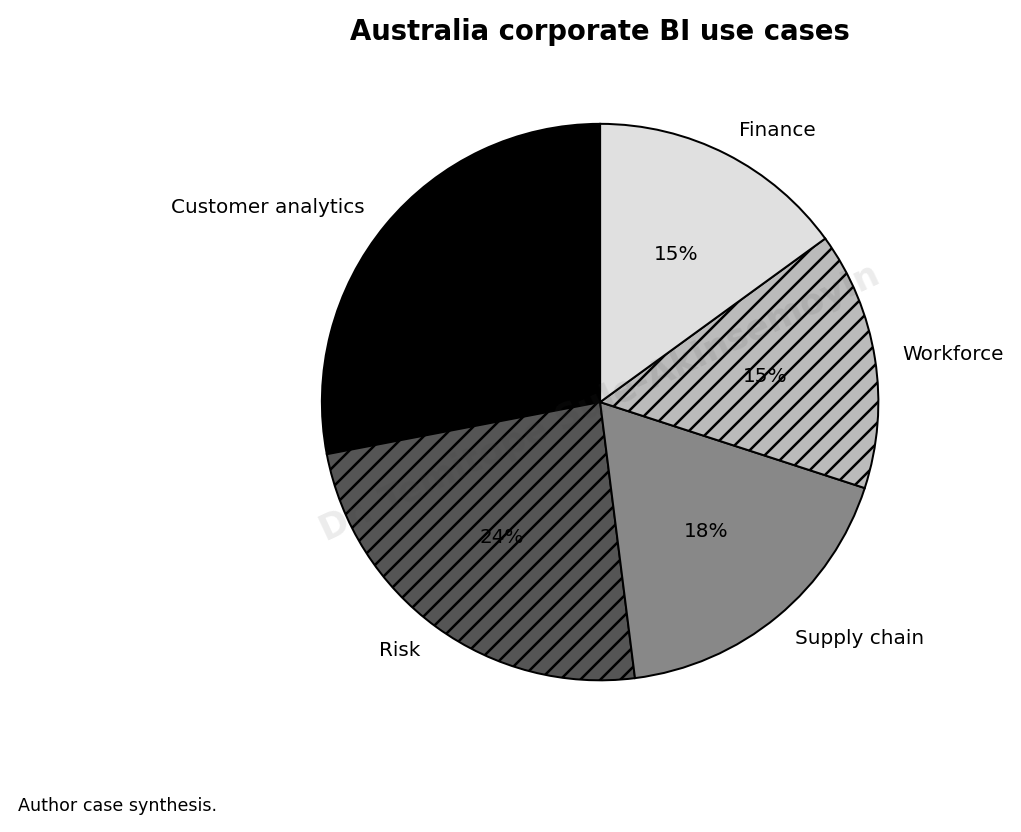
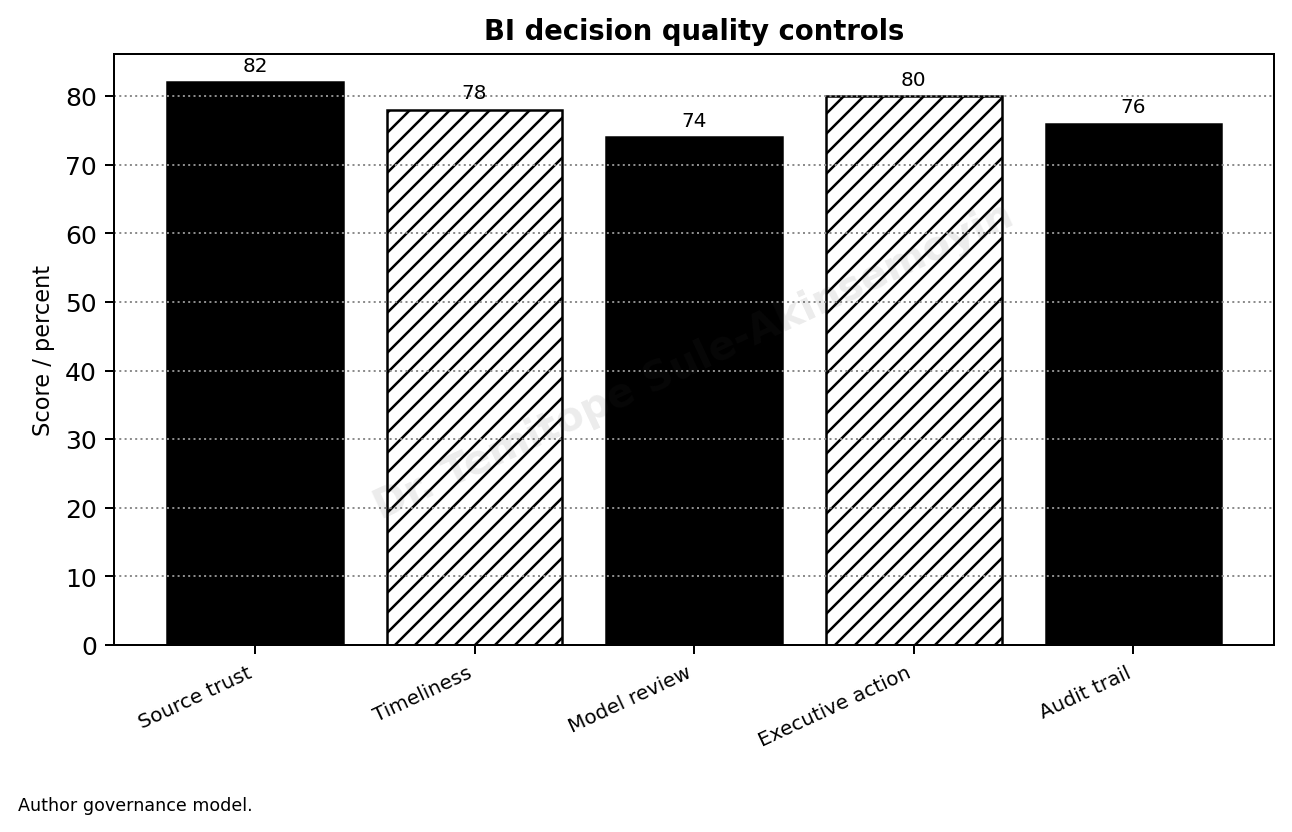
Keywords: intellectual property; strategic management; patents; copyright; trade secrets; trademarks; licensing; AI authorship; U.S. case studies; innovation strategy; corporate governance; NYCAR.

Contents

Chapter 1: Introduction: Intellectual Property as Strategic Management

Chapter 2: Literature Review and Conceptual Grounding

Chapter 3: Methodology, Source Discipline, and U.S. Case Selection

Chapter 4: Patents, Scope, Enablement, and Competitive Position

Chapter 5: Copyright, Software, Creativity, and AI-Generated Output

Chapter 6: Trademarks, Brand Trust, Trade Secrets, and Talent Mobility

Chapter 7: U.S. Case Studies in IP Strategy and Corporate Judgment

Chapter 8: Mathematical Model and Diagnostic Tools

Chapter 9: Governance, Implementation, and Risk Controls

Chapter 10: Final Position and Strategic Direction

References

List of Tables

Table 1. U.S. intellectual-property case-study matrix.

Table 2. Intellectual Property Strategic Value Function variables.

Table 3. Institutional implementation sequence for IP strategy.

List of Figures

Figure 1. U.S. R&D scale and business concentration, 2023.

Figure 2. Business R&D by type, United States, 2023.

Figure 3. Business R&D by industry group, 2023.

Figure 4. Global IP filing direction, 2024.

Figure 5. U.S. case studies: innovation value and legal-risk pressure.

Figure 6. Strategic IP value pathway.

Figure 7. IP Strategic Value Function variable weights.

Figure 8. Institutional sequence for IP strategy.

Chapter 1: Introduction: Intellectual Property as Strategic Management

The central problem

Intellectual property is often introduced to executives as a legal possession: a patent issued, a mark registered, a copyright owned, a trade secret protected by agreement, or a license signed after negotiation. That language is not wrong, but it is too small for the strategic weight that IP now carries in the United States. A pharmaceutical company may spend years building a patent estate before a single product reaches the market. A software firm may depend on copyright, contract terms, interoperability, and trade secrecy at the same time. A university may create knowledge with public funds and then face hard choices over disclosure, licensing, start-up formation, and public access. A brand-driven company may discover that trademark strength is not just a registration but a public memory supported by product quality, service consistency, and trust.

The main claim of this doctoral paper is that IP becomes strategic only when legal control is joined to managerial judgment. Filing alone is not strategy. Litigation alone is not strategy. A license that brings cash while weakening future bargaining power is not strategy. A secrecy regime that blocks collaboration, frustrates scientists, and drives talent away is not strategy. A rights portfolio becomes strategic when it supports a clear choice about markets, products, timing, partners, rivals, investors, public interest, and institutional reputation.

Figure 1. U.S. R&D scale and business concentration, 2023. Source: NCSES public R&D reporting.

Copyright © June 2026 Theodora Kelechi Anurukem. Original figure prepared for NYCAR doctoral research publication.

This view matters because the American innovation system is both powerful and uneasy. The United States remains a global leader in research expenditure, venture-backed innovation, university science, software, entertainment, biotechnology, semiconductors, and platform business. It also carries rising disputes over AI training data, patent scope, drug pricing, brand deception, trade-secret mobility, software interoperability, and the social cost of excessive exclusion. The boardroom therefore needs more than a lawyer who can file or sue. It needs a strategic language for deciding when IP should exclude, when it should enable cooperation, when it should be licensed, when secrecy is wiser than filing, and when public trust should discipline private control.

Why IP strategy now sits at the executive table

Several forces have pushed IP into executive decision-making. R&D spending has become heavily concentrated in knowledge-intensive firms. Software and data now sit inside nearly every industry. AI systems have changed the meaning of authorship, invention support, evidence records, and rights clearance. Global supply chains have made freedom to operate a board-level issue. Universities and research hospitals have become commercialization partners. Brands must manage not only logos but public claims, origin stories, endorsements, and consumer perception. Trade-secret controls must coexist with employee mobility and changing rules around noncompete agreements.

A serious IP strategy does not ask only whether the organization owns something. It asks whether the organization can convert ownership into durable value without inviting avoidable legal, commercial, or reputational loss. The value of a patent depends on claim quality, enablement, market relevance, freedom to operate, enforcement cost, design-around risk, and licensing possibility. The value of copyright depends on originality, human authorship, market substitution, licensing channels, and fair-use exposure. The value of a trademark depends on distinctiveness, consumer recognition, control over use, and consistency of experience. The value of a trade secret depends on secrecy discipline, access control, employee trust, vendor practice, and proof of reasonable measures.

The paper is written for leaders who must make choices before litigation clarifies the law. Courts decide disputes after conflict has matured. Executives must decide while technology, markets, personnel, and regulation are still moving. That timing difference is central. An organization that waits for final legal certainty before developing IP governance will usually act too late. The discipline proposed here is not legal paranoia. It is strategic caution joined to commercial courage.

Doctoral purpose and contribution

The research contributes a practical theory of intellectual property power. Power here does not mean domination for its own sake. It means the capacity to convert knowledge, expression, identity, and confidential know-how into value that can be defended, shared, priced, renewed, and trusted. The paper links IP law, strategic management, innovation economics, corporate governance, and public legitimacy. It uses U.S. case studies because the American system offers an especially demanding setting: strong private rights, intense innovation markets, active courts, large public research systems, contested technology policy, and a high tolerance for both experimentation and litigation.

The paper’s distinctive contribution is the Intellectual Property Strategic Value Function. The model treats IP value as a managerial outcome rather than a legal label. It weighs control, evidence, market fit, freedom to operate, speed, licensing option value, enforcement discipline, and trust consequence. The model is not a court test. It is a boardroom diagnostic, designed to help an organization decide whether a rights position is strategically strong, commercially useful, and institutionally safe.

Theodora Kelechi Anurukem’s doctoral treatment therefore takes a different voice from a general management paper. It speaks from the point where law and strategy meet under pressure. Its concern is not to celebrate intellectual property as an automatic good. Its concern is to ask when intellectual property improves innovation, when it blocks it, when it protects legitimate investment, and when it becomes a substitute for better product, research, partnership, or market judgment.

The executive gap in IP practice

The recurring weakness in many organizations is not ignorance of intellectual property. Senior leaders usually know that patents, marks, copyrights, and trade secrets matter. The weakness lies in translation. Legal teams speak in filings and risk. Product teams speak in release cycles. Scientists speak in proof and discovery. Finance speaks in valuation, margin, and capital discipline. Marketing speaks in recognition and demand. When those languages do not meet, knowledge assets move through the organization without a shared strategic meaning. The result is predictable: inventions are disclosed late, claims are filed without commercial priority, licenses are signed without future option value, and trade secrets are treated as confidential only after a resignation or breach exposes them.

The executive gap is especially costly in the United States because innovation moves through dense markets. A firm may need patents to attract investors, copyright licenses to build software products, trademarks to preserve customer memory, employment agreements to protect confidential information, and data rights to train or operate AI systems. Each right affects the other. A poorly reviewed open-source component may weaken a software company’s acquisition value. A weak trademark clearance may force a costly rebrand after customers have already formed loyalty. A careless publication by a scientist may destroy patent novelty. A loose AI policy may make authorship or inventorship hard to prove. These are management failures long before they become lawsuits.

Strategic management as a discipline of choices

The paper therefore treats intellectual property as a discipline of choice. The organization must choose the assets that deserve protection, the claims that should be pursued, the information that should remain secret, the knowledge that should be shared, the partners that should receive access, the markets that justify enforcement, and the public values that should limit aggressive control. This is why the paper is not written as a legal manual. Legal doctrine matters, but doctrine becomes useful to management only when it is connected to timing, markets, resources, talent, and trust.

The strategic manager also has to understand loss. Not every loss is legal defeat. A company may lose value through delay, poor documentation, confused ownership, employee distrust, reputational backlash, or a license that gives away future bargaining power. Those losses may never appear in a court judgment, but they reduce strategic advantage. A doctoral treatment of IP must therefore examine silent losses as seriously as visible disputes. The serious question is not how many rights an organization can claim. It is how much protected knowledge can be converted into durable value without weakening the institution that holds it.

Why the U.S. case matters for NYCAR scholarship

The U.S. setting gives this study practical force because it sits at the meeting point of law, capital, universities, litigation, public research, and corporate experimentation. American courts continue to shape the boundaries of fair use, patent enablement, authorship, and software reuse. Public agencies such as the USPTO and Copyright Office issue guidance that changes the operating behavior of firms. NCSES and WIPO data reveal the scale of research and filing activity. The result is a living classroom for strategic management. It allows a candidate to study intellectual property not as an abstract rulebook but as a field where executives must act before certainty arrives.

The distinctive scholarly contribution lies in keeping the voice close to decision. The paper does not admire IP from a distance. It asks what leaders must know on the day they choose whether to file, publish, license, sue, disclose, acquire, or protect. That emphasis gives the work a practical doctoral character. It is analytical, but it remains tied to the work of management.

Strategic failure through legal isolation

IP fails when legal work is isolated from the business rhythm. A lawyer may secure a technically valid right while the commercial team has already shifted away from the product. A business unit may launch a promising feature without knowing that a license restriction limits use. A laboratory may create a breakthrough but lose protection because publication was not coordinated. These failures do not come from lack of intelligence. They come from institutional separation. The legal file, product roadmap, research calendar, and investment thesis must speak to one another.

This is why IP strategy needs authority. A policy document is not enough if no one can stop a risky launch, delay a publication, approve a license, or redirect filing funds. Strategy requires the power to change action. The paper therefore treats IP governance as an executive matter. It belongs at the level where budgets, research priorities, brand exposure, platform partnerships, talent movement, and litigation posture can be weighed together.

Knowledge as a managed institution

Knowledge is not self-managing. It moves through people, devices, documents, code repositories, laboratories, cloud services, contractor relationships, presentations, conferences, and investor meetings. Each movement can create value or loss. A doctoral study of IP must therefore examine the social life of knowledge inside organizations. The question is not only what the firm owns. The question is how knowledge travels before and after ownership is claimed.

This view also explains why trust appears throughout the paper. Customers, investors, regulators, employees, researchers, partners, and communities all judge how an organization uses control. An IP strategy that ignores trust may win a legal point and lose the conditions that made the asset valuable. Trust does not replace law. It disciplines the use of law.

Sector implications for strategic management

The impact of IP strategy differs by sector. In life sciences, the central tension is between disclosure, patent scope, clinical development cost, access, and investor confidence. In software, the tension sits between speed, interoperability, open-source use, platform control, and copyright uncertainty. In higher education, the tension is between publication, public mission, technology transfer, and equitable access. In consumer markets, the tension is between brand distinctiveness, customer memory, license control, and public trust. A single IP policy cannot serve all these settings without adaptation.

The common requirement is strategic clarity. Every organization must know which assets sit at the center of value. It must know which risks can be accepted and which cannot. It must know when legal rights are meant to protect exclusivity, when they are meant to create bargaining power, and when they should be used to open a collaborative market. The discipline is not uniformity. The discipline is fit.

This is why the paper uses the United States as a case setting rather than as a universal model. The U.S. provides a rich test of IP strategy because rights are strong, disputes are visible, and innovation markets are active. Other jurisdictions will require adaptation, but the core management question travels: how does an institution turn knowledge into defensible value while maintaining legitimacy?

Chapter 2: Literature Review and Conceptual Grounding

Strategic management and knowledge assets

Strategic management literature has long treated resources and capabilities as sources of advantage, but intellectual property gives that discussion a particular legal edge. A valuable capability may be embedded in people, routines, data, designs, code, research records, customer relationships, or brand reputation. IP law can help secure some of that value, yet it cannot secure all of it. Teece’s work on dynamic capabilities is useful because it reminds managers that advantage depends on sensing, seizing, and transforming rather than possession alone (Teece, 2018). In IP terms, the organization must detect knowledge worth protecting, decide how to protect it, and then change operations so the protected knowledge actually reaches market or mission value.

Innovation strategy also requires a fit between technical choices and commercial choices. Pisano (2015) argued that firms need an innovation strategy that aligns their innovation investments with their larger competitive logic. That argument is especially relevant to IP. A patent filing program without a business theory produces paper density, not advantage. A trade-secret policy without talent and process discipline produces slogans. A copyright policy without data-use discipline collapses under AI and platform pressure. The central question is not whether IP exists but whether IP protection supports the way the organization intends to win, serve, collaborate, or create public value.

Figure 2. Business R&D by type, United States, 2023. Source: NCSES Business Enterprise Research and Development data.

Copyright © June 2026 Theodora Kelechi Anurukem. Original figure prepared for NYCAR doctoral research publication.

Mission-oriented innovation scholarship also matters because many knowledge assets emerge from public investment, universities, defense research, federal grants, and public-private partnerships. Mazzucato (2018) showed that mission-oriented public policy can shape markets rather than only correct market failures. That insight complicates private IP strategy. When publicly supported knowledge becomes private property, the organization must handle legitimacy, access, pricing, and social return with care. A legal right may be valid while the strategy around it remains publicly fragile.

IP law as market design

The literature on intellectual property often moves between two poles. One pole sees IP as an incentive for creation and invention. The other warns that excessive control can restrict follow-on innovation, raise costs, and entrench incumbents. The better managerial view does not choose one pole permanently. It asks which industry, which asset, which time horizon, which public interest, and which market structure are involved. A narrow patent around a technically demanding invention may protect costly experimentation. An overbroad claim may convert discovery into a private gate that others cannot reasonably pass. Copyright may protect creative labor while fair use protects commentary, interoperability, education, and cultural development.

Recent U.S. cases show that courts are not only resolving private disputes; they are shaping business design. Google v. Oracle placed software interoperability and fair use in the center of platform competition. Warhol v. Goldsmith narrowed confidence in broad transformative-use claims when the accused use serves a similar commercial purpose. Amgen v. Sanofi pressed patent applicants to match claim breadth with enabling disclosure. Thaler v. Perlmutter and the Copyright Office’s AI reports forced firms to document human contribution in AI-assisted creativity. These decisions are not side notes for lawyers. They are signals to executives about how to design innovation processes, product documentation, licensing terms, and market claims.

Empirical innovation data deepen the point. The National Center for Science and Engineering Statistics reported that U.S. R&D totaled $937 billion in 2023, with 2024 estimated at $993 billion (NCSES, 2026). Business R&D in 2023 reached $722 billion, with development accounting for the largest share (NCSES, 2025). Those figures show why IP strategy is no longer specialist paperwork. When firms spend at this scale, the protection, disclosure, use, and governance of knowledge assets become matters of national economic importance.

Authorship, inventorship, and human contribution

AI has sharpened a question that was already present in research organizations: who actually created the protectable contribution? The USPTO’s AI-assisted inventorship guidance makes clear that AI assistance does not categorically defeat patentability, but the inventorship inquiry remains focused on significant human contribution (USPTO, 2024). The D.C. Circuit’s treatment of Thaler v. Perlmutter reinforced the human-authorship requirement in copyright registration. For strategic management, the lesson is plain. An organization using AI in research, design, software, media, drug discovery, marketing, or documentation must keep records of human contribution, tool use, prompts, training restrictions, review, and final creative choice.

This does not mean firms should fear AI. It means they should govern it. AI can accelerate search, drafting, design variation, prior-art review, code assistance, and content generation. It can also blur ownership, contaminate confidential information, weaken originality claims, and create hidden licensing risk. A company that cannot explain the human and machine roles inside an invention or creative output may discover too late that the asset it expected to own is difficult to protect.

The literature therefore leads to a practical position. Intellectual property is neither a magic shield nor an administrative afterthought. It is a strategic-management discipline. Its value depends on law, evidence, market fit, organizational behavior, trust, and timing. A doctoral paper in this area must therefore read cases and data together, not as separate worlds.

Capabilities and exclusion rights

The resource-based view of strategy becomes more precise when intellectual property is introduced. A capability may be valuable because a firm can perform a task better than rivals. IP can strengthen that capability when the protected element is difficult to copy, costly to substitute, and aligned with the firm’s commercial route. Yet protection can also deceive leaders. A patent around a peripheral feature may look impressive while the real advantage lies in manufacturing learning, customer data, brand confidence, or supplier coordination. A trademark may be legally strong but strategically weak if customer experience fails. Trade-secret protection may preserve a formula while the workforce culture that knows how to use it quietly deteriorates.

This is why dynamic capability theory matters. Sensing identifies which knowledge assets are emerging. Seizing turns those assets into product, license, partnership, or market position. Transforming changes the organization so protected knowledge does not remain trapped in a laboratory, legal file, or creative department. The literature becomes useful when it is forced into these managerial movements. Without movement, IP is only stored potential.

Innovation incentives and public obligations

The incentive theory of IP says that legal protection encourages invention and creative production by allowing creators and firms to recover investment. That theory remains important, especially in fields such as pharmaceuticals, software, entertainment, and advanced manufacturing, where development can be expensive and copying can be cheaper than creation. Yet the incentive argument is not complete by itself. Strong rights can also raise access costs, slow follow-on work, and allow incumbents to control markets beyond what public purpose requires. Strategic management therefore has to understand IP as both incentive and constraint.

Mission-oriented innovation adds a further challenge. Public money often helps create private knowledge assets. Universities, research hospitals, defense contractors, energy firms, and technology ventures may all benefit from public grants or public procurement. When such assets become private rights, managers should think about access, pricing, licensing terms, march-in risk, public criticism, and institutional reputation. A legal right created with public support may need a different strategic posture from one developed entirely with private funds.

Evidence from research investment

The NCSES data used in this paper show the scale of the issue. The United States spends hundreds of billions of dollars on research and development, and business performs the dominant share. The intellectual output of that spending cannot be left to chance. Invention disclosures, publication timing, data management, lab notebooks, software licenses, and collaboration agreements all shape the value that can be captured. An institution that invests heavily in R&D but underinvests in IP governance is behaving inconsistently. It funds discovery but weakens the route through which discovery becomes strategic value.

The literature therefore supports a joined conclusion. IP strategy is not a specialist topic at the edge of management. It is part of the way a knowledge-based organization senses opportunity, protects contribution, manages collaboration, earns public confidence, and renews advantage. The purpose of the literature review is not to gather famous theories. It is to create a disciplined base for the case analysis that follows.

Strategic theory and legal institutions

Strategic theory often treats the firm as a chooser of markets and resources. IP law reminds us that the firm chooses within legal institutions that shape what can be owned, copied, licensed, disclosed, and enforced. This institutional setting matters. A strategy that is brilliant in a weak-rights environment may fail in a strong-rights environment. A platform model that depends on reuse may flourish under one fair-use interpretation and face strain under another. Managers must therefore treat legal institutions as part of the competitive setting, not as background.

The literature also shows a tension between speed and proof. Firms want rapid movement, especially in AI and software. IP law often asks for records, contribution, originality, inventorship, and rights clearance. The strategic solution is not to choose speed over proof. It is to build proof into the speed. Good process makes rapid action defensible.

The gap between doctrine and action

Legal doctrine explains standards, but management must convert standards into action. Fair use becomes a review of purpose, amount, market effect, and alternative licensing. Enablement becomes a research-data and claim-scope conversation. Human authorship becomes an AI documentation protocol. Trade-secret law becomes access control and employee education. Trademark law becomes naming discipline and quality control. The literature has practical value only when this conversion is made visible.

This conversion is the paper’s main intellectual move. It does not add another abstract definition of IP. It shows how legal categories become managerial duties. That is why the paper belongs in strategic management as well as law.

Managerial value of legal uncertainty

Legal uncertainty is often treated as a defect. In management terms, it can also be a signal. Where the law is unsettled, firms have to build options rather than assume final answers. AI training data, human authorship, software reuse, and platform content controls all show this pattern. The wise institution does not wait passively. It builds records, negotiates licenses where prudent, avoids reckless claims, and monitors litigation. Uncertainty becomes dangerous only when leaders mistake it for permission or paralysis.

The literature on dynamic capability supports this approach because sensing and adaptation become more important when rules are unsettled. Static compliance is not enough. Organizations must update policy as cases, agency guidance, market practice, and public expectations change. IP strategy must therefore be a learning system, not a one-time legal project.

The implication for doctoral scholarship is clear. A serious IP paper should not pretend that every issue is settled. It should teach leaders how to reason in the unsettled space. That is where strategic management earns its value.

Chapter 3: Methodology, Source Discipline, and U.S. Case Selection

Research design

This study uses an applied documentary and case-study design. It does not claim private interviews, confidential company files, sealed litigation material, or nonpublic board documents. The sources are public: court decisions, official agency guidance, public statistical reports, institutional research data, and credible legal and management scholarship. That source discipline fits the purpose of the paper. The aim is not to reconstruct private deliberation inside particular companies. The aim is to build a doctoral-level management model that can help institutions read public evidence, assess IP exposure, and align rights with strategy.

The U.S. focus is deliberate. The United States has an unusually rich mix of federal IP law, active courts, public research investment, university commercialization, venture capital, platform businesses, pharmaceutical disputes, software cases, entertainment markets, and AI policy debate. It also has a strong culture of both private rights and public contest. That makes it a demanding setting for the study of IP strategy. A weak paper would treat U.S. IP cases as isolated legal events. This paper treats them as management signals.

Figure 3. Business R&D by industry group, 2023. Source: NCSES Business Enterprise Research and Development data.

Copyright © June 2026 Theodora Kelechi Anurukem. Original figure prepared for NYCAR doctoral research publication.

Table 1. U.S. intellectual-property case-study matrix.

Case IP issue Strategic-management lesson
Google v. Oracle Copyright and software interoperability Reusable interfaces may carry innovation value, but copying needs documented purpose and market analysis.
Warhol v. Goldsmith Copyright, fair use, and licensing markets Creative reuse should be reviewed by purpose, market, and commercial use, not by artistic confidence alone.
Amgen v. Sanofi Patent enablement and claim breadth Broad claims require deep teaching; portfolio strength depends on evidence, not ambition alone.
Thaler v. Perlmutter AI output and human authorship Human contribution must be documented when AI assists creative production.
USPTO AI inventorship guidance AI-assisted invention AI use does not automatically defeat patentability, but significant human contribution remains central.

Copyright © June 2026 Theodora Kelechi Anurukem. Original table prepared for NYCAR doctoral research publication.

The analysis is conducted through three lenses. The legal lens asks what the case or official source actually says. The strategic lens asks what a firm, university, public agency, or investor should learn from it. The governance lens asks what records, controls, incentives, and review routines should change inside the institution. This three-lens method prevents the paper from drifting into abstract commentary. Every legal point is translated into management practice.

Case selection logic

The case studies were selected because they expose different parts of the IP-management problem. Google v. Oracle concerns software interfaces, fair use, and platform competition. Warhol v. Goldsmith concerns creative reuse, licensing markets, and commercial purpose. Amgen v. Sanofi concerns patent breadth, enablement, and life-sciences claiming strategy. Thaler v. Perlmutter concerns AI output and human authorship. The USPTO’s AI-assisted inventorship guidance concerns human contribution to invention. The Copyright Office’s AI report concerns training data, licensing, and generative AI risk. Together, these sources form a practical case set for the knowledge economy.

The cases are not treated as slogans. Google is not reduced to a victory for software freedom. Warhol is not reduced to a defeat for creativity. Amgen is not reduced to a technical patent lesson. Thaler is not reduced to a simple anti-AI rule. Each case is read through the question that matters to management: what decision should an institution make before a similar dispute arises?

Public data are used to establish context. NCSES data show the scale and concentration of U.S. R&D investment. WIPO reporting shows global filing pressure and the continuing importance of patent and design systems. USPTO reporting and guidance show the operational role of the U.S. patent and trademark system. The public-data figures in this paper are used carefully. They do not claim to predict litigation. They describe the economic and institutional setting in which IP strategy now operates.

Limits

The study has limits. Public court records do not reveal every business motive behind litigation. Public data do not show the quality of every patent, the value of every license, or the true internal cost of every dispute. Official guidance can change. AI-related law is still developing. The model proposed here is a diagnostic tool, not a substitute for counsel, valuation experts, technical specialists, or board judgment.

These limits do not weaken the paper; they discipline it. A serious doctoral paper should not pretend that public evidence can answer private questions with final certainty. It should show how leaders can reason better under uncertainty. That is the purpose of the method.

The research also avoids rhetorical praise of innovation. Innovation can create value, but it can also create exclusion, surveillance, dependency, price pressure, and disputes over access. IP strategy must therefore balance protection with use, secrecy with collaboration, and enforcement with reputation. This is the tone used throughout the paper.

Reading cases as management evidence

A legal case is not only a dispute between parties. It is a public record of managerial choices. Behind every IP case there are decisions about what to build, what to copy, what to license, what to disclose, what to claim, what to enforce, and what risk to accept. The court decides legal questions, but managers should read the case for the choices that made the dispute possible. This is the reason the paper treats Google, Warhol, Amgen, Thaler, USPTO guidance, and Copyright Office reporting as evidence for management practice, not only doctrine.

Case analysis also protects the paper from overgeneralisation. It is easy to say that firms need stronger IP strategy. It is more useful to show how a software interface dispute differs from an antibody enablement dispute, how AI authorship differs from AI-assisted inventorship, and how creative reuse differs from software interoperability. The differences matter. They prevent the paper from offering one flat answer to every IP problem.

Data as context, not decoration

The public data figures in the paper are included to show scale and pressure. R&D spending, business development expenditure, manufacturing concentration, and global filing growth are not decorative charts. They show why IP management deserves doctoral attention. The knowledge economy is not a metaphor. It is a measurable investment system, and the protection or misuse of knowledge assets can shape corporate value, national competitiveness, and public access.

At the same time, the paper avoids turning data into false authority. A chart showing R&D spending does not reveal the quality of a firm’s patent claims. A WIPO filing trend does not prove that every filing is valuable. A case-study score in this paper is an author-developed diagnostic, not an official court or government rating. This separation of public fact and author interpretation is central to the study’s reliability.

Why no private field data is claimed

The paper does not pretend to have private access to corporate files. That restraint is important. Fabricated field claims would weaken the publication. Instead, the paper uses public legal and institutional evidence with discipline. A doctoral work can be strong without confidential data when its reasoning is transparent and its conclusions remain proportionate to the sources used.

Future research could add interviews with counsel, R&D leaders, licensing executives, university technology-transfer officers, and founders. It could also test the Intellectual Property Strategic Value Function against real portfolios. Those future possibilities do not reduce the value of the present study. They show that the paper creates a base for further empirical work.

Documentary research as professional discipline

Documentary research can be weak when it simply summarises sources. It becomes stronger when it reads documents against practical questions. A Supreme Court opinion is not only a statement of law; it is a signal about future transaction costs. A USPTO guidance document is not only administrative material; it is an instruction to inventors, counsel, and firms about how records should be kept. An R&D data release is not only statistical reporting; it is evidence of the scale at which knowledge is being produced and therefore the scale at which IP governance matters.

The paper’s research design therefore treats each source as part of a decision environment. A source is included because it can help leaders make better choices. Sources that are famous but not useful to the management argument are avoided. This keeps the work lean even while it remains doctoral in depth.

Case selection and sector spread

The selected cases span software, visual art, biotechnology, AI authorship, and agency guidance. That spread is necessary. A paper limited to patents would miss copyright and AI. A paper limited to copyright would miss life-sciences claiming and trade-secret substitution. A paper limited to AI would miss the larger commercial discipline of IP management. The cross-sector method makes the argument more useful to different organizations.

The spread also prevents legal tunnel vision. Executives rarely manage one IP type in isolation. A technology firm may hold patents, copyrights, trade secrets, data rights, trademarks, and contractual restrictions at the same time. Case diversity reflects that reality.

Public sources and verification ethics

The ethical use of public sources matters. This paper relies on sources that can be checked: court opinions, agency guidance, R&D statistical reports, and institutional publications. It does not invent interviews, internal documents, or proprietary figures. This discipline matters for NYCAR-style research because credibility depends on what the writer can prove. A polished claim that cannot be verified weakens the entire publication.

The same principle applies to charts. Public-data charts in the paper identify their source. Author-developed diagnostic charts identify themselves as diagnostic. This distinction protects the reader from mistaking an original management tool for official government data. It also protects the candidate’s authorship by making clear where the interpretation begins.

Verification is a scholarly habit and a management habit. The same care that protects an academic paper also protects an IP portfolio. Records, sources, dates, contribution, and authority matter in both settings.

Chapter 4: Patents, Scope, Enablement, and Competitive Position

Patents as disciplined disclosure

A patent is sometimes described as a monopoly, but that language hides the bargain at its core. The inventor receives a limited right to exclude in exchange for public disclosure. The quality of that disclosure matters. A patent that claims more than it teaches may look powerful in a portfolio until challenged. A narrow patent may appear modest but still protect a product, attract investment, or support licensing when its claims fit the market. Strategic patent management therefore begins before filing. It begins with a disciplined choice about what the organization can prove, what it should disclose, what rivals can design around, and what future product pathway the claim should protect.

Amgen v. Sanofi is a central U.S. case for this point. The Supreme Court held that broad functional antibody claims must be enabled across their full scope, not presented as a research assignment for others to complete. For strategic management, the lesson reaches beyond biopharmaceutical drafting. Claim breadth is not free. The wider the claim, the heavier the burden of teaching. A company that pursues maximal exclusion without adequate disclosure may gain temporary confidence but lose the asset when enforcement tests it.

Figure 4. Global IP filing direction, 2024. Source: WIPO World Intellectual Property Indicators 2025.

Copyright © June 2026 Theodora Kelechi Anurukem. Original figure prepared for NYCAR doctoral research publication.

Patent strategy should therefore distinguish between invention capture and invention overreach. Capture records the real technical contribution and protects the commercial pathway. Overreach claims a territory the organization has not taught or cannot defend. The difference is not only legal. It is managerial. Overreach can distort R&D incentives, invite litigation, mislead investors, and create a false sense of security. Careful claim strategy may look less dramatic, but it often survives better.

Freedom to operate

Freedom to operate is as important as ownership. A firm may own patents and still be blocked by the rights of others. A start-up may have an attractive invention but lack clearance for manufacturing, distribution, software integration, data use, or brand naming. A pharmaceutical or medical-device company may spend years developing a product only to find that a crowded patent field raises licensing costs or delay. A strategic IP program maps both the assets owned and the rights that stand in the way.

This is where management and counsel must work together. Technical teams often see a solution. Legal teams see claims. Commercial teams see customers. Finance sees capital risk. Strategy requires those views to meet early enough to affect design. Freedom-to-operate review should not be a last-minute gate just before launch. It should influence research direction, partner choice, acquisition diligence, product design, and pricing.

The problem is more difficult in fields with cumulative innovation. Software, AI, semiconductors, life sciences, clean energy, and connected devices all depend on prior layers. In those fields, exclusion can protect investment but also block improvement. Strategic patent managers must know when to enforce, when to license, when to cross-license, when to join standards, and when to use defensive publication. The strong institution is not the one that files the most. It is the one that knows why each right exists.

Portfolio quality

Patent counts can flatter weak strategy. A large portfolio may impress outsiders, but it may also contain low-value claims, expired relevance, uncertain ownership, narrow coverage, or assets unrelated to current business. Portfolio quality depends on fit. Does the patent protect the product roadmap? Does it support licensing? Does it deter entry? Does it strengthen fundraising? Does it help negotiate with partners? Does it survive likely invalidity pressure? Does it protect a jurisdiction that matters?

A mature portfolio has tiers. Some patents protect core products. Some preserve bargaining use. Some support licensing. Some are defensive. Some should be abandoned because maintenance cost exceeds likely value. The willingness to abandon weak rights is a sign of strategy, not neglect. It shows that management sees IP as a living asset base rather than a trophy cabinet.

Patent governance should also include invention disclosure routines. Scientists, engineers, designers, and product teams need a clear route for recording invention, dates, contributors, laboratory notebooks, code repositories, AI assistance, prototypes, and decision points. The patent application can only be as strong as the institution’s evidence record. Evidence is the quiet discipline beneath IP value.

Patent timing and disclosure discipline

Patent timing can decide value. A team that publishes too early may destroy novelty. A team that files too early may lack the evidence needed to support meaningful claims. A team that files too late may lose priority or allow rivals to shape the field. Timing is therefore a managerial decision, not only a legal calendar. The best research organizations train scientists and product teams to recognize invention points, report them quickly, and coordinate publication with protection strategy.

This is especially important in universities and research hospitals, where publication culture and patent culture may pull in different directions. Academic recognition rewards disclosure. Patent value may require controlled timing. The solution is not to silence researchers. The solution is to build a clear review process that protects publication while preserving protectable inventions. A serious institution can do both if the process is trusted and timely.

Continuation strategy and market learning

Patent strategy also continues after the initial filing. Continuation practice, claim adjustment, divisional filings, and international decisions allow the portfolio to respond to technical and market learning. A company may discover that the original commercial route has changed, that competitors are designing around claims, or that a narrower but better-supported claim will be more valuable than a broad and vulnerable one. The portfolio should evolve with evidence.

This does not mean endless filing. Continuations can become expensive and unfocused when they are used without strategic discipline. The question is whether each filing supports a credible product, platform, license, or defensive position. Portfolio review should include technical relevance, market relevance, jurisdictional relevance, and enforcement reality.

Patents and bargaining power

Patents often function as bargaining tools. They may support cross-licensing, joint ventures, acquisitions, standard-setting participation, or settlement. In technology markets, freedom to operate can depend on a firm’s ability to negotiate from a position of credible ownership. This makes portfolio design relational. The value of a patent may depend on who the firm must negotiate with and what alternatives exist.

Boards should therefore ask how the patent portfolio affects bargaining power. Does it help the firm enter standards discussions? Does it protect against exclusion? Does it support due diligence in acquisition? Does it attract strategic partners? Does it allow licensing without giving away core know-how? A patent that answers none of these questions may still be legally valid, but its strategic value may be thin.

Patent strategy and product truth

A patent portfolio should be tested against product truth. What product does it protect? Which claim covers the most defensible commercial feature? Which competitor pathway is blocked? Which pathway remains open? Which claims would matter in a license negotiation? Which rights would survive if a challenger attacked validity? These are uncomfortable questions because they force the organization to compare legal confidence with market reality.

Product truth also changes with time. A patent filed around an early technical direction may become less relevant after the product pivots. A claim that seemed peripheral may become important when the market shifts. Portfolio review should therefore be tied to product strategy, not only annuity dates. Renewal fees should be paid because the asset still matters, not because no one wants to decide.

Enablement and scientific honesty

Enablement doctrine encourages scientific honesty. A patent should not claim an entire field while teaching only a small corner. This is not only a legal requirement. It is an ethical and strategic discipline. Overbroad claims can deter research by others, invite costly disputes, and damage the credibility of the claiming institution. The better practice is to align claim scope with genuine contribution and then keep developing evidence as the science matures.

Life-sciences leaders should take this seriously. The market pressure to build broad exclusivity can be intense, especially where investment is high and product cycles are long. Yet the same pressure can tempt firms into claims that look strong before they are tested. A serious board should prefer enforceable strength over impressive breadth.

Patent strategy in start-ups and mature firms

Start-ups and mature firms use patents differently. A start-up may use patents to attract investment, signal technical seriousness, protect a narrow product route, or strengthen acquisition value. A mature firm may use patents to defend market share, support cross-licensing, shape standards, or manage competitor pressure. The same patent can therefore have different strategic meanings depending on the institution that holds it.

This difference should affect governance. A start-up needs early clarity about assignment, provisional filings, founder contributions, employee inventions, and investor representations. A mature firm needs portfolio pruning, claim mapping, competitor monitoring, and coordination with product strategy. Both need discipline, but the discipline is applied differently.

The mistake is to copy the patent behavior of another organization without understanding its market position. A start-up that files broadly without funds to prosecute and defend may waste scarce capital. A mature firm that underfiles in a contested field may lose bargaining power. Strategy begins with context.

Read also: Strategic Branding and Intellectual Property in Business

Chapter 5: Copyright, Software, Creativity, and AI-Generated Output

Copyright after software and AI

Copyright has become a strategic-management issue for sectors that once treated it as a concern for publishers, musicians, designers, and media firms. Software platforms, data products, generative AI systems, training datasets, user interfaces, internal manuals, code libraries, visual assets, product documentation, marketing materials, structural drawings in the ordinary legal sense, and digital content now carry copyright questions. The problem is not only ownership. It is use. Firms need to know what they copied, what they licensed, what they trained on, what they generated, what humans contributed, and what markets the use may affect.

Google v. Oracle is central because it placed software interoperability within fair-use analysis. Google copied declaring code from Java API packages to allow programmers familiar with Java to work in Android. The Supreme Court held that the use was fair, emphasizing context, purpose, amount, and market effects. Strategic managers should not read the case as a general permission to copy. They should read it as a lesson in how software reuse, compatibility, developer communities, and innovation markets interact. Interoperability can carry public and commercial value, but the facts matter.

Figure 5. U.S. case studies: innovation value and legal-risk pressure. Author-developed diagnostic chart.

Copyright © June 2026 Theodora Kelechi Anurukem. Original figure prepared for NYCAR doctoral research publication.

The case affects product strategy because platforms often grow by making it easier for others to build. APIs, developer tools, software libraries, plug-ins, and compatibility layers create network effects. If copyright were applied without regard to such realities, innovation could be choked by control over functional interfaces. Yet firms still need licensing discipline. The safe lesson is neither reckless copying nor fear of reuse. The safe lesson is documented purpose, minimal necessary use, technical necessity, and careful market analysis.

Creative reuse and market substitution

Warhol v. Goldsmith gives a different warning. The Supreme Court rejected a broad fair-use claim involving a Warhol image based on Lynn Goldsmith’s photograph of Prince, focusing on the specific commercial licensing use before the Court. The managerial lesson is that transformation as a word is not enough. A company, museum, publisher, advertising agency, or platform must ask what use is being made, what market the use enters, and whether the new work competes with a licensing market that matters to the rights holder.

This is especially important for brand campaigns, creator partnerships, social-media content, documentary production, product packaging, and AI-generated visual material. A design team may believe a use is artistically different while the market sees the same commercial purpose. A marketing department may treat internet culture as raw material while the law sees protected expression. A publisher may believe a derivative work is commentary while the licensing context tells a different story. Strategy must read purpose in market terms, not only in creative terms.

The best organizations do not wait for litigation to define the boundary. They create rights-clearance records, licensing protocols, creator contracts, image-use rules, training-data policies, and review channels for high-risk creative reuse. That discipline protects creativity. It does not smother it. Strong creators deserve clean rights behind their work.

Human authorship and AI

AI has made authorship records urgent. The Copyright Office and courts have reinforced that copyright protection depends on human authorship. AI-assisted work may still be protectable where human creativity, selection, arrangement, editing, or expressive contribution is sufficient. A purely machine-generated output, without meaningful human authorship, may not carry the protection a company expects. This has direct implications for firms that use AI in advertising, design, publishing, entertainment, software documentation, training content, and product imagery.

A practical AI copyright policy should answer concrete questions. Which tools may staff use? What inputs are prohibited because they are confidential or The further point-party protected? Are outputs reviewed for similarity, factual error, and brand risk? How are prompts, iterations, human edits, and final creative choices documented? Who owns the output under vendor terms? Can the output be registered? Can it be licensed? Can it be defended in a dispute?

Strategic management cannot treat AI as a private productivity toy. Once AI output enters the market, it becomes a rights, reputation, and evidence issue. The institution that keeps a clean human-contribution record will be better positioned than the institution that cannot explain how the work came into being.

Copyright governance inside firms

Copyright governance is often weaker than patent governance because organizations assume that copyright arises automatically. While that is true at a basic level, automatic protection does not solve ownership, authorship, licensing, clearance, registration, infringement, fair use, or AI-output questions. A firm may own some employee-created works but not contractor-created works. It may have permission for a photo in one medium but not another. It may have licensed music for an internal video but not for public advertising. These distinctions can become costly once content scales.

A strategic copyright program should therefore include standard contract terms, rights clearance, asset metadata, registration rules for high-value works, and a review process for public-facing materials. Media, software, education, marketing, consulting, entertainment, health communication, and AI product teams all need copyright awareness. The work should be practical, not theatrical. People need to know what they can use, what they must clear, and what records they must keep.

AI supply chains and downstream use

Generative AI adds a supply-chain problem to copyright. Training data, model weights, prompts, outputs, filters, retrieval systems, fine-tuning, and user-facing products can all raise rights questions. A company may not control every layer. It may use a vendor model, open-source model, proprietary dataset, public internet data, licensed content, or internal archives. Each layer carries different contractual and legal risk. Strategic management must map these layers before the product reaches market.

The U.S. Copyright Office’s AI report matters because it treats training data and market effects as serious issues. Firms should not assume that all training is safe or that all training is infringing. The law is fact-sensitive. A wise company prepares for that uncertainty by documenting data sources, license terms, opt-out processes, filtering measures, output testing, and human review.

Creative teams and legal courage

Creative teams sometimes experience IP review as obstruction. That reaction is understandable when legal review is slow, vague, or overly cautious. The remedy is not to remove review. The remedy is to make review practical and early. A designer should know when a reference image is dangerous. A copywriter should know when song lyrics, celebrity likeness, or trademark use needs clearance. A product team should know when generated content needs similarity review. Early legal guidance protects creative courage because it prevents a strong campaign from being killed late.

The best creative organizations treat rights discipline as part of craft. They create original work, clear what must be cleared, credit when required, and negotiate when the market value justifies it. That approach is more serious than borrowing loosely and hoping the dispute never arrives.

Software reuse and internal controls

Software teams often move faster than rights-review systems. Developers import libraries, reuse snippets, copy documentation patterns, and rely on open-source packages. These practices can be efficient and entirely legitimate, but they require controls. An organization should know which components are used, which licenses apply, whether copyleft obligations are triggered, whether attribution is required, and whether security risks accompany the component.

The lesson from software cases is not to slow engineering with unnecessary fear. It is to make rights review part of engineering hygiene. Automated dependency scanning, approved repositories, legal guidance for license categories, and escalation for unusual components can protect speed while reducing risk.

AI output and customer-facing risk

AI output creates particular risk when it faces customers, investors, regulators, or the public. A generated image, product description, training module, code sample, or marketing claim can create copyright, trademark, false advertising, privacy, and reputational issues. Internal experimentation is different from public release. The review standard should rise when output leaves the organization.

This distinction helps firms use AI responsibly. Staff can experiment, but public use should require human review, rights checks, factual confirmation, and brand approval. The company should be able to explain who approved the work and why it was safe to use.

Copyright in education and corporate training

Education and corporate training create their own copyright issues. Course materials, slides, manuals, videos, diagrams, AI-generated summaries, case studies, and assessment instruments can all carry ownership questions. Universities and training firms need clear terms for faculty, contractors, guest lecturers, and platform vendors. The problem is not only infringement. It is future reuse. Who may update the material? Who may license it? Can it be sold? Can it be used in another program?

This is especially relevant for institutions that build online programs. Digital delivery multiplies reuse. A lecture recorded for one cohort may be repurposed for another. A consultant’s slide deck may become part of a commercial course. AI may summarize readings or generate practice exercises. Without clear agreements, successful educational content can become legally tangled at the moment it becomes most valuable.

A strategic copyright policy in education should therefore address authorship, work-made-for-hire terms, moral expectations, reuse rights, platform permissions, student submissions, and AI assistance. The aim is to make knowledge usable without exploiting contributors.

Chapter 6: Trademarks, Brand Trust, Trade Secrets, and Talent Mobility

Trademark as memory under discipline

Trademarks protect source identification, but their strategic value comes from disciplined memory. A mark becomes valuable when customers connect it with consistent quality, origin, experience, and expectation. Registration helps, but registration does not create trust by itself. A weak product can damage a strong mark. A confusing licensing arrangement can weaken distinctiveness. Poor quality control in franchising or brand extension can erode meaning. Trademark strategy therefore belongs with brand management, product governance, customer experience, and legal control.

The American marketplace is crowded with names, marks, logos, slogans, product shapes, digital icons, app identifiers, domain names, hashtags, and influencer-led brand signals. A company choosing a mark must assess distinctiveness, clearance, class, foreign expansion, consumer confusion, platform handles, search visibility, and cultural meaning. A legal clearance that ignores market meaning is incomplete. A marketing choice that ignores legal conflict is dangerous.

Figure 6. Strategic IP value pathway. Author-developed flow chart.

Copyright © June 2026 Theodora Kelechi Anurukem. Original figure prepared for NYCAR doctoral research publication.

Trademark management also requires policing with judgment. Failure to police can weaken rights, but overaggressive enforcement can damage public goodwill. Small creators, commentators, fan communities, repair businesses, and comparative advertisers may trigger different responses. The strongest brand owner knows when to send a letter, when to license, when to tolerate, when to educate, and when public backlash would cost more than the alleged misuse.

Trade secrets and internal trust

Trade secrets are often the most practical form of protection for information that should not be disclosed: algorithms, formulas, manufacturing processes, customer data, pricing methods, product roadmaps, training data, supplier terms, source code, research notebooks, and negative know-how. The legal requirement is not magic. The organization must take reasonable measures to keep the information secret. That means access control, confidentiality agreements, data security, onboarding and exit routines, vendor rules, lab discipline, and evidence of secrecy practice.

Trade-secret strategy also depends on culture. Employees must understand what is confidential and why it matters. Excessive secrecy can damage collaboration; weak secrecy can destroy value. A company that labels everything secret trains staff to ignore labels. A company that labels carefully builds respect for the few things that truly matter. The managerial task is precision.

Talent mobility complicates trade-secret protection. Employees carry skill and memory; the law does not allow firms to own a person’s general knowledge. The FTC’s noncompete rule was stopped by a district court and later the agency moved to dismiss its appeal, leaving the national rule unenforceable. Even without a broad federal ban in effect, employers face a changing legal and political environment. The strategic answer is not to trap people. It is to protect specific confidential information through reasonable, well-documented measures while building a workplace people do not want to leave.

Brand trust and confidential knowledge

Trademarks and trade secrets meet in brand trust. A company may publicly promise quality while privately depending on confidential processes that allow that quality to exist. A restaurant chain may protect recipes and supplier systems. A technology firm may protect algorithms and training data. A life-sciences company may protect manufacturing know-how. A luxury brand may protect sourcing and craftsmanship methods. In each case, IP protection supports the promise only if operations keep the promise.

The danger appears when law becomes a substitute for performance. A firm may sue aggressively to protect a mark while customers are already leaving because the experience has declined. A firm may protect a trade secret while failing to invest in talent, data security, or product renewal. In those cases, IP enforcement becomes defensive theater. Strategic management asks whether the protected asset still supports a live market advantage.

The stronger path is integrated governance. Brand, legal, product, security, HR, and commercial teams should share enough information to know what must be protected and why. A mark, a secret, and a product promise should not live in separate rooms.

Distinctiveness and strategic naming

Naming is a strategic act. A product name can be memorable, legally weak, culturally insensitive, difficult to search, hard to translate, or already crowded by similar marks. The strongest naming process brings brand, legal, product, and market teams together before public launch. It tests distinctiveness, customer meaning, class coverage, domain availability, platform handles, foreign expansion, and confusion risk. A rushed name can become expensive when rebranding becomes necessary.

Trademark clearance should not be treated as a late-stage formality. By the time packaging, campaigns, websites, investor decks, and customer memory have formed, a name becomes emotionally and financially hard to change. Early clearance is cheaper than public correction. A company with mature brand governance understands that legal availability and brand meaning must be tested together.

Trade-secret boundaries

Trade secrets require boundaries. The firm must know which information deserves secrecy and which does not. Overclassification creates fatigue. Underclassification creates leakage. The most valuable secrets should be identified, marked, access-limited, and reviewed. Staff should understand the difference between general skill and protected confidential information. Vendors should receive only what they need. Departing employees should leave with dignity and clarity, not threats that invite resentment.

Reasonable measures are both legal and cultural. Passwords, access logs, NDAs, clean-room procedures, compartmentalisation, and security policies matter. So do trust, leadership, and fair treatment. People protect what they understand and respect. An organization that treats employees poorly should not be surprised when confidentiality culture weakens.

Mobility, competition, and renewal

The changing status of noncompete restrictions makes renewal more important. A firm cannot depend on locking talent in place. It must build systems that protect specific secrets while allowing people to work, grow, and contribute. That means better documentation, better access control, stronger project handovers, and a workplace capable of retaining talent through purpose, pay, respect, and opportunity.

This approach is also better for innovation. Knowledge work depends on movement, collaboration, and learning. Excessive restriction may protect a company temporarily while weakening the broader ecosystem that supplies talent and ideas. Strategic management must protect secrets without suffocating the human mobility that makes innovation possible.

Quality control and licensing

Trademark licensing can create revenue and reach, but it also creates quality-control duties. A brand owner that licenses without oversight can weaken the meaning of the mark. This is not a technical concern only. Customers experience licensed goods as part of the same brand world. Poor licensing can make a strong mark feel careless. Strategic licensing therefore needs audit rights, product standards, termination rights, and brand-use rules.

The same is true for co-branding. A partnership may look attractive because it borrows another audience, but it can also import another organization’s controversy, quality problem, or cultural misfit. Brand and legal review should ask whether the partnership strengthens the mark’s meaning or only creates short attention.

Secrecy and digital systems

Trade-secret protection now depends heavily on digital systems. Remote work, cloud storage, shared drives, contractor access, AI tools, and collaboration platforms make information easier to move. A company may have strong NDAs and weak access logs. It may have a policy against disclosure while allowing confidential files to sit in open shared folders. Legal language cannot compensate for poor information security.

Security teams therefore belong in IP governance. Trade secrets are not protected by contracts alone. They are protected by technical controls, audit trails, employee education, and fast response when access changes. A resignation, vendor change, or product launch should trigger review of who can see what.

Trade secrets in collaborative research

Collaborative research creates special trade-secret risk. Universities, hospitals, firms, government agencies, and contractors may share data, prototypes, methods, or early findings. Collaboration is valuable, but it can blur confidentiality. Before information is shared, the parties should know what is confidential, who may access it, whether publication is restricted, how long secrecy lasts, and what happens if a collaborator develops related work independently.

The best collaborations make these terms clear without destroying trust. A contract written like a threat can damage scientific cooperation. A vague handshake can destroy value. The middle path is disciplined candor: define the protected information, identify permitted uses, set review timelines, and preserve room for publication where public or academic missions require it.

This is another place where IP strategy becomes management. The legal document should support the relationship, not replace it. Good collaboration needs both trust and boundaries.

Chapter 7: U.S. Case Studies in IP Strategy and Corporate Judgment

Google v. Oracle: interoperability as strategic design

Google v. Oracle teaches that software IP cannot be managed without understanding developer ecosystems. The dispute concerned Java API declaring code used in Android. The Supreme Court treated the use as fair on the facts before it. For strategic management, the case warns against simplistic rights thinking. Oracle owned valuable software assets. Google sought developer familiarity and platform growth. The Court’s analysis placed the copied material, purpose, amount, and market effect inside a broader innovation setting. A company operating in software should therefore examine not only what is owned but how control affects adoption, compatibility, and follow-on development.

The case also matters to contract strategy. Firms that depend on APIs, SDKs, open-source components, or developer communities should define permissions early. Ambiguous reuse can become expensive later. Clear licenses can build ecosystems. Overcontrol can slow adoption. Undercontrol can lose bargaining power. The strategic question is not whether openness or exclusion is always better. The question is what mix supports the product’s position.

For U.S. technology companies, the practical lesson is a governance habit: document the reason for reuse, identify minimum necessary code, review licenses, assess interoperability purpose, and test market harm. This should happen before launch, not during litigation discovery.

Warhol v. Goldsmith: creative transformation and market purpose

Warhol v. Goldsmith is a warning to firms that rely on remix, reference, appropriation, and visual culture. The Court’s decision did not erase fair use, but it made commercial purpose and licensing-market conflict harder to ignore. A media company, fashion brand, entertainment platform, or advertising agency should not assume that a new aesthetic automatically defeats infringement risk. The commercial use matters.

This case is especially relevant to AI-supported creative work. If a marketing team generates images resembling a photographer’s style, or a platform trains on protected works and produces outputs that compete in licensing markets, the organization may face a market-based challenge. Fair use remains fact-sensitive. Strategy should not depend on slogans. It should depend on licenses, records, review, and commercial judgment.

The case also has a moral lesson. Creative industries depend on source labor. Photographers, illustrators, musicians, writers, and designers often lack the bargaining power of platforms and large firms. An institution that uses creative work without care may win attention while losing legitimacy. IP strategy should include respect for the labor that makes culture available.

Amgen v. Sanofi: patent ambition and evidence burden

Amgen v. Sanofi teaches that patent ambition must be matched by enabling disclosure. In strategic terms, the case punishes a mismatch between claim scope and demonstrated teaching. A life-sciences company may want broad exclusivity around a class of compounds or antibodies, but the legal system asks whether the patent teaches skilled persons to make and use the claimed range. This has direct consequences for R&D planning. The patent team must work with scientists before filing to decide which data support which claim.

The case also affects investor communication. Broad claims can make a portfolio appear stronger than it is. If the claims are vulnerable, the company’s valuation may rest on legal fragility. Boards should therefore ask not only how many patents exist but which claims carry commercial value and how they would perform under enablement scrutiny.

Strategic patent management after Amgen should favor evidence depth, claim discipline, continuation planning, and honest assessment of what the organization has actually enabled. The strongest patent is not always the broadest patent. It is the one that protects the value pathway and survives challenge.

Thaler, AI guidance, and human contribution

Thaler v. Perlmutter and the USPTO’s AI-assisted inventorship guidance show that human contribution is not a clerical detail. It is central to ownership. Companies using AI in invention, design, content, and research must create records of human selection, problem framing, experimentation, evaluation, and final contribution. Without those records, later claims of authorship or inventorship may become weak.

This is not a reason to avoid AI. It is a reason to govern it. Human teams should use AI as a tool for search, variation, testing, drafting, and analysis while preserving evidence of original human judgment. A clean record protects the asset and supports internal trust. It also helps during diligence, licensing, and litigation.

The AI cases and guidance point toward a new executive question: can the institution explain how its knowledge assets were made? A firm that cannot answer that question is not ready for the next decade of IP strategy.

Case comparison and strategic humility

The cases studied in this paper resist easy lessons. Google supports fair use on a particular software record, not general copying. Warhol narrows a fair-use confidence in a particular commercial licensing context, not all creative transformation. Amgen demands enabling disclosure across claim scope, not timidity in invention. Thaler reinforces human authorship, not hostility to AI tools. These distinctions matter because executives often seek clean rules. IP strategy rarely provides clean rules. It provides disciplined questions.

Strategic humility is not weakness. It is the willingness to recognize that a case does not say more than it says. Many organizations make bad decisions because they turn a favourable case into a slogan. A lawyer’s careful distinction becomes a business team’s careless permission. A court’s narrow holding becomes a product team’s broad assumption. The serious institution maintains nuance even when speed demands simplicity.

From case law to policy

Case law should affect internal policy. After Google, software firms should document interoperability purpose and license review. After Warhol, creative and marketing teams should review commercial purpose and licensing-market conflict. After Amgen, patent teams should align claim breadth with technical teaching. After Thaler, AI-assisted creative teams should document human authorship. After USPTO inventorship guidance, R&D teams should record significant human contribution when AI assists invention.

The policy change should be concrete. A checklist alone is not enough. Staff need training, templates, decision thresholds, named reviewers, and escalation routes. The point is not to create fear. It is to create a workplace where smart people know when a legal question has strategic weight.

The corporate judgment standard

Corporate judgment in IP requires balance. Weak control loses value. Excessive control invites backlash, inefficiency, and regulatory attention. Underinvestment in rights leaves innovation exposed. Overinvestment in filings wastes money and confuses priorities. Litigation can protect markets. Litigation can also drain leadership attention and damage the brand. The executive task is to decide which path protects durable value.

This standard should be built into board oversight. Directors do not need to draft claims or interpret every fair-use factor. They do need to ask whether the company understands its core knowledge assets, whether AI use is documented, whether freedom to operate has been assessed, whether licensing strategy is coherent, and whether IP enforcement aligns with reputation and long-term market position.

Management lessons from litigation posture

Litigation posture reveals strategy. A company that sues immediately may be protecting a core asset or reacting from pride. A company that settles quickly may be avoiding waste or hiding weakness. A company that licenses after conflict may be creating value or conceding dependency. The posture should be examined through business purpose. What is being protected? What market is at stake? What precedent would be set? What evidence would become public? What relationship would be damaged?

The U.S. cases in this study show that litigation can clarify boundaries, but it rarely gives managers the full answer they want. The outcome depends on facts, procedural history, doctrine, and court framing. Strategic leaders should prepare for uncertainty rather than pretending that one case will settle every future dispute.

Building case lessons into governance

The real value of case study lies in operational change. A company reading Google should review software reuse. A company reading Warhol should review creative licensing. A company reading Amgen should review patent support. A company reading Thaler should review AI authorship records. A company reading USPTO guidance should review invention contribution logs. If no process changes after case analysis, the case has become academic theater.

This is why the paper’s case chapter is not a museum of legal decisions. It is a management room. Every case is placed before leaders as a question about their own institution.

Case studies as executive training

The cases in this chapter can be used as executive training materials. Each case should be discussed through a decision question. In Google, what reuse is necessary for compatibility and what permission is required? In Warhol, when does creative transformation enter the same commercial market? In Amgen, how much evidence is needed for the claim being pursued? In Thaler, how should human contribution be recorded? In USPTO AI guidance, how should inventors and counsel treat AI assistance?

Such training should not ask executives to become judges. It should teach them to notice risk early. The value of the case lies in the moment before the dispute: the product meeting, the licensing negotiation, the lab publication decision, the design review, the AI tool approval, the board discussion. That is where better management prevents later damage.

A case becomes useful when it changes behavior. Otherwise it is only a story that intelligent people admired and then forgot.

Chapter 8: Mathematical Model and Diagnostic Tools

The Intellectual Property Strategic Value Function

This chapter proposes the Intellectual Property Strategic Value Function. The model is designed for board, executive, counsel, and innovation-team use. It does not estimate damages, predict litigation outcomes, or replace legal advice. It gives a disciplined way to ask whether an IP asset or portfolio is strategically valuable. The model is useful because IP value is often discussed too vaguely. Teams say a patent is strong, a mark is valuable, or a trade secret is critical without explaining which evidence supports that claim.

The function is expressed as: IPSV = [(0.16C + 0.15E + 0.17M + 0.14F + 0.12S + 0.13L + 0.13T) × A] − R. C is control strength. E is evidence quality. M is market fit. F is freedom to operate. S is speed of capture. L is licensing option value. T is trust consequence. A is asset durability, scored from 0.8 to 1.2. R is residual risk, scored from 0 to 2. Each main variable is scored from 1 to 5. The weights reflect managerial importance rather than official legal valuation.

Figure 7. IP Strategic Value Function variable weights. Author-developed diagnostic chart.

Copyright © June 2026 Theodora Kelechi Anurukem. Original figure prepared for NYCAR doctoral research publication.

Table 2. Intellectual Property Strategic Value Function variables.

Variable Meaning Management question
C: Control strength Ownership, assignment, registration, secrecy, and access clarity Can the institution prove control over the asset?
E: Evidence quality Records of invention, authorship, use, clearance, and contribution Can the institution show how the asset was created and why it is protectable?
M: Market fit Connection between right and product, service, brand, licensing, or mission Does the right protect a live value pathway?
F: Freedom to operate Exposure to The further point-party rights and blocking positions Can the organization use the asset without avoidable infringement risk?
S: Speed of capture Ability to convert the asset into commercial or institutional value Can value be realised before the asset loses relevance?
L: Licensing option value Usefulness for collaboration, revenue, bargaining, or ecosystem growth Could licensing create more value than exclusion?
T: Trust consequence Likely effect of secrecy, enforcement, or licensing on legitimacy Will the IP decision strengthen or damage public trust?

Copyright © June 2026 Theodora Kelechi Anurukem. Original table prepared for NYCAR doctoral research publication.

Control strength measures whether ownership, assignment, contracts, registration, secrecy, and internal access are clear. Evidence quality measures whether records support invention, authorship, use, secrecy, date, contributor role, and rights clearance. Market fit asks whether the asset protects a real product, service, research pathway, brand position, or licensing market. Freedom to operate measures whether The further point-party rights can block use. Speed of capture reflects how quickly the organization can convert the asset into value. Licensing option value measures whether the asset can create revenue, collaboration, bargaining use, or ecosystem growth. Trust consequence asks whether enforcement or secrecy could damage legitimacy.

Interpreting the score

A high score does not mean a firm should sue. It means the asset deserves senior attention because it has strong strategic value. A medium score may indicate a useful asset with gaps in evidence, market fit, or freedom to operate. A low score may show that the organization is maintaining rights that do not justify cost or management attention. The score should be discussed, not worshipped. Its value lies in forcing leaders to show their assumptions.

Consider a software platform with valuable API documentation, developer tools, and proprietary code. The company may score high on market fit and speed, but lower on freedom to operate if open-source dependencies and The further point-party libraries are poorly documented. The model would not tell the board what the law decides. It would tell the board where governance must improve before the product scales.

Consider a life-sciences patent portfolio around a biologic therapy. The company may score high on control and market fit but lose value if enablement is fragile or freedom-to-operate risks are unresolved. A board using the model would push for claim review, data support, continuation strategy, and licensing assessment before making public valuation claims.

Diagnostic use

The model should be used at acquisition, product launch, research commercialization, licensing negotiation, AI deployment, brand extension, and annual portfolio review. It is especially useful during diligence because it separates legal existence from strategic readiness. A filing may exist, yet the asset may lack assignment records, documentation of human authorship, clear market fit, or enforceable secrecy controls.

The model also protects against the common habit of treating IP as a simple asset count. Counts are easy. Judgment is harder. A small portfolio with strong evidence, clean ownership, and close market fit may be worth more than a large portfolio of scattered filings. A single trade secret protected by disciplined process may be more important than dozens of marginal patents.

The diagnostic should be run with people from law, R&D, product, finance, marketing, security, and strategy. If only lawyers score it, market value may be missed. If only executives score it, legal fragility may be ignored. IP strategy is a cross-functional discipline.

Normalization and weighting discipline

The Intellectual Property Strategic Value Function uses weights because every variable does not carry equal managerial importance in every setting. Market fit receives a high weight because rights disconnected from market value produce little strategic advantage. Control strength and evidence quality also carry high weight because assets without proof become fragile. Freedom to operate is essential because ownership does not guarantee usable freedom. Trust consequence is included because IP decisions can damage legitimacy even when legally available.

The model can be adapted by sector. A pharmaceutical company may increase the weight for evidence quality and freedom to operate. A consumer brand may increase the weight for trust and trademark control. A software platform may increase the weight for licensing option value and interoperability risk. A university may increase the weight for public mission and access conditions. The value of the model is not rigidity. It is disciplined discussion.

Residual risk and asset durability

Residual risk is subtracted because no asset exists in a vacuum. Unclear assignment, pending litigation, weak enablement, open-source uncertainty, public backlash, secrecy gaps, and policy volatility all reduce value. Asset durability adjusts the score because some rights decay quickly while others can sustain value over time. A fast-moving software interface may lose relevance sooner than a strong pharmaceutical patent. A trade secret may endure for decades if secrecy holds. A mark may grow stronger with use if quality control remains sound.

This logic helps managers avoid a common error: valuing all assets by the same horizon. Some IP is tactical, some is strategic, some is transitional, and some is foundational. The review process should identify the horizon before assigning resources.

Using the model in practice

The model should be used in structured discussion. Each variable should be scored by people who understand different parts of the asset. Legal should assess control and risk. Technical teams should assess evidence and contribution. Product and commercial teams should assess market fit. Finance should assess revenue and option value. Brand and public-affairs teams should assess trust consequence. The scoring meeting is as important as the score.

The score should be kept with the asset record and revisited after major events: new litigation, product pivot, acquisition offer, employee departure, regulatory change, license negotiation, or AI tool deployment. IP value changes. A living asset should not be managed with a dead record.

Worked example: AI-assisted design product

A consumer technology firm using AI to design accessories may score high on speed of capture because design variations can be generated quickly. It may score medium on evidence quality if human selection and editing are not recorded. It may score low on freedom to operate if training data and source references are unclear. It may score high on market fit if the designs align with a growing product category. The model would tell management that the asset is commercially promising but evidence and clearance must improve before launch.

The decision that follows is practical. The firm should document human contribution, review outputs for similarity, confirm vendor terms, clear marks and images, and decide whether registration is worthwhile. The model does not replace judgment. It directs judgment to the weak points.

Worked example: university biotechnology invention

A university biotechnology invention may score high on evidence if lab records are strong and inventorship is clear. It may score high on market fit if industry partners are interested. It may score medium on speed because clinical development is slow. It may score high on trust consequence because public funding and patient access will shape public reception. The model would push the university to design licensing terms that preserve public credibility while allowing commercial development.

This example shows why trust is included. A license that maximises short-term revenue may not be the best strategy if it creates access criticism, reputational loss, or political pressure. IP value is not only cash. It is also institutional legitimacy.

Portfolio review and resource discipline

The model can also support portfolio pruning. Many organizations accumulate rights because no one wants to approve abandonment. The result is cost without discipline. Maintenance fees, renewal costs, monitoring, prosecution, and internal attention all consume resources. A yearly review using the model can identify assets that deserve continued investment, assets that need evidence repair, assets that should be licensed, and assets that should be allowed to lapse.

This is not a reduction exercise for its own sake. It is resource discipline. Money spent maintaining weak rights is money not spent protecting core inventions, improving data security, clearing brand risk, or training staff. Strategic management requires the courage to remove clutter.

The model also helps prevent emotional attachment. Teams often love assets they helped create. A structured score introduces distance. It asks whether the asset still serves the institution, not whether it once felt important.

Chapter 9: Governance, Implementation, and Risk Controls

Institutional ownership

IP governance begins with ownership of responsibility. In many organizations, IP decisions are spread across legal, R&D, product, marketing, HR, procurement, cybersecurity, and business development. That spread is unavoidable, but it becomes dangerous when no one owns the whole picture. A patent attorney may know filing status but not product priority. A product manager may know market need but not claim limits. HR may know employee movement but not trade-secret exposure. Marketing may know brand reach but not clearance risk. Senior management must bring these signals into one review rhythm.

The practical answer is an IP strategy council or equivalent review body. The name matters less than the function. The group should review invention disclosures, patent filings, trade-secret controls, brand clearance, licensing opportunities, open-source use, AI tool adoption, data rights, litigation threats, and portfolio pruning. It should include people with authority to move resources. A meeting that cannot change budgets, priorities, or controls becomes ceremony.

Figure 8. Institutional sequence for IP strategy. Author-developed flow chart.

Copyright © June 2026 Theodora Kelechi Anurukem. Original figure prepared for NYCAR doctoral research publication.

Table 3. Institutional implementation sequence for IP strategy.

Stage Action Publication-ready output
Asset audit Identify patents, marks, copyrights, trade secrets, data rights, contracts, and AI-use records Verified IP inventory with ownership and risk notes.
Evidence repair Correct missing assignments, contributor records, licenses, secrecy markings, and clearance files Evidence folder that can support filing, diligence, licensing, or litigation.
Strategic ranking Score assets using the IP Strategic Value Function Portfolio ranked by market fit, control, risk, and trust consequence.
Governance alignment Create review rhythm among legal, R&D, product, finance, security, HR, and brand teams Working IP council or equivalent decision process.
Commercial pathway Decide whether to enforce, license, disclose, keep secret, abandon, or partner Action plan tied to budget, market, and accountability.
Learning cycle Review outcomes after filings, disputes, product launches, and licensing deals Updated policy, training, and portfolio decisions.

Copyright © June 2026 Theodora Kelechi Anurukem. Original table prepared for NYCAR doctoral research publication.

The governance rhythm should match the business. A research hospital, a software firm, a university, a pharmaceutical company, and a consumer brand do not need identical routines. They do need clear responsibility, evidence records, escalation triggers, and reporting to senior leadership.

Evidence and records

Evidence is the backbone of IP strategy. Invention records, laboratory notebooks, code commits, design files, authorship logs, AI-use records, prompt histories, source licenses, employee assignment agreements, contributor contracts, vendor terms, secrecy markings, access logs, brand clearance reports, and licensing files determine whether an organization can prove what it claims. Poor evidence turns valuable knowledge into vulnerable knowledge.

AI raises the record burden. Companies should record how AI assisted invention, design, writing, image generation, code production, prior-art search, and market analysis. They should identify human contribution and review. They should also identify inputs that cannot be used because of confidentiality, license restrictions, or rights uncertainty. This is not bureaucracy. It is future proof.

Records should be designed for use. A system that staff cannot use will fail. The best records are clear, short, searchable, and tied to normal work. A scientist should not need a legal degree to file an invention disclosure. A designer should know when external material needs clearance. A software engineer should know where open-source use is logged. A marketer should know when a campaign needs legal review.

Enforcement and restraint

Enforcement is part of IP strategy, but restraint is part of wisdom. Not every infringement deserves litigation. Not every confusing use deserves a public fight. Not every former employee deserves aggressive pursuit. Not every competitor’s design-around deserves complaint. The institution should ask what enforcement will cost, what it will signal, what it will protect, and whether a license or business response would serve better.

This is especially true for universities, health institutions, public-interest organizations, and firms with strong public trust claims. A legally available enforcement option may still be strategically foolish. Litigation can reveal documents, drain leadership attention, provoke public criticism, and harden rivals. The question is not whether the organization can fight. The question is whether fighting protects value.

The strongest IP governance therefore includes exit and settlement discipline. Leaders should know when to stop a weak patent, abandon a marginal registration, settle a dispute, license a technology, or publish defensively. Strategy is not only the courage to claim. It is the judgment to release.

IP governance calendar

Implementation requires a calendar. Annual portfolio reviews are not enough for fast-moving sectors. A quarterly IP strategy review may be appropriate for technology, life sciences, media, and AI-intensive companies. Monthly review may be needed during product launch, major litigation, acquisition diligence, or research commercialization. The review should ask what new knowledge assets have emerged, what risks have appeared, what filings are pending, what licenses are being negotiated, what trade-secret access has changed, and what AI-use issues require record updates.

The calendar should also include training. Staff forget rules that are presented once. Short training tied to actual work is more effective than long abstract sessions. Engineers need examples involving code, prior art, and AI assistance. Designers need examples involving images, fonts, and brand marks. Researchers need examples involving disclosure timing and invention records. Executives need examples involving valuation, diligence, and enforcement reputation.

Acquisition and investment diligence

IP diligence should test evidence rather than accept labels. A company selling itself may present a portfolio as valuable. The buyer should examine assignments, prosecution history, maintenance status, claim relevance, litigation threats, open-source components, key trade secrets, employee agreements, data rights, AI use, and license restrictions. The aim is not to find defects for sport. The aim is to understand what is actually being acquired.

Investors should also ask whether IP supports the company’s business model. A start-up with many filings but weak product-market fit may have less value than a company with fewer rights and stronger market evidence. In some sectors, speed, data, talent, and network effects may matter more than formal rights. In others, formal rights are central. Diligence should fit the business rather than applying a universal checklist.

Crisis readiness

IP crises often arrive suddenly: a cease-and-desist letter, a departing employee, a leaked document, a takedown demand, an AI output controversy, a copied product, a trademark opposition, or a patent infringement claim. Crisis response is better when records already exist. The organization should know who owns the response, where evidence is stored, what public statement is permitted, whether insurance applies, and whether business alternatives exist.

A calm response depends on prior discipline. Firms without records panic. Firms with records decide. This is why governance is not administrative decoration. It is the difference between reaction and judgment.

Policy ownership and board reporting

Board reporting should be concise but meaningful. Senior leaders do not need every filing detail. They need to know the status of core assets, material disputes, major licenses, open-source risk, AI-use exposure, trade-secret incidents, portfolio pruning, and upcoming decisions that require authority. Reporting should show trends, not only events. Are disputes increasing? Are invention disclosures late? Are licenses producing value? Are rights tied to active products? Are secrets protected in practice?

A board that receives this information can ask better questions. It can distinguish a paper-heavy portfolio from a value-producing portfolio. It can insist on evidence repair before acquisition. It can approve litigation with a clear understanding of cost and purpose. It can prevent IP from becoming invisible until crisis.

Training as institutional memory

Training should create institutional memory. Staff turnover can erase IP discipline if knowledge lives only in a few people. Practical training modules, short guides, decision trees, and example-based sessions help new staff inherit the organization’s standards. The goal is not to make every employee a lawyer. It is to make every relevant employee alert to the moment when IP judgment is needed.

The most effective training uses actual scenarios. A researcher preparing a conference paper. A developer importing code. A designer using an online image. A marketer proposing a brand name. A sales team sharing confidential pricing. A manager considering an AI tool. These examples turn policy into usable knowledge.

Public communication of IP decisions

Some IP decisions require public communication. A university licensing a publicly funded health technology, a company enforcing a mark against a small business, or a platform using copyrighted materials for AI training may face public scrutiny. The institution should not wait until criticism arrives before deciding how to explain its choices. Communication should be honest about the reason for protection, the public value of the asset, and the safeguards around access or fairness.

Public explanation is not weakness. It can protect legitimacy. A firm that explains why a trade secret protects safety or quality may be understood differently from a firm that hides behind legal language. A university that explains licensing terms and public-benefit safeguards may preserve trust while commercializing research. The explanation must be grounded in real practice, not slogans.

This is one reason trust consequence appears in the mathematical model. IP strategy is not private even when the right is privately owned. Its use can affect workers, customers, creators, patients, students, competitors, and communities.


Chapter 10: Final Position and Strategic Direction

Intellectual property is no longer a quiet legal file kept at the edge of corporate decision-making. It now sits near the center of modern strategy. In a business world shaped by software, biotechnology, artificial intelligence, creative production, brand power, data, licensing, research partnerships, and platform competition, the assets that often decide value are the ones that cannot be touched by hand. Code, patents, trade secrets, trademarks, research records, product designs, creative works, datasets, algorithms, and brand identity now carry the weight once carried by factories, land, and machinery. A firm that mismanages those assets may still appear successful for a time, but its advantage will be fragile.

The central lesson of this study is clear: intellectual property becomes powerful only when leaders understand it early. It is too late to discover ownership gaps after a product has launched, after a license has been signed, after a partner relationship has broken down, after an AI output has entered commercial use, or after a competitor has challenged a patent in court. Strong organizations treat intellectual property as part of the way they think, plan, build, negotiate, protect, and grow. Weak organizations treat it as paperwork after value has already been exposed.

The cases examined in this paper show why that distinction matters. Google v. Oracle was never just a dispute about lines of code. It raised deeper business questions about software reuse, platform growth, developer communities, interoperability, and the freedom to build without allowing control over technical interfaces to choke progress. Warhol v. Goldsmith was not just a disagreement over an image. It forced creative industries to confront the difference between artistic interpretation and commercial substitution. Amgen v. Sanofi was not only a patent case in biotechnology. It showed that a company cannot claim more than it has actually taught the public how to make and use. The recent disputes over AI authorship and inventorship bring the issue into a new age, where machines may assist creation while the law still demands human responsibility, judgment, and ownership.

These cases do not produce a simple rule. They produce a management warning. Intellectual property disputes often begin long before the lawsuit. They begin when teams fail to document invention, when executives rush partnerships without settling ownership, when engineers use code without clear permission, when creative departments assume style is enough to avoid liability, when researchers make broad claims before the science can carry them, or when companies use AI tools without knowing what those tools may have absorbed, reproduced, or exposed. Litigation is often the visible end of an earlier strategic weakness.

For that reason, leaders must stop treating intellectual property as a defensive service. The legal team remains essential, but the responsibility is wider. Research leaders must keep careful invention records. Product teams must know what they are building on. Marketing teams must protect brand meaning. Technology teams must secure code, data, models, and confidential systems. Finance teams must understand how intangible assets affect valuation. Executive leadership must decide when to protect, when to license, when to share, when to challenge, and when to walk away. Intellectual property belongs to the whole institution because its consequences touch the whole institution.

A serious intellectual property strategy begins with knowledge of what the organization owns. Many firms do not have that knowledge in reliable form. They may know their products, but not the underlying rights. They may know their trademarks, but not the licensing limits attached to older agreements. They may know their patents, but not which ones actually protect revenue. They may know their software stack, but not every dependency inside it. They may know they use AI tools, but not whether confidential information has been placed into systems they do not control. That kind of ignorance is not harmless. It is hidden risk.

The next task is to understand what the organization depends on but does not own. This is where many management failures occur. A company may rely on open-source code, university research, licensed images, third-party datasets, contractor work, employee-created tools, supplier technology, or platform access. Those dependencies may be lawful and useful, but they are not free of strategic meaning. They may limit future commercialization, complicate acquisitions, weaken exclusive control, or create obligations that become painful later. A firm that wants to grow responsibly must know the difference between owned value, licensed value, shared value, and borrowed value.

Intellectual property also forces leaders to think carefully about time. A patent may be strong for a period, but it will not last forever. A trade secret may endure longer, but only if secrecy is actually protected. A brand may carry value for decades, but it can be damaged quickly by poor quality, careless association, or public distrust. A copyright portfolio may generate revenue, but only when rights are clearly managed. Strategic management must match the type of protection to the life of the asset. Not every idea should be patented. Not every asset should be kept secret. Not every creative work should be licensed broadly. The right choice depends on market timing, competitive pressure, technical exposure, and the company’s long-term position.

The AI era makes this discipline urgent. Artificial intelligence can help organizations draft, design, code, test, summarize, analyze, model, and produce at great speed. That speed is useful, but it also creates danger. The faster a company produces work, the easier it becomes to lose control of source material, authorship, originality, confidentiality, and rights clearance. Managers should not ask only whether AI makes work faster. They should ask whether the result can be owned, defended, trusted, and commercialized. A fast output that cannot be safely used is not efficiency. It is a liability waiting for a trigger.

Every organization using AI in creative, technical, legal, research, or commercial work needs a clear internal rule. Staff should know what may be entered into AI systems, what must never be entered, when human review is required, how outputs should be checked, who approves commercial use, and how the organization records the role of human judgment. This is not fear of technology. It is respect for ownership. AI can assist work, but it should not be allowed to dissolve responsibility. In serious institutions, speed must answer to accountability.

Biotechnology and healthcare raise an additional moral burden. Intellectual property protection can support the enormous investment required to discover, test, approve, and deliver medical innovation. Without some protection, many companies would not take the risk. Yet the same protection can become troubling when it limits access, delays competition, or prices patients away from life-changing treatment. Amgen v. Sanofi shows the importance of balance: reward genuine invention, but do not allow claims that reach further than the disclosed science. The public pays a price when patents become fences around fields the inventor has not truly opened.

Creative industries face a different pressure. Art, journalism, film, fashion, advertising, music, photography, and digital media all depend on influence, reference, adaptation, and reuse. Culture grows through conversation with what came before. Yet creative freedom does not erase markets. Warhol v. Goldsmith shows that the commercial use of a work can intrude on the value of the original creator’s rights. Managers in creative firms should not rely on vague confidence that a new style or famous name will solve the problem. They need careful rights review, licensing discipline, and respect for the creator whose work made the later work possible.

Technology firms must also avoid arrogance. Software development often relies on shared knowledge, interfaces, developer habits, code libraries, and technical imitation. Google v. Oracle shows that law and innovation can meet in difficult territory. Firms need the freedom to build, but they also need judgment about what they copy, what they license, what they recreate, and what they leave untouched. A strong technology company does not build advantage through careless borrowing. It builds through disciplined creation, proper clearance, and an honest understanding of the systems it depends on.

The future will reward organizations that make intellectual property visible inside management. This does not mean slowing every decision with legal fear. It means creating a practical system that classifies risk. Low-risk work should move without unnecessary delay. Medium-risk work should receive structured review. High-risk work should be escalated before money, reputation, or market position is committed. The best intellectual property systems do not paralyze growth. They protect growth from avoidable damage.

This study also shows that intellectual property is tied to trust. Investors trust firms that know what they own. Partners trust firms that honor agreements. Employees trust firms that credit invention fairly. Customers trust brands that protect quality and authenticity. Regulators trust companies that keep records and follow rules. Courts trust parties that can show discipline rather than improvisation. Trust becomes a business asset when the organization can prove that its intangible value is real, traceable, and properly governed.

The final strategic direction is practical. Every firm that depends on ideas should maintain a living inventory of intellectual property assets. It should review ownership in contracts before partnerships begin. It should train staff on confidentiality, authorship, licensing, and AI use. It should connect legal review to product design, research planning, and market entry. It should protect trade secrets with real controls, not informal hope. It should treat brand value as a trust relationship, not just a marketing identity. It should also review its intellectual property position before funding rounds, mergers, licensing deals, public launches, and international expansion.

Intellectual property power is strongest when it is disciplined by purpose. Protection should not become hoarding. Licensing should not become surrender. AI use should not become carelessness. Innovation should not become trespass. Strategy should not become aggression without judgment. The best organizations know how to defend what is theirs while respecting what belongs to others. They also know that the law may permit some actions that still damage reputation, partnership, or public confidence.

The final position of this paper is straightforward. Intellectual property is not a technical afterthought. It is a management discipline, a value system, a risk control, and a growth instrument. It shapes how firms invent, compete, cooperate, finance, publish, build, and enter markets. The leaders who understand this will be better prepared for the next decade of business. Those who do not will continue to create value in one room and lose it in another.

Innovation without protection is exposed. Protection without strategic judgment is stagnant. Strategy without ethics is dangerous. The task of leadership is to hold invention, ownership, access, market value, and public trust in careful balance. That balance is where intellectual property becomes more than a legal right. It becomes a serious source of institutional strength.


References

Amgen Inc. v. Sanofi, 598 U.S. 594 (2023).

Andy Warhol Foundation for the Visual Arts, Inc. v. Goldsmith, 598 U.S. 508 (2023).

Federal Trade Commission. (2024). FTC announces rule banning noncompetes. Federal Trade Commission.

Google LLC v. Oracle America, Inc., 593 U.S. 1 (2021).

Mazzucato, M. (2018). Mission-oriented innovation policies: Challenges and opportunities. Industrial and Corporate Change, 27(5), 803-815.

National Center for Science and Engineering Statistics. (2025). Business R&D performance in the United States increases to $722 billion in 2023. National Science Foundation.

National Center for Science and Engineering Statistics. (2026). National patterns of R&D resources: 2023-2024. National Science Foundation.

Pisano, G. P. (2015). You need an innovation strategy. Harvard Business Review, 93(6), 44-54.

Teece, D. J. (2018). Business models and dynamic capabilities. Long Range Planning, 51(1), 40-49.

Thaler v. Perlmutter, No. 23-5233 (D.C. Cir. 2025).

U.S. Copyright Office. (2025). Copyright and artificial intelligence, Part 3: Generative AI training. Library of Congress.

U.S. Patent and Trademark Office. (2024). Inventorship guidance for AI-assisted inventions. U.S. Department of Commerce.

U.S. Patent and Trademark Office. (2025). Revised inventorship guidance for AI-assisted inventions. U.S. Department of Commerce.

World Intellectual Property Organization. (2025). World Intellectual Property Indicators 2025. WIPO.

World Trade Organization. (2024). World trade report 2024: Trade and inclusiveness. WTO.

The Thinkers’ Review

Governance as Stewardship in Catholic Institutions

Governance as Stewardship in Catholic Institutions

Synodality, Safeguarding, Financial Accountability, and Trust in Mission-Centered Administration

Research Publication by Peter A. Otuonye

New York Center for Advanced Research (NYCAR)

Publication Date: June 2026

Publication Number: NYCAR-TTR-2026-RP040

DOI: https://doi.org/10.5281/zenodo.20546035

Peer Review Status:

This research publication has been reviewed under the internal editorial framework of the New York Center for Advanced Research (NYCAR) and The Thinkers’ Review. The review assessed doctoral-level coherence, ecclesial source integrity, safeguarding sensitivity, financial-stewardship reasoning, quantitative-model suitability, APA 7th alignment, and institutional relevance. The work is approved for doctoral-level NYCAR institutional publication.

Abstract

Catholic institutions do not lose trust only through public scandal. They lose it more quietly through vague authority, weak records, ceremonial consultation, poor financial explanation, safeguarding procedures that never reach daily supervision, and leadership habits that ask the faithful to trust what the institution has not made inspectable. This research publication examines Catholic governance as pastoral stewardship: the disciplined care of people, mission, money, authority, information, and institutional memory. The argument is not that Catholic schools, parishes, diocesan offices, hospitals, seminaries, or charities ought to imitate secular corporations. The demand is stricter. Catholic institutions have to govern in a manner worthy of their own claims about truth, service, human dignity, participation, and protection.

The analysis draws on recent Church and institutional sources, including the Final Document of the Synod on Synodality, Praedicate Evangelium, diocesan financial-management guidance from the United States Conference of Catholic Bishops, safeguarding reporting from the Pontifical Commission for the Protection of Minors, and contemporary implementation scholarship. These sources are read as practical governance evidence, not as decorative citations. Synodality is treated as a demand for accountable participation. Financial stewardship is treated as a visible duty to communities that give sacrificially. Safeguarding is treated as the hardest test of moral credibility because vulnerable persons cannot be protected by documents that are not practiced. Lay competence is treated as co-responsibility with defined roles, not as courtesy involvement.

The research develops a Pastoral Governance Stewardship Score, a governance response-lag model, a safeguarding exposure index, and a trust-repair credibility ratio. These instruments are not presented as canonical devices or substitutes for diocesan authority. They are decision aids for leaders who need to know whether governance claims have become reliable practice. The revised model uses hard gates: no Catholic institution can compensate for weak safeguarding, financial opacity, or missing decision records by scoring well on participation language or pastoral energy. Some failures close the file until corrected.

The central conclusion is practical and theological. Mission becomes credible when authority can be answered for, consultation leaves a trace, money can be explained, councils receive evidence, safeguarding reaches supervision, and records preserve truth when memory becomes contested. A Catholic institution that cannot show how it decides, protects, spends, listens, corrects, and learns asks people for a form of trust that responsible stewardship should never demand.

Keywords: Catholic governance, pastoral stewardship, synodality, safeguarding, financial transparency, lay competence, council functionality, institutional trust, Catholic administration, NYCAR.

Contents


Abstract

Chapter 1: Introduction

Chapter 2: Ecclesial and Governance Literature Review

Chapter 3: Methodology and Quantitative Framework

Chapter 4: Accountability, Finance, Safeguarding, and Records

Chapter 5: Synodality, Councils, and Lay Competence

Chapter 6: Public Case Anchors and Institutional Lessons

Chapter 7: Implementation Roadmap and Stress Testing

Chapter 8: Doctoral Discussion

Chapter 9: Conclusion and Recommendations

Chapter 10: Applied Governance Playbooks

Chapter 11: Governance Risk Scenarios

Chapter 12: Implementation Templates and Doctoral Closing Note

Chapter 13: Cross-Context Application and Research Agenda

Appendix A: Governance Review Instruments

Appendix B: Diagnostic Scoring Rubric

References

List of Tables and Figures

Table 1. Pastoral Governance Stewardship Score components.

Table 2. Hard-gate interpretation rules for Catholic governance review.

Table 3. Governance failure points and corrective controls.

Table 4. Annual implementation cycle for Catholic institutions.

Figure 1. Illustrative Pastoral Governance Stewardship Review.

Figure 2. Governance Risk Exposure by Control Area.

Figure 3. Illustrative Response Lag in Mission Delivery.

Figure 4. Trust Repair Readiness Across Institutional Practices.

Chapter 1: Introduction

Catholic governance becomes real at points that are easy to underestimate: the parish finance report that ordinary people can understand, the safeguarding file that shows who acted and when, the council minutes that do more than record attendance, the school policy that is followed when a popular employee is accused, the diocesan appointment whose reasons can be explained without embarrassment, and the complaint that is answered without institutional defensiveness. These moments do not sit outside the Church’s mission. They disclose whether the mission has acquired dependable form. A Catholic institution may preach dignity, participation, and service with complete sincerity, yet still injure trust if the systems beneath those words remain improvised, undocumented, or excessively dependent on the temperament of one leader.

This research publication treats governance as stewardship rather than as administrative decoration. Stewardship means responsible care for what has been entrusted. In Catholic institutions, what is entrusted is property or money. It includes minors and vulnerable adults, sacramental credibility, parishioner confidence, employee safety, family sacrifice, donor intention, institutional memory, clerical authority, lay competence, confidential records, and the public witness of the Church. The word governance can sound cold in pastoral settings, but weak governance is rarely gentle in its effects. It leaves people uncertain about who is responsible. It places good leaders at risk because their decisions lack records. It permits informal power to harden into habit. It allows serious warnings to disappear inside conversation rather than move into accountable response.

The paper is written at doctoral level because the subject requires more than a list of good practices. Catholic institutions need a framework able to hold theology, canon-sensitive authority, nonprofit accountability, safeguarding, finance, leadership formation, implementation discipline, and trust repair in one view. The goal is not to import business language into ecclesial life until parish work feels like corporate management. That would miss the point. The goal is to show that the Church’s own understanding of mission, service, participation, and truth requires visible institutional habits. Where those habits are absent, pastoral language carries more weight than it can bear.

1.1 Background to the Study

Catholic institutions often inherit trust before they demonstrate the administrative disciplines that should sustain it. Parents enroll children because a Catholic school promises formation and safety. Donors contribute because they believe offerings will serve mission. Staff accept roles because the institution claims moral purpose. Parishioners accept guidance because pastoral office still carries spiritual authority. Vulnerable persons seek help because the Church presents itself as a place of protection and care. That prior trust is precious, but it also creates danger. Institutions trusted in advance must be more accountable, not less, because the people who approach them often do so with lowered defenses.

Recent Church life has made the problem unavoidable. The Synod on Synodality renewed language around communion, participation, and mission, but participation cannot remain a listening exercise with no path into decisions. The Final Document of the Synod repeatedly presses the Church toward practices in which the baptized are not passive recipients of decisions but active participants in discernment and mission. Praedicate Evangelium, while written for the Roman Curia, speaks of ecclesial service, cooperation, competence, and mission in a way that applies beyond Rome. The text does not make governance secular. It places order and service inside evangelization.

Safeguarding has placed an even harsher demand on Catholic governance. An institution may survive inefficient budgeting or weak meeting discipline for years, though not without damage. It cannot treat safeguarding as another file. The abuse crisis has shown how vague authority, secrecy, poor records, clerical self-protection, and institutional concern for reputation can injure victims and disfigure the Church’s witness. The Pontifical Commission for the Protection of Minors has continued to press the need for safeguarding cultures marked by transparency, accountability, and survivor attention. Those words only matter when they shape supervision, reporting pathways, record keeping, training, appointment decisions, and consequences.

Financial stewardship presents another test. A Catholic budget is a moral document before it is a technical document. Collections, tuition, grants, bequests, fundraising campaigns, parish dues, diocesan assessments, and charitable donations carry intention. Money given for mission should not be managed through habits that would be unacceptable in a serious nonprofit or school system. The USCCB guide on diocesan financial management is useful because it translates stewardship into controls, reporting, budgeting, audit readiness, segregation of duties, and responsible oversight. Such controls do not betray trust. They make trust reasonable.

1.2 Problem Statement

The central problem is that many Catholic institutions possess strong mission language but weaker habits for making mission answerable. A parish may invite consultation but keep no record of what was heard or how it influenced action. A school board may exist without knowing whether it advises, approves, supervises, or merely receives information. A diocesan office may move personnel through informal channels that become impossible to reconstruct later. A finance council may meet but never receive reports detailed enough to permit responsible judgment. A safeguarding policy may be formally correct while practical supervision remains inconsistent.

These weaknesses are not always malicious. Some arise from overburdened clergy, undertrained lay administrators, small parish capacity, inherited custom, fear of conflict, or misplaced worry that structure will damage pastoral warmth. Yet the effect is still serious. Good intentions do not protect children. Goodwill does not create an audit trail. Personal sincerity does not replace financial controls. Listening without response does not build synodality. A Catholic institution that relies on trust while refusing the disciplines that make trust inspectable places its own mission at risk.

The research problem, therefore, is not whether Catholic institutions should govern. They already govern every time they assign roles, spend money, record or fail to record a meeting, respond to a complaint, appoint staff, handle allegations, or invite consultation. The problem is whether they govern as stewardship: visibly, proportionately, truthfully, competently, and in service of mission. This paper addresses that problem by developing a doctoral-level framework and diagnostic model that can be used by parishes, dioceses, Catholic schools, seminaries, hospitals, and charities without pretending that all institutions carry the same scale or complexity.

1.3 Aim and Objectives

This research publication examines Catholic governance as pastoral stewardship and designs a practical, source-grounded model for assessing accountability, synodal participation, safeguarding discipline, financial transparency, decision records, lay competence, council functionality, and trust repair. It does not claim confidential diocesan data, hidden interviews, or insider files. Its evidence base is public: ecclesial documents, official guidance, nonprofit accountability principles, and contemporary implementation scholarship.

The objectives are direct. First, the paper clarifies why governance belongs inside Catholic mission rather than outside it. Second, it reads recent Church documents as sources of administrative obligation. Third, it identifies recurring governance weaknesses that damage credibility. Fourth, it develops a Pastoral Governance Stewardship Score with hard gates for safeguarding, finance, and documentation. Fifth, it offers implementation methods that leaders can adapt to different institutional sizes. Sixth, it provides a trust-repair approach for communities where previous governance failures have already injured confidence.

1.4 Research Questions

The research publication is guided by five questions. How should Catholic governance be understood when pastoral authority, institutional responsibility, synodality, safeguarding, finance, and public trust meet in the same organization? What do recent ecclesial sources imply for accountability and participation? Which governance failures most often damage Catholic institutional credibility? How can a diagnostic model help leaders examine stewardship without reducing ministry to numbers? What practices allow trust to be repaired when weak governance has already harmed people or communities?

1.5 Significance of the Study

The significance of the study lies in the everyday character of the risk. Governance failure does not always announce itself dramatically. It appears in missing minutes, unclear roles, undocumented exceptions, vague complaints handling, weak financial reports, neglected supervision, informal procurement, and councils that discuss without consequence. These details decide whether an institution can respond credibly when serious questions arise. A Catholic institution that has kept records, trained people, clarified authority, reported money well, and practiced safeguarding has a very different moral position from one that must reconstruct reality after the fact.

For Catholic leaders, the paper offers a way of speaking about governance without embarrassment. For lay professionals, it affirms that their competence is part of co-responsibility and not a decorative courtesy. For clergy and religious leaders, it shows that accountable structure can protect pastoral authority from suspicion and overload. For researchers, it joins ecclesial sources and organizational implementation theory in a single applied framework. For communities, it insists that trust should not be demanded merely because the institution is Catholic; trust should be supported by visible stewardship.

Chapter 2: Ecclesial and Governance Literature Review

2.1 Governance as Pastoral Stewardship

The word stewardship is often narrowed to fundraising, but Catholic governance requires a much wider meaning. Stewardship is the disciplined care of whatever has been entrusted: mission, people, gifts, truth, property, records, money, safeguarding obligations, and authority. In the Catholic setting, governance has theological weight because the institution does not present itself as a neutral service provider. It claims to serve God and people through ecclesial mission. That claim raises the standard for administration. Poor practice is not redeemed by religious vocabulary. If anything, religious vocabulary makes poor practice more damaging because the failure is experienced as contradiction (United States Conference of Catholic Bishops, 2024; Standards for Excellence Institute, n.d.).

Nonprofit accountability resources help make this point practical. Ethical governance, transparent processes, board responsibility, financial oversight, and conflict management are common expectations for serious nonprofit life. Catholic institutions should not resist such expectations simply because their mission is spiritual. The Church’s mission gives stronger reasons for accountability. A parish or Catholic school that handles money, employment, facilities, minors, and public communications must be able to explain how decisions are made, how risk is controlled, and how complaints are heard (United States Conference of Catholic Bishops, 2024; Standards for Excellence Institute, n.d.).

The pastoral character of governance becomes clear when one follows the effect of weak administration. A parent may lose confidence in a Catholic school because a safeguarding concern was handled evasively. A donor may stop giving because financial reports are vague. A skilled lay professional may withdraw from council service because meetings are ceremonial. Staff may become cautious because decisions change without record. Parishioners may feel unheard because consultation never alters action. These are pastoral consequences. They affect belonging, participation, generosity, and faith in the institution’s integrity (United States Conference of Catholic Bishops, 2024; Standards for Excellence Institute, n.d.).

2.2 Synodality and Accountable Participation

The Final Document of the Synod on Synodality gives renewed force to participation, listening, discernment, and mission. For governance, the decisive issue is whether listening has institutional consequence. Many Catholic communities know how to hold a consultation. Fewer know how to create a traceable path from listening to decision, implementation, explanation, and review. Without that path, synodal language can become emotionally attractive but practically thin (General Secretariat of the Synod, 2024).

Accountable participation does not mean that every participant receives the decision he or she wants. It means that the process is serious enough to preserve what was heard, to distinguish local authority from external constraint, to weigh evidence, to discern responsibly, and to communicate the result. If a parish asks young adults, parents, staff, or ministry leaders to speak but never explains what changed, participation gradually loses credibility. People do not withdraw from synodal processes only because they are impatient. They withdraw because they have learned that the institution listens without memory (General Secretariat of the Synod, 2024).

Synodality also clarifies the role of lay competence. The baptized should not be treated as a passive audience. Finance professionals, educators, lawyers, clinicians, safeguarding specialists, communications experts, social workers, engineers, and administrators bring gifts that can help the Church govern more truthfully. Their participation, however, requires role clarity. A council member should know whether the role is advisory, consultative, supervisory, consent-based, or executive under local norms. Confusion in this area produces frustration and sometimes manipulation. People are invited into responsibility, then denied the information necessary to carry it (General Secretariat of the Synod, 2024).

2.3 Authority as Service after Praedicate Evangelium

Praedicate Evangelium describes the Roman Curia in language of service to the Pope, bishops, evangelization, and the local churches. Although the document concerns the Curia, its wider lesson is that ecclesial authority should be understood as service ordered toward mission. That insight has direct relevance for Catholic institutions outside Rome. Authority is not credible because it is private, inaccessible, or undocumented. It is credible when it can show how its decisions serve mission and protect people (Francis, 2022).

Service authority needs structure because service can be claimed too easily. A leader may sincerely intend to serve but still leave decisions undocumented, fail to consult relevant expertise, delay safeguarding action, or keep financial information too close. Structure does not replace virtue; it helps virtue endure pressure. It also protects leaders from the impossible expectation that personal goodness alone can carry institutional complexity. A pastor, principal, diocesan director, or agency head needs systems that make responsible action easier and irresponsible action harder (Francis, 2022).

The document’s attention to competence is especially important. In modern Catholic institutions, competence is not an optional supplement to piety. It is part of fidelity. A chancery, parish office, school, seminary, hospital, or charity that lacks the skills required for finance, safeguarding, records, employment, communications, and risk management cannot serve well merely by invoking mission. Competence must be formed, recruited, respected, and governed (Francis, 2022).

2.4 Financial Stewardship and Donor Trust

Financial governance often reveals the true priorities of an institution. A budget shows what leaders are willing to resource. Reports show whether they trust the community with meaningful information. Controls show whether they understand that honest people still need good systems. The USCCB diocesan financial-management guidance is helpful because it moves stewardship from intention into practice: budgeting, internal control, audit readiness, financial reporting, investment policy, segregation of duties, and responsible review (United States Conference of Catholic Bishops, 2024).

Catholic money carries a special moral density. Parish offerings may come from elderly members on limited income, immigrant families supporting both church and relatives abroad, school parents already paying fees with difficulty, or donors who believe that a capital campaign will serve a stated ministry. Such money should not disappear into opaque categories. A community does not need every technical detail, but it needs enough information to know whether leaders are serious, whether mission priorities receive resources, and whether controls protect the common good (United States Conference of Catholic Bishops, 2024).

Weak finance practice also harms leaders. Vague reports invite rumor. Informal procurement turns even legitimate decisions into objects of suspicion. When one person controls too much of the process, fraud becomes easier and false accusation becomes harder to refute. Financial transparency protects leaders who want to serve cleanly and leave a defensible record (United States Conference of Catholic Bishops, 2024).

2.5 Safeguarding as the Hardest Governance Test

Safeguarding is the most severe test because the institution deals with minors, vulnerable adults, spiritual authority, secrecy, shame, and harm that can last a lifetime. A Catholic institution that treats safeguarding as compliance rather than moral protection has already misunderstood the issue. Policies, background checks, training, reporting lines, supervision, survivor care, and review mechanisms are not bureaucratic burdens. They are the concrete form of the Church’s promise to protect (Pontifical Commission for the Protection of Minors, 2024; Holy See Press Office, 2024).

The Pontifical Commission for the Protection of Minors has emphasized transparency, accountability, and the inclusion of victims and survivors in the Church’s safeguarding response. That emphasis matters because institutions often prefer to speak about policy rather than experience. Survivors and affected families frequently expose gaps that documents hide: delayed response, defensive communication, poor record keeping, unclear jurisdiction, or leaders more concerned with reputation than protection. Governance must be judged partly by whether such voices can reach action (Pontifical Commission for the Protection of Minors, 2024; Holy See Press Office, 2024).

Safeguarding also tests institutional courage. A policy is easiest to apply when the accused person is marginal. The real test occurs when the person is popular, senior, generous, charismatic, or linked to powerful networks. Serious governance anticipates that pressure. It creates pathways that do not depend on personal bravery alone. Reporting duties, external notification where required, independent advice, supervision records, and clear consequences protect the vulnerable precisely when informal culture would prefer silence (Pontifical Commission for the Protection of Minors, 2024; Holy See Press Office, 2024).

2.6 Records, Institutional Memory, and Truth

Documentation is sometimes dismissed in pastoral settings as an administrative nuisance. That view is dangerous. Records preserve truth when memory becomes selective. They protect those who acted responsibly. They expose delay. They permit successors to understand previous decisions. They show whether complaints were heard, whether councils advised, whether money was approved, and whether safeguarding action was taken. A Catholic institution that does not document major decisions is making a theological as well as managerial mistake. It is failing to respect truth under conditions where truth may later be contested (General Secretariat of the Synod, 2024; Leadership Roundtable, 2025).

Institutional memory is fragile. Clergy are transferred. School leaders retire. Council members rotate. Volunteers move. Staff leave. A community may believe that everyone knows why a decision was made, but five years later the explanation has evaporated. Records are the institution’s memory discipline. They do not need to be excessive, but they must be adequate. Minutes, approval notes, safeguarding files, financial reports, risk assessments, and communication records can make the difference between responsible continuity and institutional amnesia (General Secretariat of the Synod, 2024; Leadership Roundtable, 2025).

Documentation also restrains power. A leader who knows that decisions must be recorded is more likely to seek evidence, consult relevant parties, and clarify the reason for action. A council that knows minutes will record unresolved issues is less likely to perform discussion without responsibility. A safeguarding coordinator who knows records will be reviewed is less likely to rely on informal reassurance. Records do not make institutions holy, but they make evasion harder (General Secretariat of the Synod, 2024; Leadership Roundtable, 2025).

2.7 Strategy Implementation and Catholic Institutions

Implementation scholarship helps Catholic institutions because many Catholic plans fail at the same points that organizational plans fail elsewhere: unclear ownership, weak coordination, insufficient competence, unfunded priorities, poor communication, and lack of review. Tawse and Tabesh describe implementation as requiring competence, commitment, and coordinated action. Catholic mission does not remove those requirements. It intensifies them because the consequences of weak delivery reach people who approached the institution with trust (Tawse & Tabesh, 2021; Tawse et al., 2024; Mwanza, 2025).

Middle managers matter in this process. In Catholic institutions, the equivalent roles may include pastors, associate pastors, principals, diocesan directors, safeguarding officers, finance managers, religious superiors, hospital executives, ministry coordinators, and council chairs. They translate direction into daily routine. If they are confused, unsupported, or excluded from planning, implementation weakens no matter how beautiful the vision sounds. Leadership that bypasses those people may produce announcements but not delivery (Tawse & Tabesh, 2021; Tawse et al., 2024; Mwanza, 2025).

Implementation theory also exposes a common Catholic temptation: the belief that a plan has moral force because its language is good. A pastoral plan, safeguarding program, mission statement, or school improvement strategy becomes real only when people, money, time, training, records, and review are assigned. Good language can inspire; it cannot execute. The challenge is not to remove spiritual language but to ask whether the institution has made that language operationally truthful (Tawse & Tabesh, 2021; Tawse et al., 2024; Mwanza, 2025).

2.8 Trust Repair and Institutional Credibility

Trust repair is slower than leaders usually hope. It does not occur because a statement was issued or a committee was formed. It occurs when injured communities see evidence that the institution has acknowledged truth, changed behavior, preserved memory, and created safeguards against repetition. Leadership Roundtable’s attention to trust, transparency, and renewal in Catholic life reflects a wider recognition that many communities now expect more than private reassurance (Leadership Roundtable, 2025).

Catholic institutions need a sober theory of apology. An apology without disclosure may sound evasive. Disclosure without correction may sound performative. Correction without follow-up may fade. Follow-up without participation may remain paternalistic. Trust repair requires sequence: hear, acknowledge, investigate, document, correct, communicate proportionately, and review. Each step must be scaled to the gravity of the failure. Not every matter can be public, but secrecy must not become the institution’s default posture (Leadership Roundtable, 2025).

Trust repair also requires humility about time. Communities remember patterns as well as events. A parish that ignored people for years will not regain confidence after one listening session. A school that handled a complaint poorly will not be believed simply because a new policy appears. A diocese that offered vague financial information will need repeated, intelligible reporting before people believe that the habit has changed. Governance repair is cumulative (Leadership Roundtable, 2025).

2.9 Literature Gap

The literature and official sources provide strong strands: synodality, service authority, financial administration, safeguarding, nonprofit accountability, strategy implementation, and trust renewal. The gap is integration. Catholic leaders often receive these materials separately. A parish studies synodality but ignores finance. A school discusses mission but neglects safeguarding supervision. A diocese trains councils but fails to improve records. A charity adopts good financial controls but does not understand participation. The community experiences all of those systems together (General Secretariat of the Synod, 2024; United States Conference of Catholic Bishops, 2024; Pontifical Commission for the Protection of Minors, 2024).

This study addresses that gap through an integrated diagnostic framework. The Pastoral Governance Stewardship Score claims neither canonical authority nor statistical finality. Its use is practical: it helps leaders ask whether major stewardship domains are functioning together. The model refuses to reward surface strength when a critical gate has failed. An institution with weak safeguarding, opaque finance, or missing records has not reached mature governance. Those deficiencies affect the institution’s moral permission to ask for trust (General Secretariat of the Synod, 2024; United States Conference of Catholic Bishops, 2024; Pontifical Commission for the Protection of Minors, 2024).

Chapter 3: Methodology and Quantitative Framework

3.1 Research Design

The study uses an integrative documentary and applied-model design. That design fits the subject because Catholic governance is shaped by public ecclesial documents, official financial and safeguarding materials, institutional guidance, and organizational implementation research. The paper does not claim interviews, confidential diocesan files, private complaints, or internal audits. It works only with public sources and practical reasoning. That restraint is deliberate. A governance framework intended for Catholic institutions should be useful without depending on inaccessible evidence.

Documentary analysis is appropriate here because key Church documents are not merely background theology. They contain operational implications. The Final Document of the Synod has consequences for consultation, participation, and feedback. Praedicate Evangelium has consequences for service, competence, and shared responsibility. USCCB financial guidance has consequences for controls and reporting. Pontifical safeguarding materials have consequences for supervision, transparency, and survivor attention. Implementation literature has consequences for moving from intention to visible action.

The methodology moves from source to practice. It identifies the governance claims implied by ecclesial and institutional sources, translates those claims into operational domains, develops diagnostic models that leaders can apply with local evidence, and proposes implementation steps suited to institutional scale. A rural parish, an urban school, a diocesan finance office, and a Catholic hospital require different procedures, but each can be examined through accountable authority, safeguarding, finance, records, lay competence, councils, and trust repair.

3.2 Source Selection and Evaluation

Sources were selected for authority, recency, relevance, and practical usefulness. Official Church sources were favored where the subject concerned synodality, curial reform, safeguarding, and Catholic financial administration. Peer-reviewed implementation scholarship was used where the subject concerned delivery, coordination, organizational capability, and performance. Nonprofit standards were included only where they clarified accountability without replacing ecclesial norms. Public case anchors were used carefully, not to accuse specific institutions, but to show how governance issues appear in real settings.

The study avoids decorative citation. A source is included only if it helps answer a governance question. Does it clarify authority? Does it define participation? Does it strengthen safeguarding? Does it make financial accountability visible? Does it help leaders understand why implementation fails? Does it help communities repair trust? This standard keeps the literature review from becoming a catalog and makes the framework easier to use.

3.3 Construct Definitions

Accountable authority means that office, responsibility, decision, evidence, and answerability can be connected. A decision may still involve discretion, pastoral judgment, confidentiality, or episcopal authority, but it should not float without record or reason. Accountable authority does not mean that every person gets access to every file. It means that the institution has a responsible chain of explanation and review.

Synodal participation means structured listening and discernment that can influence action. It is not identical with democratic voting, public debate, or emotional sharing. It includes who is heard, how evidence is preserved, how decisions are made, and how the institution responds. Safeguarding discipline means that protection is built into roles, supervision, reporting, training, record keeping, and culture. Financial transparency means that resources can be traced, reported, reviewed, and tied to mission. Decision documentation means that major decisions leave an institutional memory adequate for successor review.

Lay competence integration means that professional and pastoral gifts are used with role clarity. Council functionality means that councils and boards receive evidence, understand their mandate, influence practice, and review follow-up. Trust repair means that the institution can acknowledge weakness, correct practice, communicate proportionately, and preserve learning after failure. These constructs are not abstract virtues. They are observable through documents, meetings, reports, training records, budgets, minutes, communication, and lived community experience.

3.4 Pastoral Governance Stewardship Score

The Pastoral Governance Stewardship Score, or PGSS, is a diagnostic instrument for Catholic institutional self-review. Its purpose is not to rank parishes, shame leaders, or replace canonical structures. Its purpose is to identify whether stewardship domains are functioning together. The basic model is: PGSS = G × [0.15AA + 0.14SP + 0.14SD + 0.13FT + 0.12DD + 0.11LC + 0.11CF + 0.10TR] + C. AA represents accountable authority, SP synodal participation, SD safeguarding discipline, FT financial transparency, DD decision documentation, LC lay competence integration, CF council functionality, TR trust repair, C local context, and G the hard-gate factor.

Table 1. Pastoral Governance Stewardship Score components.

Domain Weight Evidence standard
Accountable authority 0.15 Role, decision, evidence, and answerability can be connected.
Synodal participation 0.14 Listening is recorded, discerned, answered, and followed.
Safeguarding discipline 0.14 Protection is practiced through supervision, reporting, training, and records.
Financial transparency 0.13 Budgets, controls, reports, and mission priorities are visible.
Decision documentation 0.12 Major reasons, approvals, and follow-up actions are preserved.
Lay competence integration 0.11 Professional gifts are used with clear roles and boundaries.
Council functionality 0.11 Councils receive evidence and influence practice.
Trust repair 0.10 Failure is acknowledged, corrected, communicated, and reviewed.

Figure 1. Illustrative Pastoral Governance Stewardship Review.

The hard-gate factor is essential. If safeguarding discipline, financial transparency, or decision documentation falls below a defined threshold, G reduces the total score sharply or collapses the score until correction begins. This prevents false reassurance. An institution cannot claim high governance maturity because parishioners enjoy meetings while safeguarding records are weak. A school cannot claim strong stewardship because its mission language is beautiful while financial reports are opaque. A diocese cannot claim effective participation if decision records are missing. Some domains are not compensatory. They are moral control points.

The local context term allows proportionality. A small rural parish does not need the same administrative machinery as a diocesan department or hospital network. Yet context cannot excuse negligence. Every Catholic institution requires basic safeguarding seriousness, financial traceability, role clarity, and truthful records. The model therefore permits scale adjustment but not moral avoidance.

3.5 Governance Response-Lag Model

Governance failure often appears as delay. A warning emerges, but the institution waits. A council raises concern, but review drifts. A safeguarding signal appears, but responsibility is unclear. A pastoral priority is announced, but no resources move. The Governance Response-Lag model measures the time between signal and visible action: GRL = t_visible_action − t_signal_received. A more detailed version separates the chain: GRL = SignalRecognitionTime + EscalationTime + DecisionTime + ResourceReleaseTime + ImplementationStartTime + FeedbackTime.

The model is not a demand for rushed action. Some issues require careful discernment, legal advice, confidentiality, or external notification. Its value lies in distinguishing purposeful delay from negligent drift. A long escalation period may show that staff do not know where to send concerns. A long decision period may indicate over-centralization. A long resource-release period may reveal financial misalignment. A long feedback period may show that consultation has no visible consequence.

3.6 Safeguarding Exposure Index

The Safeguarding Exposure Index is designed for internal seriousness, not public scoring. It is expressed as: SEI = RoleAccess × VulnerabilityLevel × SupervisionGap × ReportingUncertainty × RecordWeakness × TrainingDelay. The multiplicative design is intentional. Risk compounds. A role involving frequent access to minors or vulnerable adults becomes more dangerous when supervision is weak, reporting lines are unclear, records are poor, and training is delayed. One strong factor cannot safely compensate for several weak ones.

The model calls for conservative use. Where a Catholic institution is unsure how to score a safeguarding domain, uncertainty itself belongs in the risk file. A safeguarding program cannot rest on optimistic assumptions. Supervisory practice, renewal training, screening, ministry assignment, complaint pathways, and external reporting obligations require evidence. The institution needs to know whether policies are alive in practice, not merely present in a binder.

3.7 Trust-Repair Credibility Ratio

Trust repair is often claimed before it is earned. The Trust-Repair Credibility Ratio compares public commitments with verified corrective action: TRCR = VerifiedCorrectiveActions / PublicCommitments × ParticipationWeight × FollowUpEvidence. A high number of statements without implementation produces a low ratio. A modest statement followed by documented action may produce more credibility. ParticipationWeight captures whether affected people, relevant lay expertise, or appropriate councils were involved. FollowUpEvidence captures whether the correction remained visible over time.

This model is deliberately unfriendly to public relations. Catholic institutions sometimes over-speak after failure because silence seems unacceptable. Yet over-speaking can create another breach when promises are not delivered. The ratio forces leaders to ask before speaking: What can we actually correct? Who must be involved? What evidence will show change? When will the community be told what happened next? Such questions protect both truth and credibility.

3.8 Validity and Limitations

The models have practical face validity because each domain emerges from Church documents, financial guidance, safeguarding concerns, nonprofit accountability, or implementation literature. Their usefulness depends on honest evidence. Scores generated by the same leaders whose performance is being reviewed may be self-protective unless councils, lay experts, documents, and stakeholder feedback are included. The models should therefore be used as structured inquiry rather than institutional advertising.

Table 2. Hard-gate interpretation rules for Catholic governance review.

Hard gate Threshold concern Required institutional response
Safeguarding Weak supervision, unclear reporting, incomplete training, or missing records. Immediate corrective plan and review by competent authority.
Finance Opaque reporting, weak controls, no review body, or unmanaged conflicts. Financial review, reporting repair, and council formation or training.
Records Major decisions cannot be reconstructed. Record system repair and decision-log discipline.
Trust repair Commitments exceed verified action. Communicate less, correct more, and provide follow-up evidence.

Limitations must be stated plainly. PGSS is not a canonical judgment, civil audit, safeguarding investigation, psychometric instrument, or external accreditation. It does not replace diocesan norms, canonical counsel, civil reporting duties, professional safeguarding protocols, or episcopal authority. Its value is diagnostic. It gives leaders and councils a disciplined way to see where stewardship is strong, where it is fragile, and where urgent repair is required.

Chapter 4: Accountability, Finance, Safeguarding, and Records

4.1 Authority Becomes Pastoral When It Can Be Answered For

Catholic authority contains theological realities that ordinary management language cannot exhaust, but institutions still need to show how authority is exercised. A decision about a school appointment, parish expenditure, safeguarding restriction, property sale, council recommendation, or diocesan priority has consequences for people. If no one can explain who decided, what evidence was considered, what advice was received, and how follow-up will occur, authority appears arbitrary even when the leader’s intention was pastoral.

Answerability is not the same as publicity. Some matters must remain confidential. Personnel issues, safeguarding files, pastoral counseling, legal advice, and private family concerns require discretion. The question is not whether everyone receives every detail. The question is whether the institution has an accountable internal chain. Confidentiality should protect persons and justice, not institutional convenience. When secrecy is used as a blanket term, trust begins to erode.

Accountable authority also protects leaders from loneliness and suspicion. A pastor who documents finance-council advice is not weakening his role. A principal who records why a safety decision was taken is not becoming bureaucratic. A diocesan officer who preserves the rationale for resource allocation is not surrendering judgment. Such practices make authority more credible because they show that decisions were not merely personal preferences disguised as mission.

4.2 Financial Transparency as Visible Stewardship

A Catholic institution needs a coherent financial story. Where did resources come from? What restrictions or intentions attach to them? Which priorities received funding? What controls prevent error or misuse? What reports reach responsible councils? How are conflicts of interest handled? How is the community informed at the right level? These are pastoral questions because money is often one of the places where the faithful most directly entrust themselves to institutional leadership.

The USCCB financial guidance points to practices that should be normal: budgeting, reporting, internal control, audit readiness, segregation of duties, review by appropriate bodies, and clear policies. In some communities, leaders fear that financial detail will create conflict. In reality, vague reporting often creates more conflict. People can usually understand limits when leaders explain them plainly. What people resent is the feeling that financial knowledge is held above them while their contributions are requested.

Financial transparency must also connect to mission priorities. A parish that says youth formation is urgent but funds it only through occasional appeals has not aligned resources with speech. A Catholic school that names safeguarding and student support as priorities but underfunds training, counseling, or supervision creates a contradiction. A diocese that promotes evangelization while leaving communication and formation offices under-resourced may have a plan without delivery capacity. Budgets should be read as evidence.

4.3 Procurement and Conflict of Interest

Procurement rarely receives theological attention, yet it can quietly damage credibility. Catholic institutions buy construction services, books, technology, catering, insurance, vehicles, maintenance, consulting, uniforms, and professional support. If procurement relies on informal relationships, family ties, clerical preference, or undocumented exceptions, suspicion is almost inevitable. The institution may receive fair value, but without process it cannot prove fairness.

Conflict-of-interest rules protect the institution from both corruption and false accusation. A council member whose business may benefit from a contract should disclose the interest and step back from the relevant decision. A pastor whose relative provides services should not be the only approving authority. A school should document why a vendor was selected. These practices do not express distrust of individuals. They express respect for the community’s right to know that entrusted resources are handled cleanly.

4.4 Safeguarding Beyond Policy Language

Safeguarding cannot be reduced to annual training or a policy document. Policies are necessary, but a policy can be correct while culture remains weak. Supervisors may not observe ministry settings. Volunteers may not understand reporting obligations. Staff may hesitate because the person involved has influence. Parents may not know where to take concerns. Records may be scattered. This is why safeguarding governance must examine the full pathway from prevention to reporting, from reporting to response, and from response to review.

The hardest safeguarding failures often begin as ambiguity. A concern is described as a misunderstanding. A pattern is seen as personality. A report is delayed because leaders want more information. A boundary issue is handled informally because no one wants to damage a reputation. Serious governance interrupts that drift. It defines thresholds, requires documentation, clarifies external obligations, and refuses to let popularity or position control response.

Safeguarding review should be regular, not crisis-driven. Catholic institutions should examine who has contact with minors or vulnerable adults, whether supervision ratios are appropriate, whether training is current, whether reporting paths are visible, whether records are complete, whether transport and overnight activities are controlled, whether digital communication rules are followed, and whether survivors or affected families would know how to reach help. The review should be documented because undocumented safeguarding is fragile safeguarding.

4.5 The Moral Force of Records

Records are one of the ways Catholic institutions serve truth. A minute, report, approval note, safeguarding file, budget summary, risk register, or complaint log may seem ordinary, but such documents preserve reality when memory becomes contested. They allow successors to understand why decisions were made. They give councils evidence. They protect victims from having to retell concerns to leaders who claim not to know. They protect honest administrators from later suspicion.

The lack of records often becomes visible only after harm. A parent asks who received a complaint. A donor asks how a restricted gift was used. A priest asks why a previous restriction was imposed. A school board asks why a program was closed. A civil authority asks what the institution knew. If the answer depends on recollection rather than record, the institution has already weakened its moral position.

Record keeping should be proportionate. Not every pastoral conversation requires formal minutes. Not every minor purchase requires a lengthy file. Yet major decisions should leave a trace. Safeguarding, finance, personnel, property, litigation, risk, council recommendations, and strategic commitments should be documented. A Catholic institution that values truth should not be casual about the evidence by which truth is later known.

4.6 Information Access and Confidentiality

Governance requires a disciplined balance between access and confidentiality. Councils cannot function if they receive only vague summaries. Staff cannot implement decisions they do not understand. Parishioners cannot trust finances they never see. At the same time, Catholic institutions handle sensitive information about persons, families, victims, employees, minors, donors, and pastoral situations. The solution is not full disclosure or blanket secrecy. The solution is role-based information with clear reasons.

Role-based access asks who needs what information to carry responsibility. A finance council needs financial detail but not private counseling information. A safeguarding officer needs records relevant to protection but not unrelated parish gossip. A school board may need risk trends without identifying confidential student details. A diocesan leader may need summary information and escalation signals rather than every operational note. Governance maturity appears when access rules are intentional and documented.

4.7 Charted Diagnostic Reading

The illustrative review shown in Figure 1 demonstrates why a single statement of governance strength can mislead. Accountable authority may look strong while trust repair remains weak. Safeguarding may be better developed than council functionality. Records may lag behind participation. A Catholic institution that sees this pattern should avoid vague reassurance and ask where the next repair should begin. Governance improvement is strongest when it names the weakest control that could invalidate the institution’s public claim.

Figure 2. Governance Risk Exposure by Control Area.

Table 3. Governance failure points and corrective controls.

Failure point Common symptom Corrective control
Personalized authority Decisions depend on one leader’s memory or preference. Delegation notes, decision logs, council evidence.
Ceremonial consultation People are heard but never answered. Listening summary, discernment note, public follow-up.
Financial opacity Reports are vague or delayed. Budget variance reporting and finance council review.
Safeguarding drift Concerns are handled informally. Mandatory pathway, supervision evidence, external reporting where required.
Record weakness Files are missing when conflict arises. Retention policy, secure storage, handover checklist.

Chapter 5: Synodality, Councils, and Lay Competence

5.1 Consultation Must Leave an Institutional Trace

Consultation becomes credible when people can see that listening was remembered. A parish listening session, school parent forum, diocesan survey, staff retreat, or council discussion cannot disappear into general language about appreciation. The institution needs to say what themes emerged, which matters lie within local authority, which require further discernment, which cannot be acted upon, and what follow-up will occur. Without that trace, participation becomes pastoral theater.

The trace does not need to be elaborate. A brief summary, a decision note, a response document, or a pastoral update may be enough. What matters is that the institution refuses to let participation become an emotional event with no governance consequence. People often accept limits when they are told the truth. They become cynical when they sense that their presence was used to legitimize a decision already made or to lower conflict without changing practice.

5.2 Councils Need Role Clarity

Catholic councils and boards often suffer from unclear identity. Members are asked to attend, but not told whether they advise, consent, review, supervise, implement, or represent. The result is frustration. Some members overreach because the mandate is vague. Others disengage because nothing they say matters. Leaders may prefer ambiguity because it preserves discretion, but ambiguity weakens trust and wastes competence.

A functioning council needs written terms of reference, a regular agenda, access to meaningful evidence, minutes that preserve decisions, follow-up assignments, and periodic self-review. It should know which matters are reserved to pastoral authority, which require consultation, which require consent under norms, and which can be delegated. Such clarity does not secularize Catholic life. It helps Catholic cooperation remain honest.

5.3 Lay Competence as Co-responsibility

Lay competence is not ornamental. Catholic institutions depend daily on lay expertise in finance, education, safeguarding, law, medicine, communications, technology, formation, administration, social care, and property management. A synodal Church cannot invite lay people into responsibility while ignoring the competence they bring. Nor should competence be treated as a threat to pastoral leadership. Properly governed, lay expertise helps authority serve more truthfully.

The challenge is role discipline. Lay professionals should not be asked to rubber-stamp decisions that were already made. They should not be allowed to exceed legitimate authority because they possess technical knowledge. They should not be burdened with responsibility while denied information. Co-responsibility requires mature boundaries: what is being advised, what is being decided, who has authority, what record will be kept, and how conflict will be handled.

5.4 Clergy Formation and Administrative Realism

Many Catholic governance problems are made worse because clergy are formed for pastoral and theological duties without enough preparation for institutional leadership. A pastor may suddenly carry responsibility for buildings, payroll, school relationships, staff conflict, safeguarding, communications, technology, finance, and legal exposure. Personal dedication cannot replace preparation. Governance formation should begin before crisis.

Seminary and ongoing clergy formation need to include financial literacy, safeguarding culture, council leadership, conflict management, staff supervision, record keeping, communications, and work with lay expertise. The point is not to turn priests into professional managers. Clergy need enough administrative literacy to know when to delegate, when to ask questions, when a report is too vague, and when a risk requires external help.

5.5 Lay Formation and Ecclesial Sensitivity

Lay professionals also need formation. A finance expert serving a parish should understand that a parish is not simply a nonprofit branch. A lawyer advising a diocese should understand pastoral consequences. A school administrator should understand Catholic identity. A communications officer should understand confidentiality, scandal, and truth. Technical competence without ecclesial sensitivity can become harsh, impatient, or politically clumsy.

The strongest Catholic institutions form lay and clerical leaders together. Shared formation allows each group to understand the other’s language. Clergy learn why controls, records, and professional standards matter. Lay leaders learn why discernment, pastoral care, and ecclesial authority matter. Such formation reduces suspicion and builds the trust needed for serious collaboration.

5.6 Meeting Discipline

Meetings reveal the seriousness of governance. A council meeting with no documents, no prior reading, no decision record, and no follow-up is not governance. It is group conversation. Catholic institutions often tolerate weak meetings because members are volunteers or leaders fear formality. That tolerance becomes costly. Poor meetings waste time, obscure responsibility, and train people to expect little from participation.

Good meeting discipline is simple: send the agenda early, identify decisions required, provide relevant evidence, record advice and decisions, assign follow-up, and review previous actions. Meetings should not become excessively procedural, but they must respect the responsibility of those present. A serious Catholic meeting should leave the institution more truthful than it was before the meeting began.

5.7 Measuring Participation Without Reducing Persons to Data

Participation can be measured carefully without reducing people to statistics. Attendance, diversity of participants, frequency of consultation, response rates, council follow-up, action completion, and participant feedback can show whether governance is alive. Such measures are not substitutes for pastoral discernment; they give discernment evidence. A leader who claims the community was heard needs evidence of who was invited, who came, what was heard, and what changed.

Survey instruments, listening summaries, and parish engagement data can help, but they must be interpreted humbly. The loudest voices may not represent the vulnerable. The absent may be absent because they have lost trust. Low response may indicate survey fatigue or fear. Data should therefore open questions rather than close them. Synodal governance requires both evidence and listening beyond the easiest participants.

Chapter 6: Public Case Anchors and Institutional Lessons

6.1 Vatican Reform as a Service Lens

Praedicate Evangelium is not a manual for parish governance, but it provides a service lens. The Roman Curia is described in relation to mission, cooperation, competence, and service to the Church. Catholic institutions at every level can draw from that logic. Offices exist to serve mission. Authority should clarify service, not obscure it. Competence matters because mission requires capable action. Structures should be judged by whether they help people receive pastoral care, formation, protection, and justice.

The lesson is not to copy Curial forms. The lesson is to ask whether institutional offices have become self-protective. A diocesan office, parish committee, school board, or agency department can slowly begin serving its own survival rather than the people entrusted to it. When that happens, procedures become defensive. Communication becomes guarded. Lay expertise becomes unwelcome. Reform begins when the institution asks again how each office serves mission in practice.

6.2 Synodality as a Governance Case

The Synod process offers a public case in participation. It has generated consultations, reports, assemblies, and a Final Document. Whether one emphasizes theology, pastoral practice, or institutional renewal, the governance lesson is clear: listening requires channels, records, synthesis, discernment, and publication. The process shows that participation is not merely a mood. It requires design, labor, translation, and accountability.

Local Catholic institutions can learn from both the promise and the challenge. A parish listening process cannot simply gather comments and stop. A school consultation cannot ask parents for concerns and then provide silence. A diocese cannot invite youth voices and then return to ordinary patterns without explanation. Participation raises expectation. If an institution is not ready to respond, it should not pretend that listening is complete.

6.3 USCCB Financial Guidance as Stewardship Practice

The USCCB financial-management guide demonstrates that stewardship can be translated into practice without embarrassment. It provides language around internal controls, reporting, budgeting, financial administration, and oversight. The document is valuable because it refuses the false separation between spirituality and financial discipline. In a Catholic institution, money is part of mission, and mission suffers when money cannot be explained.

The case also shows why annual updates and accessible guidance matter. Financial practice changes. Regulation changes. Risk changes. Dioceses, parishes, schools, and religious institutions need current standards and training. A finance council cannot carry serious responsibility if members are never formed, if reports are unreadable, or if leaders treat the council as a courtesy body. Financial governance is a skill, not an instinct.

6.4 Pontifical Safeguarding Reporting as Institutional Examination

The Pontifical Commission’s annual reporting work offers a case in institutional examination. Its significance lies in the willingness to identify progress, gaps, and recommendations. Safeguarding cultures mature when institutions can name what remains weak. The Church’s credibility grows less from claims of completion than from honest, evidence-based seriousness.

Local institutions need the same discipline. A parish, school, or diocese needs a clear account of what safeguarding review found, what was corrected, and what remains difficult within appropriate confidentiality. Silence is not proof of safety. No complaints may indicate safety, fear, ignorance, or inaccessible reporting. Annual review must ask whether people knew how to report and trusted the process enough to use it, not simply what was reported.

6.5 Catholic Leadership Roundtable and Institutional Trust

Leadership Roundtable’s work on trust, transparency, accountability, and co-responsibility provides a practical bridge between ecclesial renewal and governance. Its value lies in reminding Catholic institutions that trust is a measurable pastoral asset. It can be strengthened by transparency, trained leadership, responsible collaboration, and credible processes. It can be weakened by secrecy, personality-driven decisions, and failure to follow through.

The Roundtable case also shows why lay leadership matters. Many governance problems require people who can interpret budgets, policy, communications, human resources, risk, and data. The Church does not lack such people. It often lacks disciplined ways to invite them into roles that have clarity and consequence. A serious governance culture will not flatter lay expertise in speeches while leaving decisions untouched.

6.6 Comparative Nonprofit Accountability

Nonprofit accountability standards are not Catholic doctrine, yet they can help Catholic institutions examine whether basic controls are present. Ethical management, financial oversight, responsible boards, conflict-of-interest policies, personnel practices, and transparency are normal expectations in nonprofit life. Catholic institutions should not be behind those expectations while claiming higher moral purpose.

The comparative lesson must be used carefully. The Church is not a corporation, a political association, or a secular nonprofit. It has sacramental, pastoral, and canonical realities. Still, when it employs staff, receives money, runs schools, owns buildings, handles complaints, and serves vulnerable people, ordinary accountability expectations apply. Catholic identity should raise the standard rather than lower it.

6.7 Case Integration

The public case anchors point in the same direction. Vatican reform reminds leaders that authority should serve mission. Synodality reminds leaders that listening must become accountable participation. Financial guidance reminds leaders that stewardship requires controls. Safeguarding reports remind leaders that protection requires evidence and humility. Leadership Roundtable reminds leaders that trust must be rebuilt through credible practice. Nonprofit standards remind leaders that basic accountability cannot be treated as optional.

The cases do not produce a single formula. They produce a governance ethic. Catholic institutions need to show how they listen, decide, protect, spend, record, review, and repair. If one of those verbs is weak, the whole claim of stewardship becomes less credible. This is why the PGSS model includes several domains instead of one general score.

Chapter 7: Implementation Roadmap and Stress Testing

7.1 Opening Ninety Days: Establishing the Evidence Base

A serious governance review begins with evidence, not impressions. During the opening ninety days, an institution gathers its current policies, financial reports, council minutes, safeguarding training records, complaint pathways, role descriptions, procurement rules, decision records, and communication samples. This is not an exercise in blaming past leaders. It establishes what exists, what is missing, and which assumed practices were never written, recorded, or reviewed.

The review team needs pastoral leadership, lay expertise, safeguarding responsibility, finance competence, and at least one person skilled in documentation. It should remain small enough to work. Oversized committees often produce delay. A compact team can gather evidence and report to the appropriate council or authority. The opening report should be factual: what was found, what is missing, which risks are urgent, and which corrective actions begin.

7.2 Scoring the Pastoral Governance Stewardship Score

The PGSS should be scored with humility. Each domain should receive a rating only after the team identifies evidence. Accountable authority might be supported by role descriptions, decision logs, and delegation norms. Synodal participation might be supported by listening records and follow-up communication. Safeguarding discipline might be supported by training records, reporting pathways, supervision logs, and review minutes. Financial transparency might be supported by budgets, reports, audit trails, and council minutes.

A score without evidence should be treated as weak. Leaders may believe that authority is clear, but if staff cannot identify the decision chain, the score should fall. A parish may believe that consultation is strong, but if no record shows what was heard and what changed, the score should fall. A school may believe that safeguarding is alive, but if training records are incomplete or reporting is not visible, the score should fall. The model’s discipline lies in refusing self-congratulation.

7.3 Stress Testing the System

Governance should be stress-tested before crisis. A Catholic institution can conduct tabletop exercises around realistic scenarios: a safeguarding allegation involving a respected volunteer; a restricted donation disputed by a family; a data breach in a school; a conflict of interest in procurement; a public complaint about parish finances; a sudden resignation by a principal; or a council challenge to a major spending decision. The exercise asks who acts, what is recorded, who is informed, what law or policy applies, and how the community is protected.

Stress testing reveals hidden weakness. Leaders often discover that people know the policy title but not the reporting pathway. They may discover that a council is unclear about its role. They may discover that no one knows where older records are stored. They may discover that communication responsibility is vague. Such findings should not be treated as embarrassment. They are early warnings that can prevent greater damage.

7.4 Response-Lag Review

Response lag should be reviewed annually. The institution should choose several decisions or concerns and reconstruct the timeline: when the signal appeared, when it reached leadership, when a decision was made, when resources moved, when action began, and when feedback was given. This exercise often reveals that delay is not a single failure. It is a chain of small hesitations.

Figure 3. Illustrative Response Lag in Mission Delivery.

The response-lag model is especially useful after consultations. If a parish gathering raises repeated concerns about youth ministry, the institution should record when the concern was heard, when leaders reviewed options, when resources were assigned, when action began, and when the community was updated. Without that timeline, listening remains difficult to evaluate. Response lag turns pastoral seriousness into observable practice.

7.5 Trust Repair Protocol

When governance has already failed, the institution needs a trust-repair protocol. The sequence begins by acknowledging the category of failure without rushing into defensive explanation. Records are then preserved and reviewed, the right authority and expertise are involved, communication is directed proportionately to those affected, the process that allowed the failure is corrected, and the institution later reviews whether the correction held.

The protocol should avoid two extremes. One extreme is silence disguised as prudence. The other is dramatic communication that promises more than leaders can deliver. Responsible trust repair speaks carefully and acts more carefully. It treats affected people as moral agents, not as reputation risks. It keeps records. It returns to the community with evidence of change.

7.6 Annual Governance Cycle

A Catholic institution should adopt an annual governance cycle. Quarter one can review policies and roles. Quarter two can examine finance and safeguarding. Quarter three can review councils, participation, and decision records. Quarter four can review trust, communication, and implementation outcomes. The cycle should be manageable. If leaders attempt too much at once, governance improvement becomes another plan that fails at delivery.

Table 4. Annual implementation cycle for Catholic institutions.

Period Review focus Expected output
Quarter 1 Roles, policies, councils, and records. Corrected role list and document inventory.
Quarter 2 Finance, safeguarding, and risk controls. Updated reports, training evidence, and action list.
Quarter 3 Participation, response lag, and implementation. Listening follow-up and delivery timeline.
Quarter 4 Trust, communication, and next-year priorities. Three commitments with owners and deadlines.

Each annual cycle should end with three commitments. One may be safeguarding-related, one financial or documentation-related, and one participation-related. The commitments should have responsible owners, deadlines, and evidence of completion. A year later, the institution should ask whether those commitments changed practice. If they did not, leaders should name the reason.

7.7 Formation and Succession

Governance repair will not last unless formation and succession are addressed. New council members need orientation. New pastors and principals need administrative handover. Safeguarding officers need ongoing training. Finance council members need enough formation to ask useful questions. Diocesan offices need succession records. A system dependent on one competent person is not mature.

Succession matters because Catholic institutions often rely on memory held by individuals. When a long-serving secretary, treasurer, pastor, principal, or volunteer leaves, the institution may lose knowledge of files, routines, donor intentions, unresolved conflicts, and local history. Stewardship requires that knowledge be transferred responsibly. The handover process should be documented and reviewed.

Chapter 8: Doctoral Discussion

8.1 Against Two Weak Positions

Catholic governance is often trapped between two weak positions: administrative defensiveness, which treats calls for accountability as secular intrusion or lack of trust, and managerial imitation, which assumes that Catholic institutions can be repaired simply by copying corporate or nonprofit procedures. Both positions fail. Administrative defensiveness protects bad habits. Managerial imitation risks flattening the Church’s pastoral and theological identity.

A stronger position begins from stewardship. The Church governs because it has been entrusted with people, mission, truth, and resources. That starting point gives accountability theological depth. It also limits managerial methods. Procedures are not good because they are modern. They are good when they help the institution protect people, tell the truth, use resources responsibly, involve competent persons, and serve mission. A practice that does not serve those ends should be revised or rejected.

8.2 The Non-Compensatory Nature of Certain Failures

The revised model’s hard gates are a central contribution of this research publication. Many institutional reviews allow strong scores in one domain to offset severe weakness in another. That may be mathematically neat, but it is morally misleading. A Catholic institution with poor safeguarding cannot be treated as mature because its meetings are participatory. A parish with missing financial records cannot claim strong stewardship because parishioners feel welcome. A school with weak decision documentation cannot rely on strong mission language to cover accountability gaps.

Figure 4. Trust Repair Readiness Across Institutional Practices.

Some failures are non-compensatory because they affect the institution’s basic moral permission to operate with public trust. Safeguarding, finance, and records are in this category. Safeguarding protects persons. Finance protects entrusted resources. Records protect truth. When any of these is seriously weak, the institution should move into repair mode rather than reputation mode. The hard-gate factor forces that discipline.

8.3 Synodality and Evidence

Synodality requires more evidence than some leaders expect. If the baptized are to participate meaningfully, leaders need to know who is being heard, who is missing, what themes recur, which concerns are urgent, what decisions are possible, and what follow-up has occurred. Evidence does not replace prayer or discernment. It prevents the process from being controlled by memory, preference, or the most vocal participants.

This is especially important in diverse Catholic communities. Immigrants, young adults, school parents, older parishioners, staff, poor families, persons with disabilities, survivors, and disconnected Catholics may experience the institution differently. A single listening format may reach only the confident. Synodal governance should therefore use several channels and interpret silence carefully. The absence of complaint is not the same as trust.

8.4 The Leader’s Burden and the Leader’s Protection

Governance reform can sound like another burden placed on already stretched leaders. Many pastors, principals, diocesan officers, and ministry coordinators carry heavy workloads. They may fear that additional documentation, councils, or reports will reduce time for pastoral care. That fear deserves respect. Yet weak governance often increases burden over time. It creates crises, suspicion, duplicated work, confused expectations, and avoidable conflict.

Good governance should lighten the leader’s burden by clarifying responsibility, creating reliable routines, and sharing competence. A pastor who has a functioning finance council is not alone. A principal with a clear safeguarding protocol does not improvise under pressure. A diocesan director with documented decisions can brief a successor. Governance is protection when it is proportionate and useful. It becomes oppressive only when it grows without connection to mission.

8.5 Catholic Governance in Contexts of Scarcity

Few Catholic institutions have staff, technology, legal access, or financial resources equal to large dioceses or hospitals. Scarcity changes design. A small parish may need simpler tools, diocesan templates, shared safeguarding training, volunteer finance support, and basic record systems. A rural mission may need mobile support from diocesan offices. A Catholic school in financial stress may need governance that prioritizes the most material risks before less urgent improvements.

Scarcity cannot excuse dangerous weakness, but it should influence implementation. Leaders should not impose elaborate systems that cannot be sustained. The question is what minimum credible stewardship requires in each context. At minimum: clear roles, current safeguarding, understandable finance, minutes for major decisions, conflict-of-interest disclosure, and a way to respond to complaints. These practices are not luxuries. They are basic conditions for trust.

8.6 Institutional Trust as a Pastoral Asset

Trust should be treated as a pastoral asset. It is not sentiment alone. It determines whether people give, volunteer, report concerns, accept difficult decisions, enroll children, join councils, remain after disappointment, and believe that leadership speaks truthfully. Catholic institutions sometimes ask for trust as if it were owed. The better posture is to build trust through visible stewardship.

Trust is also unequal. Some groups carry historical reasons for suspicion. Survivors of abuse, marginalized communities, financially strained families, staff with prior negative experiences, and parishioners who have seen leaders evade questions may need more than ordinary assurance. A governance model that ignores those histories will overestimate trust. Responsible leaders ask who finds the institution trustworthy and who does not.

8.7 The Role of Mathematics in a Pastoral Paper

The mathematical models in this paper are deliberately modest. They do not claim to measure grace, holiness, pastoral charity, or ecclesial communion. They measure observable governance conditions. Their value lies in forcing questions that institutions often avoid. How long did we take to act? Which domain is weakest? Are we making more promises than verified corrections? Does safeguarding risk compound across role access, supervision, reporting, and records?

A Catholic institution should not become numerically obsessed. Yet it should also not hide from measurement. Numbers can be abused, but vagueness can also be abused. The models are best used as prompts for conversation grounded in evidence. They help leaders identify where action is needed and where optimism is unsupported.

8.8 Publication-Level Contribution

The doctoral contribution of this research publication lies in integration. It does more than repeat the widely accepted claim that Catholic institutions need accountability. It identifies the domains where accountability has to be visible, connects those domains to current ecclesial and implementation sources, and provides diagnostic models with hard gates. It also insists that governance is not secular interference but a form of pastoral stewardship.

This contribution is useful for NYCAR’s advanced research standard because it moves from critique to operational design. The paper does not end with a demand for transparency. It asks how transparency appears in finance, records, councils, safeguarding, response lag, trust repair, and formation. It does not romanticize synodality. It asks how listening becomes action. It does not praise lay competence abstractly. It asks how roles are clarified. That practical movement is what makes the work doctoral rather than simply reflective.

Chapter 9: Conclusion and Recommendations

9.1 Conclusion

Catholic governance is one of the places where mission becomes inspectable. The Church’s credibility does not rest only in doctrine, liturgy, charity, or personal holiness, though all of those matter deeply. It also rests in whether institutions can answer ordinary questions: Who is responsible? What was decided? How was money used? Were vulnerable persons protected? Did consultation matter? Are records available? What changed after failure? These questions are not hostile to the Church. They are part of responsible love for the Church.

This research publication has argued that governance belongs within pastoral stewardship. Accountable authority, synodal participation, safeguarding discipline, financial transparency, decision documentation, lay competence, council functionality, and trust repair have to be held together. Weakness in any one domain can damage the others. Weakness in safeguarding, finance, or records is especially severe because those domains protect persons, resources, and truth.

The Pastoral Governance Stewardship Score, Governance Response-Lag model, Safeguarding Exposure Index, and Trust-Repair Credibility Ratio offer practical tools for Catholic leaders. They do not replace prayer, discernment, canon law, diocesan norms, civil obligations, or pastoral judgment. They help leaders see whether the institution’s visible practices support its mission. Used well, the models create better questions, clearer responsibilities, and more honest reviews.

9.2 Recommendations

Catholic institutions should conduct an annual stewardship review that includes safeguarding, finance, records, council function, participation, lay competence, and trust repair. The review should use documents and evidence rather than impressions. It should end with no more than three priority commitments so that improvement remains realistic.

Parishes, schools, diocesan offices, and Catholic agencies should maintain clear role descriptions for councils, committees, and senior staff. Members should know whether they advise, consent, supervise, implement, or review. Ambiguous participation should be corrected because it weakens synodality and wastes competence.

Safeguarding should remain a standing governance agenda item. Leaders should review training, supervision, reporting pathways, record completeness, event protocols, transport, digital communication, and survivor-centered response. A year without reported concerns should not be assumed to prove safety. It should prompt leaders to ask whether reporting is known and trusted.

Financial reporting should be clear enough for responsible review. Catholic institutions should provide regular budgets, actual results, restricted-fund information where relevant, conflict-of-interest disclosure, procurement records for material decisions, and audit or review procedures appropriate to institutional size. Finance councils should receive formation so that they can serve competently.

Decision documentation needs to become normal practice. Major decisions on money, property, safeguarding, personnel, program closure, strategic priorities, council recommendations, and public communication require an adequate record. The institution must be able to reconstruct the decision without relying on personal memory alone.

Lay competence should be invited with clarity and respect. Catholic institutions should identify needed expertise, create defined roles, provide ecclesial orientation, and avoid using lay professionals merely to bless decisions already made. Co-responsibility requires truthful boundaries.

Trust repair should be planned before crisis. Every Catholic institution should know how it will receive complaints, preserve records, seek independent advice, communicate proportionately, correct failures, and report follow-up. Trust repair should never be improvised under scandal pressure.

Formation should be strengthened for clergy, religious leaders, lay administrators, council members, safeguarding officers, and school or agency heads. Formation should include financial stewardship, safeguarding culture, records, meeting discipline, conflict of interest, communication, and implementation. Shared formation across roles will reduce suspicion and improve cooperation.

9.3 Final Professional Judgment

Catholic institutions do not need louder claims that they are mission-centered. They need mission that survives inspection. The faithful need to see stewardship in budgets, council records, safeguarding practice, consultation, communication, supervision, and correction after failure. Where those signs are present, governance becomes part of evangelization because the institution’s ordinary behavior supports the message it proclaims. Where those signs are absent, even sincere leaders ask people to trust what the institution has not yet made trustworthy.

Chapter 10: Applied Governance Playbooks

10.1 Parish Governance Playbook

The parish is where many Catholics have their earliest experience of whether Church governance is trustworthy. It is also the setting where formal controls are most likely to be mistaken for unnecessary formality. A parish may be small, relational, volunteer-heavy, and financially limited. Those realities matter, but they do not remove the need for basic stewardship. The parish needs an active finance council, clear records of material spending, current safeguarding training, accessible complaint pathways, documented consultation around major pastoral priorities, and a simple process for communicating financial and pastoral updates to the community. The standard has to be modest enough to sustain and serious enough to protect trust.

A parish playbook should begin with role clarity. The pastor’s authority is real, but he should not be the only person who understands finances, building priorities, safeguarding routines, or administrative risks. The finance council should receive understandable reports and review material decisions. The pastoral council should have a defined consultative role and a pathway for turning parish concerns into agenda items. Ministry leaders should know reporting duties and escalation steps. Volunteers should be trained according to role risk. The office should maintain records that allow a successor to understand the parish without relying on folklore.

Parish communication should be honest without becoming excessive. Parishioners do not need every invoice, but they deserve periodic financial summaries, explanations of major projects, updates on pastoral priorities, and clear communication when serious changes occur. A culture of secrecy around ordinary finances or decisions creates suspicion long before any evidence of misconduct appears. The better practice is to normalize responsible explanation before a crisis. When people are used to receiving clear information, difficult news is less likely to be interpreted as concealment.

10.2 Diocesan Governance Playbook

The diocese carries a heavier burden because it must support, supervise, and sometimes correct local institutions. Diocesan governance should not consist only of central approval. It should include formation, templates, field support, risk monitoring, policy review, and timely intervention when local practice is weak. Parishes often fail not because leaders are indifferent but because they lack training or administrative capacity. A serious diocese helps local leaders govern well before weakness becomes public damage.

A diocesan playbook should include minimum standards for finance councils, safeguarding reporting, record retention, conflict-of-interest disclosure, parish visitation, school board operation, and pastoral planning. It should also include a response pathway for concerns that cross parish boundaries or involve clergy, staff, volunteers, or minors. Diocesan offices should not simply issue policies. They should ask whether policies are understood, practiced, documented, and reviewed. The test of a diocesan policy is not whether it exists on a website but whether a local leader can follow it under pressure.

Diocesan transparency requires disciplined communication. Some matters cannot be disclosed fully because of privacy, canonical process, civil law, or pastoral care. Even so, a diocese needs to explain its general processes, publish relevant financial information, support safeguarding accountability, and communicate the status of major initiatives. Silence cannot be the default. Responsible communication helps communities distinguish confidentiality from concealment, prudence from avoidance, and process from delay.

10.3 Catholic School Governance Playbook

Catholic schools sit at a difficult intersection of formation, education, safeguarding, employment, finance, parental trust, and public accountability. A school can have strong Catholic identity language and still be poorly governed if board roles are unclear, safeguarding supervision is weak, tuition decisions are opaque, complaint pathways are confusing, or staff are unsupported. Families judge the school by prayer, discipline, and academic results, but also by safety, fairness, communication, and whether leaders act consistently under pressure.

The school playbook should define the relationship between sponsor, proprietor, board, principal, chaplain, staff, parents, and diocesan authority. It should specify who decides finance, admissions, safeguarding, discipline, employment, curriculum, and mission matters. It should ensure that safeguarding is not treated as a form at hiring but as a continuing culture involving supervision, training, reporting, transport, digital communication, excursions, and complaint handling. It should require records of major decisions and communication with families.

Catholic schools also need mission-linked budgeting. If a school claims to serve poor families, students with disabilities, or pastoral formation, the budget should show resources for those commitments. If it claims safeguarding seriousness, training and supervision should be funded. If it claims academic excellence, teacher formation and student support should be visible. Governance becomes credible when the school’s spending pattern matches its mission claims. Parents may not use this language, but they see the contradiction when priorities are named but not resourced.

10.4 Catholic Health, Charity, and Social-Service Playbook

Catholic hospitals, charities, social-service agencies, and development organizations often face professional standards, government contracts, donor expectations, vulnerable clients, and Catholic identity requirements at the same time. Their governance must be more developed because their legal and operational exposure is greater. Yet the same stewardship principles apply: authority, safeguarding, finance, records, lay competence, council or board functionality, participation, and trust repair.

For these institutions, board practice becomes central. Board members need to understand Catholic mission, fiduciary duty, safeguarding obligations, risk management, service quality, finance, and public accountability. Management reports need to cover outcomes, incidents, complaints, financial risks, and mission tensions, not activities alone. Where public funding is involved, transparency and compliance become part of witness. The institution cannot claim Catholic identity while treating accountability to beneficiaries, staff, donors, or regulators as irritation.

Charitable agencies must be especially careful about the gap between compassion language and operational behavior. A charity can speak beautifully about the poor while managing staff poorly, failing to evaluate programs, or hiding service failures behind good intentions. Good governance asks whether beneficiaries are safer, whether resources reach intended purposes, whether complaints are heard, whether programs are evaluated, and whether staff can speak truth without retaliation. Charity without accountability can become paternalism.

10.5 Seminary and Formation House Playbook

Seminaries and formation houses occupy a sensitive position because they form future leaders while also requiring mature safeguarding, psychological support, academic oversight, spiritual accompaniment, and record discipline. Weak governance in formation can produce long-term damage because future leaders may carry poorly formed habits into parishes, dioceses, schools, and agencies. Formation houses should therefore model the governance culture they expect future leaders to practice.

The playbook should include clear authority lines among rector, formators, spiritual directors, faculty, safeguarding officers, psychologists, and sponsoring dioceses or religious institutes. Confidentiality boundaries must be respected, but they must also be understood. Formation records, evaluations, suitability concerns, safeguarding reports, and academic decisions require careful handling. Ambiguity in this setting can harm both candidates and communities.

Seminaries should teach governance explicitly. Candidates should learn financial basics, council leadership, parish administration, safeguarding culture, documentation, conflict management, and collaboration with lay professionals. This is not a distraction from priestly formation. It is preparation for responsible pastoral stewardship. A priest who does not understand institutional responsibility will eventually have to learn it under pressure, and pressure is a poor teacher.

Chapter 11: Governance Risk Scenarios

11.1 Scenario One: The Respected Volunteer

A respected parish volunteer who works with youth begins sending private digital messages to a minor. The messages are not explicitly abusive, but they are boundary-crossing. Several adults feel uncomfortable. One mentions it informally to a ministry leader, who hesitates because the volunteer is generous and widely liked. In a weak governance culture, this concern may be minimized as awkwardness. In a mature culture, the concern enters a defined safeguarding pathway immediately. The issue is documented, reviewed by the safeguarding lead, escalated according to policy, and handled before ambiguity becomes harm.

The PGSS model would treat this as a test of safeguarding discipline, accountable authority, records, and response lag. It would ask who received the signal, when it was escalated, what policy applied, what record was created, and what restrictions or guidance followed. The institution’s credibility depends less on whether people felt uncomfortable and more on whether the system acted when discomfort became a protection signal. Popularity should not slow response.

11.2 Scenario Two: The Capital Campaign

A parish launches a capital campaign to repair the roof and improve youth facilities. Two years later, parishioners see roof work but no youth facility improvement. Leaders say costs increased. The explanation may be true, but the governance question remains: were restricted intentions clear, were donors updated, did the finance council review changes, and was the community told before funds were redirected? A financial surprise can become a trust injury when communication is late.

A mature institution would have documented campaign purposes, gift restrictions, project budgets, variance reports, council review, and community updates. If a change became necessary, leaders would explain the reason, the financial evidence, and the revised plan. People can accept difficulty. They struggle more with unexplained drift. The scenario tests financial transparency, decision documentation, and trust repair.

11.3 Scenario Three: The Ceremonial Council

A Catholic school has a board that meets three times a year. Members receive broad updates but no detailed data on safeguarding, finances, complaints, staff turnover, or learning outcomes. The principal makes most decisions, and the board praises the school’s mission. When a crisis arises, board members realize they did not know enough to exercise meaningful oversight. Their good intentions cannot compensate for the missing evidence.

This scenario tests council functionality. A council or board should know its mandate, receive evidence, ask questions, and review follow-up. It should not become an audience for institutional reassurance. The corrective action would include terms of reference, a reporting calendar, role formation, executive sessions where appropriate, and minutes that show real review. A council that never sees risk cannot help govern risk.

11.4 Scenario Four: The Missing File

A diocese receives a complaint involving a matter that was allegedly raised years earlier. Staff search for records and find only scattered notes, emails, and memories. Several leaders have moved. No one can reconstruct what was known. The institution may or may not have failed substantively, but it has failed evidentially. That failure now weakens justice, communication, and trust.

The missing-file scenario is common across institutions. It demonstrates why records are not an administrative luxury. Record retention policies, secure file systems, handover procedures, and decision logs protect institutional memory. A Catholic institution that handles serious matters informally may later discover that truth cannot be retrieved. The failure is inefficient, but more importantly it is unjust to those seeking answers.

11.5 Scenario Five: The Listening Session That Went Nowhere

A diocese organizes listening sessions for youth and young adults. Participants speak honestly about distrust, liturgy, vocational anxiety, employment pressure, and lack of meaningful roles. A report is produced, then nothing visible happens. A year later, the same group is invited to another consultation. Participation declines sharply. Leaders describe young people as disengaged, but the deeper issue is that the institution trained them not to expect consequence.

The corrective practice is not to promise everything. It is to provide a response. Leaders can identify which themes will be acted upon, which require more study, which cannot be resolved locally, and when feedback will occur. The scenario tests synodal participation and response lag. Listening becomes credible when the institution remembers and answers.

11.6 Scenario Six: The Overloaded Pastor

A newly appointed pastor inherits a parish with building problems, unpaid bills, an inactive council, incomplete safeguarding records, and staff conflict. The diocese expects improvement but provides little practical support. The pastor delays action because every issue seems urgent. Parishioners become frustrated. In this scenario, failure should not be read only as personal weakness. It reveals a diocesan support gap.

A mature diocesan system would identify high-risk parishes, provide administrative mentoring, offer templates, assign finance support, review safeguarding immediately, and help rebuild councils. Governance maturity includes supporting leaders who are overwhelmed. Stewardship is shared. A system that places complex institutional burden on one person without support should not be surprised when drift follows.

Chapter 12: Implementation Templates and Doctoral Closing Note

12.1 Annual Evidence Checklist

Every Catholic institution should keep an annual evidence checklist. The checklist should include current safeguarding training records, finance reports, audit or review evidence, council minutes, role descriptions, conflict-of-interest disclosures, complaint pathway information, record retention status, major decision logs, communication updates, and prior-year commitments. The checklist should not become a bureaucratic monster. It should be short enough to complete and serious enough to reveal weakness.

The checklist belongs before the appropriate authority and council. A parish might review it with the pastor and finance or pastoral council. A school might review it with the principal and board. A diocese might use it during parish visitation or department review. A charity might use it with management and trustees. Repeated discipline is the point. Annual review creates memory and makes weakness harder to normalize.

12.2 Council Terms of Reference Template

A council terms-of-reference document states the council’s purpose, authority, membership, meeting frequency, evidence requirements, confidentiality rules, decision or advisory role, minute practice, conflict-of-interest expectations, and annual review process. The document needs to be short enough for members to understand and strong enough to prevent role confusion. New members need orientation before attending an initial meeting.

Terms of reference also protect leaders. When members know the boundaries, they are less likely to overreach or become frustrated. When leaders know the council’s role, they are less likely to use meetings as public relations. Healthy councils depend on mutual honesty. The institution should not invite serious people into a role whose real influence is hidden.

12.3 Safeguarding Review Template

A safeguarding review should include role-risk mapping, training status, screening status, supervision plans, reporting visibility, digital communication rules, transport and event protocols, complaint records, incident review, and evidence of corrective action. The review should ask whether the most vulnerable persons know how to raise concerns and whether adults know what to do when a concern appears. It should be repeated annually and after major program changes.

The review must avoid complacency. Low reporting may be positive, but it may also reflect fear or confusion. Leaders should therefore ask how reporting pathways are communicated, whether young people and vulnerable adults have accessible channels, and whether staff trust the institution to act. Safeguarding is strongest when early discomfort can be reported before harm escalates.

12.4 Financial Transparency Template

A financial transparency template should provide an annual budget summary, actual results, major restricted funds, campaign status, material project updates, debt or liability information where appropriate, and a statement of council review. It should be written in language that responsible parishioners or stakeholders can understand. Technical detail can remain in full reports, but public summary should not be so vague that it becomes meaningless.

The template should also connect money to mission. It should show how resources support worship, formation, education, safeguarding, outreach, maintenance, staff, and future planning. If a priority is named but not funded, leaders should explain why. Financial honesty includes explaining limits. Communities can often support difficult trade-offs when they see the evidence and believe the process.

12.5 Trust Repair Template

A trust repair template should begin with the category of issue: finance, safeguarding, communication, personnel, consultation, records, or service failure. It should identify the affected group, responsible authority, evidence review, independent advice if needed, communication plan, corrective action, timeline, and review date. It should also identify what cannot be disclosed and why. This prevents confidentiality from being used lazily and helps leaders communicate with discipline.

Trust repair must include follow-up. Many institutions apologize and disappear. The follow-up should tell people what changed, within proper limits. If a process was revised, say so. If training was completed, say so. If a council’s role changed, say so. If an investigation found no violation but revealed poor communication, say so. Credibility grows when the institution refuses both exaggeration and concealment.

12.6 Doctoral Closing Note

The deepest issue in Catholic governance is not technique. It is truthfulness under institutional conditions. Institutions are tempted to protect themselves. Religious institutions face the added temptation of confusing mission language with proof of integrity. This research publication has argued that stewardship requires a more serious posture. Catholic institutions need to withstand inspection because their ordinary practices already honor the people, resources, and mission entrusted to them.

Doctoral-level analysis requires resisting easy sentiment. The Church’s mission deserves more than warm language about service. It deserves records, trained people, councils with evidence, safeguarding that works before harm, budgets that tell the truth, consultation that has consequence, and leaders strong enough to be answerable. These disciplines are not hostile to Catholic identity. They are among the ways Catholic identity becomes credible in public life.

Chapter 13: Cross-Context Application and Research Agenda

13.1 Catholic Governance Across Unequal Contexts

Catholic governance cannot be written only for well-funded institutions in stable administrative environments. The Church lives across wealthy dioceses, rural missions, crowded urban parishes, immigrant communities, developing regions, conflict-affected areas, and school systems under serious financial strain. A governance framework that works only where staff are plentiful and technology is mature has limited pastoral value. The question is how to preserve core stewardship standards while allowing local forms to remain proportionate.

The answer begins by distinguishing essentials from instruments. Safeguarding seriousness is essential. The exact software used to track training is an instrument. Financial traceability is essential. The complexity of reporting formats may vary. Council role clarity is essential. Meeting frequency may vary. Decision records are essential. The length and format of those records may vary. Trust repair is essential. Public communication may differ according to law, culture, and pastoral situation. This distinction prevents two errors: imposing heavy systems on fragile communities and excusing dangerous weakness in the name of local context.

In lower-resource settings, governance may require shared diocesan services, regional finance support, mobile safeguarding teams, standard templates, parish leadership workshops, and simple paper-based records. In high-capacity institutions, governance may require more formal risk registers, professional audits, digital dashboards, board committees, and external review. Both settings can be faithful. Both can fail. The determining issue is not institutional size but whether stewardship is visible at the scale the institution actually carries.

13.2 The African Catholic Context

Many African Catholic institutions face the double reality of deep ecclesial vitality and severe administrative pressure. Parishes may grow quickly. Schools may serve families facing economic hardship. Dioceses may operate with limited staff. Faith communities may trust clergy strongly while formal oversight remains weak. Donor funds, school fees, development grants, parish offerings, and charitable activities may pass through institutions where administrative controls are still developing. In such contexts, governance as stewardship is not an imported luxury. It is a protection for mission.

The Nigerian context, for example, makes the issue practical. Catholic schools, seminaries, parishes, hospitals, and social services operate within a wider environment marked by economic instability, security concerns, regulatory complexity, youth unemployment, migration pressure, and high expectations of the Church as a trusted institution. When formal state systems are distrusted, Catholic institutions may receive even greater moral confidence from communities. That trust must be met with transparent finance, safeguarding discipline, records, and accountable leadership. Otherwise, the institution risks becoming another place where informal power decides outcomes.

Catholic governance in African contexts should also take extended-family culture, communal expectations, gift practices, and patronage risks seriously. A leader may face pressure to hire relatives, favor local networks, redirect resources, or avoid confronting influential donors. These pressures are not abstract. They shape finance, employment, school admissions, procurement, and complaint handling. Governance helps leaders resist unfair pressure without turning every decision into personal conflict. A clear policy can say what one leader may struggle to say alone.

13.3 Digital Records and Data Care

Digital records can strengthen Catholic governance, but only when they are secure, simple, and usable. A parish may not need a complex enterprise system, but it does need organized records for finance, safeguarding, council minutes, assets, personnel, and pastoral programs. A diocesan office may need a shared record system that allows continuity when personnel change. A Catholic school may need integrated records for safeguarding, fees, student support, staff training, and board decisions.

Digital care must include privacy. Catholic institutions hold sensitive information about children, families, donors, employees, victims, clergy, candidates for ministry, and vulnerable people. Poor data handling can harm persons even when the institution’s intention is good. Access should be role-based. Files should be backed up. Sensitive records should be protected. Retention rules should be known. Digital tools should not become a new source of disorder where files are scattered across personal devices, private email accounts, messaging apps, and undocumented cloud folders.

13.4 Research Agenda

Future research should test the PGSS model through mixed methods. A doctoral extension could conduct case studies across parishes, Catholic schools, diocesan offices, hospitals, and charities. It could compare self-assessed scores with document review, stakeholder interviews, safeguarding evidence, finance council minutes, and community trust surveys. Such research would show whether the model identifies weakness accurately and whether improvement in one domain correlates with stronger trust or better implementation.

Another research path concerns response lag. Catholic institutions often understand scandal after it becomes public, but they rarely measure how long signals sat inside the system before action. A study of response lag could examine financial concerns, safeguarding alerts, pastoral consultations, school complaints, and facility-risk reports. The goal would not be blame. It would be learning: where do signals slow down, and what kind of authority or record system shortens delay?

Another research path concerns council functionality. Many councils exist, but few are studied carefully. Researchers could examine agendas, minutes, member formation, access to evidence, decision influence, and follow-up. The study could distinguish councils that strengthen stewardship from councils that serve mainly symbolic purposes. Such research would be valuable because councils are often praised in theory while their actual operation remains hidden.

13.5 Formation Agenda for NYCAR and Catholic Partners

NYCAR and Catholic partner institutions could develop governance formation modules based on this research publication. The modules might cover stewardship theology, accountable authority, safeguarding culture, finance for pastoral leaders, records and institutional memory, synodal participation, council practice, trust repair, and implementation. Each module needs ecclesial sources joined to realistic scenarios. Leaders learn best when they see how principles behave under pressure.

The formation should avoid two styles. It should not become legalistic training that frightens leaders without helping them. It should not become inspirational formation that avoids hard controls. A mature program would teach leaders to read a budget, handle a concern, record a decision, chair a council, communicate limits, use lay expertise, and review a failed process. These skills belong inside responsible pastoral leadership.

13.6 Final Integration

The value of this research publication is not the proposal of another administrative system. Its value lies in the insistence that Catholic institutions must make stewardship visible. Every institution says that mission matters. Fewer can show whether mission governs money, records, safety, participation, appointments, communication, and correction. That gap is where trust is lost. The cure is not suspicion. The cure is disciplined transparency, proportionate structure, and leadership willing to let mission be examined in ordinary practice.

Catholic governance will remain difficult because the Church deals with sacred realities through human institutions. Human institutions are vulnerable to pride, fatigue, fear, incompetence, favoritism, and self-protection. That vulnerability does not discredit the mission. It explains why stewardship must be designed rather than presumed. The faithful deserve institutions that do not ask them to choose between reverence and accountability. A mature Catholic institution can kneel in prayer and stand under review without contradiction.

Appendix A: Governance Review Instruments

A.1 Minimum Governance File A Catholic institution preparing for a stewardship review should assemble a minimum governance file before discussion begins. The file should contain the current mission statement, organizational chart, role descriptions for major offices, finance council or board terms of reference, recent budgets, recent financial reports, safeguarding policy, safeguarding training records, complaint pathway, council minutes for the previous year, major decision notes, conflict-of-interest records, procurement rules, record retention policy, and public communication samples. If any item is missing, the absence should be recorded rather than hidden. Missing evidence is itself a finding.

The file should be reviewed for usability. A report that exists but cannot be understood by council members is only partially useful. A policy that exists but is not known by staff is weak. Minutes that record attendance but not decisions do not preserve accountability. A safeguarding folder that contains training certificates but no supervision evidence is incomplete. The review team should ask whether each document could help the next leader, an affected family, a donor, a council member, or a safeguarding officer understand what the institution actually did.

A.2 Interview Prompts for Internal Review A governance review may include short interviews with leaders, staff, council members, and selected stakeholders. Useful questions include: Who can approve a major expense? How would a safeguarding concern be reported today? What information does the council receive before decisions? How does the institution respond when consultation produces a difficult concern? Where are major records stored? How are conflicts of interest disclosed? When was the last time a decision changed because lay expertise was heard? What promise did the institution make last year, and what evidence shows whether it was fulfilled?

These questions need to be asked without accusation. The review exists to discover whether governance is alive in practice. Different answers from different people may indicate that policies are unclear or poorly communicated. Hesitation may reveal training gaps. Overconfidence may reveal dependence on memory rather than evidence. The findings should lead to formation and correction, not embarrassment.

A.3 Reporting Template The final report should be short, direct, and evidence-based. It should name the institution reviewed, the documents examined, the people consulted, the PGSS domain scores, any hard-gate failures, the top three risks, and the top three corrective actions. Each corrective action should have an owner, deadline, resource requirement, and review date. The report should also state what cannot yet be concluded because evidence is missing.

A.4 Ethical Use of the Model The PGSS model should not be used to publicly shame communities, punish leaders without context, or create rankings detached from reality. It should be used to protect mission. Leaders should interpret scores with humility, especially where institutions are poor, understaffed, or recovering from previous damage. Mercy and accountability belong together. A low score should invite help, formation, and repair. A high score should invite continued vigilance.

A.5 Doctoral Source Integrity Note All ecclesial claims in this research publication need to remain tied to their sources. Synodality belongs with the Synod’s Final Document rather than a vague slogan. Curial service belongs with Praedicate Evangelium rather than generalized management theory. Financial guidance belongs with the USCCB document. Safeguarding claims belong with Pontifical Commission and Holy See materials. Implementation claims belong with peer-reviewed management scholarship. Source discipline is part of stewardship because Catholic governance research must not claim more than its evidence permits.

A.6 Editorial Voice Note This research publication avoids decorative management language. Terms such as framework, control, record, council, safeguarding, finance, trust, and stewardship are used because they identify real institutional work. Language that sounds impressive but hides responsibility has been avoided. Catholic governance writing must not become artificial, inflated, or evasive. The prose should leave leaders with the sense that they are being asked to do specific work in specific places, not merely admire a polished theory of institutional life.

Appendix B: Diagnostic Scoring Rubric

B.1 Scoring Discipline Each PGSS domain should be scored with both evidence and narrative judgment. A score below forty indicates that the domain is largely informal or undocumented. A score between forty and sixty indicates partial practice with serious gaps. A score between sixty and eighty indicates functioning practice that still needs review. A score above eighty should require evidence of consistent use, review, and correction after weakness appears. No score above eighty should be allowed when the evidence is based only on leader assertion.

B.2 Hard-Gate Thresholds The institution should define hard-gate thresholds before scoring begins. A safeguarding score below sixty should trigger immediate corrective planning. A financial transparency score below sixty should trigger financial review, reporting improvement, and council formation where needed. A decision-documentation score below fifty should trigger record repair because the institution cannot govern responsibly when major decisions leave no trace. These thresholds may be adjusted by context, but the principle should remain: certain weaknesses require repair before public confidence can be claimed.

B.3 Evidence Weighting Not all evidence carries equal weight. A current safeguarding log is stronger than a statement that training occurred. Signed council minutes are stronger than memory of a discussion. A published financial summary is stronger than a promise that finances are sound. A documented action after consultation is stronger than a claim that people were heard. The review team should privilege records, observable practice, and follow-up over reassurance. Catholic governance should be generous in tone but strict with evidence.

B.4 Use in Leadership Formation The rubric can be used in workshops. Participants may score a fictional parish or school, compare scores, and explain their reasoning. Disagreement is valuable because it reveals what leaders consider evidence. A priest may see pastoral trust where a finance professional sees missing controls. A safeguarding officer may see unresolved risk where a council member sees friendliness. Training should help participants respect these differences and convert them into stronger institutional judgment.

B.5 Final Application Rule The final rule is simple: never let a score replace the question that produced it. If the number suggests strength but people still cannot explain how a decision was made, the number is wrong. If the number suggests weakness but evidence shows a serious repair process under way, the narrative should say so. Governance assessment is not an exercise in arithmetic prestige. It is a method for making stewardship more truthful, more visible, and more dependable.

References

Catholic Leadership Institute. (n.d.). The Disciple Maker Index. https://www.catholicleaders.org/disciple-maker-index

Francis. (2022). Praedicate Evangelium: Apostolic constitution on the Roman Curia and its service to the Church in the world. Vatican. https://www.vatican.va/content/francesco/en/apost_constitutions/documents/20220319-costituzione-ap-praedicate-evangelium.html

General Secretariat of the Synod. (2024). For a synodal Church: Communion, participation, mission: Final document of the XVI Ordinary General Assembly of the Synod of Bishops. Vatican. https://www.synod.va/content/dam/synod/news/2024-10-26_final-document/ENG—Documento-finale.pdf

Holy See Press Office. (2024). Press conference to present the annual report of the Pontifical Commission for the Protection of Minors. Vatican.

Leadership Roundtable. (2025). 2025 survey report: Trust, practice, and renewal in the Catholic Church after two decades. https://leadershiproundtable.org/2025-survey-report/

Mwanza, P. M. (2025). The role of strategy implementation practices on performance of public sector organisations. Africa’s Public Service Delivery and Performance Review, 13(1), Article 891. https://doi.org/10.4102/apsdpr.v13i1.891

Pontifical Commission for the Protection of Minors. (2024). Annual report on Church policies and procedures for safeguarding. Vatican City.

Standards for Excellence Institute. (n.d.). Standards for Excellence: Ethics and accountability in nonprofit governance, management, and operations. https://standardsforexcellence.org/

Tawse, A., Atwater, L., Vera, D., & Werner, S. (2024). Strategy implementation: The role of middle manager leadership and coordination. Journal of Strategy and Management, 17(1), 59–77. https://doi.org/10.1108/JSMA-01-2023-0007

Tawse, A., & Tabesh, P. (2021). Strategy implementation: A review and an introductory framework. European Management Journal, 39(1), 22–33. https://doi.org/10.1016/j.emj.2020.09.005

United States Conference of Catholic Bishops. (2024). Diocesan financial management: A guide to best practices. USCCB Committee on Budget and Finance. https://www.usccb.org/resources/diocesan-financial-management-guide-best-practices

The Thinkers’ Review

Cohabitation, Common-Law Marriage Myths, and Relationship Rights

Cohabitation, Common-Law Marriage Myths, and Relationship Rights

An England and Wales Legal Protection Case Study

Research Publication by Rachel R. Shuma

New York Center for Advanced Research (NYCAR)

NYCAR Research Edition

Publication No.: NYCAR-TTR-2026-RP020

DOI: https://doi.org/10.5281/zenodo.20433846

June 2026

Peer Review and Publication Status

This research publication has been reviewed under the internal editorial framework of the New York Center for Advanced Research (NYCAR) and The Thinkers’ Review. The review assessed master’s-level coherence, legal-policy relevance, source integrity, APA 7th citation discipline, diagram clarity, practical usefulness, and publication readiness. The work is approved for NYCAR master’s-level research publication.

Copyright © June 2026 Rachel R. Shuma. All rights reserved.

Abstract

Cohabitation has become an ordinary feature of family life in England and Wales, yet legal protection still depends heavily on formal status. Marriage and civil partnership carry a settled legal structure for financial remedies, inheritance, pension consequences, housing security, and decision-making authority. Cohabitation does not. Such a gap might be defensible if the public clearly understood it, but the evidence shows that many households still believe in a common-law marriage that does not exist as a marriage-equivalent status. That misconception can delay wills, declarations of trust, cohabitation agreements, pension nominations, and other protective steps until separation or death has already removed the moment for calm planning. At master’s level, this research paper rebuilds the subject as a legal protection case study grounded in current public evidence, recent policy movement, and established legal authority. It uses parliamentary evidence, Office for National Statistics family data, Citizens Advice and Law Society guidance, the June 2026 Ministry of Justice consultation, recent legal scholarship, and core statutes and case law. Field interviews and unsupported statistics are not invented. Quantitative elements are limited to verified public data and clearly labeled legal-policy coding. In argument, the analysis preserves the distinct status of marriage while refusing to leave long-term cohabitants exposed to preventable misunderstanding, housing instability, inheritance shock, and unequal relationship-generated disadvantage. The recommended approach combines plain public legal education, low-cost planning tools, professional communication discipline, and a targeted statutory safety net for defined circumstances involving long-term interdependence, shared children, economic vulnerability, or bereavement.

Keywords: cohabitation, common-law marriage myth, relationship rights, family law, England and Wales, legal protection, intestacy, property law, housing vulnerability, public legal education, statutory reform.


Contents

Abstract

List of Figures

List of Tables

Chapter 1: Introduction

Chapter 2: Literature Review

Chapter 3: Methodology and Analytical Framework

Chapter 4: Case Analysis and Findings

Chapter 5: Discussion and Reform Design

Chapter 6: Implementation, Closing Analysis, and Recommendations

References

List of Figures

Figure 1. Cohabiting-couple families in the UK, 2015, 2024, and 2025.

Figure 2. Status-based protection gap: qualitative legal coding.

Figure 3. Common-law marriage myth: reported prevalence indicators.

Figure 4. Risk pathway from legal myth to household vulnerability.

Figure 5. Reform design principles for cohabitation protection.

Figure 6. Proposed 24-month implementation sequence.

List of Tables

Table 1. Core differences between formal status and cohabitation.

Table 2. Verified evidence map for the research argument.

Table 3. Household planning checklist for cohabiting partners.

Chapter 1: Introduction

1.1 Background to the Study

Family law in England and Wales remains organized around a visible legal boundary. Marriage and civil partnership are formal statuses. Once entered through recognizable legal acts, they bring an established framework for financial orders, inheritance treatment, property adjustment, pension sharing, and many practical assumptions about family responsibility. Cohabitation is different. Two adults may live together for ten or twenty years, raise children, buy property, reorganize employment, pool income, and appear to friends and institutions as a settled family. Those facts do not, by themselves, create a marriage-equivalent legal status. That distinction matters because family life often develops through habit, trust, and shared routines, while the law later asks for status, title, documents, wills, nominations, and evidence (House of Commons Women and Equalities Committee, 2022).

Social practice has moved faster than public understanding of the legal position. The Office for National Statistics reported that the United Kingdom had 3.5 million cohabiting-couple families in 2025, representing 17.6% of all families, up from 3.2 million in 2015 (Office for National Statistics [ONS], 2026). That same bulletin also recorded 13.0 million married-couple families, showing that marriage remains the dominant family form while cohabitation has become too common to be treated as marginal (ONS, 2026). A legal system can preserve status distinctions, but it should not ignore the number of people who live within a different social pattern and misunderstand the consequences of that choice.

At the center of the problem sits the common-law marriage myth. In ordinary speech, the phrase suggests that a couple becomes legally protected because the relationship has endured. In England and Wales, that assumption is false. No general rule converts time spent living together into spousal status. Citizens Advice and the Law Society continue to warn the public that living together without marriage or civil partnership does not carry the same rights around property, finances, and inheritance (Citizens Advice, n.d.; Law Society, n.d.-a). Although the warning is simple, the myth has survived because it sounds like fairness. Many people think the law must eventually recognize the reality of the household. In many crucial situations, it does not.

This paper treats cohabitation not as a moral argument about marriage but as a governance problem in family law. At stake is not whether marriage should be weakened, but whether the legal system can defend a situation in which millions of people live in relationships whose legal consequences are poorly understood. The Women and Equalities Committee reported that almost half of the England and Wales population wrongly believed cohabitants formed a common-law marriage, and the belief rose to 55% among households with children (House of Commons Women and Equalities Committee, 2022). A misunderstanding at that scale is no longer a private mistake. It is a public legal literacy failure.

Harm is not evenly distributed, which is why the subject matters beyond legal classification. Cohabitation may be low-risk where both partners retain independent assets, hold property jointly on clear terms, make wills, update nominations, and receive advice before major decisions. Risk becomes sharper where one partner has weaker title, lower income, care responsibilities, limited savings, or reduced bargaining power. Where the relationship ends or one partner dies, the person who relied most on the domestic unit may have the least formal protection. Recent government consultation recognizes that limited protection can affect women, children, economically vulnerable partners, and victim-survivors of domestic abuse, including economic abuse (Ministry of Justice, 2026a).

1.2 Problem Statement

At the root of the problem is the mismatch between lived commitment and legal recognition. Cohabiting partners may behave like a family long before they organize themselves like a legal unit. One partner may reduce paid work to care for children. Another may pay ordinary household costs while the other partner pays the mortgage. A home may be treated in conversation as shared even though title rests in one name. Legal doctrine does not always convert those arrangements into enforceable interests. When the relationship breaks down, the dispute may move away from the language of contribution and into the narrower language of title, trusts, intention, and proof (House of Commons Women and Equalities Committee, 2022; Law Society, n.d.-a).

Misinformation adds the second dimension. People who believe in common-law marriage may delay protective decisions precisely because they feel secure. They may postpone a will, ignore pension nominations, decline a cohabitation agreement, fail to record beneficial interests in a home, or assume that the surviving partner will automatically inherit. By the time the error is discovered, the household may already be in crisis. Death, separation, mortgage default, illness, domestic abuse, or conflict with extended family can make legal planning more expensive and emotionally harder. The myth therefore functions like false insurance: it appears to protect the couple until the moment a claim is needed.

Policy delay forms the third dimension. The Law Commission recommended a statutory scheme for cohabitants in defined circumstances as far back as 2007, while the Women and Equalities Committee renewed the case for public education and legal reform in 2022 (Law Commission, 2007; House of Commons Women and Equalities Committee, 2022). Government did not produce immediate reform at that time. By contrast, the June 2026 Ministry of Justice consultation has changed the policy context by inviting views on a new framework for eligible cohabitants on separation and on reforms to intestacy rights (Ministry of Justice, 2026a). That development makes the paper timely. It also requires careful analysis because consultation is not law, and households need accurate guidance while reform remains pending.

A further difficulty lies in the language used by institutions. Public bodies, commercial forms, schools, hospitals, insurers, and media commentary may use relationship labels in ways that feel socially inclusive but do not explain legal consequences. When language is loose, legal protection appears broader than it is. Solving the problem requires more than telling people to read legislation. Effective legal communication must meet people at the moments when risk is created: buying a property, having a child, becoming economically dependent, making pension choices, facing illness, or separating. Too often, the current system waits until the relationship has failed before speaking clearly.

For that reason, the central research problem is not simply that cohabitants have fewer rights than spouses. Adults may choose a relationship form with different legal consequences. The sharper problem is that the choice is often not fully informed, and the cost of the misunderstanding is carried most heavily by the partner with the least formal power. This paper asks how a master’s-level policy analysis should respond to that gap without making claims that exceed the evidence or pretending that cohabitation and marriage are identical.

1.3 Aim and Objectives

Accordingly, this paper examines how the law of England and Wales treats cohabiting relationships, why the common-law marriage myth remains so damaging, and what combination of legal education, private planning, and measured statutory reform would provide a credible response. It is written as an applied legal-policy study for a master’s-level research publication. It is not a practice manual, a campaign pamphlet, or a substitute for legal advice. Its purpose is to clarify the problem, assess current evidence, and develop a proportionate reform position.

To meet that aim, the paper explains the legal difference between cohabitation and formal status; examines the persistence and practical effect of the common-law marriage myth; analyzes the major risk areas of property, inheritance, pensions, care contribution, and housing security; uses recent demographic evidence to show why the issue is now socially significant; assesses the June 2026 Ministry of Justice consultation in light of older reform proposals; and presents a disciplined implementation agenda that does not fabricate data or exaggerate what existing law provides.

Source integrity receives special attention throughout the study. Recent sources are used where the question is current policy, public understanding, demographic scale, and professional guidance. Older materials are retained only where they remain legally or historically necessary, such as statutes, leading cases, and the 2007 Law Commission report. This distinction matters. A paper that pretends the law began in the last nine years would be legally weak. A paper that relies mainly on old commentary would be stale. The correct approach is to use current evidence for the present problem while acknowledging the legal foundations that still govern outcomes.

1.4 Research Questions

Five connected questions guide the paper. What is the present legal position of cohabiting partners in England and Wales, and where does it differ most sharply from marriage and civil partnership? Why does the common-law marriage myth remain powerful despite repeated public warnings? Which domains create the greatest practical risk for cohabitants: property, inheritance, children, housing, pension arrangements, care-based dependency, or access to advice? How does the growth of cohabiting-couple families increase the public importance of the problem? What reform design would protect against serious hardship without erasing the distinct status of marriage?

These questions are deliberately practical. They do not require the reader to accept a single political view of family life. A person who values marriage can still accept that cohabitants should not be misled about their legal position. A person who prefers informal relationships can still accept that private autonomy is weakened when choices are made under false assumptions. A person who supports reform can still recognize the need for clarity, thresholds, and limits. The value of the research lies in its refusal to reduce the issue to slogans.

1.5 Significance of the Study

Its significance is strongest at the point where law, household life, and public administration meet. Cohabitation is not only a private arrangement. It intersects with land registration, mortgage lending, inheritance administration, benefits, pensions, domestic abuse support, family court processes, advice services, and public legal education. When misunderstanding occurs at scale, the burden falls on individuals and on institutions that must later manage disputes, hardship, and avoidable litigation.

Within NYCAR’s applied research standard, the paper is also significant because it shows how a legal topic can be handled with academic seriousness while remaining useful to professionals and policy readers. The analysis does not invent interviews or claim original survey findings. It uses verified public evidence, official data, current guidance, and recent reform materials. The diagrams are retained and rebuilt as publication-ready visual aids, but they are labeled carefully so that source-based figures are separated from conceptual diagrams. That separation is part of academic honesty.

Finally, the subject is timely. The June 2026 Ministry of Justice consultation has placed cohabitation reform back into active public policy. Its proposals include a narrower framework than divorce for eligible cohabitants, an opt-out possibility, eligibility linked to long-term committed interdependence, shared children or at least three years’ cohabitation, and possible reform to intestacy rights (Ministry of Justice, 2026a). Those proposals are not yet enacted law. Their value for this paper is that they show the direction of policy attention and provide a current benchmark for evaluating reform design.

Figure 1. Cohabiting-couple families in the UK, 2015, 2024, and 2025.

Note. Values are drawn from ONS family bulletins for 2024 and 2025, with 2015 baseline reported in the ONS 2025 bulletin. The figure shows scale, not a projection.

Chapter 2: Literature Review

2.1 Formal Status and the Structure of Legal Protection

Across the literature on cohabitation in England and Wales, one legal fact remains settled: formal status is still the main route into broad family-law protection. When a marriage ends, the court may make financial orders under the Matrimonial Causes Act 1973, guided by a broad statutory discretion and the first consideration of the welfare of any minor child of the family. Civil partnership carries a parallel structure under the Civil Partnership Act 2004. By contrast, cohabitants generally do not enter a single statutory scheme on separation. They rely on property, trust, contract, child-related provisions, or specific statutory pockets rather than an overarching family-finance jurisdiction (House of Commons Women and Equalities Committee, 2022; Ministry of Justice, 2026a).

As a result, the legal map is both clear and confusing. It is clear because the law can say that marriage and civil partnership are different from cohabitation. It is confusing because cohabitants are not entirely invisible. In some legal contexts they may be recognized; in others they are treated very differently from spouses. A cohabitant may be relevant for domestic abuse protection, tenancy questions, benefits assessment, or a claim under the Inheritance (Provision for Family and Dependants) Act 1975. That partial recognition encourages the public to assume broader protection than the law gives. The gap between specific recognition and general status is one reason the common-law marriage myth survives.

Recent scholarship emphasizes that England and Wales remain comparatively cautious. Hayward, Sloan, Cullen, and Allum (2023) describe England and Wales as lagging behind Scotland and Australia in the protection given to cohabitants on separation and death. Rodway (2026) argues that the lack of comprehensive protection also invites a human rights framing, especially when relationship-generated vulnerability is ignored while spouses and civil partners enjoy bespoke protections. The shared point across this literature is that the issue has moved beyond technical land law. It now concerns family justice, public understanding, and the adequacy of legal recognition.

A status-based system is not inherently unfair. It can protect clarity, reduce uncertainty, and allow adults to choose whether they want the obligations of marriage or civil partnership. The weakness arises when the system depends on people understanding a legal distinction they do not actually understand. Autonomy is strongest when people know the consequences of the forms they choose. If a person avoids marriage because they understand that cohabitation carries fewer rights, the law may respect that choice. If a person avoids marriage because they wrongly believe cohabitation already carries equivalent rights, the autonomy argument becomes fragile.

2.2 The Common-Law Marriage Myth

At its core, the common-law marriage myth is not a small error in terminology. It is the belief that cohabiting partners acquire rights similar to spouses after living together for a period of time. The Women and Equalities Committee described the myth as widespread and consequential, citing evidence that 46% of people in England and Wales believed unmarried cohabitants formed a common-law marriage, with the figure rising to 55% in households with children (House of Commons Women and Equalities Committee, 2022). Those figures are striking because families with children are often the very households where financial dependency, care decisions, and housing stability carry the highest stakes.

Culturally, the myth endures because it has surface plausibility. In everyday life, long cohabitation often looks like marriage. The couple may share surnames socially, be treated as a unit by neighbors, attend school meetings together, hold joint accounts, raise children, and present as a household. Institutions sometimes reinforce the impression by using terms such as partner, spouse, next of kin, or household member without explaining which meanings are social and which are legal. Law then enters late, at the point when social meaning is no longer enough.

At the same time, the literature shows that legal knowledge is not the only factor. People in intimate relationships do not always behave like commercial actors. They may avoid difficult conversations because the relationship is going well. They may see a cohabitation agreement as unromantic, distrustful, or unnecessary. They may expect fairness to arise from love, parenthood, or shared sacrifice. The Women and Equalities Committee received evidence that optimism bias, uneven bargaining power, and financial dependence can prevent couples from arranging protection even when they know the law is risky (House of Commons Women and Equalities Committee, 2022). The problem is therefore social as well as legal.

Public legal education remains necessary, but the evidence cautions against treating education as a complete answer. Professor Anne Barlow’s work, cited in the parliamentary record, connects the myth to decisions about marriage, civil partnership, cohabitation agreements, and wills (House of Commons Women and Equalities Committee, 2022). A campaign can improve awareness, but awareness competes with emotion, routine, cost, language barriers, family pressure, religious-only marriage, and the tendency to postpone legal planning until crisis. The literature supports education as one part of reform, not as a substitute for reform.

Figure 3. Common-law marriage myth: reported prevalence indicators.

Note. The 46%, 55%, and 47% indicators are drawn from the Women and Equalities Committee’s discussion of survey evidence. They are reproduced here as public-understanding indicators, not as new fieldwork.

2.3 Property, Trusts, and the Family Home

Among the clearest sites of cohabitation risk is the family home. Married spouses and civil partners may access family-law remedies that permit property adjustment within a broader assessment of needs, resources, children, and fairness. Cohabitants do not have that general route. Where the home is jointly owned, disputes may still arise over shares. Where the home is in one partner’s name, the non-owner may need to rely on trust principles, evidence of common intention, or contributions that the law recognizes. The Women and Equalities Committee noted that cohabitants must rely on contract, property, and trust law because there is no statutory scheme offering family-law remedies on relationship breakdown (House of Commons Women and Equalities Committee, 2022).

Leading cases such as Stack v Dowden and Jones v Kernott remain important because they show how beneficial ownership may be inferred or imputed in domestic property disputes. They also show the limits of litigation as a safety net. A court can examine evidence and, in some cases, reach an outcome that reflects the parties’ intentions. But the process is technical, costly, and uncertain. It is not a simple substitute for a clear family-law jurisdiction. Burns v Burns remains a warning from an older era: long cohabitation and domestic contribution did not produce the financial provision the claimant might have expected. The underlying lesson still matters, even though modern trust doctrine has developed since then.

Risk becomes sharper where contributions are indirect. A partner may pay food, utilities, childcare, or other costs, thereby enabling the legal owner to pay the mortgage. Another may provide unpaid care so the owner can work longer hours, travel, or build earnings. Such contributions may be central to the household economy, but they do not always translate neatly into property rights. The law’s evidential preferences can therefore privilege money paid to a deposit or mortgage over labor that sustained the family’s capacity to hold the home. That imbalance is a recurring concern in both scholarship and parliamentary evidence.

In practical guidance, the Law Society advises cohabitants to consider wills and cohabitation agreements and to record arrangements about finances and property (Law Society, n.d.-a; Law Society, n.d.-b). That advice is sound. The weakness is that advice often reaches people after the critical decisions have already been made. A declaration of trust is easiest to negotiate when a property is purchased. A will is easiest to make when relationships are calm. A cohabitation agreement is strongest when both partners have independent advice and enough bargaining power to speak honestly. Crisis is the worst time to discover that none of this was done.

2.4 Death, Intestacy, and Assumed Security

Death exposes another serious gap. A surviving spouse or civil partner has automatic rights under intestacy rules, subject to the structure of the estate and the presence of other relatives. A surviving cohabitant does not automatically inherit simply because the relationship was long, committed, or child-centered. The survivor may be able to bring a family provision claim under the Inheritance (Provision for Family and Dependants) Act 1975 if statutory conditions are met, including provisions for people who lived with the deceased as spouse or civil partner for the required period. But a claim is not the same as automatic inheritance. It may require litigation, delay, cost, and confrontation with the deceased partner’s relatives.

By June 2026, the Ministry of Justice consultation had recognized this weakness by seeking views on reforms to intestacy and family provision rules for cohabitants. The consultation notes that cohabitants currently have no automatic right to inherit when a partner dies without a will and invites views on extending intestacy rights to qualifying cohabitants, subject to defined criteria (Ministry of Justice, 2026a). That proposal is significant because it addresses the moment at which the common-law marriage myth can be most brutal. A person may grieve a partner and, almost at once, discover that the law sees the relationship differently from the way the household lived it.

Nor is the issue limited to inheritance of property. Death can affect administration of the estate, access to information, pension nominations, insurance proceeds, tenancy rights, funeral decisions, and the ability to remain in the home. Some of those issues can be addressed by documents. A will can direct assets. A nomination can guide pension trustees or benefit schemes. A declaration of trust can clarify shares. A lasting power of attorney can prepare for incapacity. Yet the need for these tools is precisely what many couples fail to understand when the common-law marriage myth has given them false confidence.

Taken together, the literature supports a layered response. Private planning is essential, but public law may still need to address severe hardship. Hayward et al. (2023) compare England and Wales with jurisdictions that provide more structured cohabitation protection, while Rodway (2026) situates the issue within a broader rights conversation. Neither point requires turning cohabitation into marriage. The argument is narrower: where death or separation reveals relationship-generated dependence, a modern legal system should not rely entirely on technical doctrines that ordinary couples rarely understand before crisis.

2.5 Care, Gender, Domestic Abuse, and Uneven Vulnerability

Cohabitation risk is often described in neutral terms, but outcomes are not neutral. They are shaped by income, property ownership, childcare, disability, migration status, age, and the distribution of unpaid work. The Women and Equalities Committee heard evidence that financially weaker partners, often women, can leave a relationship with little or nothing when property law does not value childcare and domestic contribution in the same way as direct financial contribution (House of Commons Women and Equalities Committee, 2022). That evidence does not mean every cohabiting relationship is exploitative. It means that the legal framework can magnify inequalities that the relationship itself has already produced.

Domestic abuse adds another layer. Economic abuse can prevent a partner from leaving, restrict access to money, conceal property information, or make negotiation unsafe. The Ministry of Justice’s 2026 consultation explicitly links cohabitation protection to vulnerable groups, women, children, and victim-survivors of domestic abuse, including economic abuse (Ministry of Justice, 2026a). This is not a decorative policy concern. If a partner cannot access a fair legal route without expensive trust litigation, an abusive or controlling partner may use legal complexity as a weapon. A system that appears neutral may then reinforce dependency.

Religious-only marriage also appears in the literature and parliamentary evidence. Some couples may believe they are married in a meaningful religious or community sense but not be married under the law of England and Wales. At breakdown, they may be treated as cohabitants rather than spouses. This can particularly affect women in communities where religious recognition carries strong social meaning but civil registration is absent. What matters legally is not a denial of religious commitment. The difficulty is that social or religious recognition does not automatically activate the civil financial protections attached to marriage or civil partnership.

These inequalities do not justify careless reform. A statutory scheme that is too broad or unclear could create uncertainty and discourage private ordering. But the presence of inequality does defeat the idea that cohabitation is always a fully informed, symmetrical choice. In many relationships one partner may control whether to marry, how property is held, whether documents are signed, and whether advice is affordable. Reform design must recognize that autonomy can be real in some cases, weak in others, and absent where coercion or dependence shapes the relationship.

2.6 Recent Policy Movement and the Literature Gap

Policy has shifted. The Law Commission’s 2007 report recommended a scheme for cohabitants who met defined criteria, but successive governments did not implement it. The Women and Equalities Committee’s 2022 report revived the urgency of the issue, including the need for public awareness and consideration of legal reform. By June 2026, the Ministry of Justice consultation had brought the issue into active policy discussion by proposing a narrower statutory framework for eligible cohabitants on separation and possible intestacy reform (Law Commission, 2007; House of Commons Women and Equalities Committee, 2022; Ministry of Justice, 2026a).

Accordingly, the literature gap is not a lack of debate. It is implementation. Scholars, advice bodies, practitioners, and committees have repeatedly identified the problem. Comparative models exist. Public misunderstanding is documented. Official statistics show cohabitation’s significance. What remains unresolved is the design of a system that is clear enough for the public, narrow enough to preserve marriage as a distinct status, flexible enough to address serious hardship, and cheap enough to avoid turning every dispute into a legal endurance test.

This paper contributes by rebuilding the manuscript around that implementation problem. It moves beyond saying that cohabitants have fewer rights. It asks what follows from that fact in a society where cohabitation is mainstream, where many people misunderstand the law, and where government is actively consulting on reform. The diagrams retained in this paper help translate the literature into decision tools: scale, status gap, myth prevalence, risk pathway, reform principles, and implementation sequence. Each figure is either source-based or clearly labeled as conceptual legal-policy coding.

Table 1. Core differences between formal status and cohabitation.

Area Marriage / civil partnership Cohabitation under current law
Relationship status Formal legal status with broad statutory consequences. No marriage-equivalent status arises from living together.
Separation finance Family court can consider statutory factors and make wide financial orders. No overarching statutory financial remedy scheme; property, trust, contract, and child-focused routes dominate.
Inheritance without a will Automatic rights may arise under intestacy rules. No automatic inheritance as a cohabitant under current law.
Family home Property adjustment may be available on divorce or dissolution. Claims usually depend on title, trust principles, evidence, or specific statutory routes.
Planning need Planning still useful but status supplies default protections. Planning is critical: wills, declarations of trust, nominations, and agreements.

Note. Compiled for publication from official guidance, statute, and parliamentary materials. Copyright © June 2026 Rachel R. Shuma. All rights reserved.

Chapter 3: Methodology and Analytical Framework

3.1 Research Design

This study uses a mixed legal-policy case-study design. Its qualitative dimension examines statutes, parliamentary materials, official consultation documents, professional guidance, and recent scholarship on cohabitation rights in England and Wales. Its quantitative dimension is narrow and cautious. It uses verified demographic and public-understanding indicators, together with clearly identified qualitative coding for legal-protection diagrams. No interviews, surveys, or court-file analysis are claimed. That restraint is important. Fabricated fieldwork would weaken the manuscript and violate the publication standard required for a serious master’s-level paper.

Case-study design is appropriate because cohabitation is not only a doctrinal topic. It is a social and institutional problem. A purely doctrinal study would explain why cohabitants lack general status protection, but it might understate the public misunderstanding and policy consequences. A purely sociological study would show how people live, but it might understate the technical role of property law, intestacy, and formal status. A case-study design allows the paper to examine the legal rule, the public belief, the policy record, and the household risk in one integrated analysis.

As applied research, the study is not theoretical in the narrow sense. It asks how a legal system should respond when its rules are formally knowable but widely misunderstood. It also asks how public institutions should communicate risk without frightening citizens or diluting the value of formal legal status. The study therefore places legal accuracy and practical usability together. A paper that is legally exact but unusable for policy readers would fail the applied purpose. A paper that is readable but legally loose would fail the academic purpose.

3.2 Source Selection and Verification

Evidence was selected according to authority, recency, and relevance. Official sources include the Office for National Statistics, the House of Commons Women and Equalities Committee, the Ministry of Justice, legislation.gov.uk, and the Law Commission. Professional guidance is drawn from Citizens Advice, the Law Society, and Resolution. Recent scholarship and legal commentary include the Financial Remedies Journal, Durham University commentary, Cambridge University Press scholarship, and comparative analysis of cohabitation protection. The use of these sources reflects the character of the topic: family law sits across legal doctrine, public policy, professional practice, and household behavior.

Most policy and empirical sources used in the paper are from 2022 to 2026. That satisfies the need for current support. Older sources are retained only where they remain foundational. The Matrimonial Causes Act 1973, Inheritance (Provision for Family and Dependants) Act 1975, Trusts of Land and Appointment of Trustees Act 1996, Civil Partnership Act 2004, Burns v Burns, Stack v Dowden, Jones v Kernott, and the 2007 Law Commission report are not current commentary; they are legal anchors. Removing them simply because they are older would make the legal analysis less accurate. Method therefore distinguishes current evidence from enduring legal authority.

Source-based evidence and interpretation are also kept separate. When the paper states that the UK had 3.5 million cohabiting-couple families in 2025, it relies on ONS data (ONS, 2026). When it states that the common-law marriage myth was believed by 46% of the England and Wales population and by 55% of households with children, it relies on the Women and Equalities Committee’s report of survey evidence (House of Commons Women and Equalities Committee, 2022). When the paper argues that legal education alone is insufficient, that is an interpretation based on the persistence of the myth, professional guidance, and reform evidence. The distinction helps preserve credibility.

3.3 Analytical Framework

Six dimensions structure the analytical framework: status, understanding, dependency, documentation, remedy, and reform. Status asks whether the relationship form carries a statutory structure comparable to marriage or civil partnership. Understanding asks what the public believes about the legal consequences of cohabitation. Dependency asks whether one partner’s economic position has been shaped by care, housing, children, health, migration, or domestic arrangements. Documentation asks whether the couple has wills, trust declarations, cohabitation agreements, pension nominations, or other protective instruments. Remedy asks what legal route exists when separation or death occurs. Reform asks whether the current response is proportionate to the scale and seriousness of the problem.

These dimensions are not abstract boxes. They correspond to practical questions asked by advisers and families. Who owns the house? Is there a will? Are there children? Did one partner leave work or reduce hours? Is there a pension nomination? Is there a written agreement? Was there abuse or coercive control? Can the surviving partner administer the estate? Does the non-owner have evidence of a beneficial interest? Has the public body or professional adviser used language that implied protection? Each question connects a household fact to a legal consequence.

Equally, the framework respects the boundary between cohabitation and marriage. It does not assume that every cohabiting partner should receive the same relief as a spouse. Instead, it asks when the absence of relief becomes difficult to justify because the relationship created dependence, the household included children, the myth distorted planning, or the legal route is too technical to function as realistic protection. The approach is therefore measured, not maximalist.

3.4 Quantitative and Visual Method

Visually, the method retains the diagrams expected in the manuscript but improves their academic discipline. Figure 1 uses ONS family data for 2015, 2024, and 2025 to show the scale of cohabiting-couple families (ONS, 2025, 2026). Figure 3 uses parliamentary evidence on common-law marriage myth prevalence (House of Commons Women and Equalities Committee, 2022). Figure 2 is not a survey and does not claim to measure actual outcomes. It is a qualitative coding of legal route availability across key domains. Figures 4, 5, and 6 are conceptual diagrams that translate the legal-policy argument into practical sequence and design logic.

This distinction is necessary because visual material can mislead when it assigns numbers to concepts that were not measured. The previous version of the manuscript contained useful diagram themes, but the revision must avoid any impression that illustrative charts are official statistics. For that reason, the current version keeps the diagrams while tightening captions and notes. Where a figure is based on public data, the caption says so. Where a figure is conceptual, the caption says so. Where legal coding is used, the note explains that the coding is analytical and not an empirical survey.

Quantitatively, the paper remains intentionally modest. It does not forecast litigation, estimate the number of future disputes, or assign monetary costs to cohabitation breakdown. It shows scale and misunderstanding because those are supported by the available evidence. It uses visual comparison to clarify legal differences, not to manufacture precision. This is the correct method for a legal-policy paper that must be useful without overclaiming.

Figure 2. Status-based protection gap: qualitative legal coding.

Note. The figure codes broad legal route availability for communication purposes. It does not claim to measure case outcomes or public opinion.

3.5 Ethics and Limitations

Accuracy is the ethical foundation of the paper. Cohabitation law affects real households, and poor explanation can cause harm. Overstating rights may leave people falsely secure. Overstating reform may lead them to think the law has already changed when it has not. Understating risk may discourage protective planning. For that reason, the paper uses careful language. The June 2026 consultation is described as a consultation, not as enacted law. Cohabitation agreements are described as useful planning tools, not as automatic guarantees. Property claims are described as possible in some circumstances, not as simple substitutes for marriage.

Several limitations remain. This study does not analyze private court files, conduct interviews with separated cohabitants, or measure how many disputes are settled outside court. It does not provide jurisdiction-specific advice for Scotland, Northern Ireland, or other countries, although comparative material is used to inform reform design. It also does not assess every tax, immigration, welfare, or pension consequence of cohabitation. Those topics matter, but a master’s paper must keep a coherent scope. The chosen focus is England and Wales, legal protection, public misunderstanding, and reform design.

Properly acknowledged, the absence of fieldwork is not a weakness. Value here lies in disciplined synthesis of public evidence and legal materials. That synthesis is suitable for a master’s-level research publication because it demonstrates source evaluation, legal-policy reasoning, and practical application. The study also identifies future research opportunities: interviews with cohabitants at key planning moments, empirical analysis of TOLATA dispute costs, study of advice-sector demand, and evaluation of whether public education campaigns change behavior.

Table 2. Verified evidence map for the research argument.

Evidence type Main source examples Role in the paper
Official statistics ONS families and households bulletins, 2023–2026. Supports demographic scale and the growth context.
Parliamentary evidence Women and Equalities Committee report and government response. Supports myth prevalence, hardship areas, and reform debate.
Professional guidance Citizens Advice, Law Society, Resolution. Shows current public-facing advice and planning tools.
Current policy Ministry of Justice 2026 consultation and family test. Provides live reform benchmark.
Legal authority Statutes and leading cases. Anchors doctrinal accuracy and explains current routes.
Recent scholarship Rodway, Hayward, and comparative legal commentary. Supports analysis of reform rationale and comparative lessons.

Note. The table distinguishes current sources from enduring legal authorities. Copyright © June 2026 Rachel R. Shuma. All rights reserved.

Read also: Leading With Intention: Systems Thinking In Leadership

Chapter 4: Case Analysis and Findings

4.1 The England and Wales Case

England and Wales offer a compelling case because the rule is simple at the top but difficult in operation. Cohabitation does not create a marriage-equivalent legal status. That statement is clear. The difficulty is that cohabiting households still interact with legal systems that recognize them differently in different settings. A partner may be acknowledged in one administrative context and ignored in another. A household may be assessed jointly for some public purposes while one partner has no automatic claim to the other’s property on separation. This patchwork is part of what makes the public position hard to understand.

In parliamentary terms, the Women and Equalities Committee described the existing position as a reliance on a patchwork of property, trusts, contract, and other rules, with no statutory scheme comparable to the one available on divorce or dissolution (House of Commons Women and Equalities Committee, 2022). That description remains accurate while reform is still only in consultation. In practice, cohabitants often need to frame family breakdown as a property dispute. That shift can distort the human reality of the case. A person who spent years caring for children may be forced to prove a property intention rather than ask the court to assess family-generated disadvantage.

By 2026, the Ministry of Justice consultation had recognized the problem by proposing a new statutory framework for eligible cohabitants on separation, narrower than divorce and preserving marriage as a distinct institution (Ministry of Justice, 2026a). This creates a useful analytical moment. The case can now be examined not only through what the law lacks but through what government is considering. The question is whether the proposed direction addresses the main weaknesses identified by evidence: misinformation, property insecurity, economic dependence, child-related vulnerability, domestic abuse, and death without a will.

4.2 Finding One: The Myth Alters Legal Behavior

The common-law marriage myth changes behavior. It is not only an incorrect belief; it is a practical reason people delay protective action. If a person believes the law already protects a surviving partner, the person is less likely to make a will. If a couple believes long cohabitation creates equal property rights, they may not record beneficial interests when buying a home. If one partner believes fairness will be automatic at separation, that partner may accept a property or work arrangement that is legally dangerous. The myth turns a legal gap into a behavioral trap.

Parliamentary evidence makes this point strongly. The Committee reported the 46% and 55% prevalence indicators and connected the myth to the failure to make cohabitation agreements and wills (House of Commons Women and Equalities Committee, 2022). That connection is crucial. Public misunderstanding does not remain in the mind. It travels into decisions. It affects whether couples formalize title, obtain advice, discuss finances, use civil partnership, marry, or plan for death. A legal myth is therefore a risk factor in household governance.

In turn, the myth weakens the claim that cohabitation is always an informed rejection of marriage. Some cohabitants may indeed avoid marriage because they do not want its obligations. Others may avoid it because they assume the law already supplies a fallback position. These two situations should not be treated as the same. The law can respect the first while still addressing the second. The challenge is to design reform that does not punish people for choosing informality but does protect those whose choices were shaped by misinformation or unequal power.

Figure 4. Risk pathway from legal myth to household vulnerability.

Note. This is a conceptual legal-policy diagram showing how misunderstanding can travel into household risk.

4.3 Finding Two: Property Law Cannot Carry the Whole Family Burden

Additionally, property and trust law are inadequate as the main response to long-term cohabitation breakdown. They are necessary legal tools, but they were not designed as a comprehensive family-finance scheme. A property claim may resolve who owns what share of a home. It does not easily address lost earning capacity, years of unpaid care, pension imbalance, or relationship-generated disadvantage. Nor does it provide the same range of remedies available to spouses under matrimonial finance law.

Stack v Dowden and Jones v Kernott show that courts can use domestic context to understand beneficial ownership, especially where property is jointly owned or where intentions can be inferred. But case law does not remove the need for evidence, litigation, and legal cost. It also does not create a general claim for maintenance or compensation. A cohabitant whose contribution took the form of caring labor may still struggle if the legal question is confined to property intention. The family story becomes filtered through doctrines that were not built to value every contribution.

This finding does not mean that courts act without sensitivity. Judges may recognize unfairness, but their powers are limited. The old language in Burns v Burns remains memorable because it located the larger problem with Parliament rather than with judicial sympathy. Now, the Ministry of Justice consultation appears to accept that a statutory answer may be necessary for eligible cohabitants in defined circumstances (Ministry of Justice, 2026a). Its significance is that it treats cohabitation breakdown as a family justice problem, not only as a land law dispute.

4.4 Finding Three: Death Without Planning Produces Severe Shock

Third, death creates severe exposure when one partner dies without a will. The surviving partner may have been the emotional and practical center of the deceased’s life. That fact does not automatically place the survivor in the same position as a spouse or civil partner. If the estate passes under intestacy rules to relatives, the survivor may need to bring a claim for provision. Even where a claim is available, the process can be expensive, delayed, and emotionally painful.

On that point, the Ministry of Justice consultation directly addresses the problem by seeking views on extending intestacy rights to qualifying cohabitants and aligning estate administration rights with any new inheritance entitlement (Ministry of Justice, 2026a). That proposal responds to one of the harshest results of the current law. It recognizes that bereavement is not the right moment to force a surviving partner into avoidable litigation over basic security. Still, the proposal requires careful thresholds because intestacy reform may affect children from previous relationships, parents, siblings, and other relatives. Reform must be protective without producing new unfairness.

Accordingly, the case analysis supports a dual message. Until the law changes, cohabitants need wills, nominations, and clear property arrangements. At the same time, public policy should not be satisfied with a system where basic security depends on whether a couple overcame the common-law marriage myth early enough to plan. Private responsibility and public reform are not enemies. They perform different tasks. Private planning protects individual couples. Public reform addresses predictable hardship where planning failed or was never realistically available.

4.5 Finding Four: Children Intensify the Policy Stakes

Children change the cohabitation question because relationship breakdown affects more than adult property expectations. Housing stability, schooling, care routines, and financial security can all be disrupted. Existing law can provide child-focused remedies in some circumstances, but the adult relationship gap still matters. A parent who reduced employment to care for children may face long-term economic consequences that are not fully addressed by child maintenance or child-focused provision. The welfare of children is therefore linked to the economic position of the caregiving parent.

On children’s welfare, the 2026 Ministry of Justice consultation places the issue among its guiding principles and proposes that children’s welfare should be the first consideration under a new cohabitation framework where resources are limited (Ministry of Justice, 2026a). That direction is sensible because it treats family structure as less important than the child’s need for stability. It also reduces the moral confusion of the debate. Protecting children in cohabiting families does not devalue marriage. It recognizes that children should not experience greater insecurity because their parents did not formalize their relationship.

For households with children, the myth prevalence figure is particularly concerning. If 55% of such households believed in common-law marriage, the group most likely to need stable planning may be among the most exposed to false confidence (House of Commons Women and Equalities Committee, 2022). This evidence supports targeted public communication through antenatal services, child benefit materials, schools, family hubs, housing transactions, and local authority platforms. Legal information should meet families where life decisions occur.

4.6 Finding Five: Reform Must Be Narrow Enough to Be Legitimate

The strongest reform case is targeted rather than symbolic. A reform that simply announces new rights without clear thresholds may create uncertainty and resistance. A reform that does nothing leaves the myth to continue. The middle path is a statutory safety net for defined relationships where interdependence, duration, shared children, economic vulnerability, or death without planning create serious hardship. The Ministry of Justice consultation reflects this by proposing that any cohabitation framework should be different from and narrower than divorce (Ministry of Justice, 2026a).

A narrow scheme can preserve autonomy if couples can opt out by informed agreement, subject to safeguards against coercion. It can preserve marriage by making clear that cohabitation protection is not full matrimonial finance. It can improve access to justice by reducing the need to stretch trust law into every dispute. It can also give professionals a clearer script. Instead of saying only that common-law marriage is a myth, advisers could explain the current law, the planning tools, and any qualifying statutory protections in plain language.

Policy design must avoid turning every informal relationship into a legal dispute. Eligibility should require more than casual co-residence. Factors such as shared household life, duration, financial interdependence, shared children, care responsibilities, and public presentation as a couple may be relevant. Remedies should focus on defined need and relationship-generated disadvantage, not automatic equal division. Maintenance, if available, should be exceptional, limited, and justified by circumstances such as health, childcare, or severe economic dependency. That approach is more credible than either full assimilation or continued neglect.

4.7 Findings Summary

Summarily, the findings show a recurring pattern. Cohabitation is legally different from marriage, but the difference is poorly understood. The common-law marriage myth delays planning and weakens informed choice. Property and trust law provide some routes but cannot value every form of domestic contribution. Death without a will exposes surviving partners to severe insecurity. Children and care responsibilities intensify the policy stakes. Reform is most defensible when it is targeted, clear, and distinct from marriage.

Evidence also shows why the paper needed a rebuild. A short paper without in-text citations cannot carry this subject at master’s level. Current official data, parliamentary evidence, professional guidance, statutory context, and recent scholarship are all necessary. So is a tone that avoids exaggeration. The credible argument is not that every cohabitant should be treated as a spouse. The credible argument is that a modern legal system should not let myth, complexity, and silence create avoidable harm for millions of households.

Chapter 5: Discussion and Reform Design

5.1 Autonomy and Informed Choice

Autonomy is the main objection to cohabitation reform. Adults may choose not to marry or enter a civil partnership. That choice may be personal, political, religious, financial, cultural, or emotional. The law should not assume that every informal relationship is a failed marriage waiting to be corrected. A serious reform argument must begin by accepting that autonomy matters. It also has to ask whether autonomy is meaningful when the legal consequences of a choice are misunderstood.

Autonomy requires information. If a couple rejects marriage after understanding that they will not have automatic financial remedies, pension sharing, or intestacy rights, the law can give weight to that decision. If the same couple rejects marriage because they believe the common-law marriage myth, their decision is not fully informed. The parliamentary evidence makes this distinction unavoidable. A belief held by almost half of the population cannot be dismissed as a fringe misunderstanding (House of Commons Women and Equalities Committee, 2022).

Informed choice also requires practical capacity. Some partners cannot secure marriage, civil partnership, or written agreements because the other partner refuses. Some cannot afford advice. Some are dealing with coercive control. Some are in religious-only marriages and do not realize the civil consequences. Some speak English as a second language or find legal forms intimidating. Reform should not treat all non-formalization as consent to vulnerability. That would turn autonomy into a fiction.

An opt-out model may offer a careful balance. If a statutory scheme applies to eligible relationships, adults who do not want those consequences could exclude them through a documented process, provided there is no coercion and both understand the effect. This respects freedom while avoiding the weakness of pure opt-in schemes, where the people most at risk may never know they need to opt in. The Women and Equalities Committee’s evidence shows why lack of knowledge makes opt-in protection inadequate for many households (House of Commons Women and Equalities Committee, 2022).

5.2 Public Legal Education

Public legal education is the least controversial reform and one of the most urgent. Its message must be plain: living together does not create a marriage-equivalent status in England and Wales. That same message must be repeated across the places where couples make life decisions. It should not appear only on specialist legal websites. It should appear in property purchase guidance, tenancy information, antenatal and family services, pension and nomination materials, bereavement guidance, advice-sector resources, and public-facing government pages.

An education campaign should avoid moralizing. People do not need to be scolded for cohabiting. They need accurate information. A useful message would say that cohabiting partners may have some rights in specific situations, but they do not have the same automatic protections as spouses or civil partners. It should explain wills, declarations of trust, cohabitation agreements, life insurance, pension nominations, and the importance of legal advice before major financial decisions. The Law Society’s public guidance already points in this direction by advising cohabitants to make wills and consider cohabitation agreements (Law Society, n.d.-a; Law Society, n.d.-b).

Timing matters. A person in the middle of grief, separation, or domestic abuse does not receive information in the same way as a person buying a home or planning a child. Legal education should therefore be designed around life events. State and professional bodies could create short, standardized notices for conveyancers, registrars, family hubs, mortgage lenders, will-writing services, pension administrators, and local authorities. The aim would not be to turn every adviser into a family lawyer. It would be to stop institutional silence from feeding the myth.

Language matters as well. The phrase common-law marriage should not be used loosely in forms, marketing, or institutional communication. Where it is mentioned, the phrase should be immediately corrected: there is no common-law marriage status equivalent to marriage in England and Wales. That correction should be written without legal jargon. A message that requires legal training to understand will not solve a public legal literacy problem.

5.3 Private Planning Tools

Private planning remains essential even if statutory reform occurs. A targeted cohabitation scheme would not remove the need for wills, trust declarations, nomination forms, and written agreements. It would only provide a safety net in defined circumstances. Couples who want certainty should still document their arrangements. The best private planning happens before conflict, when both partners can speak calmly, obtain advice, and record intentions clearly.

A will is central because intestacy does not currently protect cohabitants automatically. The 2026 consultation may change that for qualifying cohabitants, but consultation is not legislation (Ministry of Justice, 2026a). Until reform is enacted, a cohabiting partner who wants the other to inherit should use a valid will. Even after reform, a will may remain necessary to handle blended families, specific gifts, guardianship concerns, funeral wishes, and estate administration. Reform is not a substitute for estate planning.

Declarations of trust are equally important for homes. If a couple buys property together or one partner contributes to a home in the other’s name, the beneficial interests should be recorded. A declaration can prevent later disagreement about shares. It also protects the partner whose contribution might otherwise be hard to prove. The absence of written evidence is not only a legal inconvenience; it can become the difference between security and loss.

Cohabitation agreements can address finances, property, expenses, separation arrangements, and sometimes responsibilities during illness or death. The Ministry of Justice consultation notes that such agreements may set out property ownership, financial responsibilities, and what should happen if the relationship ends, although their enforceability depends on drafting and circumstances (Ministry of Justice, 2026a). That caveat should be part of public education. A poorly drafted agreement may give false confidence. A carefully drafted one can prevent serious dispute.

Private planning tools should be low-cost and accessible. Government, professional bodies, and advice organizations could publish model checklists rather than pretending every household can afford bespoke advice at the first sign of cohabitation. Such a model should not replace legal advice for complex cases, but it can alert couples to the issues. The goal is to make planning normal rather than alarming. Couples should not have to wait for relationship breakdown to learn that ordinary paperwork could have prevented hardship.

5.4 Targeted Statutory Reform

Targeted statutory reform is the strongest legal response because it accepts both sides of the issue. Cohabitation should not become marriage by accident. At the same time, the current gap leaves too much hardship to property litigation and private documents that many couples never make. A statutory scheme can be designed to apply only to qualifying relationships and to provide narrower relief than divorce. The Ministry of Justice consultation proposes this general direction by seeking views on a framework for eligible cohabitants that remains different from and narrower than divorce (Ministry of Justice, 2026a).

Eligibility must be clear. Duration, shared children, living together in a committed and interdependent relationship, financial dependence, and the nature of the household are obvious factors. The 2026 consultation suggests eligibility for adults in long-term, committed, interdependent relationships who have lived together for at least three years or live together and share a child (Ministry of Justice, 2026a). That threshold has the advantage of public intelligibility. People can understand a time period and the significance of shared children. A scheme should also consider safeguards for abuse, disability, and cases where strict duration rules would create obvious injustice.

Remedies should be limited to defined needs and relationship-generated disadvantage. A cohabitant should not receive a better outcome than a spouse in comparable circumstances. Nor should the scheme presume equal sharing of all assets. The starting point can remain that each person keeps what they legally own, with departure only where necessary to meet defined need, protect children, or address disadvantage generated by the relationship. That model answers the strongest autonomy objection while still giving courts a tool to prevent severe hardship.

Maintenance should be exceptional and time-bound. Long-term spousal-style maintenance would make the scheme more controversial and less distinct from marriage. But there may be cases involving disability, health, childcare, or severe dependency where a limited transitional order is justified. The point is not to reward informal relationships. It is to prevent a partner from leaving a long interdependent household in a state of serious vulnerability created by the relationship’s organization.

A clean-break principle should guide the scheme where possible. Many cohabitants will not want prolonged financial ties after separation. A targeted capital adjustment, occupation arrangement, or short transitional order may be more appropriate than continuing payments. This approach is consistent with the consultation’s emphasis on clean break and limited maintenance (Ministry of Justice, 2026a). It also gives reform a better chance of public acceptance because it makes clear that cohabitation protection is a safety net, not a full duplicate of marriage.

Figure 5. Reform design principles for cohabitation protection.

Note. The diagram simplifies the policy principles described in the June 2026 Ministry of Justice consultation and applies them to the paper’s targeted reform model.

5.5 Intestacy and Bereavement Reform

Reform on death may be even more compelling than reform on separation because bereavement leaves no opportunity for negotiation with the deceased partner. A surviving cohabitant may have shared life with the deceased for years, cared for them, raised children with them, or depended on them economically. Without a will, the survivor may still have no automatic inheritance. A family provision claim may exist, but it is not a simple or immediate right. The cost and emotional burden can be significant.

On this issue, the Ministry of Justice consultation proposes consideration of intestacy rights for qualifying cohabitants and related administration rights (Ministry of Justice, 2026a). This is a serious policy shift. It would bring the law closer to social reality in long-term relationships, while still requiring careful thresholds. The scheme must address blended families and children from previous relationships. It must also decide whether the qualifying test should mirror the separation test or require a stronger marriage-equivalence standard. Those design questions are not technical details; they determine who is protected and who may lose expected inheritance.

Reform is strongest where the couple shared children, lived together for a significant period, or where the surviving partner was financially dependent. It is weaker for short relationships, casual co-residence, or situations where the deceased clearly made contrary arrangements. A valid will should remain the primary expression of testamentary intention. Intestacy reform should address the absence of planning, not override clear planning without strong justification.

Public education must remain central even if intestacy law changes. Qualifying cohabitants might still fail to meet the threshold. A will remains more precise than a statutory fallback. Pension benefits may depend on scheme rules and nominations. Life insurance may have named beneficiaries. A surviving partner may need authority to administer the estate. These practical details show why reform should be joined to planning guidance rather than sold as a complete solution.

5.6 Professional Responsibility and Institutional Communication

Professionals have a direct role in reducing the myth. Conveyancers, family lawyers, will writers, pension administrators, housing officers, mortgage brokers, registrars, social workers, domestic abuse advocates, and advice workers all encounter cohabiting households at moments of legal significance. They do not all need to provide family-law advice. They do need to avoid language that implies rights that do not exist. They should know when to signpost clients to reliable information.

A simple professional protocol would help. When an unmarried couple buys a home, the conveyancing process should include a plain warning about beneficial interests, declarations of trust, wills, and separation consequences. When a child is born to unmarried parents, family-facing services should include information about parental responsibility, financial planning, and relationship status. When someone names a partner in a pension or insurance context, the form should explain what nomination does and does not do. When someone describes a partner as a common-law spouse, professionals should correct the term kindly and clearly.

Institutions should also update digital guidance. The problem is not that information is impossible to find. It is that people do not search for information they do not know they need. Public-facing websites should use plain headings, short examples, and decision checklists. A person should be able to answer basic questions: Do we own the home equally? What happens if one of us dies? Do we have wills? Are pension nominations up to date? Would the non-owner have to prove a trust? Do we have children? Is one partner economically dependent? These questions are more useful than abstract warnings.

Professional communication should also be sensitive to domestic abuse. Advising a victim-survivor to negotiate an agreement with an abusive partner may be unsafe. Signposting must include specialist support. Economic abuse can affect access to documents, bank accounts, property information, and legal advice. Any reform or education campaign that ignores abuse will fail the very group most likely to need protection.

5.7 Reform Risks and Safeguards

Every reform carries risks. A scheme that is too vague may increase litigation because couples will fight over whether they qualified and what remedies should follow. A scheme that is too rigid may exclude hard cases. A scheme that resembles marriage too closely may be criticized as undermining formal status. A scheme that is too narrow may become symbolic and fail to protect the vulnerable. Sound design must keep these risks in view rather than pretend they do not exist.

Clear definitions are the first safeguard. The scheme should define qualifying cohabitation in a way that ordinary people can understand and courts can apply. It should identify the significance of duration, shared children, living arrangements, financial interdependence, and mutual commitment. It should also state what does not count: ordinary house sharing, short casual relationships, temporary accommodation, and relationships lacking the required interdependence. Ordinary readers should not need a law degree to know whether a scheme may apply.

Independent advice and anti-coercion safeguards are essential for opt-out agreements. An opt-out signed under pressure should not defeat protection. This is especially important where there is economic abuse or unequal bargaining power. The law should respect adults who genuinely wish to exclude statutory consequences, but it should not allow a stronger partner to strip protection from a weaker one through pressure or deception.

Costs must also be controlled. If a new scheme sends every dispute into expensive litigation, it will fail the access-to-justice test. Mediation, early neutral evaluation, standardized disclosure, simple forms, and clear judicial guidance could reduce disputes. Legal aid and advice-sector capacity should be considered for vulnerable cases. Reform without access is often reform in name only.

Finally, reform should be reviewed after implementation. Data should be collected on claims, settlement patterns, duration, outcomes, costs, domestic abuse issues, children’s welfare, and user understanding. That review should not be used to delay reform indefinitely. It should be used to improve design after experience shows how the scheme works.

5.8 Discussion Summary

Overall, the discussion supports a layered model. Public legal education should correct the myth. Private planning should give couples practical control. Professional communication should prevent institutions from reinforcing false assumptions. Statutory reform should provide a narrow safety net for defined hardship. Intestacy reform should protect bereaved qualifying partners without ignoring children and other family members. Domestic abuse safeguards should be built into both advice and remedies.

This model is deliberately moderate. It does not treat cohabitation as morally inferior. It does not treat marriage as irrelevant. It does not claim that law can solve every intimate hardship. It asks the law to speak honestly, protect against predictable injustice, and give ordinary households tools they can understand before crisis. That is the proper standard for a master’s-level legal-policy paper on cohabitation and relationship rights.

Chapter 6: Implementation, Closing Analysis, and Recommendations

6.1 Implementation Priorities

Implementation should begin with communication because communication can be improved before legislation is complete. Government pages, advice-sector resources, local authority materials, family hubs, and professional bodies should use consistent language. One core message should be repeated without ambiguity: cohabitation is not marriage or civil partnership, and there is no automatic common-law marriage status in England and Wales. That message should then be followed by practical action points rather than left as a warning. People need to know what to do next.

A national cohabitation information pack would be useful if designed with restraint. It should include a one-page status explanation, a home ownership checklist, a will-making reminder, a pension and insurance nomination reminder, a cohabitation agreement guide, a domestic abuse safety note, and signposting to regulated legal advice. It should avoid dense legal language. The point is not to produce a textbook. It is to interrupt false confidence at the moment when decisions can still be made.

Professional training should follow. Conveyancers should understand the family-law significance of title choices. Will writers should ask about cohabiting partners and children. Pension administrators should explain the limits of nominations. Advice workers should know when to refer to family lawyers or domestic abuse specialists. Registrars and family-support workers should be able to explain the difference between marriage, civil partnership, and cohabitation without making moral judgments. Training should be short, practical, and repeated.

6.2 Legislative Design Steps

Legislative design should proceed through consultation, draft bill scrutiny, implementation planning, and public education. Consultation should not be treated as a formality. It should hear from cohabitants, family practitioners, domestic abuse organizations, children’s advocates, property lawyers, pension specialists, probate practitioners, faith communities, and civil society groups. Cohabitation affects many systems. A narrow legal drafting exercise would miss practical problems.

Draft legislation should state eligibility, remedies, opt-out rules, safeguards, court powers, limitation periods, and interaction with existing statutes. It should also clarify how claims relate to TOLATA, Schedule 1 to the Children Act 1989, the Inheritance (Provision for Family and Dependants) Act 1975, and any revised intestacy rules. Without clear interaction rules, reform may add a new layer of complexity rather than reduce it. The policy objective should be an accessible framework, one of the principles identified in the Ministry of Justice consultation (Ministry of Justice, 2026a).

Transitional rules should accompany the scheme. Couples who already live together should be informed before new rights or obligations apply. Opt-out procedures, if adopted, should be available but carefully safeguarded. Public education should begin before commencement so that reform is not misunderstood as automatic marriage. The language must remain clear: a statutory safety net for eligible cohabitants is not the same as marriage.

Figure 6. Proposed 24-month implementation sequence.

Note. This figure presents a proposed implementation order for public legal education and reform planning. It is not an official government timetable.

6.3 Household Planning Recommendations

Cohabiting couples should not wait for legal reform. They should review ownership, wills, nominations, insurance, debts, savings, parental responsibility, and emergency decision-making authority. If they own or intend to buy a home, they should record beneficial shares and understand the effect of joint tenancy or tenancy in common. If one partner contributes indirectly, the couple should discuss whether and how that contribution should be recognized. Silence is not a plan.

Couples with children should give special attention to housing stability and future care. A will should address guardianship issues and inheritance. Property arrangements should consider what happens if one parent dies or if the relationship ends. If one partner reduces paid work for childcare, both should understand the long-term financial consequences. The law may not repair those consequences later without documentation or statutory reform.

Couples should also treat cohabitation agreements as planning tools rather than signs of distrust. A serious relationship can survive honest financial conversation. The agreement should be drafted carefully, reviewed after major events, and supported by independent advice where possible. It should not be used to impose unfair terms on a weaker partner. Good planning protects both people because it reduces the chance that a later court or family dispute will have to reconstruct intentions from memory.

6.4 Recommendations for NYCAR and Public Legal Literacy

NYCAR can treat this paper as a model for applied legal literacy research. The topic is suitable for public seminars, professional short courses, and policy discussion because it affects ordinary households and requires interdisciplinary thinking. A training module could combine family law basics, demographic evidence, public communication, and case scenarios. Learners would not be trained to give legal advice unless qualified. They would be trained to recognize risk, communicate accurately, and refer responsibly.

A public legal literacy program should avoid legal panic. Its message should not be that cohabitants are doomed. Rather, it should explain that cohabitants need documents and clear arrangements because the law does not automatically treat them as spouses. A calm message is more effective than alarm. It respects people’s choices while making the consequences clear.

NYCAR’s publication version should retain the diagrams because they help readers see the issue quickly. A growth chart shows scale. A status-gap figure shows why marriage and cohabitation differ. A myth-prevalence figure shows why education matters. A risk pathway explains how misunderstanding becomes hardship. A reform-principles diagram presents the design balance. An implementation sequence turns the analysis into action. Each diagram should carry copyright in Rachel R. Shuma’s name and should be labeled accurately.

6.5 Closing Analysis

Cohabitation in England and Wales exposes a serious gap between household reality and legal protection. The law can say that marriage and civil partnership are formal statuses, and it is right to preserve the clarity of those statuses. But clarity inside the law is not the same as clarity in public life. When millions of people form intimate households outside marriage and a large share still believes in common-law marriage, the legal system has a communication problem as well as a protection problem.

A credible answer is not to pretend cohabitation is marriage. It is to make the difference honest, visible, and manageable. Couples should be told what the law does not do. They should be given practical tools before crisis. Professionals should stop using language that feeds the myth. Parliament should consider a narrow statutory scheme for eligible relationships where hardship is serious, children are affected, or dependence was created by the household itself. Death without a will should receive particular attention because bereavement is the harshest moment for legal surprise.

By placing reform in a live policy frame, the June 2026 Ministry of Justice consultation gives the debate a timely focus. It proposes clearer protection for eligible cohabitants while preserving marriage as distinct (Ministry of Justice, 2026a). That is the correct direction if handled carefully. Reform must be precise enough to avoid creating uncertainty and humane enough to avoid repeating old unfairness. The evidence does not support institutional silence. It supports honest law, practical planning, and targeted protection.

This paper therefore closes with a restrained conclusion. Cohabitation is a legitimate family form. Marriage and civil partnership remain legally distinct. The common-law marriage myth is dangerous because it gives households confidence without protection. A modern legal system should not rely on a false public belief to preserve formal categories. It should state the truth plainly, help people plan, and provide a measured remedy where the absence of status would otherwise produce serious and preventable hardship.

6.6 Final Recommendations

Government should run a plain-language national campaign explaining that common-law marriage does not exist as a marriage-equivalent status in England and Wales. The campaign should be connected to life events, including home purchase, childbirth, pension enrolment, bereavement planning, and separation support. Public bodies should audit their language so that they do not use common-law spouse or similar terms without correction.

Parliament should consider a targeted statutory scheme for eligible cohabitants, narrower than divorce and built around defined need, children’s welfare, serious economic vulnerability, and relationship-generated disadvantage. The scheme should include clear eligibility thresholds, opt-out safeguards, domestic abuse protections, and clean-break principles where possible. It should interact clearly with property, trust, child, and inheritance law.

Cohabiting couples should be encouraged to make wills, record property interests, update pension and insurance nominations, consider cohabitation agreements, and seek advice before major financial choices. These tools should be presented as normal household planning, not as pessimism. Advice-sector and professional bodies should produce affordable checklists and model guidance.

Future research should examine how cohabitants actually receive legal information, what prevents planning, how much TOLATA disputes cost, how domestic abuse affects cohabitation property claims, and whether public awareness campaigns change behavior. Reform should be reviewed after implementation with data on access, cost, outcomes, children’s welfare, and user understanding.

Table 3. Household planning checklist for cohabiting partners.

Planning area Question cohabitants should ask Practical document or action
Home ownership Who owns the legal title and who owns the beneficial share? Declaration of trust; title review; written ownership record.
Death planning What happens if one partner dies without warning? Valid will; pension and insurance nominations; estate administration planning.
Children How will housing, care, and financial stability be protected? Parenting arrangements; child-focused financial planning; legal advice.
Separation What happens if the relationship ends? Cohabitation agreement; debt and savings records; dispute-resolution plan.
Dependency Has one partner reduced work or earnings for the household? Written recognition of contributions; pension planning; advice on risk.
Safety Is there coercion, economic abuse, or fear? Specialist domestic abuse support; safe legal advice; protection planning.

Note. This checklist is educational and does not replace legal advice. Copyright © June 2026 Rachel R. Shuma. All rights reserved.


References

Burns v Burns [1984] Ch 317 (CA).

Citizens Advice. (n.d.). Living together and marriage: Legal differences. Citizens Advice. https://www.citizensadvice.org.uk/family/living-together-marriage-and-civil-partnership/living-together-and-marriage-legal-differences/

Civil Partnership Act 2004, c. 33. https://www.legislation.gov.uk/ukpga/2004/33/contents

Hayward, A. (2023, February 13). Cohabitation: It’s time to take legal reform seriously. Durham University. https://www.durham.ac.uk/research/current/thought-leadership/2023/02/cohabitation-its-time-to-take-legal-reform-seriously/

Hayward, A. (2023, November 23). Cohabitation and Labour’s commitment to changing the law: What reform might look like? Financial Remedies Journal. https://financialremediesjournal.com/cohabitation-and-labours-commitment-to-changing-the-law-what-reform-might-look-like/

Hayward, A., Sloan, W., Cullen, M., & Allum, M. (2023, July 3). Cohabitation rights in England and Wales, Scotland and Australia. Financial Remedies Journal. https://financialremediesjournal.com/cohabitation-rights-in-england-and-wales-scotland-and-australia/

House of Commons Women and Equalities Committee. (2022). The rights of cohabiting partners: Second report of session 2022–23 (HC 92). UK Parliament. https://publications.parliament.uk/pa/cm5803/cmselect/cmwomeq/92/report.html

House of Commons Women and Equalities Committee. (2022). The rights of cohabiting partners: Government response to the Committee’s second report of session 2022–23 (HC 633). UK Parliament. https://publications.parliament.uk/pa/cm5803/cmselect/cmwomeq/633/report.html

Inheritance (Provision for Family and Dependants) Act 1975, c. 63. https://www.legislation.gov.uk/ukpga/1975/63

Jones v Kernott [2011] UKSC 53.

Law Commission. (2007). Cohabitation: The financial consequences of relationship breakdown (Law Com No. 307). The Stationery Office. https://assets.publishing.service.gov.uk/media/5a7ca0e7ed915d12ab4bc10b/7182.pdf

Law Commission. (2024). Financial remedies on divorce and dissolution: A scoping report. https://lawcom.gov.uk/publication/financial-remedies-scoping-report-and-summary/

Law Society. (n.d.-a). Cohabitation: Your rights. The Law Society. https://www.lawsociety.org.uk/public/for-public-visitors/common-legal-issues/cohabitation-your-rights

Law Society. (n.d.-b). Moving in together: Getting a cohabitation agreement. The Law Society. https://www.lawsociety.org.uk/public/for-public-visitors/common-legal-issues/moving-in-together-getting-a-cohabitation-agreement

Matrimonial Causes Act 1973, c. 18. https://www.legislation.gov.uk/ukpga/1973/18

Ministry of Justice. (2026a, June 5). A fairer end to relationships: Consultation document. GOV.UK. https://www.gov.uk/government/consultations/a-fairer-end-to-relationships/a-fairer-end-to-relationships-consultation-document

Ministry of Justice. (2026b, June 5). The family test: A fairer end to relationships. GOV.UK. https://www.gov.uk/government/consultations/a-fairer-end-to-relationships/the-family-test-a-fairer-end-to-relationships

Office for National Statistics. (2024, January 25). Population estimates by marital status and living arrangements, England and Wales: 2022. https://www.ons.gov.uk/peoplepopulationandcommunity/populationandmigration/populationestimates/bulletins/populationestimatesbymaritalstatusandlivingarrangements/2022

Office for National Statistics. (2024, May 8). Families and households in the UK: 2023. https://www.ons.gov.uk/peoplepopulationandcommunity/birthsdeathsandmarriages/families/bulletins/familiesandhouseholds/2023

Office for National Statistics. (2025, July 23). Families and households in the UK: 2024. https://www.ons.gov.uk/peoplepopulationandcommunity/birthsdeathsandmarriages/families/bulletins/familiesandhouseholds/2024

Office for National Statistics. (2026, April 17). Families and households in the UK: 2025. https://www.ons.gov.uk/peoplepopulationandcommunity/birthsdeathsandmarriages/families/bulletins/familiesandhouseholds/2025

Resolution. (2024, February 19). Cohabitation reform: Marriage-lite or a new set of rights? https://resolution.org.uk/the-review/archive/the-review-issue-228/cohabitation-reform-marriage-lite-or-a-new-set-of-rights/

Rodway, H. (2026). A human rights framing of cohabitation reform. Legal Studies, First View, 1–19. https://doi.org/10.1017/lst.2026.10131

Stack v Dowden [2007] UKHL 17.

Trusts of Land and Appointment of Trustees Act 1996, c. 47. https://www.legislation.gov.uk/ukpga/1996/47


The Thinkers’ Review