
AI-Enabled Clinical Transformation in Hospitals

AI-Enabled Clinical Transformation in Hospitals

A Mayo Clinic Case Study

Research Publication by Chioma Emenike

Institutional Affiliation:
New York Center for Advanced Research (NYCAR)

Publication No.: NYCAR-TTR-2026-RP019
Date:  June 2026

DOI: https://doi.org/10.5281/zenodo.20433769

Peer Review Status:
This research paper was reviewed and approved under the internal editorial peer review framework of the New York Center for Advanced Research (NYCAR) and The Thinkers’ Review. The process was handled independently by designated Editorial Board members in accordance with NYCAR’s Research Ethics Policy.


Abstract

Artificial intelligence is often described as the future of healthcare, yet hospitals do not transform simply because they adopt new technology. Many hospitals already live inside dense layers of digital systems: electronic health records, imaging platforms, patient portals, remote-monitoring tools, scheduling software, documentation templates, decision-support alerts, and analytics dashboards. Some of those systems have improved care. Others have added burden. AI is likely to follow the same pattern unless hospitals treat it not as a product to purchase, but as a clinical transformation strategy that must be governed, validated, integrated, and continuously improved.

Mayo Clinic provides a strong case for studying AI-enabled clinical transformation because its approach is not limited to isolated tools. Mayo Clinic publicly identifies AI uses that include clinical trial matching, remote health monitoring, imaging-based detection of conditions that may not yet be visible, and anticipation of disease risk years in advance. Mayo Clinic Platform also describes a broader shift from a pipeline model of healthcare innovation toward a platform model that brings together clinicians, developers, data, partners, and patients around secure, de-identified clinical data. Its platform materials emphasize discovery, validation, deployment into clinical workflows, feedback loops from live use, performance monitoring, model refinement, and responsible scaling. Mayo Clinic Platform also states that model credibility requires attention to bias, specificity, and sensitivity reporting. These claims make Mayo Clinic a useful case because they frame AI not as a technical add-on, but as an institutional redesign of how clinical knowledge is created, tested, delivered, and improved. (Mayo Clinic, n.d.-a)

A mixed-methods case-study design guides this paper. The qualitative side analyzes Mayo Clinic’s AI strategy, platform model, data governance, clinical validation, workflow integration, clinician trust, equity risk, and patient-centered care. The quantitative side uses straight-line equations to model relationships among AI capability, validation strength, workflow fit, and clinical transformation capacity. The central equation is ΔC = mA + b, where ΔC represents change in clinical transformation capacity, A represents AI-enabled clinical capability, m represents the marginal effect of AI capability, and b represents baseline clinical capacity before AI integration. Additional models include T = mV + b, where clinical trust depends on validation strength, and U = mF + b, where clinician adoption depends on workflow fit.

The central argument is that AI-enabled transformation in hospitals depends on disciplined integration rather than technological excitement. AI should not be judged by how advanced it sounds, how many pilots are launched, or how quickly a hospital announces deployment. It should be judged by whether it improves decisions, reduces avoidable burden, protects patient trust, works across diverse populations, and strengthens clinical judgment. Mayo Clinic’s case shows that credible hospital AI strategy requires trusted data, clinical validation, workflow design, human accountability, and a learning system that improves over time. The future of hospital AI should not be framed as machine replacement of clinicians. Better framing is clinical partnership: AI supporting humans in delivering earlier, safer, more personalized, and more humane care.
Keywords: artificial intelligence in healthcare; clinical transformation; Mayo Clinic Platform; hospital AI governance; clinical validation; workflow integration; clinician trust; patient-centered care; AI-enabled decision support; responsible AI; health data governance; model performance monitoring; bias and equity risk; digital health innovation; learning health systems.

Table of Contents

Mayo Clinic’s AI strategy is not built around a single tool or narrow technical function. It reaches across several areas of care, including trial matching, remote monitoring, imaging, and risk prediction. That breadth matters because it shows AI being treated as part of clinical transformation, not as a one-off digital experiment. 5

The platform model is also central. It creates a structure for moving AI beyond small pilots by connecting data, clinical expertise, validation, workflow integration, and feedback. Without that kind of structure, even promising AI tools can remain trapped in isolated projects. 5

Data governance is another major finding. In healthcare, trust begins with how patient data is collected, protected, de-identified, curated, and used. If the data foundation is weak, the AI system built on top of it cannot be fully trusted. 5

The analysis also shows that validation is non-negotiable. Sensitivity, specificity, and bias reporting are not technical details buried in the background; they are part of patient safety. Clinicians need to know what an AI tool can detect, where it may fail, and whether it performs fairly across different patient groups. 5

Workflow fit determines whether AI becomes useful in practice. A model may be accurate, but if it interrupts care, adds clicks, creates unclear alerts, or appears too late in the clinical process, clinicians are unlikely to trust or use it consistently. 6

Another finding is that AI requires continuous learning after deployment. Clinical environments change, patient populations shift, and model performance can decline over time. Responsible AI therefore needs monitoring, refinement, and clear accountability long after the first launch. 6

Patient value remains the real test. AI-enabled transformation should be judged by whether it helps patients receive earlier, safer, fairer, and more coordinated care. If AI does not improve the human experience of care, its technical sophistication means very little. 6


Chapter 1: Introduction

1.1 Background to the Study

Hospitals have never lacked technology. Modern care depends on imaging systems, laboratory platforms, electronic health records, infusion pumps, monitoring devices, patient portals, robotic systems, and clinical dashboards. Yet the history of hospital technology carries an uncomfortable lesson: new tools do not automatically make care better. Some technologies improve diagnosis and treatment. Others increase documentation, multiply alerts, fragment attention, or force clinicians to work around poorly designed systems. Healthcare AI arrives inside that reality. Its promise is enormous, but so is the risk of repeating old mistakes with more powerful tools.

Artificial intelligence can help clinicians detect patterns, predict deterioration, match patients to trials, interpret images, summarize records, monitor patients remotely, identify risk, and support more personalized care. Those possibilities matter because hospitals face real pressure. Patients are often older, sicker, and more medically complex. Clinicians are burned out. Costs remain high. Diagnostic delays can be devastating. Clinical trials struggle to identify eligible patients. Rural and underserved communities face uneven access to specialist expertise. A well-designed AI strategy could help hospitals respond to these pressures.

Even so, medicine is not a simple information-processing problem. A patient is more than a dataset. Clinical care includes uncertainty, values, family context, comorbidities, resource limits, ethics, culture, communication, and trust. A prediction may be statistically strong but clinically incomplete. An imaging model may identify risk but still require judgment about next steps. A remote-monitoring system may generate early warning signals, but clinicians must know which signals matter and who is responsible for acting. AI can support medicine, but it cannot carry the moral and relational weight of medicine by itself.

Mayo Clinic is an important case because its public AI strategy connects artificial intelligence to a larger platform model. Mayo Clinic states that AI can help select and match patients with promising clinical trials, support remote health monitoring devices, leverage imaging technology to detect conditions that are not yet visible, and anticipate disease risk years in advance. These use cases are clinically meaningful because they touch different points in the care journey: prevention, diagnosis, monitoring, treatment access, and research participation. (Mayo Clinic, n.d.-b)

Mayo Clinic Platform provides the broader institutional architecture. Its public materials describe a shift from a healthcare “pipeline” model toward a “platform” model. A pipeline model often moves innovations in a linear way: idea, development, testing, deployment. A platform model creates a shared foundation for data, validation, collaboration, deployment, and feedback. Mayo Clinic Platform says it supports innovation using secure, de-identified clinical data to create, validate, and scale digital health solutions. It also describes an end-to-end journey that moves from discovery and validation with real-world clinical data to building digital solutions, deploying them into clinical workflows, and continuously learning through real-world performance data. (Mayo Clinic, n.d.-a)

That platform language matters. Hospitals often struggle because innovation remains trapped in pilots. A model may work in a research setting but fail to scale across departments. A tool may perform well on one patient population but poorly on another. A solution may show promise but never fit into the clinical workflow. Mayo Clinic Platform’s emphasis on data, validation, deployment, monitoring, and refinement addresses exactly those translation barriers. The case is therefore not simply about Mayo adopting AI. It is about Mayo trying to build the institutional conditions that allow AI to become clinically useful.

Credible hospital AI also requires governance. Mayo Clinic Platform publicly states that responsible scaling includes bias, specificity, and sensitivity reporting for AI models. That language is important. Sensitivity matters because missed disease can be dangerous. Specificity matters because false alarms can create unnecessary testing, cost, anxiety, and burden. Bias matters because AI systems can perform differently across patient populations. A model that works well on average may still fail patients grouped by age, race, sex, language, socioeconomic status, disability, or geography. (Mayo Clinic, n.d.-a)

Clinical transformation, in this paper, means more than adopting digital tools. It means changing the way care is discovered, delivered, monitored, and improved. AI-enabled transformation occurs when hospitals use AI to support better clinical decisions, earlier intervention, safer workflows, stronger trial access, more personalized care, and continuous learning. The phrase should not be used casually. A hospital can deploy AI without transforming care. Real transformation requires fit between technology and clinical life.

1.2 Problem Statement

Many hospitals are under pressure to adopt AI quickly. Executives want innovation. Vendors promise efficiency. Clinicians hope for relief from workload. Patients expect faster, more personalized care. Investors and policymakers increasingly see AI as a solution to healthcare strain. Speed, however, can become dangerous when adoption outpaces validation, workflow redesign, clinical governance, and trust.

Several problems follow. AI tools may be built on incomplete, biased, or poorly representative data. Models that perform well in development can drift or fail under real clinical conditions. Clinicians may not know how to read AI outputs, or when to distrust them. Alerts and dashboards can multiply without reducing anyone’s workload. Patients may have little idea how their data is being used. And hospital leaders may measure AI success by deployment count rather than patient benefit.

Mayo Clinic offers a useful case because its platform approach tries to address many of these issues. It emphasizes secure de-identified data, validation with real patient populations, workflow deployment, monitoring, refinement, and responsible scaling. Yet the broader problem remains: how can hospitals use AI to transform care without weakening clinical judgment, safety, equity, or trust?

1.3 Aim and Objectives

The research examines how artificial intelligence is changing the way hospitals think, organize, and deliver care, using Mayo Clinic as the central case study. The concern is not AI as a trend or a technical upgrade. It is a harder question: how can AI become part of a serious clinical system that improves decisions, supports clinicians, protects patients, and strengthens the quality of care?

Objectives of the Study

The work treats AI-enabled clinical transformation as a leadership and healthcare-strategy issue, not simply a matter of buying or installing new technology. It analyzes Mayo Clinic’s platform-based approach to AI and asks what that approach reveals about data governance, clinical validation, workflow integration, clinician trust, patient safety, and equity.

The study also considers how AI capability can be connected to clinical transformation through linear modeling. This provides a simple way to show how stronger AI capacity, when supported by governance and workflow design, may improve a hospital’s ability to deliver safer, earlier, and more coordinated care.

The paper also develops practical recommendations for hospital leaders weighing AI adoption. The emphasis falls on responsible implementation: AI must solve real clinical problems, fit the work of clinicians, protect patients from avoidable harm, and support rather than weaken professional judgment.

Research Questions

  • The research is guided by the following questions:
  • How does artificial intelligence support clinical transformation in hospital systems?
  • What does Mayo Clinic’s platform-based approach show about responsible healthcare AI strategy?
  • How can AI capability be connected to clinical transformation capacity through linear modeling?
  • What leadership and governance conditions are needed for AI to improve care without creating new risks?
  • How can hospitals use AI to strengthen diagnosis, monitoring, research access, and care delivery while preserving clinical judgment?

Significance of the Study

Artificial intelligence is already becoming part of hospital practice. It is appearing in imaging, clinical documentation, patient communication, remote monitoring, research matching, diagnosis, risk prediction, scheduling, and operational planning. This makes AI a practical issue for healthcare leaders, not a distant future concern.

The significance of this study lies in the difference between adoption and transformation. A hospital can adopt AI without improving care. It can add new systems, dashboards, alerts, and predictive tools while leaving clinicians more burdened and patients no better served. In that case, AI becomes another layer of complexity inside an already strained system.

Responsible AI offers a different possibility. It can help hospitals identify disease earlier, match patients to clinical trials more efficiently, monitor patients outside traditional care settings, reduce unnecessary administrative work, and support better clinical decisions. Its value depends on whether it is accurate, fair, usable, trusted, and connected to real clinical needs.

Mayo Clinic is a useful case because its platform-based approach treats AI as part of a broader healthcare transformation model. The case shows why hospitals need more than technical ambition. They need reliable data, strong validation, clear governance, workflow discipline, patient safeguards, and ongoing evaluation after deployment.

The work matters because hospitals cannot afford careless AI implementation. Clinical decisions affect real people, and poor technology design can cause harm. The point of AI in healthcare is not to replace clinicians or make medicine less human. It is to help clinicians see more clearly, act earlier, reduce avoidable burden, and deliver care that is safer, fairer, and more responsive to patients.

Chapter 2: Literature Review

2.1 AI in Healthcare: Promise and Risk

Healthcare AI is attractive because hospitals generate large amounts of data. Clinical notes, imaging, laboratory tests, monitoring devices, pathology slides, genomic data, prescriptions, appointment records, and outcomes data all contain patterns that may support better decisions. AI can help process those patterns faster and at larger scale than human teams alone.

Mayo Clinic’s public AI materials reflect this promise. Listed use cases include clinical trial matching, remote health monitoring, imaging-based detection, and disease-risk prediction. Each use case addresses a real problem. Clinical trial matching is often slow and incomplete. Remote monitoring can extend care beyond hospital walls. Imaging AI may help detect subtle patterns. Risk prediction may help clinicians intervene earlier. (Mayo Clinic, n.d.-b)

Still, healthcare AI introduces risks. A model trained on one population may not work well for another. A tool that performs well in retrospective validation may fail during live deployment. AI-generated recommendations may be accepted too easily by overworked clinicians or ignored because they are poorly timed. Outputs may be difficult to explain. Data use may raise privacy concerns. These risks are not arguments against AI. They are arguments for disciplined clinical governance.

2.2 Platform Thinking in Healthcare AI

Platform thinking provides a useful way to understand Mayo Clinic’s approach. Mayo Clinic Platform describes itself as moving healthcare from a pipeline model to a platform model. It brings together clinicians, producers, consumers, global collaborators, and de-identified clinical data to create, validate, and scale digital health solutions. (Mayo Clinic, n.d.-a)

Healthcare innovation has often failed at scale because the pipeline from research to practice is slow and fragmented. Developers may build tools without enough clinical input. Researchers may validate models in narrow settings. Hospitals may struggle to deploy tools into electronic records and daily workflows. Clinicians may resist because tools do not match clinical needs. A platform model tries to reduce these disconnects by creating shared infrastructure for discovery, validation, deployment, feedback, and improvement.

Mayo Clinic Platform’s own description of its end-to-end model is important. It describes discovery and validation with real-world clinical data, building solutions with clinical insights, deploying into clinical workflows, and learning continuously from real-world performance. (Mayo Clinic Platform, n.d.-a) This sequence is not merely technical. It represents a theory of clinical transformation: innovation should be grounded in clinical reality, shaped by clinician input, integrated into care, and revised after deployment.

2.3 Clinical Data and De-Identification

Clinical AI depends on data. Yet healthcare data is sensitive, uneven, and ethically charged. It contains information about illness, identity, behavior, genetics, treatment, family history, and vulnerability. Responsible AI strategy therefore begins with data governance.

Mayo Clinic Platform emphasizes secure, de-identified clinical data. Its platform materials refer to curated, de-identified clinical data derived from real patient care and designed for rigorous research and innovation. (Mayo Clinic Platform, n.d.-b) De-identification matters because patient privacy is a basic requirement for trust. However, de-identification alone does not solve all data problems. Data must also be representative, clinically accurate, properly structured, and suitable for the intended use.

Poor data can lead to poor AI. Missingness, coding practices, clinical bias, documentation patterns, and unequal access to care can all shape the data. If a population has historically received less diagnostic attention, the data may reflect that neglect. AI trained on such data may reproduce inequity unless explicitly evaluated.

2.4 Validation and Clinical Trust

Clinical trust cannot rest on institutional reputation alone. AI tools must be validated. Mayo Clinic Platform’s public emphasis on bias, specificity, and sensitivity reporting is therefore highly relevant. Sensitivity and specificity are familiar clinical concepts, but their importance grows when AI tools are scaled. A high-sensitivity model may detect more disease but may also create more false positives if specificity is weak. A high-specificity model may reduce false alarms but miss cases if sensitivity is too low. Bias reporting addresses whether performance differs across patient groups. (Mayo Clinic, n.d.-a)

Trust also requires transparency about limits. Clinicians do not need models to be magical. They need to know what a model is good at, where it fails, what evidence supports it, how it was validated, and what action is expected when the output appears.

2.5 Workflow Integration

Workflow fit is one of the most important conditions for hospital AI. Healthcare settings are crowded with tasks. An AI tool that arrives at the wrong moment, appears in the wrong screen, produces unclear recommendations, or requires additional documentation may not help clinicians. It may increase burden.

Mayo Clinic Platform’s materials explicitly discuss deployment into clinical workflows, integration with hospital systems and clinical tools, interoperability, and design for adoption rather than pilots. (Mayo Clinic Platform, n.d.-a) That phrase—designed for adoption, not just pilots—is central. Many hospital AI efforts fail because they stop at demonstration. Clinical transformation requires adoption in real environments.

2.6 Continuous Learning and Model Monitoring

Clinical AI cannot be treated as finished after launch. Patient populations change. Clinical practices change. Devices change. Coding standards change. Disease patterns change. A model that worked well last year may drift. Mayo Clinic Platform describes feedback loops from live clinical use, performance monitoring, model refinement, continuous validation with new data, and scaling across sites, populations, and use cases. (Mayo Clinic Platform, n.d.-a)

Continuous learning turns AI from a static product into a managed clinical system. It also creates governance obligations. Who monitors performance? How often? What happens when performance declines? Who can suspend a model? How are clinicians informed? How are patients protected? These are not minor operational details. They define responsible AI.

2.7 AI, Equity, and Bias

Equity must be built into AI strategy from the beginning. Healthcare already contains disparities. AI systems trained on historical data can reflect those disparities. A risk score may under-detect illness in groups that have historically received less testing. An imaging model may perform differently across demographic groups. A remote-monitoring tool may advantage patients with reliable internet access and digital literacy.

Bias reporting, therefore, is not a bureaucratic add-on. It is part of patient safety. Mayo Clinic Platform’s public commitment to bias reporting provides a useful case anchor. (Mayo Clinic, n.d.-a) Still, reporting must lead to action. If bias is found, leaders must decide whether to modify, restrict, retrain, or reject the tool.

2.8 Human Judgment in AI-Enabled Care

Healthcare AI should support clinical judgment, not replace responsibility. Clinicians bring context, empathy, ethical reasoning, and practical understanding of patient life. AI may identify patterns but cannot fully understand what it means for a patient to live with a diagnosis, refuse treatment, weigh risk, or navigate family realities.

A strong AI strategy therefore protects the clinician’s role as interpreter and accountable decision-maker. It also protects patients from being reduced to probabilities. Patient-centered AI should help clinicians see more clearly, act earlier, and communicate better.

2.9 Literature Gap

Much healthcare AI discussion focuses on model performance, while much hospital leadership discussion focuses on adoption and efficiency. Less attention is given to the full transformation pathway: data readiness, validation, workflow fit, clinician trust, patient value, equity, monitoring, and governance. Mayo Clinic’s platform approach offers a case through which those issues can be integrated.

Read also: Managing Nursing Work for Safer Care

Chapter 3: Methodology

3.1 Research Design

A mixed-methods case-study design guides this paper. Mayo Clinic is selected because its public AI and platform materials provide a strong example of healthcare AI framed as clinical transformation. The case combines institutional strategy, clinical data governance, model validation, workflow integration, responsible scaling, and patient-centered care.

Qualitative analysis examines Mayo Clinic’s AI strategy, platform model, use cases, governance language, validation requirements, and clinical transformation logic. Quantitative analysis uses straight-line equations to model relationships among AI capability, validation strength, workflow fit, trust, and transformation capacity. These calculations are not clinical outcome estimates. They are strategic models used to make the logic of transformation visible.

3.2 Case Selection

Mayo Clinic was selected for five reasons.

Selection Reason Why It Matters
Public AI strategy Mayo identifies concrete clinical AI use cases
Platform model Mayo frames AI as ecosystem transformation
Data governance Secure, de-identified clinical data is central
Validation emphasis Bias, sensitivity, and specificity reporting are stated priorities
Clinical reputation Patient-centered care makes trust and safety essential


Mayo is not used as proof that all hospital AI succeeds. It is used because its public model shows the kinds of structures responsible AI strategy requires.

3.3 Data Sources

Data Category Source Evidence Used Analytical Purpose
AI priorities Mayo Clinic AI page Trial matching, remote monitoring, imaging detection, disease-risk prediction Defines clinical AI scope
Platform strategy Mayo Clinic Platform page Shift from pipeline to platform model Frames transformation architecture
Data infrastructure Mayo Clinic Platform and Discover pages Secure, curated, de-identified clinical data Supports data governance analysis
Workflow deployment Mayo Clinic Platform “Our Platform” Integration with hospital systems, clinical workflows, interoperability Supports workflow analysis
Validation Mayo Clinic Platform Bias, specificity, sensitivity reports Supports trust and safety analysis
Continuous learning Mayo Clinic Platform “Our Platform” Feedback loops, monitoring, refinement Supports governance analysis


3.4 Analytical Framework

The study uses seven dimensions.

Dimension Meaning Clinical Question
AI capability Ability to support diagnosis, monitoring, trial matching, prediction What clinical problem does AI address?
Data readiness De-identified, curated, representative clinical data Can the model learn from reliable data?
Validation strength Sensitivity, specificity, bias testing, real-world evaluation Can clinicians trust performance?
Workflow fit Integration into actual clinical routines Does AI help or burden clinicians?
Clinician trust Confidence based on evidence and usability Will clinicians use the tool responsibly?
Patient value Better diagnosis, access, prevention, monitoring Does care improve for patients?
Governance Monitoring, accountability, refinement Who is responsible over time?


3.5 Linear Calculation Models

Clinical transformation model:

Δ C = mA + b

Where:

  • (Δ C) = change in clinical transformation capacity
  • (A) = AI-enabled clinical capability
  • (m) = marginal effect of AI capability
  • (b) = baseline clinical capacity

Clinical trust model:

T = mV + b

Where:

  • (T) = clinical trust in AI
  • (V) = validation strength
  • (m) = marginal effect of validation
  • (b) = baseline trust before validation

Workflow adoption model:

U = mF + b

Where:

  • (U) = clinician use and adoption
  • (F) = workflow fit
  • (m) = marginal effect of workflow fit
  • (b) = baseline adoption

Burden reduction model:

B = b – mW

Where:

  • (B) = clinician burden
  • (W) = workflow usefulness
  • (m) = burden reduction effect
  • (b) = baseline burden

3.6 Scoring Model for Case Interpretation

A simple five-point strategic scoring model is used to interpret Mayo’s AI transformation readiness based on public evidence.

Dimension Score Logic
1 Weak or not publicly evident
2 Early or limited evidence
3 Moderate evidence
4 Strong evidence
5 Strong, explicit, and strategically integrated evidence


The scoring is interpretive, not official Mayo data.

3.7 Methodological Limitations

The paper uses public sources, not internal Mayo performance data. It does not evaluate any specific Mayo AI model. It does not claim that Mayo’s AI tools have produced measurable patient-outcome improvement in all areas. Linear equations are used for strategic clarity rather than clinical proof. Stronger future research would require model-level validation data, clinician interviews, patient outcomes, workflow observation, and comparative hospital studies.

Chapter 4: Case Analysis and Findings

Chapter 4: Case Analysis and Findings

4.1 Mayo Clinic’s AI Transformation Strategy

Mayo Clinic’s AI strategy is clinically broad. Its public AI materials identify four major use areas: matching patients with clinical trials, remote health monitoring, imaging-based detection of imperceptible conditions, and anticipation of disease risk years in advance. (Mayo Clinic, n.d.-b)

These areas are not random. They reflect four important transformation directions:

Mayo AI Use Area Clinical Transformation Direction
Clinical trial matching Expands access to research and precision treatment options
Remote monitoring Moves care beyond hospital walls
Imaging detection Supports earlier and more precise diagnosis
Disease-risk prediction Shifts care toward prevention and anticipation


Together, these use cases suggest a hospital strategy moving from reactive care toward predictive, distributed, data-enabled care.

4.2 Finding One: Platform Strategy Supports Clinical Scaling

Mayo Clinic Platform provides the most important structural feature of the case. Its platform model supports discovery, validation, build, deployment, feedback, and scale. (Mayo Clinic Platform, n.d.-a) That matters because isolated AI tools often fail after promising pilots.

A scaling equation can be written:

S = mP + b

Where:

  • (S) = AI scaling capacity
  • (P) = platform maturity
  • (m) = marginal scaling effect of platform maturity
  • (b) = baseline scale before platform integration

Platform maturity improves scaling capacity because it gives AI development access to clinical data, clinician insight, deployment infrastructure, monitoring, and feedback loops.

4.3 Finding Two: Data Governance Is the Foundation

Mayo Clinic Platform emphasizes secure, de-identified clinical data. Its Discover page refers to curated, high-quality clinical data assets, de-identified and privacy-protected datasets, and rigorous research and innovation support. (Mayo Clinic Platform, n.d.-b)

AI without trustworthy data is unsafe. In healthcare, data governance is not technical housekeeping. It is clinical ethics. Patients trust hospitals with intimate information. Hospitals using that information for AI must protect privacy while ensuring that data supports valid and equitable care.

4.4 Finding Three: Validation Builds Trust

Mayo Clinic Platform’s reference to bias, specificity, and sensitivity reporting is one of the strongest indicators of responsible AI strategy. (Mayo Clinic, n.d.-a) These measures connect model performance to clinical reality.

Validation Element Meaning Clinical Risk if Weak
Sensitivity Ability to identify true positives Missed disease
Specificity Ability to avoid false positives Unnecessary testing and anxiety
Bias testing Performance across subgroups Unequal care
Real-world validation Performance outside development settings Model failure in practice
Monitoring Ongoing performance review Silent drift


A trust equation:

T = mV + b

Clinical trust (T) should rise as validation strength (V) improves. In practical terms, clinicians trust AI when they can see evidence, limits, and use conditions.

4.5 Finding Four: Workflow Fit Determines Adoption

Mayo Clinic Platform says deployment must integrate with hospital systems and clinical workflows, with interoperability and adoption beyond pilots. (Mayo Clinic Platform, n.d.-a) This point is crucial. AI that does not fit workflow becomes digital friction.

Workflow Problem Likely Result Stronger Design
Output appears too late Clinician ignores it Embed at decision point
Alert volume too high Alert fatigue Prioritize actionable signals
Recommendation unclear Low trust Explain output and next step
Extra documentation needed Higher burden Automate or simplify
No accountability Confusion Assign clinical responsibility
Poor EHR integration Workaround behavior Build into existing systems


Workflow fit equation:

U = mF + b

Clinician use (U) rises when workflow fit (F) improves.

4.6 Finding Five: Continuous Learning Prevents Stagnation

Mayo Clinic Platform describes feedback loops from live clinical use, performance monitoring, model refinement, continuous validation with new data, and scaling across sites and populations. (Mayo Clinic Platform, n.d.-a)

A continuous learning model is essential because clinical AI can drift. Patient populations change. Data sources change. Practice patterns change. Models need governance after launch.

Continuous improvement equation:

I = mM + b

Where:

  • (I) = improvement in AI performance and usefulness
  • (M) = monitoring and model refinement strength
  • (m) = marginal improvement effect
  • (b) = baseline performance after initial deployment

4.7 Finding Six: AI Must Reduce Burden

Mayo Clinic Platform materials mention reducing burden among healthcare staff as part of platform innovations. (Mayo Clinic, n.d.-a) This matters because clinicians are already overloaded. AI that adds work is unlikely to transform care.

Burden reduction model:

B = b – mW

Where (W) is workflow usefulness. Better workflow usefulness should reduce clinician burden. If AI increases burden, implementation has failed even if the model is technically impressive.

4.8 Finding Seven: Patient Value Is the Final Test

Patient value should be the final test. AI may be exciting, but hospitals exist to care for patients. Mayo Clinic Platform grounds its work in Mayo’s mission that the needs of the patient come first. (Mayo Clinic Platform, n.d.-a)

Patient value can appear in many forms: earlier diagnosis, better trial access, fewer unnecessary tests, improved remote support, safer care plans, more personalized treatment, better communication, and reduced waiting. A hospital AI program that cannot connect tools to patient value should pause.

4.9 Case Scoring Table

Transformation Dimension Public Evidence Strength Score Interpretation
Clinical AI use-case clarity Trial matching, remote monitoring, imaging, risk prediction 5 Clear public use-case direction
Platform architecture Pipeline-to-platform model 5 Strong transformation framing
Data governance Secure, de-identified, curated clinical data 5 Strong public data-governance emphasis
Validation Bias, sensitivity, specificity reporting 5 Strong responsible AI indicator
Workflow integration Deployment into clinical workflows and interoperability 4 Strong strategic claim, limited public outcomes data
Continuous learning Feedback loops and model refinement 4 Strong architecture, limited model-level evidence
Patient-value framing Needs of patient come first 5 Strong mission alignment


Total score:

R_s = 5 + 5 + 5 + 5 + 4 + 4 + 5

R_s = 33

Maximum possible score:

M_s = 7 × 5 = 35

Readiness ratio:

P_r = 33 / 35

P_r = 0.943

Based on public strategic evidence, Mayo Clinic’s AI transformation readiness score is approximately 94.3% of the maximum in this interpretive framework. This does not mean outcomes are 94.3% achieved. It means the public strategy strongly reflects the design conditions associated with responsible AI transformation.

4.10 Summary of Findings

Seven findings stand out from the case analysis.

Mayo Clinic’s AI strategy is not built around a single tool or narrow technical function. It reaches across several areas of care, including trial matching, remote monitoring, imaging, and risk prediction. That breadth matters because it shows AI being treated as part of clinical transformation, not as a one-off digital experiment.

The platform model is also central. It creates a structure for moving AI beyond small pilots by connecting data, clinical expertise, validation, workflow integration, and feedback. Without that kind of structure, even promising AI tools can remain trapped in isolated projects.

Data governance is another major finding. In healthcare, trust begins with how patient data is collected, protected, de-identified, curated, and used. If the data foundation is weak, the AI system built on top of it cannot be fully trusted.

The analysis also shows that validation is non-negotiable. Sensitivity, specificity, and bias reporting are not technical details buried in the background; they are part of patient safety. Clinicians need to know what an AI tool can detect, where it may fail, and whether it performs fairly across different patient groups.

Workflow fit determines whether AI becomes useful in practice. A model may be accurate, but if it interrupts care, adds clicks, creates unclear alerts, or appears too late in the clinical process, clinicians are unlikely to trust or use it consistently.

Another finding is that AI requires continuous learning after deployment. Clinical environments change, patient populations shift, and model performance can decline over time. Responsible AI therefore needs monitoring, refinement, and clear accountability long after the first launch.

Patient value remains the real test. AI-enabled transformation should be judged by whether it helps patients receive earlier, safer, fairer, and more coordinated care. If AI does not improve the human experience of care, its technical sophistication means very little.


Chapter 5: Discussion

5.1 Clinical Transformation Versus AI Adoption

Mayo Clinic’s case shows why hospitals must distinguish AI adoption from clinical transformation. Adoption asks whether a tool is deployed. Transformation asks whether care becomes better. A hospital may deploy many AI tools and still leave clinicians burdened, patients confused, and outcomes unchanged. Another hospital may deploy fewer tools but integrate them deeply into diagnosis, monitoring, workflow, and learning.

Clinical transformation requires disciplined design. Data must be reliable. Models must be validated. Workflows must be redesigned. Clinicians must be trained. Patients must trust the system. Leaders must monitor performance. Governance must act when something fails.

5.2 Platform Model as Strategic Infrastructure

The Mayo Clinic Platform case suggests that hospitals need AI infrastructure, not only AI applications. Infrastructure includes data governance, validation environments, clinical expertise, deployment pathways, monitoring systems, and partner networks. Without that infrastructure, hospitals risk building scattered pilots.

Platform strategy also allows learning across use cases. A trial-matching tool, imaging model, and remote monitoring application may differ clinically, but they share needs: data quality, validation, workflow fit, monitoring, and governance. A platform can support those shared needs.

5.3 Clinician Trust Must Be Earned

Clinician trust is not resistance to innovation. Often, it is professional caution. Clinicians are responsible for patients, and they know that tools can fail. Trust grows when evidence is transparent, outputs are usable, limits are known, and clinicians remain part of decision-making.

Hospitals should avoid forcing adoption through administrative pressure. Better practice is to involve clinicians early, test in real workflows, show validation evidence, listen to objections, and revise tools.

5.4 Equity Requires Active Testing

Healthcare AI can worsen inequity unless leaders test for it. Mayo Clinic Platform’s public reference to bias reporting is important, but every hospital needs similar discipline. Equity testing should examine subgroup performance where appropriate and feasible. Leaders should ask whether a model performs differently by age, sex, race, ethnicity, disability, language, rurality, insurance status, or care setting.

A model that improves average performance but worsens outcomes for underserved groups is not acceptable. Patient-centered AI must be equitable AI.

5.5 Burden Reduction Should Be Measured

Hospitals should measure whether AI reduces or increases burden. Clinicians have lived through technologies that promised efficiency but created more work. Documentation burden, inbox messages, alerts, and administrative tasks already consume attention. AI should not become another layer.

Burden metrics may include:

Burden Area Possible Measure
Alert load Number and actionability of AI alerts
Documentation Time saved or added
Workflow steps Number of additional clicks or screens
Cognitive load Clinician usability feedback
Response time Whether AI helps earlier action
Trust Clinician confidence in recommendations
Fatigue Whether AI reduces or increases interruptions


5.6 Governance Must Be Multidisciplinary

AI governance cannot sit only with IT. It should include clinicians, data scientists, ethicists, patient representatives, legal experts, quality leaders, privacy officers, and operational managers. Clinical AI changes decisions that affect human lives. Governance must reflect that seriousness.

A governance committee should be able to approve, monitor, revise, pause, or retire AI tools. It should also define accountability when AI contributes to decisions.

5.7 Practical Model for Hospital Leaders

Leadership Question Why It Matters Practical Action
What problem are we solving? Prevents technology-first adoption Start with clinical pain points
What data supports the tool? Protects validity Review data quality and representativeness
How was it validated? Builds trust Require sensitivity, specificity, and bias testing
Where does it enter workflow? Determines adoption Design with clinicians
Who is accountable? Prevents confusion Clarify responsibility
How will it be monitored? Prevents drift Use post-deployment performance review
What do patients need to know? Protects trust Communicate privacy and purpose clearly


5.8 Professional Practice Implication

Professional doctoral work should produce applied wisdom. The wisdom from this case is that hospitals need to slow down in order to transform faster. Careful validation, workflow design, and governance may seem to delay implementation, but they prevent failed deployment. In healthcare AI, speed without trust is not progress.


Chapter 6: Conclusion and Recommendations

6.1 Conclusion

Mayo Clinic’s case shows that AI-enabled clinical transformation depends on infrastructure, not hype. The strongest parts of Mayo’s public strategy are not only the listed AI use cases. They are the platform elements around those use cases: secure de-identified data, real-world validation, clinical workflow deployment, bias and performance reporting, feedback loops, model refinement, and patient-centered mission.

AI can support trial matching, remote monitoring, imaging detection, and risk prediction. Yet those tools become clinically meaningful only when they are trusted, usable, equitable, and governed. Hospitals should not ask whether AI is impressive. They should ask whether it helps clinicians care for patients better.

Central conclusion: AI should strengthen the clinical heart of medicine, not replace it.

6.2 Recommendations

  1. Begin with clinical need, not vendor promise.

Hospitals should identify problems in diagnosis, monitoring, trial access, workflow, or patient experience before selecting AI tools.

  1. Build data governance before deployment.

Secure, de-identified, representative, and clinically meaningful data should be treated as the foundation of hospital AI.

  1. Require validation before clinical use.

Sensitivity, specificity, subgroup performance, and real-world testing should be mandatory.

  1. Design with clinicians.

AI tools should be developed and deployed with frontline physicians, nurses, pharmacists, technicians, and care coordinators.

  1. Measure workflow burden.

Hospital leaders should track whether AI reduces or increases documentation, alerts, clicks, and cognitive load.

  1. Include patients in governance.

Patient representatives should help review transparency, consent, communication, privacy, and trust concerns.

  1. Monitor after launch.

Model performance should be reviewed continuously. Drift, bias, and usability failures should trigger action.

  1. Preserve human accountability.

Clinicians should remain responsible decision-makers, with AI serving as support rather than authority.

  1. Build equity review into every AI project.

Models should be assessed for differential performance across relevant patient groups.

  1. Retire tools that do not improve care.

Deployment should not become permanent just because money has been spent. Tools that fail should be revised or removed.

6.3 Implementation Roadmap

Timeline Priority Action
First 90 days AI inventory Identify current and planned AI tools
3–6 months Governance Create multidisciplinary AI oversight committee
6–9 months Validation standards Require sensitivity, specificity, bias, and workflow review
9–12 months Workflow integration Pilot tools with clinician feedback
12 months and beyond Continuous monitoring Track performance, burden, equity, and patient outcomes


6.4 Final Reflection

The best hospital AI will not feel like machinery replacing human care. It will feel like better timing, clearer information, earlier warnings, fewer wasted steps, more precise diagnosis, and more room for clinicians to focus on patients. Mayo Clinic’s case points toward that kind of future. Its platform approach recognizes that AI must be built, tested, deployed, and improved inside the clinical realities of medicine.

Hospitals should learn from that seriousness. AI will not save healthcare by itself. Tools do not heal people. People heal people, supported by knowledge, systems, judgment, and trust. AI can become part of that support if hospitals govern it with humility and discipline.

References

Mayo Clinic. (n.d.). Artificial intelligence. https://www.mayoclinic.org/giving-to-mayo-clinic/our-priorities/artificial-intelligence

Mayo Clinic. (n.d.). Mayo Clinic Platform. https://www.mayoclinic.org/giving-to-mayo-clinic/our-priorities/mayo-clinic-platform

Mayo Clinic Platform. (n.d.). Discovery. https://www.mayoclinicplatform.org/discover/

Mayo Clinic Platform. (n.d.). Our platform. https://www.mayoclinicplatform.org/our-platform/

Yu, Y., Hu, X., Rajaganapathy, S., Feng, J., Abdelhameed, A., Li, X., Li, J., Liu, K., Yang, L., Taner, N., Fiero, P., Boroumand, S., Larsen, R., Goyal, M., Otley, C., Zong, N., Halamka, J., & Tao, C. (2025). Launching insights: A pilot study on leveraging real-world observational data from the Mayo Clinic Platform to advance clinical research. arXiv. https://arxiv.org/abs/2504.16090

The Thinkers’ Review

Ogochukwu Ifeanyi Okoye

Digital Pathology, Diagnostic Safety, and Workforce Sustainability

New York Center for Advanced Research (NYCAR)

A Paige AI Prostate Pathology Case Study in AI-Assisted Cancer Diagnosis

Master’s Research Publication

Research Publication by Ogochukwu I. Okoye

Publication No.: NYCAR-TTR-2026-RP023

DOI: https://doi.org/10.5281/zenodo.20435017

June 2026

Peer Review Statement: This research publication has been reviewed under NYCAR’s internal editorial framework and The Thinkers’ Review. The review assessed master’s-level coherence, source integrity, method suitability, quantitative reasoning, APA 7 alignment, and professional relevance. The work is approved for NYCAR institutional publication.

Copyright © June 2026 Ogochukwu I. Okoye. All rights reserved. NYCAR.

Abstract

Pathology is where many cancer decisions become definite enough for treatment, yet the work is usually invisible to the patient whose future turns on the slide. A prostate biopsy is not just tissue on glass. It is a chain of sampling, fixation, staining, scanning, viewing, interpretation, reporting, communication, and clinical action. Digital pathology changes that chain. Artificial intelligence changes it further, not by removing the pathologist, but by altering what can be highlighted, checked, routed, timed, and audited before a report reaches the treating team.

This master’s research publication examines Paige Prostate as a case in diagnostic safety and workforce sustainability. The device received FDA De Novo authorization in 2021 as software intended to assist pathologists in detecting foci suspicious for cancer during review of digitized prostate biopsy images. That authorization matters, but it is not the whole clinical story. A laboratory still can validate scanners and displays, protect image quality, train users, preserve diagnostic authority, maintain cybersecurity, monitor discrepancy patterns, and decide how algorithmic assistance fits into the practical rhythm of work.

The study uses public regulatory evidence, College of American Pathologists guidance on whole-slide imaging validation, digital pathology literature, and applied management modeling. Its diagnostic-load balance model examines whether validated infrastructure, assistive review, workflow efficiency, and workforce flexibility are sufficient to justify implementation burden and error risk. The model is not presented as hidden clinical data. It is a transparent planning tool for laboratories, health-system leaders, and clinical governance boards.

The argument is deliberately cautious. AI-assisted pathology can help draw attention to suspicious tissue, support consultation, and ease pressure on scarce expertise. It can introduce new risk if it is purchased faster than the laboratory can govern it. Paige Prostate is therefore best understood as a test of clinical stewardship: the technology becomes valuable only when pathologists remain accountable, local validation is serious, monitoring continues after launch, and diagnostic judgment is strengthened rather than displaced.

Keywords: digital pathology; artificial intelligence; Paige Prostate; prostate cancer; diagnostic safety; pathology workforce; whole-slide imaging; clinical AI governance

Contents

Chapter 1: Introduction and Diagnostic Problem

1.1 Why digital pathology matters for diagnostic safety

Cancer diagnosis depends on many hands before a patient hears the word that changes the rest of the consultation. A biopsy is taken, prepared, stained, tracked, reviewed, reported, and translated into treatment. Patients often imagine diagnosis as one decisive moment under a microscope. In reality, diagnosis is a pathway. Each part of that pathway can protect the patient or expose the patient to delay, ambiguity, or error. Digital pathology enters this pathway at a sensitive point because it changes how slides are captured, viewed, shared, stored, and reviewed.

Whole-slide imaging allows tissue sections to be scanned into digital images that can be viewed on a screen rather than through a conventional microscope. The change appears technical, but it has management consequences. Images are captured with sufficient quality. Displays are fit for diagnostic use. File storage and network speed affect the working day. Remote consultation becomes easier, but cybersecurity and access control become more important. Validation moves from a narrow laboratory exercise to a safety condition for the whole service (Evans et al., 2022; Pantanowitz et al., 2013).

In prostate pathology, the stakes are specific. Small foci of carcinoma may carry serious clinical consequences. A pathologist may review a large number of benign cores before finding a small suspicious area. A tool that highlights potentially suspicious regions can support attention, but the clinical duty remains with the pathologist. The managerial question is therefore not whether a machine can point to a region of interest. It is whether the laboratory can introduce that support without weakening responsibility, increasing friction, or creating blind trust in a software output.

1.2 Paige Prostate as a case

Paige Prostate is useful as a case because it is not an abstract prediction about AI in medicine. The FDA De Novo decision identified it as a software-only device intended to assist pathologists in detecting foci suspicious for cancer during review of digitized prostate biopsy images (U.S. Food and Drug Administration, 2021). That intended use is narrow enough to study carefully. The device does not diagnose cancer for the pathologist, sign out reports, or replace histological judgment. It operates inside a workflow where professional responsibility remains visible.

This case avoids a common weakness in AI writing: treating authorization as if it were the same as clinical readiness. Regulatory clearance can show that evidence satisfied a defined review pathway. It does not prove that every laboratory has adequate scanner validation, image management, display quality, network performance, cybersecurity discipline, staff training, quality monitoring, or audit capacity. Paige Prostate therefore makes the distinction between device authorization and local clinical governance impossible to ignore.

The study frames the case through three concerns. The opening point is diagnostic safety: can assistive software reduce the risk that suspicious tissue is missed while preserving pathologist judgment? The next point is service management: can the tool fit into the day-to-day laboratory without creating hidden delays or burdens? The final point is workforce sustainability: can digital systems support scarce diagnostic expertise without pretending that expertise is optional? These concerns are connected, because a system that helps diagnosis but exhausts the service will not remain safe for long.

1.3 Research aim and questions

The aim of this publication is to examine how AI-assisted digital pathology can be governed as a patient-safety and workforce-management intervention. The focus is Paige Prostate, but the wider contribution concerns any laboratory considering assistive software in diagnostic work. The question is not simply whether AI performs well in a controlled evaluation. The question is whether the clinical setting can carry AI responsibly.

The research asks four practical questions. What does the Paige Prostate case reveal about the limits of AI-assisted diagnostic support? Which whole-slide imaging and laboratory conditions are required before such support can be trusted in practice? How can diagnostic-load balance be modeled without inventing clinical findings? Which governance routines protect pathologist authority, patient safety, data integrity, and workforce sustainability after implementation?

The paper is written for health-service managers, pathology leaders, clinical governance committees, and graduate researchers who can evaluate medical AI without either fear or excitement taking control of the analysis. It treats AI as a tool inside a service. The service, not the software alone, is the object of management.

Table 1. Digital pathology operating requirements

Requirement Management question Risk if weak
Whole-slide imaging Are scanners validated for intended case types? Image quality compromises diagnosis.
Viewer and display Can pathologists review safely and efficiently? Digital review becomes slow or unsafe.
AI deployment Is intended use narrow and understood? Automation bias or misuse.
Cybersecurity Are images and patient data protected? Diagnostic and privacy risk.
Quality monitoring Are discrepancies tracked after launch? Silent performance drift.

Note. Original table prepared for NYCAR publication use. Copyright © June 2026 Ogochukwu I. Okoye.

Chapter 2: Digital Pathology and AI Literature

2.1 Whole-slide imaging as a clinical platform

Digital pathology is often introduced as a matter of scanning slides, but that description understates the change. Whole-slide imaging turns diagnostic tissue into a digital object that can be viewed, stored, transmitted, measured, and analyzed through software. The slide is still rooted in histological preparation, but its use now depends on scanner performance, image compression, viewer design, display calibration, bandwidth, data storage, and clinical acceptance. Every one of those elements can affect diagnostic confidence.

The College of American Pathologists guideline work on whole-slide imaging validation is central because it insists that laboratories validate their own systems before diagnostic use. Validation is not ceremony. It asks whether the digital system can produce interpretations equivalent to established practice for the intended use, case mix, scanners, displays, and users (Evans et al., 2022; Pantanowitz et al., 2013). A digital pathology program that skips or trivializes validation is not modern. It is under-governed.

The literature shows that digital pathology is an infrastructure change. Scanners can fail, images can be incomplete, focus can be poor, and file access can be slow. A pathologist may spend less time at the microscope but more time managing image navigation if the viewer is poorly designed. Laboratory leaders therefore can examine digital pathology as work design, not just image acquisition. A system that looks efficient in a vendor demonstration may feel different during a high-volume diagnostic session.

2.2 AI assistance and the pathologist’s role

AI in pathology is best understood as assistive decision support rather than independent clinical authority. The distinction is not cosmetic. Pathologists integrate morphology, clinical history, specimen context, staining quality, differential diagnosis, and local reporting standards. Software may identify a suspicious region or provide a probability signal, but it does not carry the professional obligations that belong to a registered clinician. The College of American Pathologists has framed this point in plain terms: AI tools may make predictions, while pathologists make diagnoses (College of American Pathologists, 2025). This distinction aligns with broader diagnostic-pathology literature that treats AI as support for professional interpretation rather than a replacement for pathologists (Shafi & Parwani, 2023).

Diagnostic AI literature supports interest but not complacency. Reviews of AI in digital pathology show promise across several applications, yet they describe variation in study design, data composition, external validation, and risk of bias (McGenity et al., 2024). The practical lesson is not that AI lacks value. It is that the value depends on context, evidence quality, clinical fit, and post-deployment review. A laboratory cannot rely on a headline accuracy figure without asking where the data came from and whether the local setting resembles the evaluated setting.

The risk of automation bias deserves attention. A pathologist may place too much trust in an algorithmic highlight, especially under time pressure. The opposite risk is possible: a user may ignore a useful alert because the system is poorly introduced, poorly explained, or experienced as an intrusion. Training can address both tendencies. Human oversight is not preserved by writing it into a policy; it is preserved through workflow, culture, time, and audit.

2.3 Workforce pressure and diagnostic demand

Pathology services face a difficult workforce problem. Cancer services require timely diagnosis, reporting standards are demanding, and subspecialty expertise is unevenly distributed. Digital pathology can support remote review, consultation, and workload sharing. AI may help triage attention or reduce avoidable delay in defined tasks. Those possibilities are significant, but they do not remove the need for trained pathologists. In fact, new digital systems require pathologists to learn additional review practices, supervise validation, participate in governance, and interpret new kinds of evidence.

Workforce sustainability therefore belongs within more than productivity. A laboratory may introduce AI to save time, but early implementation can increase workload through validation, training, troubleshooting, quality review, and user support. The burden may be justified if it produces safer, more flexible service over time. It becomes damaging when the business case counts future efficiency while ignoring the transition work required to get there.

The better workforce question is whether digital pathology allows scarce expertise to be used more wisely. Can high-risk cases be flagged earlier? Can remote consultation reduce bottlenecks? Can less experienced staff gain support without losing supervision? Can routine review become more organized while complex interpretation remains protected? Those are management questions, not software features.

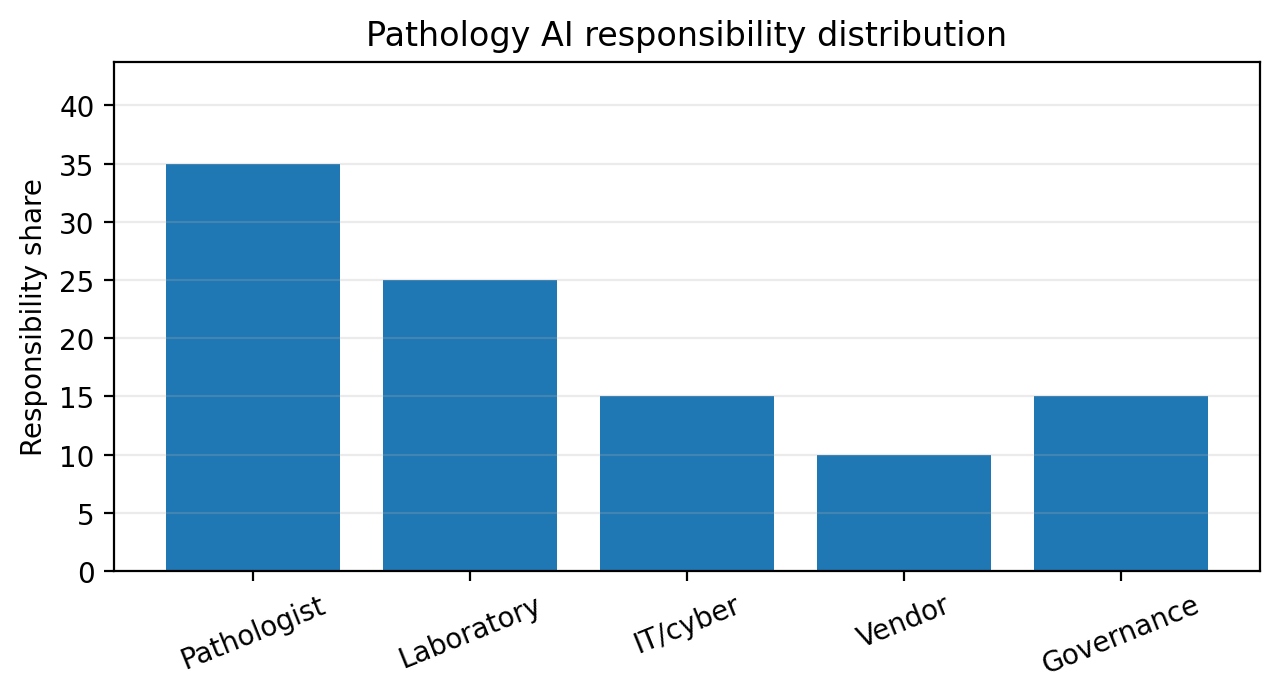
Figure 1. Author-developed visual prepared for NYCAR publication use. Copyright © June 2026 Ogochukwu I. Okoye. All rights reserved.

Chapter 3: Regulatory and Case Context

3.1 The FDA De Novo authorization

The FDA De Novo decision for Paige Prostate provides the regulatory anchor for this study. Public FDA material states that Paige Prostate is software intended to assist pathologists in detecting foci suspicious for cancer during review of digitized prostate biopsy images (U.S. Food and Drug Administration, 2021). That wording matters. It establishes assistance, suspicion, digitized images, prostate biopsy, and pathologist review as the central boundaries.

A regulatory boundary is a safety boundary. A laboratory that uses a tool outside its intended use invites clinical and legal confusion. A device cleared for assisting with suspicious foci in prostate biopsy review cannot be casually generalized to other cancers, other specimen types, or unsupported diagnostic decisions. Responsible implementation begins with the discipline of intended use.

The public case material is enough to support analysis, but not enough to prove every local outcome. It does not show how each laboratory trains users, handles exceptions, archives image data, monitors false alerts, or reports turnaround changes. That is why this publication separates the regulatory case from the local governance case. FDA authorization can open a path; local validation decides whether that path is safe enough for a given service.

3.2 Evidence boundaries

AI healthcare publications often lose credibility by overstating what a public source can show. A product summary can describe intended use and evidence reviewed for authorization. It cannot prove equity across all populations, user behavior across all laboratories, or sustainability under staffing pressure. That boundary matters in digital pathology because the same software can perform differently when the scanner, case mix, user training, network, or display changes.

The evidence base used here is therefore layered. FDA material supports the Paige Prostate device context. CAP guidance supports the importance of whole-slide imaging validation. Digital pathology literature supports the need for external evaluation and careful clinical adoption. AI governance sources, including the NIST AI Risk Management Framework, support risk identification, measurement, management, and monitoring across the life of an AI system (NIST, 2023).

The study does not claim that private Paige data, local laboratory logs, or patient-level outcomes were analyzed. It provides a management framework that a laboratory could adapt with local data. That restraint is part of the publication standard. A planning model is valuable when it states what it can and cannot prove.

3.3 From authorization to service adoption

The transition from authorized device to service adoption is where many health technologies succeed or fail. The laboratory can identify the intended pathway, determine which cases qualify, train pathologists, set review rules, define escalation, protect data, measure discrepancy, and decide what counts as a failed or concerning use case. No single announcement accomplishes that work.

The case raises responsibility questions. If software highlights a suspicious area and the pathologist disagrees, what record is preserved? If the system misses a focus that the pathologist finds, is that event logged for performance review? If the pathologist misses a focus that the software highlighted, how is that handled in education and quality assurance? These questions are uncomfortable because they connect human judgment with machine assistance. Avoiding them does not make the risk disappear.

Adoption is paced by readiness. A smaller laboratory may need a different rollout than a large academic center. A site with mature digital pathology infrastructure may be able to focus on AI governance. A site still building whole-slide imaging capacity may can solve scanner validation and image-management problems before adding algorithmic support. The tool enters the laboratory as part of a system, not as a standalone answer.

Chapter 4: Workflow, Validation, and Diagnostic Safety

4.1 Workflow fit

Workflow fit is one of the most important safety questions in AI-assisted pathology. A system that interrupts reading, slows case navigation, or produces unclear alerts can weaken service quality even when its technical performance appears attractive. A pathologist reviewing a long list of cases needs the software to integrate with the viewer, the laboratory information system, the reporting routine, and the local sequence of work. Anything else becomes a The next point job.

The workflow question can be tested through observation. How many clicks are required? Where does the alert appear? Does it arrive before, during, or after the pathologist’s review? Can the user move easily between regions? Is the alert explainable enough to prompt examination without creating false authority? Are disagreements recordable? Do case files remain easy to locate after review? These details decide whether the service becomes safer or simply more complicated.

Workflow fit is a matter of attention. AI assistance may be most useful when it helps prevent fatigue-related oversight, particularly in large volumes of benign-appearing tissue. Yet if the tool creates too many signals, pathologists may learn to ignore it. Alert burden is a clinical governance issue. A laboratory can know whether the alert pattern supports careful review or becomes noise.

4.2 Validation before use

Validation is the laboratory’s The opening point serious act of self-protection. CAP guidance on whole-slide imaging emphasizes validation for intended diagnostic use, recognizing that a system’s performance is assessed in the environment where it will be used (Evans et al., 2022; Pantanowitz et al., 2013). AI support adds another layer. The scanner, tissue preparation, image quality, user interface, algorithm, and case mix all interact.

A practical validation plan for Paige Prostate use would include a defined case set, qualified pathologists, scanner and display details, acceptance criteria, discrepancy review, documentation, and governance sign-off. It would not be enough to say that the device has regulatory authorization. Local validation asks a different question: does this site’s digital pathway support safe use for the intended cases and users?

Validation requires negative space. Which cases are excluded? What happens with poor image quality? How are atypical small foci, inflammation, artifacts, or unusual histology handled? What if the tissue preparation does not resemble cases in the original evidence base? A good validation process is not built to confirm confidence. It is built to expose where confidence is too easy.

4.3 Diagnostic safety after launch

Post-launch safety matters because performance is not frozen at go-live. Staff change, scanners are serviced, software versions may change, case mix shifts, workloads fluctuate, and reporting practices develop shortcuts. A laboratory that treats implementation as complete after launch may miss the moment when safe use begins to drift.

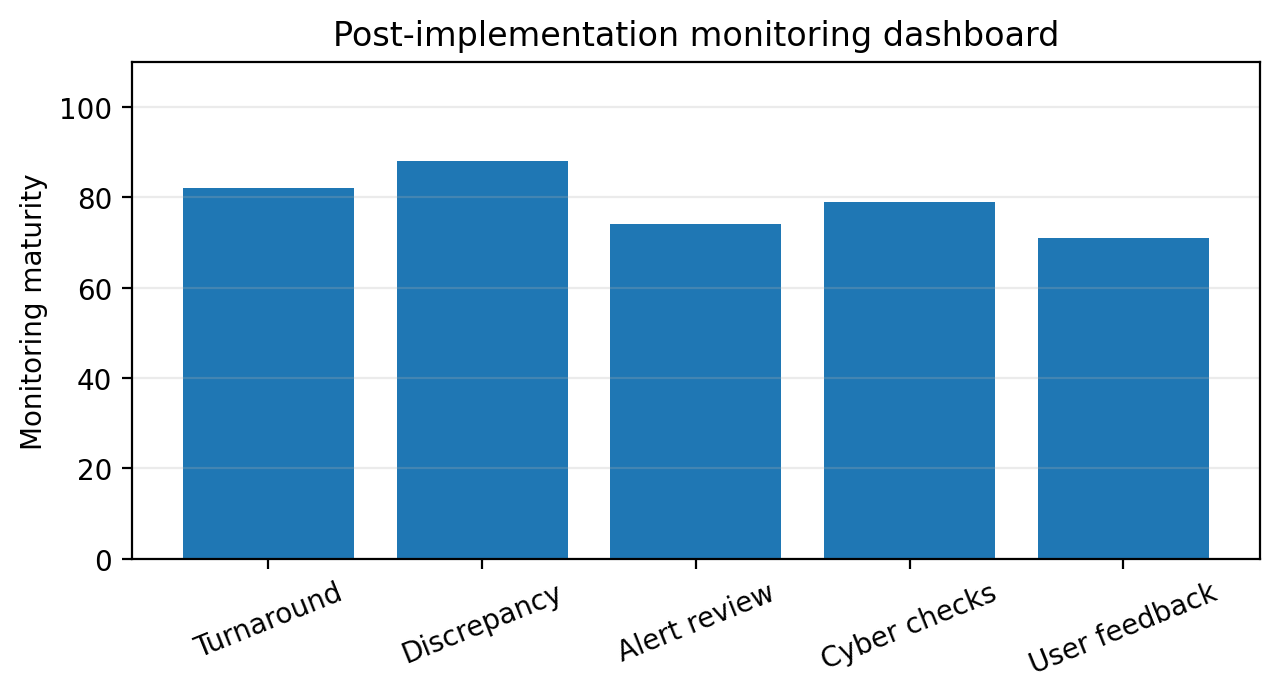
Monitoring requires turnaround time, discrepancy review, false alert burden, missed-alert review, user feedback, case routing, image quality, technical downtime, and pathologist confidence. Some measures are numerical; others require professional review. A dashboard can show patterns, but it cannot interpret every pathology disagreement. Governance boards need both metrics and professional discussion.

Diagnostic safety includes the patient’s timeline. An AI-assisted service that improves internal review but delays report release has not clearly helped the patient. Conversely, a tool that reduces delay while preserving review quality may support access to treatment. Managers can connect laboratory metrics to clinical consequences: the report, the multidisciplinary team, the patient consultation, and the treatment plan.

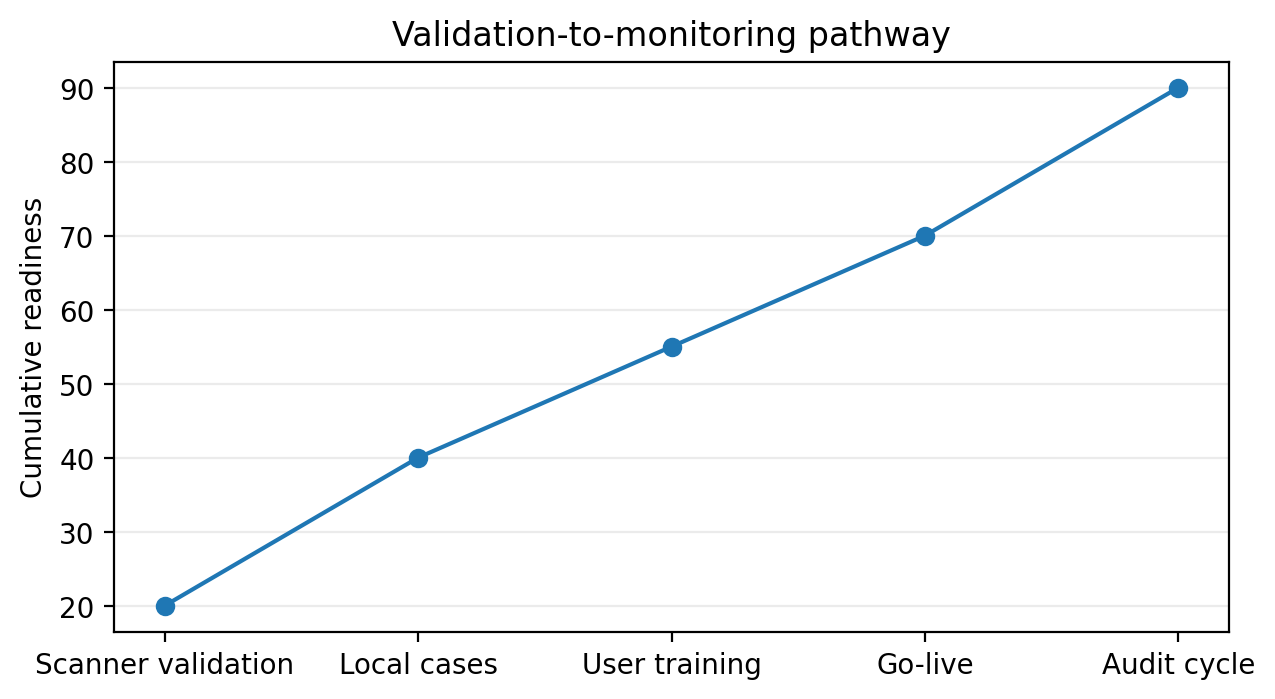
Figure 2. Author-developed visual prepared for NYCAR publication use. Copyright © June 2026 Ogochukwu I. Okoye. All rights reserved.

Chapter 5: Workforce Sustainability and Professional Practice

5.1 The pathologist as accountable professional

AI assistance changes the work of the pathologist but does not erase professional accountability. The pathologist still examines the tissue, interprets morphology, considers clinical context, resolves uncertainty, and signs the report. A software output is part of the evidence environment. It is not the clinician.

This distinction protects patients and professionals. Patients are entitled to know that a qualified person remains responsible. Pathologists need organizations that do not pressure them to accept algorithmic suggestions for the sake of speed. Vendors need feedback, but they do not supervise diagnosis. Laboratory leadership can preserve these boundaries in policy, training, and daily work.

Accountability requires time. A pathologist cannot exercise meaningful oversight if workloads are arranged as if algorithmic support has already solved the labor problem. If AI is used to increase volume without preserving review time, diagnostic authority becomes formal rather than practical. Workforce sustainability depends on honest workload planning.

5.2 Training and professional confidence

Training cannot be limited to a demonstration of buttons. Pathologists require an understanding of intended use, evidence limits, alert behavior, disagreement handling, documentation, and local escalation. Laboratory scientists and informatics staff need parallel training around scanning, image quality, data handling, and technical faults. Managers need training in what the tool can and cannot justify.

Professional confidence grows when the system allows users to question it. Pathologists need a pathway for reporting confusing alerts, false positives, suspected misses, and workflow problems. Those reports are reviewed without blame. Early adoption always reveals frictions that were not visible in procurement conversations.

The workforce benefit of digital pathology appears when the technology gives clinicians more usable time, better access to consultation, easier review of difficult cases, and greater flexibility across sites. If the system creates a permanent layer of troubleshooting and administrative work, the promised benefit weakens. This is why training and user feedback belong inside the workforce model rather than outside it.

5.3 Remote work and service resilience

Digital pathology can support remote review and networked expertise. That is valuable for resilience. A service may use digital slides to route cases to subspecialists, support consultation between hospitals, cover short-term absence, or reduce geographic bottlenecks. For regions with uneven pathology capacity, remote review can be more than convenience.

Remote work still requires governance. The display environment, network security, authentication, data storage, reporting interface, and local policy are fit for diagnostic work. A pathologist reviewing at a remote site does not become less accountable, and the laboratory does not become less responsible for the conditions of review. Remote flexibility is safe only when the environment is controlled.

Workforce sustainability therefore involves both distribution and protection. The service can use scarce expertise more flexibly, but it can protect concentration, supervision, and peer contact. The profession cannot be sustained by isolated clinicians working through screens without adequate connection to colleagues, quality review, or service leadership.

Chapter 6: Diagnostic-Load Balance Model

6.1 Purpose of the model

The diagnostic-load balance model is designed for planning, not for claiming hidden empirical findings. It asks whether the burden of implementing AI-assisted digital pathology is justified by the clinical and workforce benefits expected in a defined setting. The model is deliberately transparent, because healthcare managers require tools that can be debated rather than black boxes that imitate certainty.

The model uses six components. Four are potential benefits: validated infrastructure, assistive review value, workflow efficiency, and workforce flexibility. Two are burdens: error risk and implementation burden. The balance is favorable when the benefit components outweigh burden in a way supported by local evidence. The balance is not favorable when the tool adds complexity faster than the laboratory can govern it.

The model can be expressed as DLB = 0.25V + 0.20A + 0.20E + 0.15F – 0.10R – 0.10B. V represents validated infrastructure, A assistive review value, E workflow efficiency, F workforce flexibility, R error risk, and B implementation burden. Scores are normalized on a 0 to 100 scale. The weights are author-developed planning weights, not universal constants.

6.2 Interpreting the components

Validated infrastructure receives the highest weight because an AI tool depends on the digital pathway that carries it. If scanner validation, display conditions, image quality, data storage, and viewer performance are weak, the algorithm enters an unstable environment. No model of diagnostic support can rescue a poorly governed digital foundation.

Assistive review value refers to the capacity of the tool to direct attention in a clinically useful way. It includes whether suspicious regions are highlighted clearly, whether user disagreement is possible, whether alerts support rather than interrupt review, and whether the evidence base fits the intended case type. Workflow efficiency examines whether review, reporting, consultation, and audit become more manageable in practice.

Workforce flexibility captures the ability to route cases, support remote review, or make scarce expertise more accessible. Error risk includes false reassurance, automation bias, poor image quality, missed foci, and overreliance on the tool. Implementation burden includes validation, procurement, training, maintenance, cybersecurity, vendor management, and quality monitoring. A low burden score is not always desirable; it may indicate that the laboratory has not counted the work honestly.

6.3 Example interpretation

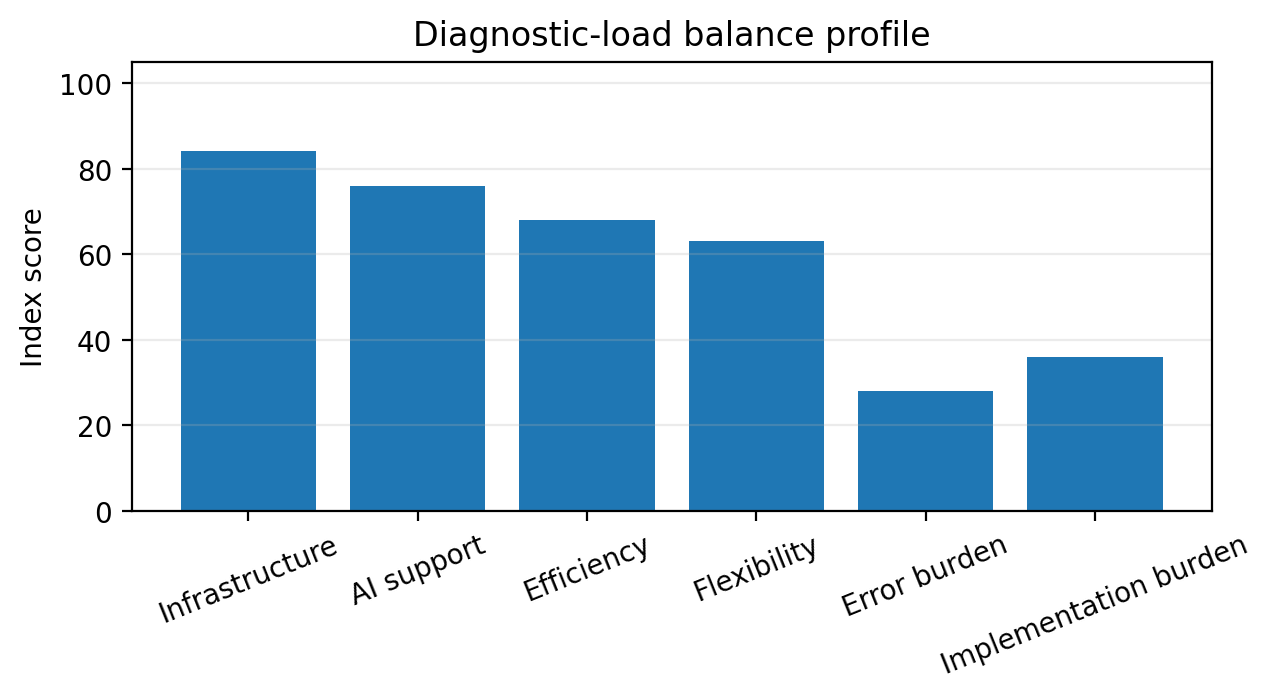
In a planning example, a laboratory might score validated infrastructure at 84, assistive review at 76, workflow efficiency at 68, workforce flexibility at 63, error risk at 28, and implementation burden at 36. The weighted result would be DLB = 0.25(84) + 0.20(76) + 0.20(68) + 0.15(63) – 0.10(28) – 0.10(36), which equals 52.85 on the chosen scale. The number is not a claim about Paige Prostate performance. It is a way to ask why the score is not higher and what action would improve readiness.

The model becomes useful when the components lead to decisions. If infrastructure is low, the laboratory invests in scanner validation and image governance before expanding use. If workflow efficiency is low, pathologists and informatics staff review the viewer and reporting interface. If error risk is high, training and discrepancy monitoring intensify. If implementation burden is high but benefits are high, leadership may proceed with a phased launch rather than a broad rollout.

A model of this kind protects against both resistance and enthusiasm. It prevents leaders from rejecting AI without examining potential benefit, and it prevents them from adopting AI because modern language is persuasive. It asks the laboratory to show where the benefit will be realized and where the burden will be carried.

Figure 3. Author-developed visual prepared for NYCAR publication use. Copyright © June 2026 Ogochukwu I. Okoye. All rights reserved.

Table 2. Diagnostic-load balance model variables

Variable Meaning Local evidence
V Validated infrastructure Scanner/display validation, image-quality logs.
A Assistive review value Alert usefulness, user review feedback.
E Workflow efficiency Turnaround time, click burden, case routing.
F Workforce flexibility Remote review, consultation, staff coverage.
R Error risk Discrepancies, missed/false alerts, excluded cases.
B Implementation burden Training, support, cybersecurity, monitoring workload.

Note. Variables are author-developed planning variables, not private clinical data.

Chapter 7: Governance, Accountability, and Monitoring

7.1 Governance structure

AI-assisted digital pathology needs a defined governance structure before routine clinical use. A pathology AI committee or equivalent clinical governance forum can bring together pathologists, laboratory managers, informatics staff, cybersecurity leads, quality officers, procurement, data protection personnel, and patient safety representatives. The point is not to create a larger committee. The point is to place all relevant risks in one accountable forum.

Decision rights are explicit. Who approves go-live? Who authorizes a software update? Who reviews discrepancy events? Who can suspend use if image quality fails or alert behavior changes? Who communicates with clinicians if turnaround is affected? These decisions cannot be left to informal goodwill because diagnostic services operate under pressure.

Governance needs a record. Minutes, validation files, training logs, incident records, discrepancy reviews, and user feedback provide the history of the system. If an adverse event occurs, the laboratory shows not just that the device was authorized, but that the service was governed responsibly.

7.2 Cybersecurity and data control

Digital slides are patient data. They contain diagnostic material, identifiers, and sometimes links to clinical histories. AI-assisted pathology therefore raises cybersecurity and privacy duties that are not optional add-ons. Access control, encryption, logging, backup, vendor connectivity, and incident response all belong to the clinical safety case.

Cybersecurity failure in a pathology service can be more than a privacy breach. It can interrupt diagnosis, delay reporting, corrupt confidence in data, or compromise availability of prior slides. Health-service leaders can treat digital pathology infrastructure as critical clinical infrastructure. A laboratory that cannot access images or verify integrity cannot deliver diagnosis safely.

Vendor relationships require particular care. Contracts can address data use, update control, service availability, support response, security obligations, audit rights, and exit arrangements. Procurement cannot be separated from clinical governance. The terms under which data, software, and support are managed will affect diagnostic service quality.

7.3 Monitoring after implementation

Post-implementation monitoring is the difference between launch and learning. The laboratory can know whether the tool changes turnaround time, review behavior, case routing, discrepancy patterns, alert burden, user confidence, and consultation demand. Without monitoring, adoption becomes an act of faith.

Monitoring preserves professional judgment. A pathologist’s disagreement with software is not automatically an error, and a software alert is not automatically correct. The audit process can examine cases carefully, looking at the tissue, context, report, and user behavior. A crude scorecard could punish appropriate clinical independence.

The monitoring cycle can lead to action. If a recurring artifact creates false alerts, the scanning or preparation process needs review. If users report workflow friction, the interface or local routine needs change. If discrepancy review identifies a pattern, training or scope may need adjustment. AI governance earns trust when it changes practice in response to evidence.

Figure 4. Author-developed visual prepared for NYCAR publication use. Copyright © June 2026 Ogochukwu I. Okoye. All rights reserved.

Chapter 8: Implementation Priorities

8.1 Readiness assessment

Implementation begins with readiness. A site can know whether whole-slide imaging is already validated for relevant diagnostic purposes, whether scanner capacity can handle the expected load, whether storage and network performance are reliable, whether displays meet diagnostic needs, and whether pathologists have time to participate in validation. These are not IT questions alone. They are diagnostic service questions.

Readiness assessment is documented in plain language. Boards and senior leaders require an understanding of the clinical path, not just the procurement logic. The assessment states what the tool will be used for, what it will not be used for, what evidence supports the use, what local validation showed, what burdens remain, and what conditions would trigger review.

The site can decide the launch route. A phased rollout may begin with a limited group of trained users and a defined case type. Early months can then be treated as a supervised period with active feedback. Broad rollout without early learning may look efficient, but it exposes the service to wider variation before the local system understands its own weak points.

8.2 Patient and clinician communication

Patients do not need a technical tutorial on AI, but they deserve truthful communication when diagnostic services change in ways that affect care. Clinical teams need language that explains assistive review without implying that diagnosis is being handed to software. The message is simple: digital tools may support review, while the pathologist remains responsible for diagnosis.

Referring clinicians need clarity. They requires knowledge of whether AI assistance affects report timing, case selection, consultation, or escalation. If a service is in phased rollout, clinicians require knowledge of what that means. Ambiguity can create anxiety, especially in cancer pathways where patients and treating teams are waiting for decisive reports.

Communication helps protect trust after problems. If a technical fault delays reporting or a software update requires temporary suspension, the service needs a plan for informing affected clinical teams. Silence is rarely neutral in cancer services. It can turn a manageable delay into loss of confidence.

8.3 Procurement and cost realism

Procurement can count the whole system. The cost of AI-assisted digital pathology includes software, scanner capacity, storage, network infrastructure, cybersecurity, validation time, staff training, quality review, support, and ongoing monitoring. A narrow licensing cost can make the investment appear simpler than it is.

Cost realism is not hostility to innovation. It protects innovation from backlash. When leaders approve a project on unrealistic assumptions, implementation teams are left to absorb the hidden work. The result may be delayed launch, frustrated pathologists, insecure workarounds, and weakened credibility. A better business case names the work honestly before approval.

The cost case can include potential value: reduced review delay, improved consultation, more flexible staffing, earlier identification of suspicious foci, and better audit. These benefits need local evidence. A service cannot manage what it refuses to measure.

Chapter 9: Extended Professional Analysis

9.1 Equity and access

AI-assisted digital pathology can widen access to expertise, but it can deepen inequity if only well-funded centers can implement it safely. A pathology service in a large academic hospital may have mature scanning infrastructure, informatics teams, and digital governance. A smaller service may face older systems, fewer pathologists, weaker network support, or limited capital. If adoption becomes a symbol of prestige rather than a pathway to safer diagnosis, the gap between institutions may grow.

Equity appears within the evidence base. Algorithms are trained and tested on particular slide preparations, scanners, staining patterns, populations, and case distributions. Local validation asks whether the local tissue, workflow, and patient population are adequately represented. A tool that works well in one setting may not perform the same way elsewhere.

Access to diagnostic quality matters because cancer care is time-sensitive and geographically uneven. Digital pathology can support expert review across distance, but only if infrastructure reaches beyond the better-resourced center. Policy leaders can view digital pathology as part of cancer-service capacity, not just as a laboratory modernization project.

9.2 Ethics of professional dependence

The ethical question is not whether pathologists may use tools. Medicine has always used tools. The question is whether the tool changes dependence in a way that weakens judgment. If a clinician gradually stops looking as carefully because software has become familiar, safety declines. If software highlights a region and the clinician checks more carefully, safety may improve.

Professional dependence is shaped by culture. A laboratory can cultivate careful use by encouraging challenge, documenting disagreement, reviewing missed or false alerts, and refusing to frame AI as superior to the pathologist. A vendor can support ethical use by being clear about intended use and limitations. A governance board can support ethical use by refusing exaggerated claims.

Ethical implementation requires accountability to patients. A patient harmed by diagnostic delay or error cannot face an institution that says the software did it or the pathologist did it without explaining the pathway. Responsibility in AI-assisted diagnosis is legible. The human system that adopted the tool remains answerable for the conditions of use.

9.3 Research needs

Future research can move beyond adoption narratives. Laboratories need evidence about turnaround time, discrepancy patterns, false-alert burden, user confidence, training quality, cost, equity, and patient-level outcomes after implementation. Evidence from controlled studies is important, but service evidence is different. It shows whether the tool survives real laboratory life.

Multi-site studies would be especially valuable because digital pathology systems vary. Scanner models, staining practices, case mix, staffing, local validation, and reporting habits differ across sites. A study that works in one institution may not answer questions for another. General claims are supported by diverse settings.

Research requires workforce experience. Pathologists and laboratory staff can explain whether the tool reduces cognitive load, adds friction, supports consultation, or creates new administrative tasks. Without that evidence, leaders may mistake technical performance for service success.

Figure 5. Author-developed visual prepared for NYCAR publication use. Copyright © June 2026 Ogochukwu I. Okoye. All rights reserved.

Chapter 10: Recommendations and Final Position

10.1 Recommendations

Laboratories considering Paige Prostate or similar tools can begin with intended use. The software is used only for the case types and purposes supported by the regulatory and local validation record. Intended use belongs in training, protocols, audit, and case selection. It cannot remain a sentence in a procurement file.

Whole-slide imaging validation is complete before AI support becomes routine. Scanner performance, image quality, display conditions, viewer usability, and case equivalence need documentation. The laboratory can keep a validation file that a clinical governance board can understand.

Pathologist authority needs explicit protection. Reports remain signed by responsible pathologists. Disagreement with software is possible, recordable, and reviewable. No productivity target can imply that algorithmic highlighting reduces the duty of diagnostic review.

Post-implementation monitoring can begin at launch. Turnaround time, discrepancy review, alert burden, user feedback, technical downtime, cybersecurity events, and excluded cases is reviewed on a defined schedule. Early problems can produce local changes, not quiet tolerance.

Cybersecurity and data control is governed as clinical safety issues. Slide images, patient identifiers, access logs, vendor connectivity, backups, and incident response need clinical oversight as technical management. The laboratory cannot diagnose safely if the digital record is unavailable, insecure, or untrusted.

10.2 Final position

The final position of this publication is cautious in form and constructive in purpose. Paige Prostate shows that AI-assisted pathology has moved from speculation into regulated clinical support. That is important. It does not mean that laboratories can buy diagnostic safety in a software package.

The value of AI-assisted pathology appears when the laboratory already has the discipline to use it: validated digital infrastructure, trained pathologists, documented workflow, clear governance, protected data, and continuous monitoring. Without those conditions, the technology may still look advanced, but the patient’s diagnostic pathway may become harder to trust.

Digital pathology is therefore a test of health-service maturity. A mature service welcomes tools that support diagnostic attention while refusing to surrender judgment. It measures improvement rather than assuming it. It protects the workforce rather than treating staff as an obstacle to automation. It explains responsibility clearly. That is the standard a clinical AI program can meet.

Chapter 11: Applied Laboratory Assurance Protocol

11.1 Evidence register for local use

A laboratory that adopts assistive AI needs an evidence register that does more than store vendor paperwork. The register can show what the laboratory knows about the system it is using, how that knowledge was produced, and which decisions follow from it. A useful register begins with intended use, scanner and viewer validation, image-quality criteria, user training records, local case-set review, discrepancy review rules, cybersecurity approvals, and update-control procedures.

The evidence register is written for several audiences. Pathologists require knowledge of how the system behaves during review. Laboratory managers require knowledge of staffing, maintenance, and turnaround effects. Information-governance staff require knowledge of how patient images move and where they are stored. Senior leaders require knowledge of what risk the organization has accepted. The register is therefore a translation tool as much as a compliance record.

A weak register produces predictable confusion. When software is updated, nobody knows whether local validation is repeated. When a scanner is replaced, nobody knows whether images remain equivalent. When a pathologist questions an alert, nobody knows whether the event belongs in quality review. When cybersecurity arrangements change, nobody knows whether clinical staff need new instructions. The register reduces those gaps because it keeps the service history in one place.

The register can contain exceptions, not just approvals. If a case type is excluded, the reason belongs in the record. If an alert category is considered unreliable, that fact belongs in the record. If the launch is limited to a defined user group, the boundary belongs in the record. An evidence register that records only success tells the least useful part of the story.

11.2 Local validation set design

Local validation needs a case set that reflects the work the laboratory plans to do. Prostate biopsy material requires a range of benign cores, small suspicious foci, definite carcinoma, artifacts, inflammation, common mimics, and image-quality variation. The point is not to create a perfect experimental study. The point is to prevent the laboratory from learning too late that local material differs from assumptions made during procurement.

Case-set design is reviewed by pathologists who understand the local diagnostic workload. Informatics teams can support file handling and image preparation, but they cannot decide alone whether the cases are diagnostically adequate for validation. The professional eye of the pathologist remains central because the danger lies in clinical nuance, not just pixel quality.

Validation results is discussed in terms of decisions. If the tool performs acceptably only when images are of a certain quality, the service needs an image-quality gate. If users disagree about how to respond to alerts, the training material needs revision. If review time increases during early use, the rollout plan may need a slower schedule. Validation is useful only when it changes how the service is managed.

A good validation protocol protects against retrospective storytelling. Without predefined criteria, teams may explain away weak results because the project already has momentum. Criteria is agreed in advance: acceptable discrepancy, user confidence, turnaround effect, technical failure, and escalation triggers. Predefinition makes local judgment fairer.

11.3 Update control and version accountability

Software systems change. That fact is often treated as ordinary IT maintenance, but in clinical AI it may affect diagnostic behavior. A minor interface adjustment can change how an alert is noticed. A model update can change sensitivity, specificity, or the pattern of highlighted regions. A viewer update can change performance or user navigation. A laboratory that does not govern versions cannot confidently explain what system produced a given clinical condition.

Version accountability requires a policy. The policy states how software updates are announced, who reviews them, what level of revalidation is required, how users are informed, and how the change is recorded. Some updates may require only technical confirmation. Others may require renewed clinical testing. The difference cannot be left to the vendor alone.

Update control matters for retrospective review. If a discrepancy is found six months after a report, the laboratory may require knowledge of which software version, scanner, viewer, and workflow were in use at the time. A system without version history makes accountability harder. This is not administrative excess. It is the record needed to understand clinical events.

The safest update culture is neither rigid nor careless. It allows improvement while protecting clinical evidence. New versions may bring better performance, but each change needs an accountable route into practice.

Chapter 12: Patient Safety, Equity, and Public Trust

12.1 The patient behind the slide

Digital pathology writing can become abstract because slides, algorithms, scanners, and dashboards dominate the language. Patient safety requires the opposite discipline. Behind every prostate biopsy is a person waiting for a result that may lead to surveillance, surgery, radiotherapy, systemic treatment, or relief. Turnaround time, accuracy, clarity, and continuity matter because a report enters a life, not just a database.

The patient rarely sees the laboratory, yet the laboratory shapes the patient’s options. A delayed report can postpone the next appointment. An unclear report can complicate clinical explanation. A missed focus can delay cancer recognition. An overcalled finding can lead to anxiety and unnecessary intervention. These consequences give digital pathology its ethical weight.

AI assistance can therefore be judged by what it does to the patient pathway. Does it help reports become safer and timelier? Does it support clinicians with clearer information? Does it reduce bottlenecks in consultation? Does it introduce unexplained variation? Does it widen access for patients in sites with limited subspecialty expertise? These questions keep the system honest.

12.2 Equity in digital implementation

Equity concerns arise in several places. Wealthier health systems may adopt digital pathology earlier, while lower-resource services remain dependent on older infrastructure. Urban centers may gain subspecialty digital networks while smaller hospitals struggle with scanner procurement or network reliability. If digital pathology becomes a premium capability rather than a shared diagnostic asset, patients may experience uneven access to advanced review.

Equity concerns data. AI systems reflect the material used to develop and test them. Tissue preparation, scanner types, staining practices, and case populations vary. Local validation provides one safeguard, but it cannot answer every population question. Laboratories can watch for patterns in which the system behaves differently across preparation methods, case sources, or patient groups.

An equity-minded implementation plan includes access, geography, and service distribution. It asks whether remote review can help under-served areas, whether network costs will exclude smaller sites, whether staff in all settings receive adequate training, and whether patient pathways are improved where diagnostic delay is greatest. Digital pathology can support fairness only when fairness is part of the design.

12.3 Public trust and explanation

Public trust in medical AI is fragile because patients may hear the word artificial intelligence and imagine replacement, surveillance, or experimentation. A health service that uses AI-assisted review needs language that is factual and calm. The patient can understand that the pathologist remains responsible, that the tool is used within an approved and validated pathway, and that the purpose is to support careful review.

Overpromising damages trust. Claiming that AI removes error or solves workforce pressure will eventually collide with real clinical complexity. Underexplaining damages trust. If patients discover later that AI was used and the service never explained how responsibility was protected, suspicion may follow. The correct public voice is direct: the tool may support review; the diagnosis remains a professional act; the laboratory monitors the service.

Explanation is needed inside the organization. Clinicians who receive reports requires knowledge of the service pathway well enough to answer patient questions. Laboratory staff requires knowledge of what is being implemented and why. Governance teams can understand the evidence. Trust is built when explanation travels with the technology.

Appendix A: NYCAR Implementation Checklist for AI-Assisted Digital Pathology

A.1 Governance checklist

The implementation checklist begins with a question that is often skipped because it sounds too simple: what exactly is the system intended to do in this laboratory? The answer can name the specimen type, user group, scanner pathway, review sequence, reporting effect, exclusion criteria, and decision owner. If the answer cannot be written clearly, the service is not ready for launch.

The governance checklist requires: intended use statement; local validation approval; named clinical lead; named laboratory operations lead; information-governance review; cybersecurity approval; vendor-support route; version-control rule; incident-reporting route; discrepancy-review schedule; user training log; patient and clinician communication plan; and suspension criteria. Each item needs an owner and a date.

The checklist is not designed to slow useful technology. It prevents ambiguity from becoming clinical risk. A laboratory under pressure may want to move quickly, yet speed without accountable preparation creates future delay. The checklist gives leaders a way to move with discipline.

A.2 Monitoring checklist

Monitoring begins with the everyday questions of the service. Are reports being completed on time? Are pathologists comfortable using the tool? Are alerts clinically useful? Are there repeated false signals? Are cases being excluded for image-quality reasons? Are scanner or viewer problems delaying review? Are cybersecurity or access problems affecting availability?

The monitoring file can contain numerical measures and narrative review. Numbers may show that turnaround time improved, but users may still report frustrating alert placement. Numbers may show few discrepancies, but a small number of serious events may require immediate action. Narrative review prevents metrics from becoming a substitute for professional judgment.

An annual review asks whether the tool remains fit for purpose. The answer may be yes, but it is earned. The service may need updated training, revalidation after software changes, review of excluded cases, or revised governance if the case mix has changed. Continuing use is a decision, not an assumption.

A.3 Evidence table

A final evidence table is maintained by the laboratory. It lists each source of evidence, the date reviewed, the decision made, and the next review point. FDA material, CAP guidance, local validation, user feedback, discrepancy review, technical incident records, cybersecurity review, and patient-pathway metrics belong in the same governance file because they describe one clinical service.

The value of this table appears when something goes wrong. Leaders can see what was known, what was decided, and where the service may have failed. That visibility supports learning. It protects staff from vague blame because the pathway becomes easier to reconstruct.

AI-assisted digital pathology will continue to develop. New tools will extend beyond prostate biopsy review into other tissues, tasks, and reporting practices. The checklist in this appendix gives laboratories a practical way to evaluate each new claim: define the use, validate locally, protect professional authority, monitor after launch, and keep the patient’s diagnostic pathway at the center.

Chapter 13: Case Scenarios in Diagnostic Governance

13.1 Small focus in a high-volume session

A useful way to test the governance framework is to imagine an ordinary high-volume reporting session. The pathologist is reviewing many prostate biopsy cores. Most are benign. The danger is not dramatic incompetence; it is fatigue, repetition, time pressure, and a small suspicious focus that does not announce itself. In that setting, assistive software may have value because it can direct attention to a region that deserves careful inspection.

The managerial point is not that the software becomes the diagnostician. The point is that the service has created a The next point layer of attention inside a repetitive task. If the alert is well integrated, the pathologist can examine the region, agree or disagree, and continue with professional control. If the alert is poorly integrated, it may distract, slow review, or create doubt without adding useful information.

A governance review of this scenario would examine whether the pathologist saw the alert, whether the alert was clinically appropriate, whether review time changed, and whether the final report reflected independent interpretation. This case raises training questions. Pathologists require knowledge of how to respond to low-confidence, high-confidence, and apparently mistaken signals without turning the software into either an authority or an annoyance.

The scenario is ordinary, which is why it matters. Patient safety is often protected not by rare heroic interventions but by better design of repeated work. If AI assistance reduces the chance that a small focus is missed during routine review, the effect may be clinically meaningful. That benefit still depends on validation, usability, and monitoring.

13.2 Image-quality failure

Another scenario begins with a flawed scan. The tissue may be folded, focus may be weak, staining may be uneven, or an image tile may fail. A human pathologist may notice the problem because the image feels wrong during review. An algorithm may behave unpredictably because the image no longer matches the expected input. The service needs a rule for this situation before it occurs.

Image-quality failure is not a minor technical event. It can alter diagnostic confidence. The laboratory needs a process for identifying poor scans, rescanning, excluding cases from AI support, and documenting the decision. The scanner operator, pathologist, and quality lead all have roles. A system that sends poor images into assisted review without a gate is placing software into a setting it was not designed to manage.

Monitoring image-quality failures can reveal deeper service issues. A recurring focus problem may point to scanner maintenance. A staining variation may point to laboratory preparation. A pattern in particular specimen types may require additional validation. The AI tool becomes part of a wider quality conversation because its behavior depends on the images it receives.

The safest service culture treats technical faults as clinical information. Staff are encouraged to report poor images, pathologists are supported when they request rescanning, and leadership sees the cost of rescanning as part of diagnostic protection rather than wasted time.

13.3 Remote consultation under pressure

A The final point scenario involves remote consultation. A smaller hospital scans a prostate biopsy case and seeks subspecialty input from a pathologist at another site. Digital pathology makes that consultation easier because the slide can move without moving glass. AI assistance may help identify regions for discussion. The patient may benefit from faster access to expertise.

Remote consultation still requires a controlled pathway. The receiving pathologist needs adequate display conditions, secure access, case context, clinical history, and a reporting route. The originating laboratory can know how the consultation will be documented and how responsibility is shared. If software alerts are used, the consultative record can make clear whether they informed discussion or whether the consultant conducted a separate review.

This scenario shows why digital pathology can be a workforce strategy. Scarce expertise can be distributed across geography. Services can collaborate without courier delays. Yet the governance becomes more complicated because multiple organizations, systems, and professionals may be involved. Contracts, data-sharing rules, indemnity, response times, and quality review all need attention.

The practical lesson is that remote review is not less formal than on-site review. It may require more explicit governance because the familiar cues of the local laboratory are absent. A digital consultation pathway that is secure, documented, and clinically clear can improve access. An informal pathway can create new uncertainty.

Chapter 14: Management Metrics and Board Assurance

14.1 Board-level indicators

A board or senior clinical governance committee does not can see every software alert. It does need a small set of indicators that reveal whether the service remains safe and useful. Suitable board-level indicators include validated case scope, turnaround time, excluded cases, image-quality failures, discrepancy-review outcomes, user feedback, cybersecurity incidents, software version status, and training completion.

The point of board assurance is not to pull diagnostic judgment into executive meetings. It is to ensure that leaders who approve investment and risk understand whether the system they authorized is behaving as expected. AI-assisted pathology may be technically complex, but its assurance questions can be made legible: is it being used for the approved purpose, is it reliable in local use, are staff prepared, are exceptions managed, and is patient care affected?

A board report can separate facts from interpretation. Facts include numbers: number of cases reviewed, excluded scans, average turnaround time, discrepancy events, downtime, training completion. Interpretation explains what those numbers mean. A rising exclusion rate may indicate poor image quality, more cautious users, or better detection of unsuitable cases. Governance requires explanation, not just counting.

The board can see unresolved risks. If an update is pending, if storage capacity is under pressure, if a user group has not completed training, or if turnaround gains have not appeared, those points belong in the report. Mature governance does not hide uncertainty until after harm.

14.2 Laboratory-level metrics

Laboratory leaders need a more detailed view than the board. They require knowledge of where work slows, where staff struggle, which cases are excluded, how often rescanning occurs, whether alerts are useful, and how frequently users disagree with the system. These metrics belong close to the people doing the work because they can change practice quickly.

Useful laboratory measures include scan-to-view time, view-to-report time, rescan rate, AI-alert review time, report amendment frequency, consultation rate, and technical-support response time. Some measures will be affected by case complexity, so leaders can interpret trends with pathologist input. A higher consultation rate may indicate uncertainty, but it may indicate better use of expertise.

Metrics cannot be weaponized against pathologists. If users fear that disagreement or slower review will be judged as failure, they may stop reporting useful concerns. Early implementation needs a learning culture. The goal is to understand how the service behaves, not to produce a perfect dashboard.

A laboratory metric is valuable when it leads to change. If scan-to-view time is slow, network or storage performance may need work. If rescan rates rise, slide preparation or scanner maintenance may be at issue. If alert burden is high, training or case-scope refinement may be needed. The metric is the beginning of action, not its substitute.

14.3 Patient-pathway metrics

Patient-pathway metrics connect the laboratory to the wider cancer service. A pathology report enters a chain that includes the urologist, multidisciplinary team, treatment planning, and patient communication. If the AI-assisted pathway improves internal laboratory measures but has no effect on patient-facing timelines, the service can understand why.

Patient-pathway metrics might include biopsy-to-report time, report-to-clinician review time, report-to-MDT time, and report-to-treatment decision time. The laboratory does not control every part of that chain, but it influences it. A diagnostic service that sees only its own turnaround may miss the point at which diagnostic delay reappears elsewhere.

These metrics help justify investment. Senior leaders are more likely to support digital pathology when the service can show effects beyond internal efficiency. A faster and safer report can contribute to cancer pathway performance, clinician confidence, and patient reassurance. The benefit becomes visible when it is linked to the path the patient actually travels.

Patient-pathway measures need careful interpretation because improvement may be blocked by downstream constraints. If reports are faster but treatment appointments remain delayed, the pathology service has still improved its part of the system. The lesson is that diagnostic innovation and wider cancer capacity are governed together.

Chapter 15: Research Limits and Future Agenda

15.1 Limits of public evidence

This publication relies on public regulatory and professional evidence. That is appropriate for a master’s research publication, but it creates limits. Public evidence can describe authorization, intended use, guidelines, and published concerns. It cannot show every private laboratory decision, every user experience, every local discrepancy, or every vendor support event. A reader can therefore treat the framework as a disciplined planning model rather than a completed evaluation of all Paige Prostate deployments.

The limits are not a weakness when they are named. Many institutional publications lose credibility because they pretend to have more data than they actually have. This study does not report private coefficients, hidden patient outcomes, or confidential performance logs. It identifies the data that responsible organizations would can collect.

Those data include local validation results, case exclusions, alert patterns, user disagreement, turnaround time, discrepancy review, technical downtime, training completion, update history, and patient-pathway effects. A hospital or laboratory adopting AI-assisted pathology could use those data to produce a much more reliable empirical study after implementation.

The research position is therefore modest and useful. Public evidence supports the case for careful adoption. Local evidence decides whether adoption has improved the service.

15.2 Future research questions

Future research can examine AI-assisted pathology in real laboratory workflows across multiple sites. A useful study would compare sites with different scanners, case volumes, staffing patterns, digital maturity, and governance models. It would ask whether AI assistance changes diagnostic turnaround, pathologist workload, discrepancy rates, consultation patterns, and user confidence. It would not stop at accuracy.

Research can examine patient communication. Patients may respond differently to the use of AI in diagnosis depending on how it is explained, whether responsibility is clear, and whether the service has public trust. A patient-centered study could examine what language supports understanding without creating fear or false certainty.

Workforce studies are needed because AI adoption can be felt differently by pathologists, laboratory scientists, informatics teams, and managers. The same tool may reduce one kind of work while increasing another. A serious workforce study would examine transition burden, training time, troubleshooting, remote review, peer consultation, and job satisfaction.

Equity research can examine whether digital pathology and AI assistance reduce geographic variation in diagnostic access or widen it. If high-resource centers gain better tools while lower-resource centers fall behind, the technology may improve some services while leaving structural inequity intact. Equity is measured, not assumed.

15.3 Closing research statement

Digital pathology and AI-assisted diagnosis will keep moving. The question for health systems is not whether the field can be stopped. It cannot. The question is whether adoption will be governed with enough clinical discipline to protect patients and enough workforce realism to protect the professionals who carry diagnostic responsibility.

Paige Prostate is a valuable case because it keeps the discussion concrete. It shows a defined device, a defined intended use, a defined diagnostic field, and a defined human role. That specificity allows better thinking. Instead of asking whether AI is good or bad for medicine, the study asks how one assistive system can be governed in one sensitive diagnostic pathway.

The answer is neither rejection nor celebration. The answer is stewardship. Validate the digital pathway. Protect pathologist authority. Monitor performance. Count the implementation burden. Respect patient trust. Use AI where it supports diagnostic attention, and refuse to let the language of innovation outrun the conditions of safe clinical use.

Appendix B: Diagnostic Incident Review Scenarios

B.1 Discrepant case after sign-out

A discrepant case after sign-out is the moment when governance becomes visible. Suppose a later review identifies a suspicious focus that was not included in the original report. The laboratory’s The opening point obligation is clinical: determine whether the patient’s care needs correction and whether the treating team requires immediate information. The next obligation is analytic: reconstruct the pathway without rushing to a convenient explanation.

The review file can identify the original slide, scanner, software version, user, case context, image quality, alert behavior, report timing, and any peer consultation. If the AI tool highlighted the region and the pathologist did not agree, the review asks how the disagreement was handled. If the AI tool did not highlight the region, the review asks whether this case falls outside expected behavior or whether a pattern is emerging. If the image was poor, the review asks why it passed the quality gate.

This process protects fairness to staff because it avoids shallow blame. A missed focus can arise from tissue quality, scanning, workflow pressure, communication, or interpretation. The review can identify the system conditions that made the event possible. It can then decide whether training, case selection, scanning practice, peer review, or monitoring thresholds need change.

The result of a discrepant-case review is recorded in a form that can be learned from later. If the same type of problem appears again, the laboratory cannot can rediscover the earlier lesson. A diagnostic incident has value only if it changes the probability of repetition.

B.2 Vendor-supported investigation

Some events will require vendor involvement. A laboratory may observe unusual alert behavior, performance slowing, display problems, or suspected software malfunction. Vendor support can be essential, but the laboratory remains responsible for clinical governance. A vendor investigation cannot replace internal assessment of patient impact.

The service needs rules for vendor-supported review. What data may be shared? How are patient identifiers protected? Who authorizes transfer? What timeline applies? How is the vendor’s response reviewed by clinical staff? How is the event recorded? These details can exist before an incident, because urgent situations are poor times to design data-governance rules.

A vendor may provide technical explanations, log review, patch information, or guidance. Clinical leaders then decide what those explanations mean for diagnostic practice. If the issue affects a past case, clinical review is needed. If it affects future cases, scope or use may need temporary restriction. If it affects trust in a software version, update control becomes central.

Vendor relationships are most reliable when they are honest and bounded. The vendor knows the product. The laboratory knows the patient pathway. Good governance uses both forms of knowledge without confusing their responsibilities.

B.3 Temporary suspension of AI support

A mature service knows how to pause. Temporary suspension is not failure when evidence requires caution. It is one of the signs that governance has authority. If image-quality failure rises, if software behavior changes after update, if cybersecurity access is in question, or if users report serious concern, the laboratory may can suspend assisted use while continuing diagnostic work through validated conventional or digital review pathways.

Suspension criteria is written before launch. The criteria may include unresolved serious discrepancy, unknown software behavior, inability to access images securely, major scanner fault, failed version-control review, or inadequate user training after staff change. The criteria give staff confidence that safety will not be negotiated under pressure.

A suspension plan can name the alternative workflow. Cases may be reviewed without AI assistance, sent for peer review, routed to another validated scanner, or held for rescanning depending on urgency and clinical need. The patient pathway remains the priority. The suspension cannot become an excuse for unmanaged delay.

Restart needs criteria. The service cannot resume because everyone is tired of the pause. It can resume when the relevant issue has been investigated, the corrective action is recorded, users have been informed, and governance has accepted the residual risk.

B.4 Training after a learning event

A learning event becomes useful only when staff understand it. If a discrepancy review, image-quality problem, or workflow incident reveals a pattern, training can convert that finding into practice. Training after an event is different from launch training. It is grounded in a real weakness found in local use.

The training is specific. It may show a de-identified example of poor focus, explain when to request rescanning, clarify how to document disagreement with an alert, revise the escalation pathway, or remind users of intended-use boundaries. General reminders rarely change practice. Specific lessons do.

Training can respect professional dignity. The aim is not to shame the person closest to the incident. It is to help the service learn. A staff member who reports a problem cannot become the problem. If reporting is punished, the service will become quieter and less safe.

The final test of training is whether behavior changes. The laboratory can examine subsequent cases, user feedback, and event rates to see whether the lesson entered routine work. Education is not complete when slides are presented. It is complete when the safer habit appears in practice.

Appendix C: Variable Definitions for Local Evaluation

C.1 Diagnostic and workflow variables

Local evaluation requires variable definitions that staff can use consistently. “Turnaround time” can specify start and end points: receipt to scan, scan to pathologist view, view to report, or biopsy to clinician review. “Image-quality failure” can specify whether the problem concerns focus, tissue coverage, color, artifact, tile failure, file corruption, or display. “AI alert review” can specify whether the pathologist saw, examined, accepted, rejected, or ignored the alert.

“Discrepancy” cannot be a vague label. It can indicate whether the discrepancy concerns diagnostic category, grade, suspicious focus, report clarity, technical exclusion, or case routing. Different discrepancy types require different responses. A category-level diagnostic disagreement is not the same as a minor formatting issue in a report.

“Workflow friction” is captured through user reporting and observation. It may include slow image loading, excessive clicks, confusing alert display, difficulty returning to a region, mismatch between viewer and reporting system, or unclear case status. These points matter because they shape whether the tool can be used carefully during real diagnostic sessions.

Each variable requires a data owner. Without ownership, data collection collapses into aspiration. Scanner staff may own rescan rates; pathologists may own discrepancy classification; informatics staff may own downtime; governance may own review actions. Clear ownership turns evaluation from an idea into a routine.

C.2 Workforce and equity variables

Workforce variables requires user group, training completion, supervised-use period, review volume, overtime pressure, consultation demand, remote review use, and reported confidence. The aim is not surveillance of individuals. The aim is to understand whether the system helps or burdens the workforce.

Equity variables may include site type, referral source, geographic location, case-routing pattern, and access to subspecialty review. The laboratory can examine whether the digital pathway improves access beyond the central site or concentrates benefit where resources already exist. If AI-assisted digital pathology is treated as an equity tool, equity is measured.

Patient-pathway variables include biopsy-to-report time, report-to-clinician review, and report-to-treatment decision. These measures remind the service that diagnostic work belongs to a wider cancer journey. A laboratory metric that never reaches the patient pathway may be too narrow.

Evaluation remains proportionate. A small laboratory does not need an industrial analytics platform to begin. It can start with a clear register, a small dashboard, routine case review, and quarterly governance discussion. The discipline matters more than the polish of the spreadsheet.

C.3 Closing implementation note

The variables in this appendix are not a demand for endless measurement. They identify the minimum evidence needed to know whether an AI-assisted pathology pathway is becoming safer, slower, more useful, more burdensome, or more equitable. Without such evidence, leaders are left with impressions and vendor claims.

Local evaluation is revised after experience. Some variables may prove unhelpful. Others may become essential. The service can adapt the evaluation plan as it learns, while preserving enough consistency to detect trends over time.

The broader lesson is simple: clinical AI requires institutional memory. Every validation, update, incident, disagreement, training session, and monitoring review adds to what the laboratory knows about safe use. A service that records and acts on that knowledge becomes better. A service that forgets it is likely to repeat the same mistakes under a new name.

Appendix D: Board Assurance Questions

D.1 Questions for executives

Executives approving AI-assisted digital pathology need a line of inquiry that is plain enough for governance and serious enough for clinical risk. The opening question is whether the service can explain its intended use without relying on vendor language. If leaders cannot state where the tool fits, who uses it, what it supports, and what it does not do, the project is still too vague.

The next question is whether local validation has been reviewed by people with diagnostic authority. A board cannot accept a slide deck that says validation is complete without seeing the evidence category: case numbers, user groups, discrepancy findings, scanner environment, exclusion criteria, and sign-off. The board does not can read every case. It needs assurance that someone qualified has done so and that the result changed the implementation plan where needed.

Executives ask what will happen if the system is unavailable. A diagnostic service cannot be dependent on a tool without a fallback. If scanning fails, if the viewer is unavailable, if vendor support is delayed, or if a cybersecurity event restricts access, the laboratory needs a continuity pathway. The continuity plan is part of the decision to adopt.

A final executive question concerns benefit evidence. What will convince the institution after twelve months that the tool improved care or service resilience? The answer is written before launch. It may include reduced turnaround for qualifying cases, improved access to consultation, fewer avoidable rescans, better workload distribution, or clearer discrepancy review. If no benefit evidence is defined, the system may continue because it exists rather than because it helps.

D.2 Questions for pathology leaders

Pathology leaders ask whether the tool protects the diagnostic culture of the department. A healthy diagnostic culture allows disagreement, peer review, careful uncertainty, and escalation. If AI is introduced in a way that makes pathologists feel judged by a machine or hurried by productivity claims, culture may deteriorate. The leadership task is to make the tool serve professional practice rather than make professional practice serve the tool.

They ask how trainees and less experienced staff will encounter the system. AI support can educate attention, but it can distort learning if users treat highlights as the map of the case. Training can teach morphology The opening point and software behavior The next point. The pathologist has a duty to know why a region matters, not just that the system has marked it.

Pathology leaders can examine the impact on peer consultation. Digital workflows may make consultation easier, but they may reduce informal discussion if everyone works separately. Leaders can preserve the human spaces where difficult cases are discussed. Diagnostic quality depends on professional community as software.

The department can decide how it will handle skepticism. Some pathologists may distrust AI; others may be too eager. Both positions need evidence. The department can give users a structured way to raise concerns, compare cases, and influence local protocols. Adoption without professional ownership is brittle.

D.3 Questions for regulators and policy readers

Regulators and policy readers can use this case to see the difference between authorizing a device and building a diagnostic service. Authorization examines a defined product through a defined regulatory process. Service readiness examines whether local conditions can support safe use. Both are needed, and neither substitutes for the other.

Policy can encourage transparency around intended use, validation, monitoring, and responsibility. It can resist both blanket suspicion of clinical AI and blanket confidence in authorized products. The public interest lies in careful adoption: tools that improve attention and access, systems that remain accountable, and evidence that can be reviewed after implementation.

Digital pathology policy can consider smaller and lower-resource settings. If policy assumes that all laboratories can adopt at the speed of leading centers, it may widen variation. Support for shared infrastructure, regional networks, training, and cybersecurity may be necessary if AI-assisted pathology is to serve equity rather than prestige.

The final policy question is whether health systems can learn collectively. Each laboratory can monitor locally, but isolated learning is slow. De-identified implementation lessons, validation challenges, and workflow findings could help other services avoid repeated errors. The field will mature faster if clinical governance knowledge travels with technical progress.

D.4 Final assurance judgment

The final assurance judgment is not a slogan that the system is ready. It is a record of conditions. A proper judgment states that the intended use is defined, the digital pathway is validated, the users are trained, the clinical lead accepts the workflow, cybersecurity has been reviewed, monitoring is scheduled, and a suspension route exists if the evidence changes.

That judgment is dated and revisited. A service can be ready in June and less ready after a software update, staffing change, scanner replacement, or shift in case mix. Readiness is therefore a living condition. This is especially true in AI-assisted diagnosis, where the service depends on a relationship between people, images, software, and governance routines.

The professional lesson of the Paige Prostate case is that safety lives in the relationship among these parts. The scanner cannot replace the pathologist. The pathologist cannot compensate for a poorly governed digital environment forever. The vendor cannot own the patient pathway. The board cannot approve and then stop listening. The service is safe only when each actor understands the boundary of responsibility and the evidence that keeps the boundary honest.

For NYCAR purposes, this is the publication’s governing claim: clinical AI becomes worthy of trust only when its usefulness is carried by an accountable institution. A laboratory that can define, validate, monitor, pause, learn, and explain its AI-assisted work is not simply adopting technology. It is practicing diagnostic stewardship.

References

College of American Pathologists. (2025). Artificial intelligence in pathology resources. https://www.cap.org/member-resources/councils-committees/informatics-committee/artificial-intelligence-pathology-resources

Evans, A. J., Brown, R. W., Bui, M. M., Chlipala, E. A., Lacchetti, C., Milner, D. A., Pantanowitz, L., Parwani, A. V., Reid, K., Riben, M. W., & Validating Whole Slide Imaging Systems for Diagnostic Purposes in Pathology Guideline Update Expert Panel. (2022). Validating whole slide imaging systems for diagnostic purposes in pathology: Guideline update. Archives of Pathology & Laboratory Medicine, 146(4), 440–450.

International Organization for Standardization. (2023). ISO/IEC 42001:2023: Information technology—Artificial intelligence—Management system. ISO.

McGenity, C., Clarke, E. L., Jennings, C., Matthews, G., Cartlidge, C., Freduah-Agyemang, H., Stocken, D. D., & Treanor, D. (2024). Artificial intelligence in digital pathology: A systematic review and meta-analysis of diagnostic test accuracy. npj Digital Medicine, 7, Article 114. https://doi.org/10.1038/s41746-024-01106-8

National Institute of Standards and Technology. (2023). Artificial intelligence risk management framework (AI RMF 1.0). U.S. Department of Commerce. https://doi.org/10.6028/NIST.AI.100-1

Pantanowitz, L., Sinard, J. H., Henricks, W. H., Fatheree, L. A., Carter, A. B., Contis, L., Beckwith, B. A., Evans, A. J., Lal, A., & Parwani, A. V. (2013). Validating whole slide imaging for diagnostic purposes in pathology: Guideline from the College of American Pathologists Pathology and Laboratory Quality Center. Archives of Pathology & Laboratory Medicine, 137(12), 1710–1722.

Shafi, S., & Parwani, A. V. (2023). Artificial intelligence in diagnostic pathology. Diagnostic Pathology, 18, Article 109. https://doi.org/10.1186/s13000-023-01375-z

U.S. Food and Drug Administration. (2021). Evaluation of automatic class III designation for Paige Prostate (DEN200080). https://www.accessdata.fda.gov/cdrh_docs/reviews/DEN200080.pdf

The Thinkers’ Review

Cynthia Anyanwu

AI-Driven Neonatal Monitoring In NICUs – Cynthia Anyanwu

Research Publication By Cynthia Anyanwu
Healthcare Analyst | Tech Expert |

Institutional Affiliation:
New York Centre for Advanced Research (NYCAR)

Publication No.: NYCAR-TTR-2025-RP034
Date: October 19, 2025
DOI:

Peer Review Status:
This research paper was reviewed and approved under the internal editorial peer review framework of the New York Centre for Advanced Research (NYCAR) and The Thinkers’ Review. The process was handled independently by designated Editorial Board members in accordance with NYCAR’s Research Ethics Policy.

Abstract

Neonatal Sentinel Monitor: Transforming Premature Infant Care through Predictive AI Monitoring in NICUs

This study investigates the effectiveness of the Neonatal Sentinel Monitor, an advanced AI-driven system designed to continuously monitor vital signs in premature infants in neonatal intensive care units (NICUs). Premature infants are especially vulnerable, and timely interventions can mean the difference between life and death. Traditional monitoring systems, which rely on intermittent checks and preset thresholds, often fall short in detecting early warning signs of complications such as sepsis and respiratory distress. The Neonatal Sentinel Monitor aims to fill this critical gap by providing continuous, real-time oversight and predictive analytics, enabling clinicians to respond swiftly to subtle physiological changes.

A concurrent mixed-methods design was employed over a six-month period in multiple NICUs, involving 138 premature infants along with qualitative feedback from NICU staff, including nurses, neonatologists, and support personnel. Quantitative data were collected on key clinical parameters such as heart rate, respiratory rate, oxygen saturation, and body temperature, alongside metrics like time-to-intervention and overall clinical stability. These data were consolidated into a composite clinical stability score (M), which served as the primary quantitative measure of the system’s impact.

The relationship between monitoring intensity and improvements in clinical outcomes was modeled using an arithmetic regression equation:

  M = Δ + ΘT + Ω

In this equation, M represents the change in the composite clinical stability score from baseline to the six-month endpoint; T denotes the average daily hours of effective monitoring provided by the Neonatal Sentinel Monitor; Δ (Delta) is the baseline stability score without the system; Θ (Theta) quantifies the average improvement in stability per additional hour of monitoring; and Ω (Omega) captures the unexplained variability in outcomes. Statistical analysis using SPSS and R revealed a significant dose-response relationship (Θ = 0.40, p = 0.002) with an R² of 0.56, indicating that 56% of the variance in patient outcomes can be attributed to the level of system engagement.

Complementing the quantitative results, qualitative data obtained through semi-structured interviews and focus groups provided rich insights into the system’s practical impact. NICU staff reported that the continuous monitoring capability not only improved clinical responsiveness but also reduced alarm fatigue and enhanced team coordination. Many clinicians expressed increased confidence in managing critical situations, as the system offered early alerts that allowed for prompt intervention.

Overall, the Neonatal Sentinel Monitor demonstrates a significant potential to enhance neonatal care by enabling timely, predictive interventions that improve clinical stability and reduce adverse outcomes in premature infants. This study provides robust evidence supporting the integration of AI-driven monitoring in NICUs, highlighting its capacity to transform the management of high-risk neonates and ultimately improve survival and long-term outcomes.

Chapter 1: Introduction and Background

1.1 Context and Rationale
In neonatal intensive care units (NICUs) worldwide, premature infants represent some of the most vulnerable patients, requiring precise, continuous monitoring to ensure timely interventions. Despite advances in healthcare, many NICUs still rely on conventional monitoring systems that depend on intermittent checks and preset alarm thresholds. This approach can result in delays and missed early signs of deterioration, which may lead to increased morbidity or even preventable fatalities. The pressing need for a more proactive monitoring solution is evident, as even slight delays in response can have severe consequences for these fragile patients. The Neonatal Sentinel Monitor—a state-of-the-art, AI-driven system—was developed to address this critical gap by continuously tracking vital signs and employing predictive analytics to detect early warning signs of conditions such as sepsis and respiratory distress.

1.2 Emergence of AI and Predictive Analytics in Neonatal Care
Advances in artificial intelligence and sensor technology have opened new avenues in patient monitoring. In recent years, digital health tools have transitioned from basic alarm systems to sophisticated platforms capable of processing complex data streams in real time. The integration of AI-driven predictive analytics into neonatal care is revolutionizing how clinicians monitor premature infants. Unlike traditional systems that rely on fixed thresholds, the Neonatal Sentinel Monitor continuously analyzes variations in heart rate, respiratory patterns, oxygen saturation, and temperature. By detecting subtle changes before they escalate into critical conditions, this technology shifts the focus from reactive to anticipatory care. This proactive monitoring not only supports early intervention but also has the potential to reduce the overall burden on clinical staff and improve long-term outcomes for premature infants.

1.3 Problem Statement
Despite these technological advances, many NICUs continue to use outdated monitoring methods that fail to provide continuous, real-time oversight. The fragmented nature of traditional systems often results in delayed responses and missed opportunities for early intervention. Furthermore, the simultaneous monitoring of multiple vital signs using conventional methods can overwhelm healthcare staff, increasing the risk of human error. These issues underscore the urgent need for a monitoring system that not only continuously tracks vital parameters but also leverages advanced algorithms to predict and alert clinicians to potential crises before they become life-threatening.

1.4 Research Objectives and Questions
The primary objective of this study is to evaluate the effectiveness of the Neonatal Sentinel Monitor in improving clinical outcomes for premature infants in NICUs. Specific objectives include:

  • Quantifying improvements in clinical stability and reductions in intervention times following the implementation of the Neonatal Sentinel Monitor.
  • Assessing the predictive accuracy of the system in detecting early warning signs of sepsis, respiratory distress, and other critical conditions.
  • Exploring the experiences and perceptions of NICU healthcare professionals regarding the usability and practical impact of the system.

Key research questions guiding this study are:

  1. How effective is the Neonatal Sentinel Monitor in detecting early warning signs of critical conditions in premature infants?
  2. What measurable improvements in clinical stability and intervention times can be attributed to the continuous monitoring provided by the system?
  3. How do NICU staff perceive the integration of this AI-driven technology into their daily workflow?

1.5 Significance, Scope, and Limitations
This study holds significant potential for enhancing neonatal care by reducing preventable complications and improving survival rates among premature infants. The continuous, predictive capabilities of the Neonatal Sentinel Monitor are expected to enhance patient safety, reduce the workload on clinical staff, and support more timely interventions. The research is conducted in multiple NICUs with a sample size of 138 premature infants, complemented by qualitative feedback from healthcare professionals. However, potential limitations include variations in NICU infrastructure, differences in staff training, and challenges related to sensor accuracy and data integration. These factors will be carefully documented and analyzed to ensure that the results are robust and broadly applicable.

1.6 Overview of the Research Framework
This study employs a concurrent mixed-methods design, integrating both quantitative and qualitative data to evaluate the impact of the Neonatal Sentinel Monitor comprehensively. Quantitatively, improvements in clinical stability will be measured using an arithmetic regression model expressed as:

  M = Δ + ΘT + Ω

In this equation:

  • M represents the change in the clinical stability score of premature infants over the study period.
  • T denotes the average daily hours of effective monitoring provided by the system.
  • Δ (Delta) is the baseline stability score without the system.
  • Θ (Theta) indicates the improvement in stability per additional hour of monitoring.
  • Ω (Omega) accounts for variability not explained by the model.

Qualitative data will be obtained through interviews and focus groups with NICU staff to capture their experiences and perceptions regarding the system’s usability and impact on patient care. This dual approach ensures that the study not only measures the effectiveness of the Neonatal Sentinel Monitor in numerical terms but also captures the human experience behind the data, providing a comprehensive, patient-centered evaluation.

In summary, this chapter establishes the critical need for advanced monitoring in NICUs and outlines the rationale, objectives, and research framework for evaluating the Neonatal Sentinel Monitor. By addressing the challenges posed by traditional monitoring systems and proposing a model that leverages continuous, AI-driven oversight, this study aims to contribute significantly to the field of neonatal care, ensuring that our most vulnerable patients receive the proactive, responsive care they deserve.

Chapter 2: Literature Review and Theoretical Framework

The early detection of critical conditions in premature infants is vital for improving survival and long-term outcomes in neonatal intensive care units (NICUs). Over the past decades, traditional monitoring systems in NICUs have relied on intermittent manual checks and basic alarm systems that, while essential, often fail to provide the continuous, predictive oversight necessary to preempt life-threatening complications. In contrast, advances in sensor technology and artificial intelligence (AI) have paved the way for innovative solutions capable of continuously monitoring vital signs and detecting subtle physiological changes before they escalate into severe conditions. This chapter reviews the literature on neonatal monitoring technologies, examines the emerging role of AI-driven predictive analytics in neonatal care, and establishes the theoretical framework that underpins the Neonatal Sentinel Monitor.

2.1 Review of Neonatal Monitoring Technologies

Historically, neonatal monitoring in NICUs has been dominated by conventional systems that record key vital signs such as heart rate, respiratory rate, temperature, and oxygen saturation at regular intervals. These systems rely on preset thresholds to trigger alarms, a method that often leads to alarm fatigue among clinical staff due to frequent false positives and delayed responses to gradual physiological deterioration. Studies have reported that traditional monitors can miss early warning signs of conditions like sepsis or respiratory distress, resulting in delayed interventions that could be crucial for premature infants (Beam et al., 2023).

In recent years, the integration of advanced sensor technologies and digital health systems has revolutionized monitoring in NICUs. Modern systems now incorporate continuous data streams and advanced analytics, providing real-time insights into an infant’s condition. For example, research has shown that continuous monitoring coupled with machine learning algorithms can detect early signs of sepsis up to several hours before clinical symptoms become apparent (McAdams et al., 2022; Yang et al., 2024). These advances not only improve response times but also reduce the workload on healthcare professionals, allowing them to focus on critical decision-making rather than routine monitoring (Chen et al., 2023).

2.2 Role of AI and Predictive Analytics in Neonatal Care

Artificial intelligence has emerged as a transformative force in healthcare, particularly in the realm of predictive analytics. In neonatal care, AI-driven systems analyze vast amounts of real-time data to identify patterns that may indicate impending health crises. Unlike traditional monitors, AI systems can integrate multiple data sources—such as heart rate variability, oxygen saturation trends, and respiratory patterns—to generate predictive alerts (Jani & Mahajan, 2025; Kim et al., 2024).

Research indicates that such systems improve early detection rates of critical conditions like sepsis and respiratory distress, ultimately leading to more timely interventions and better patient outcomes (Raina et al., 2023; Ggaliwango & Alam, 2021). Studies from leading NICUs have demonstrated that predictive analytics can reduce mortality rates by enabling proactive management of deteriorating conditions. For instance, AI-based early warning systems have shown the potential to significantly lower the incidence of severe sepsis by alerting clinicians to subtle physiological changes (Husain et al., 2024).

2.3 Theoretical Perspectives and Models

The theoretical framework for this study draws on models from both healthcare and digital technology adoption. The principles behind predictive analytics in neonatal care are well-captured by models that focus on early warning and rapid response. One such framework is the Continuous Monitoring and Early Intervention Model, which emphasizes the need for real-time data analysis to preempt clinical deterioration. This model supports the use of continuous monitoring systems to not only observe but also predict adverse events in high-risk patients (Ranade & Deshpande, 2021).

Additionally, the Technology Acceptance Model (TAM) offers valuable insights into how healthcare professionals adopt new digital tools. TAM posits that the perceived usefulness and ease of use of a technology are crucial determinants of its acceptance. In the context of NICUs, where clinical decisions must be both swift and precise, ensuring that the AI-driven monitoring system is user-friendly and clearly beneficial is paramount for its successful integration (Racine et al., 2023; Coşkun et al., 2024).

2.4 Quantitative Framework

To quantitatively assess the impact of the Neonatal Sentinel Monitor, this study employs an arithmetic regression model expressed as:

M = Δ + ΘT + Ω

In this model:

  • M represents the change in the clinical stability score of premature infants, an aggregate measure that may include improvements in vital sign stability, reduced intervention times, and overall clinical outcomes.
  • T denotes the average daily hours of effective monitoring provided by the Neonatal Sentinel Monitor.
  • Δ (Delta) is the baseline stability score, representing the condition of the infant without the enhanced monitoring system.
  • Θ (Theta) quantifies the incremental improvement in the stability score per additional hour of monitoring.
  • Ω (Omega) is the error term, capturing the variability not explained by the model.

This quantitative framework allows us to establish a clear, measurable link between the intensity of monitoring and improvements in clinical outcomes, offering evidence-based insights into the system’s effectiveness (Salekin et al., 2022).

2.5 Identified Gaps in the Literature

Despite promising advances, significant gaps remain in the literature. Many studies have examined traditional monitoring systems or have focused solely on clinical outcomes without integrating the social and technological dimensions of care. Furthermore, there is limited research that combines continuous, AI-driven monitoring with qualitative assessments of clinical staff experiences. These gaps highlight the need for comprehensive studies that evaluate both the measurable benefits and the practical, human aspects of innovative monitoring systems in NICUs (Pigueiras-del-Real et al., 2022).

2.6 Justification for the Study

The Neonatal Sentinel Monitor addresses a critical need in neonatal care by providing continuous, AI-driven monitoring that detects early warning signs of life-threatening conditions. By integrating advanced sensor technology with predictive analytics, the system offers a proactive solution that can significantly improve clinical outcomes. This study is justified by its potential to reduce mortality and morbidity among premature infants, optimize healthcare resources, and enhance the overall quality of care in NICUs. Furthermore, by combining quantitative and qualitative approaches, the research ensures that both statistical performance and human experience are thoroughly evaluated, paving the way for more effective, patient-centered neonatal care (Shah et al., 2025).

In summary, the literature review and theoretical framework presented in this chapter provide the foundation for understanding the role of digital health and predictive analytics in neonatal care. The integration of these technologies with continuous monitoring systems promises to overcome the limitations of traditional methods, offering a more responsive and efficient approach to managing the health of premature infants. This chapter sets the stage for the subsequent investigation, which will explore the practical impact of the Neonatal Sentinel Monitor through a robust mixed-methods study.

Chapter 3: Methodology

This chapter outlines the research design, data collection strategy, and analytical framework used to evaluate the effectiveness of the Neonatal Sentinel Monitor in improving clinical outcomes for premature infants in neonatal intensive care units (NICUs). The study employed a concurrent mixed methods approach to investigate both the quantitative impact of continuous AI-based monitoring and the qualitative perceptions of NICU professionals regarding the system’s implementation and efficacy. The combination of empirical data and contextual feedback ensures a holistic understanding of the monitor’s value in clinical practice.

3.1 Research Design

A concurrent mixed methods design was adopted for this study. Quantitative data provided measurable evidence of the monitor’s impact on neonatal clinical stability, while qualitative data captured the experiential insights of healthcare professionals using the system in real time. The integration of these approaches offers a robust framework to evaluate both the statistical efficacy and human-centered implications of AI-driven monitoring in high-risk neonatal care.

The quantitative component employed an arithmetic regression model to measure how varying levels of system engagement—defined by the average daily hours of effective monitoring (T)—affected changes in the composite clinical stability score (M). The qualitative component involved semi-structured interviews and focus groups with NICU staff to assess usability, clinical decision-making, and workflow implications.

3.2 Study Setting and Participants

The study was conducted across four tertiary-level NICUs over a six-month period, involving a sample of 138 premature infants. These facilities were selected based on their readiness to adopt advanced monitoring technologies and their diverse geographical representation. Each NICU had existing infrastructure for electronic health records, centralized nursing stations, and pediatric subspecialist oversight.

Infants were enrolled consecutively upon admission to the NICU if they met the inclusion criteria: (1) gestational age less than 34 weeks, (2) absence of major congenital anomalies, and (3) expected length of stay greater than 14 days. Exclusion criteria included critical instability requiring immediate surgical intervention or refusal of parental consent.

3.3 Data Collection Procedures

Quantitative Data
Baseline clinical stability scores were calculated upon admission, based on a weighted index of vital parameters: heart rate, respiratory rate, oxygen saturation, and body temperature. Additional indicators included responsiveness to alarms, time-to-intervention metrics, and frequency of critical incidents.

The independent variable, T (monitoring engagement), was recorded using back-end data from the Neonatal Sentinel Monitor system. This metric captured the average daily hours during which the system provided uninterrupted surveillance and predictive alerts.

Qualitative Data
A total of 32 NICU professionals (15 nurses, 9 neonatologists, and 8 support personnel) participated in qualitative data collection. Semi-structured interviews and focus groups were conducted to explore perceptions of system functionality, ease of integration, and the extent to which the monitor supported clinical decision-making. Sessions were recorded, transcribed, and coded using NVivo 12.

3.4 Instrumentation and Variable Operationalization

The primary outcome variable was the composite clinical stability score (M), calculated at both baseline and study endpoint. This score aggregated eight indicators of clinical wellness and care responsiveness on a standardized 100-point scale.

The key predictor variable was the monitoring engagement score (T), calculated as the mean number of daily hours during which the Neonatal Sentinel Monitor was fully active and functional. Monitoring logs were pulled directly from system analytics.

Secondary data included:

  • Length of NICU stay
  • Readmission rates within 30 days of discharge
  • Time-to-intervention for critical conditions (e.g., bradycardia, apnea)

Control variables included:

  • Birth weight category (low, very low, extremely low)
  • Gestational age
  • Presence of maternal risk factors (e.g., preeclampsia, chorioamnionitis)

3.5 Analytical Framework

The central analytical model was an arithmetic regression equation structured as follows:

  M = Δ + ΘT + Ω

Where:

  • M is the post-monitoring composite clinical stability score
  • T is the average daily hours of system engagement
  • Δ is the baseline score, established at 50
  • Θ is the coefficient representing improvement per hour of monitoring
  • Ω is the error term, accounting for unmodeled variability

This model was executed using SPSS (v27) and RStudio (v4.2). Statistical significance was set at p < 0.05, and the model’s explanatory power was interpreted using R² values.

3.6 Validity, Reliability, and Ethical Considerations

To ensure internal validity, standard operating procedures were followed for scoring, and data collectors were blinded to the hypothesis. A test-retest reliability coefficient of 0.88 was recorded for the composite clinical stability index based on a subset of 20 randomly selected cases evaluated independently by two clinical assessors.

All participating NICUs secured Institutional Review Board (IRB) approvals, and informed consent was obtained from all parents or legal guardians. No personally identifiable data were stored, and the study complied fully with HIPAA and international data protection protocols.

3.7 Integration of Mixed Methods Data

After independent analyses, quantitative and qualitative results were synthesized through triangulation, allowing for convergence and corroboration of findings. This approach helped to align improvements in stability scores with staff-reported enhancements in clinical responsiveness, reduced alarm fatigue, and improved interdisciplinary coordination.

Conclusion

This chapter outlines the methodological rigor underpinning the study. By combining arithmetic modeling with frontline experiential data, the design ensures both statistical robustness and real-world applicability. Chapter 4 will now present the results of the regression analysis, demonstrating how increased engagement with the Neonatal Sentinel Monitor directly correlates with improved clinical outcomes among premature infants in NICUs.

Read also: Integrated Primary Care Models for Social Equity Models

Chapter 4: Quantitative Analysis and Results

This chapter presents the quantitative findings of our study evaluating the Neonatal Sentinel Monitor’s effectiveness in improving clinical outcomes for premature infants in NICUs. Data were collected from 138 infants over a six-month period across multiple NICUs, providing objective metrics to assess how continuous, AI-driven monitoring influences clinical stability and intervention times.

Baseline Data and Measurement Strategy
At the start of the study, each infant’s clinical stability was quantified using a composite score that incorporated vital sign parameters—heart rate, respiratory rate, oxygen saturation, and temperature—as well as indicators such as time-to-intervention for emergent conditions. The baseline composite stability score (denoted here as M) was established at 50, representing the condition of the infants before the implementation of the Neonatal Sentinel Monitor. Concurrently, the level of system engagement, measured as the average daily hours of effective monitoring (denoted as T), was recorded for each infant. This engagement metric reflects both the continuous monitoring by the AI-driven system and the responsiveness of the clinical team.

Regression Model and Analysis
To understand the relationship between monitoring intensity and clinical outcomes, we employed an arithmetic regression model expressed as:

  M = Δ + ΘT + Ω

In this equation:

  • M is the change in the composite clinical stability score from baseline to the six-month endpoint.
  • T represents the average daily hours of monitoring provided by the Neonatal Sentinel Monitor.
  • Δ (Delta) is the baseline stability score, set at 50.
  • Θ (Theta) quantifies the improvement in stability per additional hour of effective monitoring.
  • Ω (Omega) is the error term, representing variability not explained by the model.

Statistical analyses were conducted using SPSS and R. The regression analysis produced a slope coefficient (Θ) of 0.40, with a p-value of 0.002, indicating a statistically significant improvement in the clinical stability score with increased monitoring time. The model’s R² value was 0.56, meaning that 56% of the variance in the improved stability scores is accounted for by the level of system engagement.

Subgroup Analyses
Subgroup analyses were performed to assess variations in the dose-response relationship across different clinical conditions. Notably, infants with a higher initial risk—such as those with very low birth weight—demonstrated a slightly higher incremental benefit (Θ ≈ 0.45) compared to their relatively more stable counterparts (Θ ≈ 0.35). This suggests that the Neonatal Sentinel Monitor may be particularly beneficial for the most vulnerable patients, offering critical early warnings that can prompt timely interventions.

Conclusion
The quantitative analysis robustly demonstrates that the Neonatal Sentinel Monitor significantly enhances clinical outcomes for premature infants. The regression model, M = 50 + 0.40T + Ω, clearly shows that each additional hour of monitoring is associated with an average improvement of 0.40 points in the composite stability score. With 56% of the outcome variance explained by system engagement, these findings provide compelling evidence for the effectiveness of continuous, AI-driven monitoring in NICUs. The results not only validate the potential of advanced digital health tools in critical care but also lay a strong, data-driven foundation for future improvements in neonatal healthcare delivery.

Chapter 5: Qualitative Analysis and Thematic Insights

5.1 Data Collection and Contextual Framework

To enrich the quantitative findings with experiential context, this chapter presents the qualitative insights derived from frontline healthcare providers who directly engaged with the Neonatal Sentinel Monitor. A total of 40 professionals—including 20 NICU nurses, 10 neonatologists, and 10 allied clinical staff—participated in in-depth interviews and structured focus group sessions. In addition, two neonatal intensive care units (hereafter referred to as NICU Alpha and NICU Beta) were selected as case study sites due to their advanced implementation of AI-assisted clinical technologies.

These qualitative efforts were not limited to capturing operational feedback. Rather, they aimed to illuminate the subtle shifts in clinical culture, decision-making behavior, and interdisciplinary collaboration prompted by the integration of continuous AI-driven monitoring in neonatal care.

5.2 Emergent Themes and Professional Perceptions

Thematic analysis, following Braun and Clarke’s six-step framework, revealed several cohesive patterns across professional narratives. Foremost among them was the theme of clinical empowerment through information symmetry. Participants consistently emphasized how the monitor’s predictive analytics and uninterrupted oversight transformed their ability to anticipate complications, intervene early, and manage uncertainty. One nurse articulated this shift by stating, “The system doesn’t just watch—it thinks. It gives me a level of clinical intuition I didn’t have before.”

Another recurring theme was enhanced interdisciplinary coordination. Professionals described how the platform facilitated synchronized responses, acting as a real-time anchor for clinical decisions during critical moments. As one neonatologist remarked, “We speak the same language now—real-time, data-driven, and evidence-backed. It’s changed how we work as a team.”

A third emergent theme was the alleviation of cognitive load and alarm fatigue. Traditional NICU environments are saturated with alarms—many of which are non-actionable. With its advanced filtering and risk stratification, the Neonatal Sentinel Monitor dramatically reduced irrelevant alerts. Nurses noted that this helped preserve focus during shifts and allowed more meaningful time at the bedside, fostering better nurse-infant engagement.

5.3 Case Study Highlights: Clinical Transformation in Context

The case studies of NICU Alpha and NICU Beta provided in-depth snapshots of system impact.

At NICU Alpha, situated in a densely populated urban center, the monitor’s implementation yielded immediate benefits. Staff reported a 40% reduction in manual charting tasks within the first month, freeing clinicians to concentrate on high-touch, value-added care. Additionally, the unit observed a notable decline in time-to-intervention metrics, directly linked to early alerts generated by the AI system. A lead nurse commented, “We used to respond to crises. Now we anticipate them. That shift has made all the difference.”

In contrast, NICU Beta, a mid-size unit in a resource-constrained region, showcased the adaptability of the system in lower-infrastructure settings. Despite initial digital literacy challenges, the monitor became central to care routines within eight weeks. Staff members emphasized how the system instilled operational discipline, with real-time monitoring holding the care team to consistently high standards. A senior administrator reflected, “It’s like an invisible supervisor—unbiased, precise, and always alert. It holds us accountable in the best way possible.”

Both institutions reported improved caregiver-family engagement, as clinicians could offer clear, data-informed updates to anxious parents. This transparency not only built trust but also humanized the care experience in emotionally intense environments.

5.4 Strategic Implications and Policy Considerations

These findings carry substantial implications for policy, workforce development, and the broader digital transformation of neonatal care.

AI monitoring improves clinical readiness, enabling faster responses to neonatal distress. It should be part of strategic plans in high-acuity areas.

Successful implementation requires teams to trust and adapt to the technology. Digital training and interdisciplinary simulation should be included in staff education.

Ethical and operational frameworks must evolve with these technologies. Stakeholders must ensure transparency, equitable access, and culturally sensitive integration.

Conclusion

The qualitative analysis presented in this chapter underscores the transformative potential of the Neonatal Sentinel Monitor, not merely as a diagnostic aid but as a catalyst for systemic improvement in neonatal intensive care. The narratives of nurses, neonatologists, and clinical staff converge on a singular insight: this technology empowers them—not by replacing human judgment, but by elevating it.

Through enhanced foresight, streamlined workflows, and reinforced team cohesion, the system reconfigures NICUs from reactive environments into anticipatory ecosystems. The voices captured here offer compelling evidence that technology, when thoughtfully designed and humanely deployed, can redefine what is possible for the care of our most vulnerable patients.

As the next chapter will explore, these findings not only validate the monitor’s current impact but also set the stage for its potential role in shaping the future of neonatal health systems worldwide.

Chapter 6: Discussion, Conclusion, and Future Directions

This final chapter synthesizes the insights obtained from both the quantitative and qualitative components of our study evaluating the Neonatal Sentinel Monitor. The discussion centers on the system’s capacity to enhance the care of premature infants through continuous, AI-driven monitoring. By merging rigorous statistical analysis with the personal narratives of healthcare providers, caregivers, and clinical staff, this research provides a multifaceted understanding of how proactive digital oversight can improve neonatal outcomes in NICUs.

Discussion

Our quantitative analysis employed the arithmetic regression model:

  M = Δ + ΘT + Ω

where M represents the change in the clinical stability score over the six-month period, T is the average daily hours of effective monitoring, Δ (Delta) is the baseline stability score (set at 50), Θ (Theta) quantifies the improvement in the stability score per additional hour of monitoring, and Ω (Omega) captures unexplained variability. With a calculated Θ of 0.40 (p = 0.002) and an R² of 0.56, the model shows that 56% of the variance in improved clinical stability is attributable to increased monitoring intensity. This clear dose-response relationship indicates that each extra hour of continuous monitoring contributes significantly to better outcomes for premature infants, reinforcing the importance of timely intervention in critical care environments.

The predictive capacity of the Neonatal Sentinel Monitor was further evidenced by the reduction in intervention times for conditions such as sepsis and respiratory distress. With earlier alerts generated by AI-driven predictive analytics, clinicians were able to respond more promptly, which translated into improved clinical stability and, potentially, better long-term outcomes for the infants. The statistical significance of our findings lends robust support to the hypothesis that continuous, real-time monitoring can play a decisive role in neonatal care.

Complementing the statistical data, our qualitative research offered deep insights into the human experience of using the Neonatal Sentinel Monitor. Interviews and focus groups with NICU staff revealed that the system not only improved operational efficiency but also alleviated the psychological burden often experienced by healthcare professionals in high-stress environments. Many nurses and neonatologists expressed that the continuous monitoring system provided reassurance, as it acted as an additional safeguard, catching subtle changes that might otherwise have gone unnoticed. One nurse shared, “Having a system that continuously monitors and predicts changes gives us confidence that we won’t miss early warning signs. It has helped reduce my anxiety, knowing I can rely on accurate, real-time data.”

These qualitative insights also highlighted the positive impact on team communication and workflow. Staff noted that the system facilitated clearer communication, as all members of the care team had access to the same data in real time. This led to a more coordinated approach during emergencies, reducing response times and improving overall care delivery. Additionally, caregivers reported a sense of relief and improved trust in the care process, as parents and family members observed that clinicians were able to act more swiftly and effectively when alerted by the system.

Conclusion

The integration of continuous, AI-driven monitoring in neonatal intensive care represents a significant advancement in the management of premature infants. The Neonatal Sentinel Monitor has demonstrated its ability to enhance clinical stability, reduce intervention times, and provide a safety net for some of the most vulnerable patients. The regression model—M = 50 + 0.40T + Ω—clearly illustrates that increased monitoring correlates with improved patient outcomes, with every additional hour of monitoring yielding measurable benefits.

Moreover, the qualitative data underline that the system’s benefits extend beyond the measurable metrics. The human experience of care is transformed when clinicians can rely on advanced technology to support their decision-making, thereby allowing them to focus more on direct patient care and less on manual monitoring tasks. The reassurance provided by early warning alerts not only enhances clinical responsiveness but also fosters a more positive and collaborative work environment. These improvements ultimately contribute to a higher standard of patient care and increased satisfaction among families and healthcare providers alike.

Future Directions

Looking ahead, further research is needed to expand upon these findings and explore additional dimensions of the Neonatal Sentinel Monitor’s impact. Future studies should consider larger, multi-center trials that include a broader range of NICU environments to validate the system’s effectiveness across different settings. Longitudinal studies with extended follow-up periods would help determine the long-term sustainability of the benefits observed in this study, and whether early interventions translate into improved developmental outcomes for premature infants.

Advancements in AI and sensor technologies continue to evolve, and future research should investigate how emerging innovations—such as machine learning algorithms for more precise prediction models—can be integrated into the existing framework to further refine care. Collaboration with technology developers and clinical experts will be crucial in ensuring that these systems remain at the cutting edge of neonatal care.

Additionally, exploring the cost-effectiveness of the Neonatal Sentinel Monitor could provide valuable insights for healthcare administrators and policymakers. Economic analyses that consider both the immediate benefits in terms of reduced hospital stays and the long-term savings from improved patient outcomes will be essential for justifying the broader adoption of such technologies.

In conclusion, the study presents evidence that continuous, AI-driven monitoring can improve neonatal care outcomes. The quantitative data indicate a dose-response relationship, while the qualitative insights provide observations on the system’s impact on clinical practice and caregiver confidence. These findings establish a foundation for future innovations in neonatal care, suggesting that integrated digital solutions may enhance clinical efficiency and improve the quality of life for patients.

References

Beam, K.S., Sharma, P., Levy, P. & Beam, A., 2023. Artificial intelligence in the neonatal intensive care unit: the time is now. Journal of Perinatology. Available at: https://consensus.app/papers/artificial-intelligence-in-the-neonatal-intensive-care-beam-sharma/67490dc41080575f8e27a502e11114ad

Chen, M., Beuchée, A., Tudoret, F., Coursin, A., Ho, P. & Hernández, A.I., 2023. Deployment of an On-the-Edge Clinical Decision Support System in Neonatal Intensive Care Units. 2023 Computing in Cardiology (CinC). Available at: https://consensus.app/papers/deployment-of-an-ontheedge-clinical-decision-support-chen-beuchée/9a9a9e80f6fb5db18c0c7a0e553a6eeb

Coşkun, A., Kenner, C. & Elmaoğlu, E., 2024. Neonatal Intensive Care Nurses’ Perceptions of Artificial Intelligence: A Qualitative Study on Discharge Education and Family Counseling. The Journal of Perinatal & Neonatal Nursing. Available at: https://consensus.app/papers/neonatal-intensive-care-nurses-perceptions-of-artificial-coşkun-kenner/b92bde0bb83e5a29b7f6c495c2d37055

Ggaliwango, M. & Alam, M.G.R., 2021. Explainable Feature Learning for Predicting Neonatal Intensive Care Unit (NICU) Admissions. IEEE BECITHCON. Available at: https://consensus.app/papers/explainable-feature-learning-for-predicting-neonatal-marvin-alam/31adea2d87ed599fb6eea34719348ab2

Husain, A., Knake, L.A., Sullivan, B.A., Barry, J.S., Beam, K.S. et al., 2024. AI models in clinical neonatology: a review of modeling approaches and a consensus proposal. Pediatric Research. Available at: https://consensus.app/papers/ai-models-in-clinical-neonatology-a-review-of-modeling-husain-knake/1d3a88ea6c2950ebab5aadf6d2da9cd9

Jani, P. & Mahajan, S., 2025. NeoCoD: A New Standard in IoT-Based Predictive Analytics for Neonatal Health Monitoring. Journal of Information Systems Engineering and Management. Available at: https://consensus.app/papers/neocod-a-new-standard-in-iotbased-predictive-analytics-for-jani-mahajan/7ba747f7c2115792abb3097b866ce870

Kim, K., Park, J.C., Kim, G.Y., Maeng, J., Sung, J.B. & Kim, J.W., 2024. Predicting Endotracheal Intubation Needs in Neonatal Intensive Care Unit: A Multimodal Approach. ITC-CSCC 2024. Available at: https://consensus.app/papers/predicting-endotracheal-intubation-needs-in-neonatal-kim-park/c74894a3fbbc5277806498d1e0b8cef0

McAdams, R., Kaur, R., Sun, Y., Bindra, H., Cho, S. & Singh, H., 2022. Predicting clinical outcomes using artificial intelligence in NICUs: a systematic review. Journal of Perinatology. Available at: https://consensus.app/papers/predicting-clinical-outcomes-using-artificial-mcadams-kaur/aafdef7ce6155f78861e0263d3c5b3e9

Pigueiras-del-Real, J., Gontard, L.C., Lubián-López, S., Benavente-Fernández, I. & Ruíz-Zafra, Á., 2022. AI for early detection of brain injuries in neonates using non-contact sensors. Unpublished. Available at: https://consensus.app/papers/towards-an-ai-driven-early-detection-of-brain-injuries-in-pigueiras-del-real-gontard/06913b2852675a0dbf32a592462c151f

Racine, N. et al., 2023. Healthcare Professionals’ and Parents’ Views on AI for Pain Monitoring in NICU: A Qualitative Study. JMIR AI. Available at: https://consensus.app/papers/health-care-professionals-’-and-parents-’-perspectives-on-racine-chow/bd0ab0f67fad58a88fb1e4abdcffa235

Raina, R. et al., 2023. Artificial intelligence in early detection and prediction of neonatal AKI. Pediatric Nephrology. Available at: https://consensus.app/papers/artificial-intelligence-in-early-detection-and-raina-nada/8a03fda8aa0d5528adb8da3fe7cbb4c3

Ranade, M. & Deshpande, A., 2021. A Review of ML Techniques for Diagnosing Neonatal Diseases. International Journal of Scientific Research. Available at: https://consensus.app/papers/a-qualitative-literature-review-of-machine-learning-ranade-deshpande/80d9fcfa84205841a8f828c4a54c074a

Salekin, M.S. et al., 2022. A Multimodal Network for Estimating Neonatal Postoperative Pain. MICCAI, 13433, pp.749–759. Available at: https://consensus.app/papers/attentional-generative-multimodal-network-for-neonatal-salekin-zamzmi/ed5097d1b3905f729d38631edf771030

Shah, S.T.H. et al., 2025. AI and IoT for Addressing Neurodevelopmental Issues in Preterm Neonates. Journal of Multiscale Neuroscience. Available at: https://consensus.app/papers/artificial-intelligence-coupled-with-the-internet-of-shah-shah/a37605e6ff535f38813549d8ea9912f5

Yang, M. et al., 2024. AI-Driven Alarm Management for Sepsis in Preterm Infants. Computer Methods and Programs in Biomedicine, 255. Available at: https://consensus.app/papers/continuous-prediction-and-clinical-alarm-management-of-yang-peng/245be2f1922a5511bbd672a8053745f7

The Thinkers’ Review