

Institutions, Productive Capacity, Public Trust, and Inclusive Growth
Research Publication by Sylvester Akpan
New York Center for Advanced Research (NYCAR)
Date: June 2026
Publication No.: NYCAR-TTR-2026-RP015
DOI: https://doi.org/10.5281/zenodo.20359428
Peer Review and Publication Status
This research publication has been reviewed under the internal editorial framework of the New York Center for Advanced Research (NYCAR) and The Thinkers’ Review. The review assessed master’s-level coherence, source integrity, development-policy relevance, APA 7th reference discipline, chart clarity, institutional usefulness, and publication readiness. The work is approved for NYCAR master’s-level research publication.
Copyright © June 2026 Sylvester Akpan. All rights reserved.
Abstract
National economic transformation does not happen because a country owns resources, announces plans, or repeats the language of development. Transformation begins when public leadership can turn national purpose into institutions that work, policies that hold, investments that raise productivity, and public trust strong enough to carry difficult reform. This research publication examines strategic leadership as a public capability rather than a personal style. It argues that the leader who matters for development is the one who can connect direction, institutions, productive capacity, ethical restraint, and implementation under conditions of uncertainty.
The discussion draws on leadership theory, institutional economics, development studies, public governance literature, and current development sources, including the World Bank’s governance and middle-income reports, the OECD trust survey, the United Nations Sustainable Development Goals report, and UNDP’s human-development work. These sources are used to frame practical questions: why do countries with plans still fail to execute, why does policy credibility matter to investment, why does corruption damage productivity, and why does public trust function as an economic resource rather than a public-relations asset?
The research develops a Strategic Leadership for Transformation Framework built around national direction, institutional quality, policy coherence, productive capacity, public trust, and accountable delivery. The framework is not offered as a mechanical formula. It is a disciplined way to judge whether leadership is building national capability or performing development language. Six original figures support the analysis: three bar charts and three pie charts. One figure draws on OECD trust indicators, while the remaining figures provide author-developed diagnostic tools for applied teaching and institutional review.
The central finding is direct. Countries progress when leadership builds systems that survive political cycles, protects public money, invests in people, coordinates public and private effort, and learns from evidence. Countries stagnate when leadership becomes short-term, personal, extractive, inconsistent, or careless about implementation. National transformation requires vision, but vision without institutions becomes theatre. It requires markets, but markets without rules and public goods leave too many people outside opportunity. It requires state action, but state action without accountability can become waste. Strategic leadership is the discipline that holds these tensions together in service of productive, inclusive, and trusted development.
Keywords: strategic leadership, national economic transformation, institutions, governance, inclusive growth, productive capacity, public trust, implementation, development policy, public leadership.
Contents
Chapter 1: Introduction: Leadership Beyond Development Language
Chapter 2: Literature Review and Conceptual Foundations
Chapter 3: Methodology and Analytical Design
Chapter 4: Institutions, Direction, and the Discipline of National Capability
Chapter 5: Productive Capacity, Human Capital, and Inclusive Growth
Chapter 6: Public Trust, Ethics, and Implementation
Chapter 7: Weak Leadership, Development Failure, and Reform Risk
Chapter 8: Strategic Leadership Framework for National Economic Transformation
Chapter 9: Conclusion and Recommendations
Chapter 10: Applied Leadership Playbook for National Transformation
References
List of Figures
Figure 1. Public Trust Conditions for Reform.
Figure 2. Strategic Leadership Development Pathways.
Figure 3. Common Implementation Risks in National Transformation.
Figure 4. Leadership Capability Mix for Development.
Figure 5. Balanced Productive Capacity Agenda.
Figure 6. How Weak Leadership Damages Development.
Chapter 1: Introduction: Leadership Beyond Development Language
1.1 Development needs more than plans
Every country has a development story. Fewer countries have a development discipline. The difference is visible after speeches end. Roads may be announced, schools may be promised, industrial policy may be written, and digital transformation may be named as a national priority. Yet the daily evidence of development appears in less ceremonial places: completed contracts, trained teachers, traced public money, investors who believe the rules, young people who find skilled work, and public agencies that answer citizens without humiliation.
Strategic leadership matters because national development is too complex to be left to momentum. Natural resources, population size, geography, foreign investment, and policy documents can help a country, but none of them organizes itself. Leaders must decide which priorities deserve scarce funds, which interests require restraint, which institutions need protection, which sectors need patient support, and which promises should be abandoned because they cannot be delivered. Leadership becomes strategic when it makes those choices in ways that build national capability.
Ordinary political language often treats leadership as personality. A leader is described as bold, popular, charismatic, tough, or visionary. Such words may capture public feeling, but they are weak development tools. National transformation does not come from personality alone. It comes from the ability to build rules, coordinate agencies, protect professional competence, communicate difficult trade-offs, and keep reform alive after excitement fades. A country may admire a leader and still fail to transform if the systems beneath that leader remain fragile.
The central concern of this research publication is the gap between national ambition and national execution. Many governments speak confidently about growth, employment, infrastructure, technology, investment, and inclusion. The difficulty appears when the plan meets procurement, budget limits, patronage, weak data, unstable rules, debt pressure, and low trust. This publication therefore studies strategic leadership as the public capacity to connect national direction with institutional discipline and measurable improvement in people’s lives.
The argument does not deny the importance of economics. Growth, productivity, investment, trade, innovation, and fiscal stability remain central. Yet economics does not operate in a vacuum. Policies work through institutions. Institutions work through people. People respond to incentives, trust, fear, opportunity, and history. Strategic leadership matters because it shapes the conditions in which economic ideas become practical national action.
1.2 Why the question is urgent
The development environment has become less forgiving. Climate shocks damage farms, roads, cities, and public budgets. Debt obligations reduce room for investment. Technology changes the skills demanded by employers. Youth unemployment threatens social peace. Food and energy prices can destabilize households quickly. Digital platforms alter public debate and can weaken trust. Global competition for capital, talent, and manufacturing capacity has intensified. The United Nations Sustainable Development Goals report for 2025 presents a mixed global picture: progress exists, yet it remains fragile, uneven, and too slow for many targets (United Nations, 2025).
These pressures place unusual weight on leadership quality. A government that wastes good years may enter crisis without reserves, without trust, and without implementation capacity. A government that uses good years to build institutions, skills, infrastructure, and fiscal credibility may absorb shocks with less social damage. Strategic leadership is therefore a development insurance system. It cannot prevent every shock, but it can decide whether a country meets shock with preparation or improvisation.
Middle-income countries face a related warning. The World Bank’s 2024 development report argues that many economies must move beyond investment alone and build capacity for technology adoption and innovation if they are to escape stagnation (World Bank, 2024). That warning has leadership implications. It is easier to fund visible projects than to improve learning, competition, managerial quality, research links, and the spread of technology across firms. Strategic leadership asks whether public action is raising productivity or only increasing expenditure.
Trust has also become a central development variable. The OECD’s 2024 survey found that 39 percent of respondents across participating countries trusted their national government, 37 percent believed government balanced current and future interests, and 41 percent believed government used the best available evidence in decisions (OECD, 2024). Those figures matter beyond OECD countries because they show how difficult reform becomes when citizens doubt competence, fairness, and long-term stewardship. A society cannot be led through painful transition by slogans alone.
1.3 Aim, questions, and contribution
The aim of this research publication is to examine how strategic leadership can support national economic transformation by strengthening institutions, improving policy execution, expanding productive capacity, and building inclusive growth. The paper is written at master’s level. It does not pretend to exhaust every theory of development, nor does it present country-level econometric proof. It offers a clear analytical framework for students, public leaders, policy practitioners, and civic actors who need to understand why leadership quality matters for development outcomes.
The guiding questions are practical. What does strategic leadership mean when the unit of analysis is a nation rather than a company? How does leadership shape institutions, policy credibility, investment behavior, public trust, and productive capacity? Which leadership failures repeatedly damage economic development? What kind of leadership model can help countries move from planning language to sustained national capability? These questions keep the discussion grounded in public consequences rather than abstract praise of leadership.
The contribution lies in synthesis. Leadership theory often focuses on influence, motivation, and adaptation. Institutional economics focuses on rules and incentives. Development studies focuses on capability, productivity, and structural change. Public governance literature focuses on trust, accountability, and policy effectiveness. This research publication brings those strands together. It argues that strategic leadership is the practice that binds direction, institutions, markets, public service, citizen trust, and implementation into one development project.
Such a synthesis is useful because development failure rarely comes from one weakness. A country may have a sound industrial plan but weak power supply. It may train young people but fail to create firms that can hire them. It may attract investors but damage trust through policy reversal. It may announce anti-corruption reform while procurement remains opaque. Strategic leadership matters because it sees these connections and refuses to let one ministry’s success hide the failure of the whole system.
Chapter 2: Literature Review and Conceptual Foundations
2.1 Leadership as public capability
Leadership theory offers several useful lenses. Transformational leadership stresses vision and motivation. Adaptive leadership stresses the work of helping people face difficult problems without easy technical fixes (Heifetz et al., 2009). Strategic leadership links direction to long-term positioning, institutional capability, and execution. In national development, the strategic element is decisive because the leader is not guiding one organization alone. The leader is shaping the conditions under which public agencies, firms, workers, investors, communities, and civil society act together.
At national level, leadership should be understood as public capability. The leader who matters is not the one who dominates the state, but the one who helps the state perform. Public capability includes policy skill, administrative discipline, fiscal responsibility, legal predictability, professional public service, data use, social negotiation, and the ability to learn from failure. A leader may begin with vision, but that vision becomes valuable only when institutions can carry it.
This distinction protects the study from hero worship. Development history contains strong leaders, but personal authority without institutionalization often leaves countries exposed when that leader exits. Durable development requires institutions that continue to work across administrations. North (1990) argued that institutions structure human interaction by reducing uncertainty. Strategic leadership builds such institutions, even when they limit personal discretion. That restraint is a sign of seriousness, not weakness.
Acemoglu and Robinson (2012) sharpen the point by distinguishing inclusive institutions from extractive ones. Inclusive institutions broaden opportunity and support investment, enterprise, and participation. Extractive institutions concentrate power and wealth among narrow groups. Strategic leadership is tested by this choice. A leader can use state power to widen productive opportunity or to protect a small circle. The economic consequences are not cosmetic. They shape who invests, who works, who leaves, and who trusts the future.
2.2 Institutions and governance
The World Bank’s governance work is useful because it frames development as a problem of commitment, coordination, and cooperation (World Bank, 2017). A policy may be technically sound yet fail if leaders cannot commit credibly, if agencies cannot coordinate, or if citizens and firms do not cooperate because they distrust the rules. Leadership therefore operates in a political and institutional arena, not in an engineering laboratory.
Commitment refers to whether actors believe that promises will hold. Investors ask whether tax rules, property rights, contracts, and regulations will change suddenly. Citizens ask whether reform will benefit the country or a protected few. Civil servants ask whether professional work will be rewarded or punished by political interference. Strategic leadership builds commitment by making rules predictable, reducing arbitrary discretion, and protecting institutions from personal manipulation.
Coordination refers to the alignment of actors who depend on one another. Industrial policy cannot work if energy, transport, finance, skills, export agencies, and regulation move in different directions. Education reform cannot work if curriculum, teacher training, employment markets, and public finance are disconnected. The leader’s task is to make the state less fragmented. Coordination is not a speech about teamwork; it is a method for aligning authority, budgets, and responsibilities.
Cooperation refers to the willingness of citizens, firms, communities, and public agencies to act in ways that support common goals. Cooperation depends on trust, legitimacy, and credible benefit. The OECD trust findings are relevant here because they show the link between confidence in government and the perceived use of evidence, fairness, and future-oriented decision making (OECD, 2024).
2.3 Productive capacity and structural change
Development is not the same as spending. A government may increase expenditure and still leave the economy no more productive. Productive capacity refers to the ability of people, firms, farms, public systems, and sectors to create more value over time. It includes skills, health, infrastructure, technology, finance, management, innovation, and rules that support enterprise. Sen’s capability approach matters because it reminds development scholars that people are not instruments of growth; they are the purpose and carriers of development (Sen, 1999).
Porter (1990) placed productivity at the center of national competitiveness. His work remains valuable because it moves attention from natural advantage to the quality of firms, clusters, skills, infrastructure, and the business environment. Countries do not become wealthy because they possess resources alone. They become productive when resources are combined with competence, innovation, and disciplined systems. Strategic leadership must therefore ask how public action improves the capacity of citizens and firms to create value.
Rodrik (2008) and Mazzucato (2013) offer important guidance on the role of the state. Markets matter, yet markets do not always create the public goods, long-term investments, research systems, or coordination required for transformation. Public leadership can shape markets toward social value when it is disciplined, transparent, and tied to performance. The risk is capture. Industrial policy can build capability, or it can become a channel through which protected firms receive favors without learning. Leadership quality determines which path becomes more likely.
The World Bank’s 2024 report on the middle-income trap reinforces this concern by emphasizing investment, technology infusion, and innovation as economies become more sophisticated (World Bank, 2024). Strategic leadership must therefore move beyond project counting. It must ask whether the country is learning, whether firms are upgrading, whether workers are gaining relevant skills, whether infrastructure reduces real costs, and whether public support produces measurable performance.
2.4 Trust, ethics, and implementation
Public trust is not soft. It has economic consequences. Trust influences tax compliance, willingness to accept reform, use of public services, investor confidence, and social stability. A government that repeatedly overpromises and underdelivers forces citizens to discount official statements. A government that treats public money as private opportunity teaches firms and households that rules are negotiable. Ethical failure therefore becomes economic failure.
Corruption damages national transformation by raising transaction costs, distorting procurement, discouraging honest firms, weakening tax morale, and moving talent toward rent-seeking rather than production. Anti-corruption speeches rarely solve the problem. Strategic leadership fights corruption through systems: transparent procurement, audit independence, asset disclosure, digital payments, credible prosecution, and consequences that reach powerful actors. When enforcement is selective, public cynicism grows.
Implementation literature adds another caution. Andrews, Pritchett, and Woolcock (2017) describe how states can fall into capability traps, adopting the appearance of reform without building the ability to perform. A country may create agencies, publish strategies, and hold conferences while daily delivery remains weak. Strategic leadership must therefore treat implementation as the test of policy. A plan that cannot be funded, staffed, monitored, and corrected is not yet a development instrument.
The literature leads to a simple conclusion: leadership matters because national development is a coordination problem, a trust problem, an institutional problem, and a productivity problem at the same time. The leader who treats development as a list of projects will miss the deeper work. The leader who sees development as national capability has a better chance of building progress that survives political noise.
Chapter 3: Methodology and Analytical Design
3.1 Research design
This research publication uses a qualitative conceptual design. It does not attempt to measure leadership through a survey, nor does it estimate the statistical effect of leadership on gross domestic product. Such measurement would require country-level data, time-series design, and careful controls for geography, history, demography, commodity prices, conflict, and global shocks. The purpose here is different. The study develops an applied framework that explains how strategic leadership contributes to national economic transformation.
A conceptual design is suitable because the subject sits across several fields. Leadership theory helps explain direction, adaptation, and influence. Institutional economics explains rules and incentives. Development studies explains capability, productivity, and structural change. Public governance explains trust and policy effectiveness. No single dataset can carry these issues alone. The research therefore works through synthesis, interpretation, and applied reasoning.
The source base includes academic books, peer-reviewed work, and current institutional reports. North, Acemoglu and Robinson, Sen, Rodrik, Porter, Mazzucato, and Andrews with colleagues provide core theoretical grounding. The World Bank, OECD, UNDP, and United Nations sources provide current policy context. The use of these sources is disciplined. They are not decorative references. Each source is connected to a specific question about institutions, trust, human capability, structural transformation, or implementation.
The method is appropriate for a master’s-level research publication because it demonstrates analytical control without pretending to offer doctoral-level original fieldwork. It teaches the reader to reason from established literature toward a practical leadership framework. It also avoids the weakness of treating leadership as motivation. The analysis stays close to institutions, policies, budgets, trust, and capability.
3.2 Analytical framework
The analytical framework is built around six connected domains: national direction, institutional quality, policy coherence, productive capacity, public trust, and accountable delivery. These domains were selected because they appear repeatedly in the literature and in development practice. National direction gives reform a destination. Institutional quality makes action predictable. Policy coherence reduces contradiction. Productive capacity raises the economy’s ability to create value. Public trust sustains cooperation. Accountable delivery turns promises into results.
National direction does not mean one rigid plan. It means a credible answer to the question of what kind of economy the country intends to build. Direction should guide infrastructure, education, industry, public finance, trade, and innovation. Institutional quality concerns the rules, agencies, courts, regulators, and public-service systems through which policy becomes practice. Policy coherence concerns the alignment of sectors that depend on one another.
Productive capacity is the heart of economic transformation. A country becomes more developed when its people, firms, farms, and institutions produce more value with greater skill and reliability. Public trust gives reform social permission. Accountable delivery ensures that announcements are followed by action, monitoring, correction, and visible results. These domains are interdependent. Weakness in one area often damages the rest.
The framework treats leadership as the discipline of holding these domains together. It does not ask whether a leader sounds inspiring. It asks whether national systems become more capable, productive, trusted, and inclusive under that leadership. That shift from personality to institutional performance is the paper’s central methodological commitment.
3.3 Use of figures
The publication includes six figures and no tables. The figures are designed to teach, not to decorate. Figure 1 uses OECD trust indicators to show why public confidence matters to reform. The remaining figures are author-developed diagnostics that help readers visualize leadership pathways, implementation risks, capability balance, productive-capacity priorities, and failure modes.
All charts are clearly marked as either source-based or illustrative. The diagnostic charts do not claim official national rankings or empirical measurement. They help students and practitioners discuss relative emphasis, risk exposure, and leadership judgment. This is important because master’s-level work should demonstrate both conceptual understanding and practical communication. Visual analysis becomes useful when it clarifies the argument without pretending to prove more than it can support.
Each chart carries a copyright watermark in the name of Sylvester Akpan with June 2026. The watermark protects authorship while preserving a clean professional appearance. The charts can be used later in teaching, presentations, or research seminars, provided the authorship mark remains intact.
3.4 Limitations
The study has limits. It does not provide original interviews with political leaders, civil servants, investors, or citizens. It does not compare specific countries through a full case-study method. It does not test a numerical model of leadership and growth. Readers should therefore treat the framework as an analytical tool rather than a final empirical verdict on any country.
These limits do not weaken the purpose of the work. A master’s-level publication can still make a serious contribution by organizing evidence, clarifying concepts, and producing a practical framework. The value lies in helping readers understand why development plans fail when leadership, institutions, trust, and implementation are misaligned. The framework can guide later fieldwork, country studies, policy assessment, or leadership training.
Another limitation concerns the word leadership itself. Leadership can become a convenient explanation for every national problem. This study avoids that mistake. Development outcomes are shaped by history, geography, global markets, demography, technology, conflict, and climate. Leadership does not control all of those forces. It does influence how a country prepares for them, learns from them, and protects its people from avoidable institutional failure.
Chapter 4: Institutions, Direction, and the Discipline of National Capability
4.1 Direction as a serious public act
National direction is often confused with slogans. A country may declare itself open for business, ready for industrialization, committed to youth employment, or prepared for digital growth. Such statements can help mobilize attention, but they do not create direction unless they are connected to budgets, laws, institutions, and a credible sequence of action. Direction becomes serious when it changes what the state funds, measures, protects, and stops doing.
A strategic leader should define development in terms that citizens, firms, investors, and public agencies can understand. The question is not how many priorities can be listed. The question is whether priorities discipline action. If manufacturing is a national priority, energy, transport, technical education, standards, finance, and export support must be aligned. If food security is a priority, agriculture must be linked to storage, roads, irrigation, finance, research, and markets. Direction is proven by alignment.
Direction also prevents national drift. Without it, ministries chase separate agendas, politicians compete for visible projects, and public money follows pressure rather than productivity. A leader can speak about transformation while the state continues funding low-impact consumption, duplicated agencies, and projects designed for publicity. The discipline of direction asks whether public choices are moving the country toward a more productive and inclusive economy.
4.2 Institutions outlast speeches
Institutional strength is the bridge between leadership intention and national capability. A strong leader may begin reform, but only institutions can sustain it. Ministries, courts, tax authorities, regulators, schools, procurement agencies, public banks, local governments, statistical offices, and audit bodies determine whether policy becomes daily practice. When these institutions are weak, development becomes personalized and unstable.
Personalized development is expensive. A business may need access to a minister rather than confidence in rules. A community may need a patron rather than a service right. A project may move because a powerful figure sponsors it, then stall when that person leaves. Such systems produce uncertainty. They also reward political connection over competence. Strategic leadership should reduce this dependency by strengthening institutions even when doing so limits the leader’s own freedom.
North’s institutional analysis helps explain why this matters (North, 1990). Stable rules reduce uncertainty and allow people to plan. Inclusive institutions widen participation and encourage investment (Acemoglu & Robinson, 2012). The leader who builds such institutions is building a national asset. The leader who weakens them for personal control is spending national trust for short-term advantage.
Institution-building requires patience. It involves training public servants, improving data, protecting courts, simplifying regulations, digitizing services, strengthening audit, reducing discretion in procurement, and making agencies answerable for performance. None of this produces the immediate applause of a large ceremony. Yet without it, national plans remain vulnerable to manipulation and drift.
4.3 Policy coherence as leadership work
Policy coherence is one of the quiet tests of strategic leadership. Governments often create development failure by pursuing good ideas in disconnected ways. A ministry promotes exports while ports remain inefficient. A government subsidizes agriculture while storage and extension services remain weak. A country expands university enrollment while industry cannot absorb graduates. Such contradictions waste money and damage trust.
Coherence requires more than inter-ministerial meetings. It requires a shared national agenda, budget alignment, clear responsibilities, and a mechanism for resolving conflict between agencies. Strategic leadership creates a forum where economic, social, fiscal, industrial, education, infrastructure, and regional policies can be examined together. The leader’s role is to prevent one sector from pretending that its plan can succeed without the others.
Coherence also requires saying no. A development agenda crowded with every demand becomes unmanageable. Political systems naturally multiply promises because every constituency wants recognition. Strategic leadership must protect focus. Some projects will need to wait. Some programs should be closed. Some subsidies should be redirected. Some reforms should be sequenced because the state lacks capacity to do everything at once. This is politically difficult, but development discipline depends on it.
Budget coherence is especially important. The real development plan is not the document on a website; it is the public budget and the quality of execution behind it. When budgets do not reflect stated priorities, citizens learn that planning language is not serious. When budgets fund priorities but procurement and delivery fail, the problem shifts from planning to capability. Strategic leadership must see both.
4.4 National capability as the measure
National capability is a stronger measure than political noise. It asks whether a country becomes better able to produce, govern, learn, protect, and include. A leader may win attention through speech, conflict, or publicity, yet leave the country no more capable than before. Another leader may be less theatrical but build schools, public finance systems, industrial platforms, health services, and institutions that continue to serve after the news cycle moves on.
The capability test is practical. Are tax systems more credible? Are public accounts clearer? Are skills improving? Are firms more productive? Are infrastructure projects completed and maintained? Are procurement systems less vulnerable to capture? Are local governments able to deliver? Are citizens more willing to trust institutions? Strategic leadership should be judged by these questions because they reach beyond personality.
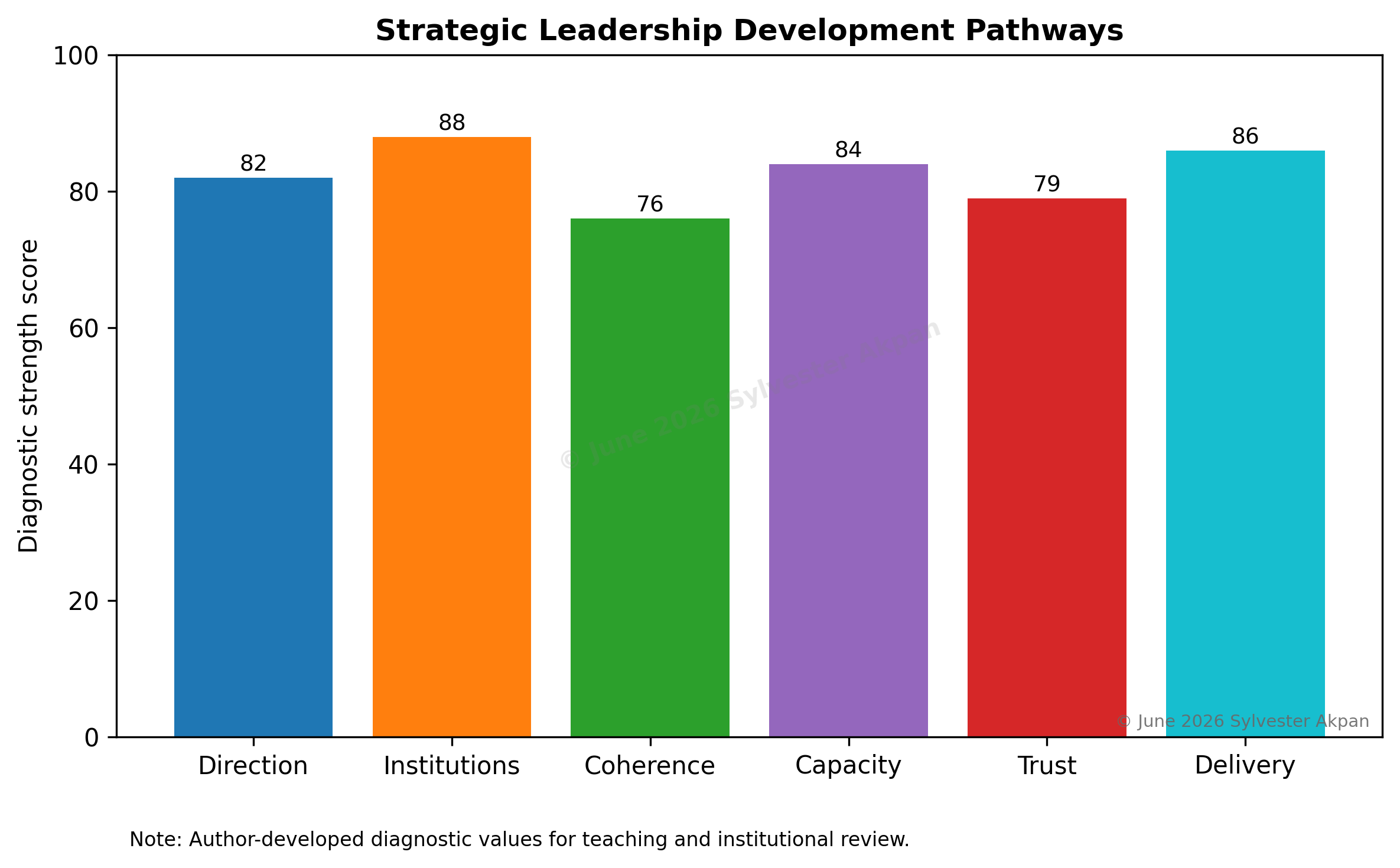
Figure 2. Strategic Leadership Development Pathways.
Note. Author-developed diagnostic values for teaching and institutional review.
The diagnostic view of leadership development pathways treats direction, institutions, coherence, capacity, trust, and delivery as mutually reinforcing. A country may be strong in one area and weak in another. The point is not to produce a universal score. The point is to help leaders see that national transformation requires several forms of discipline at once.
Chapter 5: Productive Capacity, Human Capital, and Inclusive Growth
5.1 Productive capacity as the heart of transformation
National development becomes durable when the economy gains the ability to produce more value over time. Productive capacity is the broad term for that ability. It includes educated and healthy people, reliable infrastructure, firms that can learn, financial systems that support enterprise, public agencies that reduce friction, and markets that reward productivity rather than connection. A country can record growth without deep transformation, especially when growth depends on commodities, debt, or consumption. Productive capacity asks what remains after spending.
Sen’s capability approach helps keep the human purpose visible (Sen, 1999). Development is not only the expansion of output; it is the expansion of people’s real freedoms to live lives they value. That insight matters because productive capacity is not a cold economic category. It depends on whether people are healthy enough to work, educated enough to learn, secure enough to plan, and included enough to contribute.
A strategic leader therefore treats education, health, and skills as economic foundations. A country that underfunds primary education, neglects technical training, tolerates weak health systems, or ignores youth unemployment is damaging its own productive base. Natural resources can generate revenue, but people generate continuing national capability. Leaders who understand this invest in the slow systems that raise human competence.
Productive capacity also requires firms that can upgrade. Small businesses need finance, infrastructure, management skills, predictable regulation, and access to markets. Larger firms need competition, technology, skilled labor, and export discipline. Agriculture needs research, storage, roads, irrigation, land security, and market information. Public leadership cannot replace private enterprise, but it can create the conditions in which enterprise becomes more productive.
5.2 Human capital and the discipline of patience
Human capital is one of the least patient forms of development investment. Early education may take years to show labor-market effects. Health improvements may be politically invisible until crisis arrives. Technical institutes may require persistent funding before employers trust their graduates. Research capacity may mature slowly. Strategic leadership is needed because short-term politics often undervalues what cannot be celebrated immediately.
Education policy should be judged by learning, not by enrollment alone. A country may place children in school without giving them literacy, numeracy, problem-solving skills, and discipline needed for work and citizenship. Technical education should connect to real sectors rather than generic certificates. Universities should contribute to research, public reasoning, entrepreneurship, and professional competence. These demands require governance, funding, data, and links to industry.
Health policy also belongs in economic strategy. Sick workers cannot sustain productivity. Families pushed into poverty by medical costs lose resilience. Public health failure can shut down markets, schools, and transport. The COVID-19 experience made clear that health systems are economic infrastructure. Strategic leadership must resist the habit of treating health as a social expense detached from growth.
Human capital also includes civic and ethical formation. A country cannot build productive systems if dishonesty is normalized, public service is despised, and young people learn that connection matters more than competence. Development leadership must therefore shape incentives and values. It must show that work, skill, integrity, and service are rewarded. This is not moral decoration; it is part of national productivity.
5.3 Industrial policy without capture
Industrial policy has returned to global discussion because countries have rediscovered the strategic importance of production, technology, supply chains, and domestic capability. Rodrik’s work helps explain why states may need to identify constraints, coordinate investment, and support structural change (Rodrik, 2008). Mazzucato’s work also shows that public investment has often played a major role in technological advancement (Mazzucato, 2013). The lesson is not that government should control every market. The lesson is that public leadership shapes the conditions in which markets learn.
The risk is capture. Public support can become a private gift to firms with political access. Subsidies can protect inefficiency. Import restrictions can enrich a few without building competitive capacity. Industrial policy becomes developmental only when support is tied to performance, learning, jobs, exports, technology adoption, or productivity gains. Strategic leadership must design support that can be withdrawn when firms fail to meet obligations.
Productive transformation also needs infrastructure that reduces real costs. Roads, power, ports, broadband, rail, water systems, and logistics shape what firms can do. A factory without reliable power is not competitive. A farmer without storage loses value. A digital entrepreneur without connectivity remains trapped by geography. Infrastructure should therefore be selected by its contribution to productivity and inclusion, not by political visibility alone.
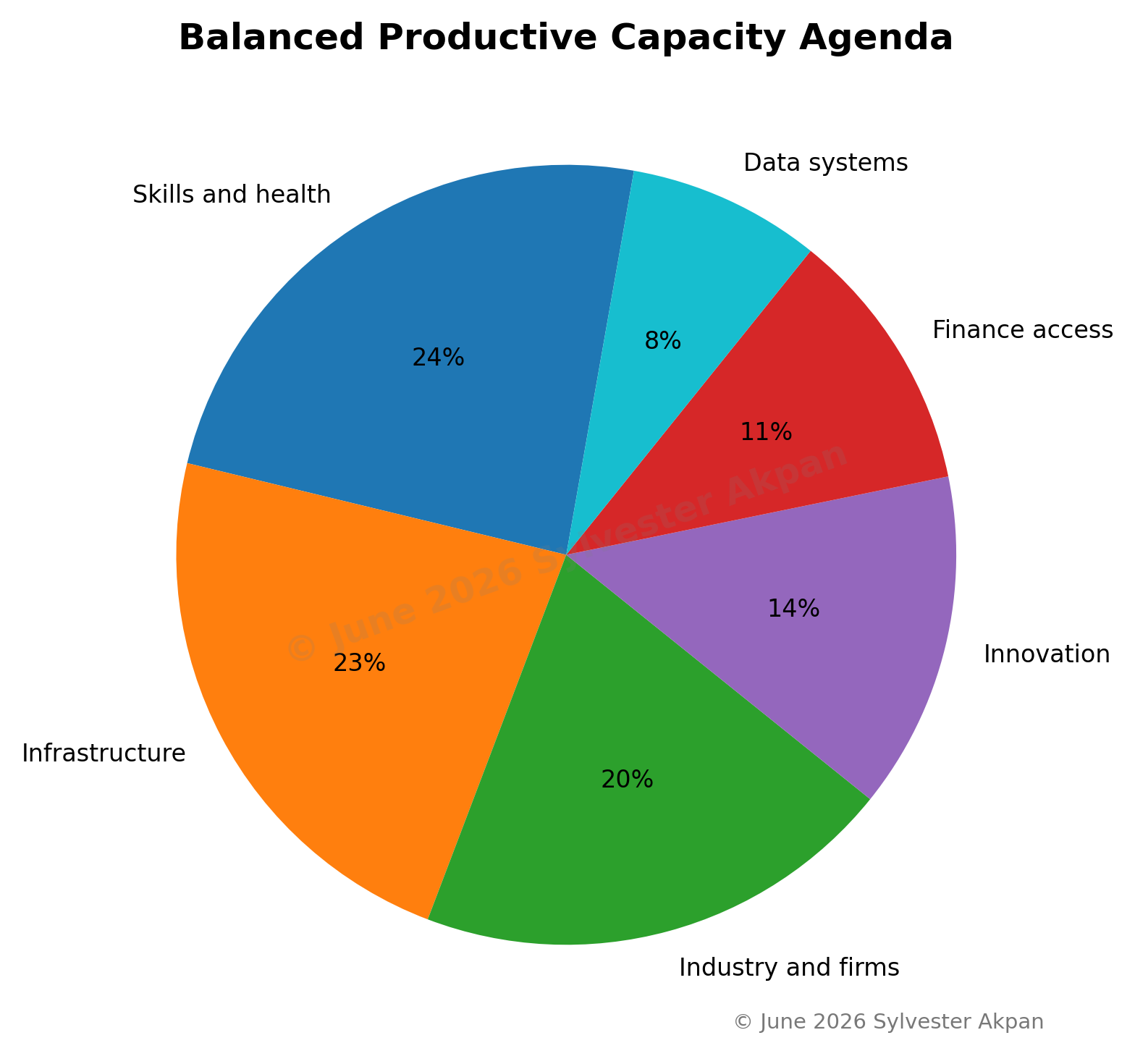
Figure 5. Balanced Productive Capacity Agenda.
Note. Author-developed diagnostic chart for applied development planning.
The balanced productive-capacity agenda in the figure shows that transformation needs more than one investment class. Skills and health, infrastructure, firms, innovation, finance, and data systems are connected. A country that overinvests in one area while neglecting the others may create impressive projects without broad transformation.
5.4 Inclusion as economic intelligence
Inclusive growth is sometimes described as moral concern added to economic policy after growth has occurred. That is too narrow. Exclusion wastes talent. When women, youth, rural communities, minority groups, displaced persons, or poor households cannot access education, finance, land security, digital tools, or decent work, the country loses productive energy. Inclusion is therefore economic intelligence as well as social justice.
Strategic leadership links inclusion to productivity. Cash transfers may reduce immediate hardship, but they cannot stand alone. Inclusion should also open pathways to skill, enterprise, infrastructure, health, credit, and formal work. A development agenda that only distributes benefits without raising capability will struggle to sustain itself. A growth agenda that raises output while excluding large groups will create social instability.
Regional inclusion matters as well. National development can become politically fragile when growth concentrates in one city or one sector. Infrastructure, education, digital access, and enterprise support should help regions participate in national productivity. This does not mean every region does the same thing. It means each region should have a credible place in the national development project.
Strategic leadership also requires listening to the lived economy. Official indicators may show progress while households experience high prices, poor transport, weak schools, and job insecurity. Leaders need channels that bring citizen experience into policy review. Without those channels, development becomes a story told from the capital city, not a reality experienced across the country.
Chapter 6: Public Trust, Ethics, and Implementation
6.1 Trust as development capital
Trust is a form of development capital because it reduces the cost of cooperation. Citizens who trust public institutions are more likely to pay taxes, comply with rules, accept reform, report wrongdoing, and participate in public programs. Firms that trust rules are more willing to invest. Communities that trust leaders are more patient with long-term projects. When trust is low, every policy becomes harder to execute.
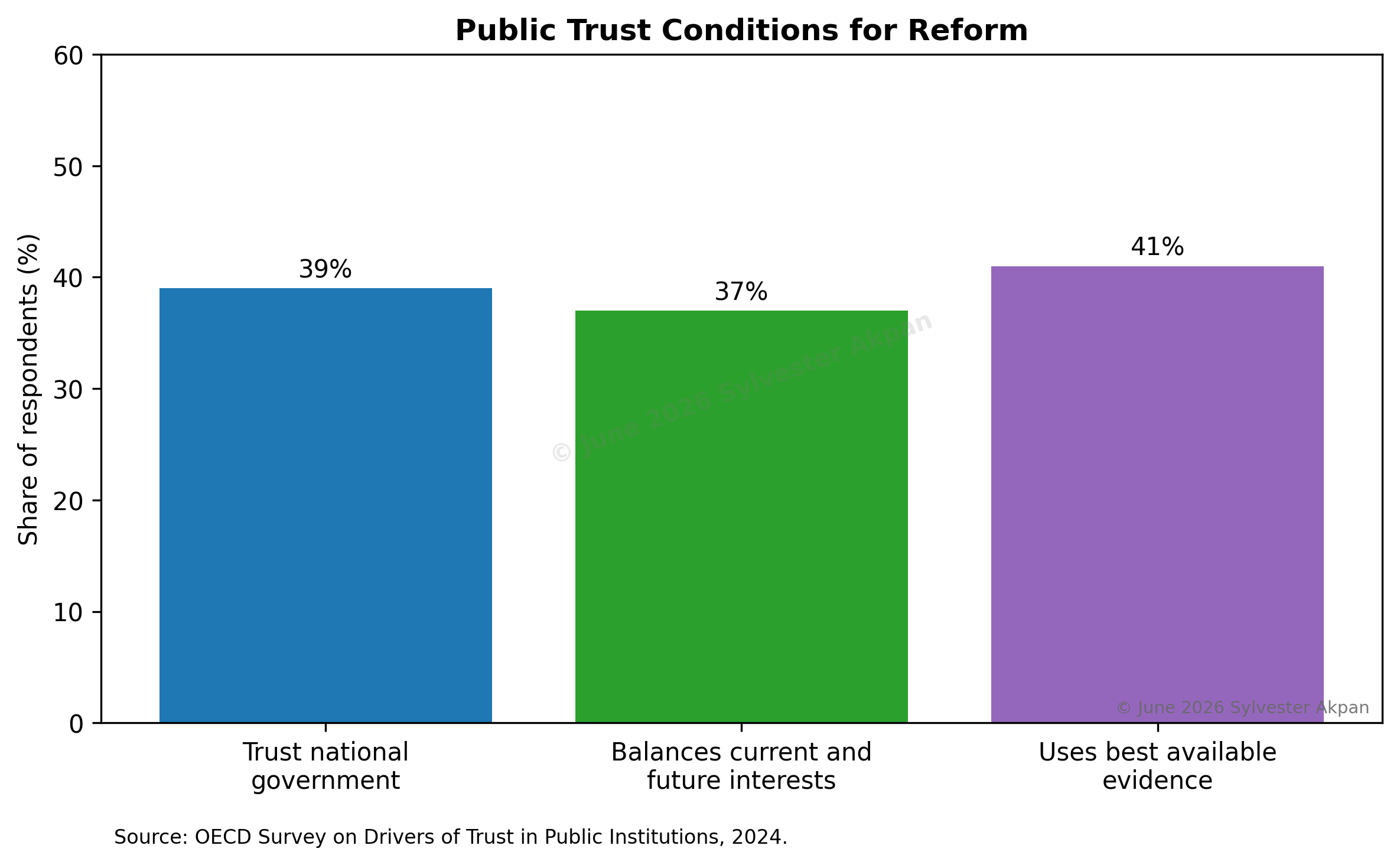
Figure 1. Public Trust Conditions for Reform.
Note. OECD 2024 indicators are used to show why public confidence matters to reform.
The OECD trust indicators show how difficult this problem can be. If fewer than half of respondents trust national government, believe evidence is used, or believe current and future interests are balanced, leaders face a credibility gap before any reform begins (OECD, 2024). The point is not to treat OECD countries as the whole world. The point is to show that trust challenges exist even in high-capacity settings. Developing countries with weaker institutions may face deeper difficulty.
Trust cannot be manufactured through publicity. Citizens judge leaders by consistency, fairness, competence, honesty, and whether powerful actors are held to the same rules as ordinary people. A government that asks for sacrifice while protecting privilege destroys its own reform capacity. A government that admits trade-offs, publishes data, corrects failure, and treats citizens with respect can build trust even when resources are limited.
Development policy often fails because leaders underestimate the emotional memory of citizens. People remember abandoned projects, broken promises, corruption scandals, police abuse, unpaid salaries, and services that humiliated them. Strategic leadership does not assume trust. It earns trust through repeated visible behavior.
6.2 Ethics and the cost of corruption
Corruption is one of the most destructive forms of leadership failure because it turns public authority into private opportunity. It raises the cost of roads, weakens schools, damages hospitals, drives honest firms away, and teaches citizens that merit is less important than access. It also damages the internal morale of the public service. Competent officials become cynical when they see impunity rewarded.
Anti-corruption strategy needs systems rather than dramatic declarations. Transparent procurement, digital payments, open contracting, asset declaration, beneficial ownership reporting, independent audit, protected whistleblowing, and credible judicial process matter more than televised anger. Selective enforcement may frighten opponents, but it does not build integrity. Strategic leadership treats integrity as a national operating system.
Ethical leadership also involves restraint in public finance. Borrowing can be justified when it builds productive assets that strengthen future capacity. Borrowing becomes dangerous when it funds waste, prestige projects, or recurrent spending without revenue reform. Citizens should be told what debt is financing and how repayment will be managed. Fiscal opacity weakens trust and limits future choices.
Ethics is also about appointments. A state that rewards loyalty over competence pays a development price. Ministries, regulators, schools, hospitals, public enterprises, and local governments cannot perform when leadership roles are filled by patronage without capability. Strategic leadership uses appointments to build national competence, not personal networks.
6.3 Implementation as the real test
Implementation separates development leadership from development language. Many countries can produce plans that sound convincing. Delivery exposes whether responsibilities are clear, budgets are real, procurement is competent, data are reliable, and political support holds after launch. The implementation gap is where public trust is often lost.
Andrews, Pritchett, and Woolcock (2017) warn against capability traps, where governments adopt the appearance of reform without gaining the ability to perform. This pattern is common where development agencies, consultants, or political leaders reward plans, strategies, and reports more than actual delivery. Strategic leadership asks whether reforms change behavior in ministries, schools, clinics, firms, courts, and local governments.
Implementation needs clear ownership. A policy that belongs to everyone may belong to no one. Each major priority should have a responsible institution, funding source, milestones, delivery risks, and a review process. Monitoring should be honest enough to identify delay early. A leader who punishes bad news destroys the feedback needed for better performance.
Implementation also requires learning. No development policy works exactly as planned. Prices change, contractors fail, local conditions differ, political resistance appears, technology shifts, and citizens respond in unexpected ways. Strategic leadership does not treat adjustment as humiliation. It treats adjustment as evidence of seriousness. A reform that learns can survive; a reform that pretends can collapse.
6.4 Communication and public explanation
Public explanation is part of implementation. Citizens do not need leaders to pretend that hard choices are easy. They need leaders to explain why a choice is necessary, who will carry the burden, what safeguards exist, and how results will be measured. Reform often fails when leaders announce the benefit but hide the cost. That creates suspicion when the cost appears.
Good communication is specific. It avoids inflated promises. It names trade-offs. It distinguishes short-term hardship from long-term gain. It shows how powerful interests are being treated. It gives citizens channels for complaint and correction. It also avoids treating criticism as disloyalty. In democratic development, criticism can be a source of learning when leaders are mature enough to listen.
Strategic communication is especially important for reforms involving subsidy removal, tax reform, industrial transition, public-sector restructuring, or anti-corruption enforcement. These reforms create losers as well as winners. If the public believes the burden is unfair, reform may fail even when the technical case is sound. Trust and communication therefore belong inside the reform design, not after it.
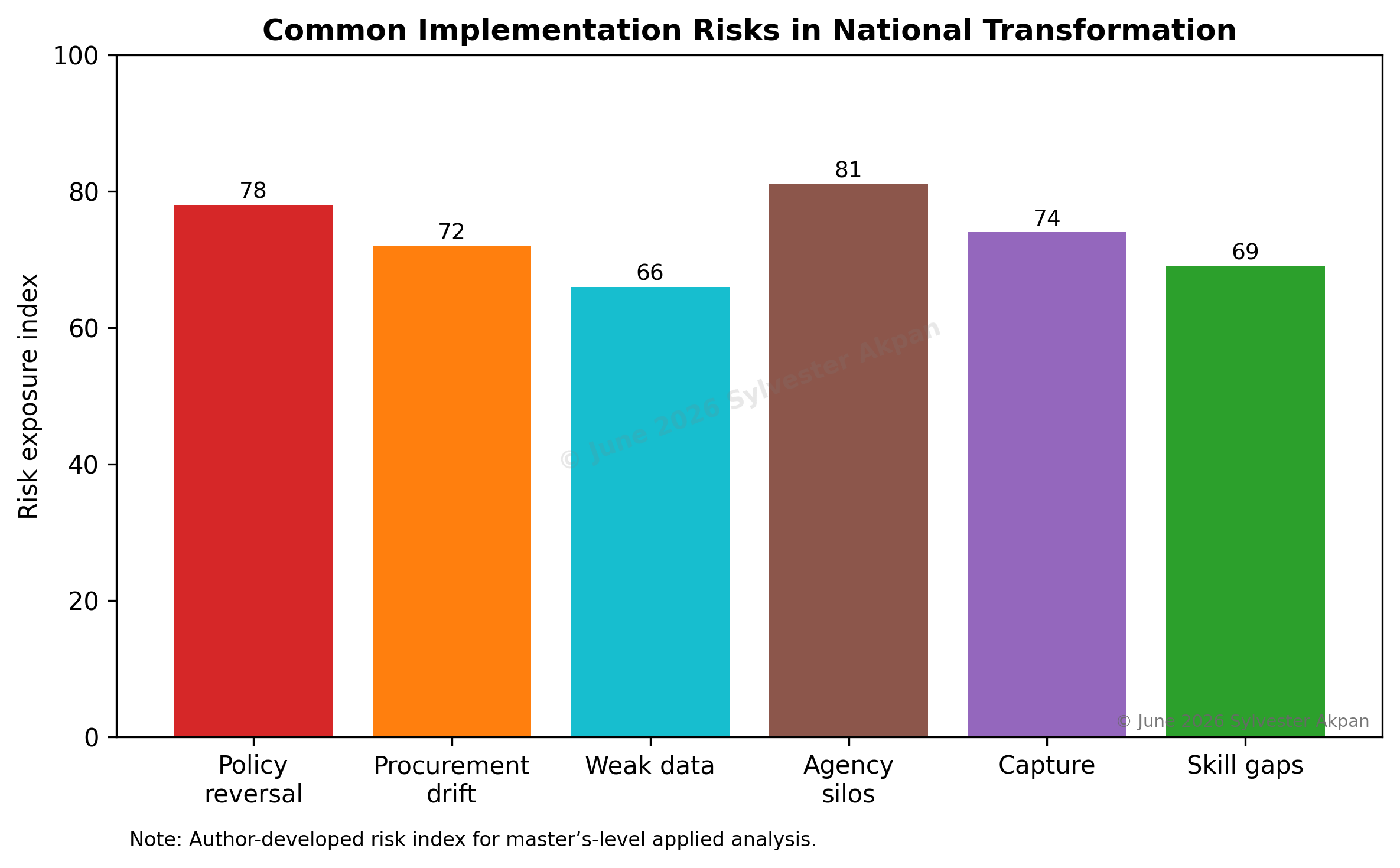
Figure 3. Common Implementation Risks in National Transformation.
Note. Author-developed risk index for master’s-level applied analysis.
The implementation risk chart summarizes pressures that commonly weaken national transformation. Policy reversal, procurement drift, weak data, agency silos, capture, and skill gaps can destroy a policy that looked strong on paper. Strategic leadership names such risks before they become excuses.
Chapter 7: Weak Leadership, Development Failure, and Reform Risk
7.1 How leadership failure appears
Weak leadership does not always look weak at the beginning. It may arrive with strong language, large ceremonies, and urgent promises. The weakness appears later, when policies reverse without explanation, projects stall, corruption spreads, competent people leave, or citizens stop believing official announcements. Development failure often begins as a gap between words and systems.
One common failure is policy inconsistency. Investors, farmers, schools, and public agencies need predictable rules. When rules change abruptly, planning becomes risky. Firms delay investment. Households keep savings informal. Public servants wait for the next political instruction. A country can lose years through constant resets. Strategic leadership protects continuity where national priorities require time.
Another failure is institutional decay. Leaders who treat institutions as personal tools weaken the state. Courts become less credible, audit bodies become silent, regulators become selective, and public enterprises become vehicles of patronage. Once institutional decay becomes normal, reform becomes harder because citizens no longer believe that rules apply fairly.
Corruption is both a symptom and a cause of weak leadership. It shows that public authority has been captured, and it further weakens the systems needed to correct capture. The development cost includes wasted funds, poor infrastructure, low morale, weak services, and loss of investor confidence. A country may have enough money for development and still fail because money leaks through corrupt systems.
7.2 The trap of short-term politics
Short-term politics is one of the strongest enemies of transformation. Election cycles reward visible projects, immediate relief, and dramatic announcements. Development often requires patient investment in institutions, maintenance, skills, research, and prevention. These investments are less visible, yet they determine future capacity. Strategic leadership must balance immediate needs with long-term nation-building.
Short-termism appears when governments underfund maintenance because new projects look better in photographs. It appears when leaders prefer cash distribution to productivity investment. It appears when reforms are abandoned because benefits will not arrive before the next election. It appears when public employment is expanded without service improvement because political reward is immediate. Each decision may seem manageable; together they weaken transformation.
The problem is not that citizens should wait endlessly for development. Immediate hardship is real. Public leadership must respond to suffering. The issue is whether relief is connected to capability. A well-designed social program can protect households while supporting education, health, and work. A poorly designed program may buy temporary approval while leaving productivity untouched.
Strategic leadership requires a political skill that is often underappreciated: the ability to explain delayed benefit. Leaders must help citizens see why training, infrastructure maintenance, fiscal discipline, health systems, and institutional reform matter. Without public explanation, long-term investments become vulnerable to populist attack.
7.3 Capture, exclusion, and lost opportunity
Capture occurs when public policy is shaped by narrow interests at the expense of the wider national good. It may involve politically connected firms, regional elites, party financiers, public-sector insiders, or informal networks that control access to opportunity. Capture damages development because it shifts reward from productivity to proximity to power.
Exclusion is another form of lost opportunity. When large groups are kept outside education, finance, land security, public services, formal employment, or digital access, the country suppresses its own talent. The costs may not appear immediately in national accounts, but they are felt in low productivity, migration pressure, social frustration, and political instability.
Weak leadership often accepts capture because it is politically convenient. Strategic leadership confronts capture because it understands the long-term price. Reforming procurement, land administration, licensing, public employment, and regulation may provoke resistance from those who benefit from the old system. Leaders who cannot face that resistance will struggle to build national capability.
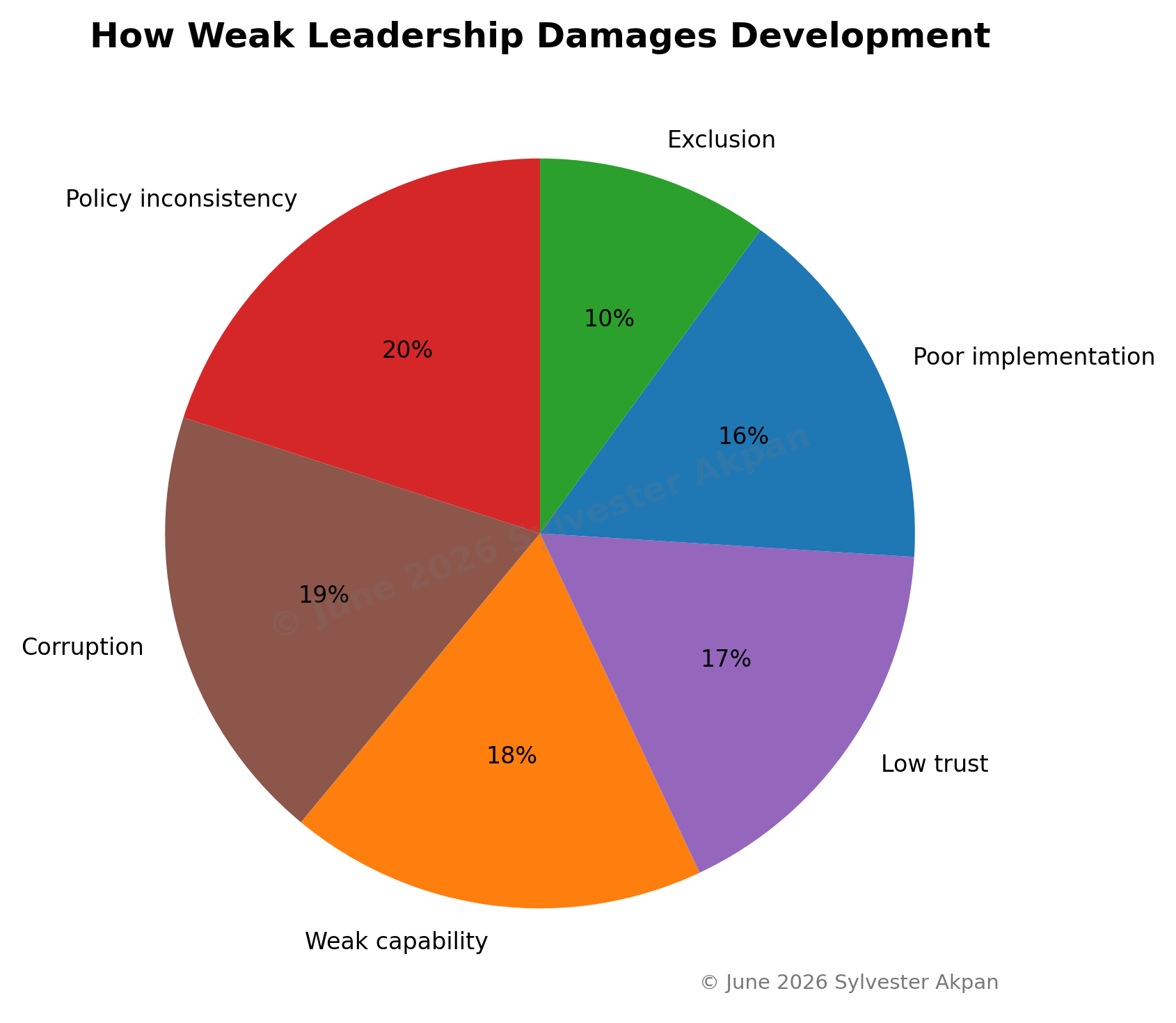
Figure 6. How Weak Leadership Damages Development.
Note. Author-developed teaching chart showing how leadership failure modes reinforce one another.
The failure-modes chart helps readers see how policy inconsistency, corruption, weak capability, low trust, poor implementation, and exclusion reinforce one another. Development failure usually has several causes working together.
7.4 Reform risk and the need for sequencing
Reform can fail even when leaders are sincere. Some reforms are technically sound but politically unprepared. Some are needed but poorly sequenced. Some demand administrative capacity that does not yet exist. Some create pain before benefits are visible. Strategic leadership therefore treats reform as a managed process rather than a heroic announcement.
Sequencing matters. A government may need to strengthen safety nets before removing a subsidy. It may need to improve tax administration before raising rates. It may need to train regulators before opening a complex sector. It may need to build citizen trust before asking for sacrifice. Poor sequencing can turn a good policy into a public crisis.
Reform also requires protection against reversal. Development compacts, legal frameworks, independent institutions, cross-party agreements, and citizen monitoring can help protect long-term priorities. None of these eliminates politics. They make it harder for every election to destroy the national development path.
Strategic leadership should therefore ask two questions before major reform: what could make this fail, and who will bear the cost if it does? Those questions create humility. They also force leaders to design safeguards before harm appears.
Chapter 8: Strategic Leadership Framework for National Economic Transformation
8.1 The transformation framework
The framework proposed in this research publication rests on six pillars: direction, institutions, coherence, productive capacity, trust, and accountable delivery. Each pillar answers a different development need. Direction gives the country a credible path. Institutions make rules predictable. Coherence aligns sectors. Productive capacity raises value creation. Trust sustains cooperation. Accountable delivery turns policy into results.
The framework is intentionally practical. A president, minister, governor, mayor, civil servant, development agency, university program, or civic organization can use it to ask where the development chain is weak. Is national direction clear? Are institutions credible? Do policies reinforce one another? Is public spending raising productivity? Do citizens trust leaders enough to accept reform? Are delivery systems honest about delay and failure?
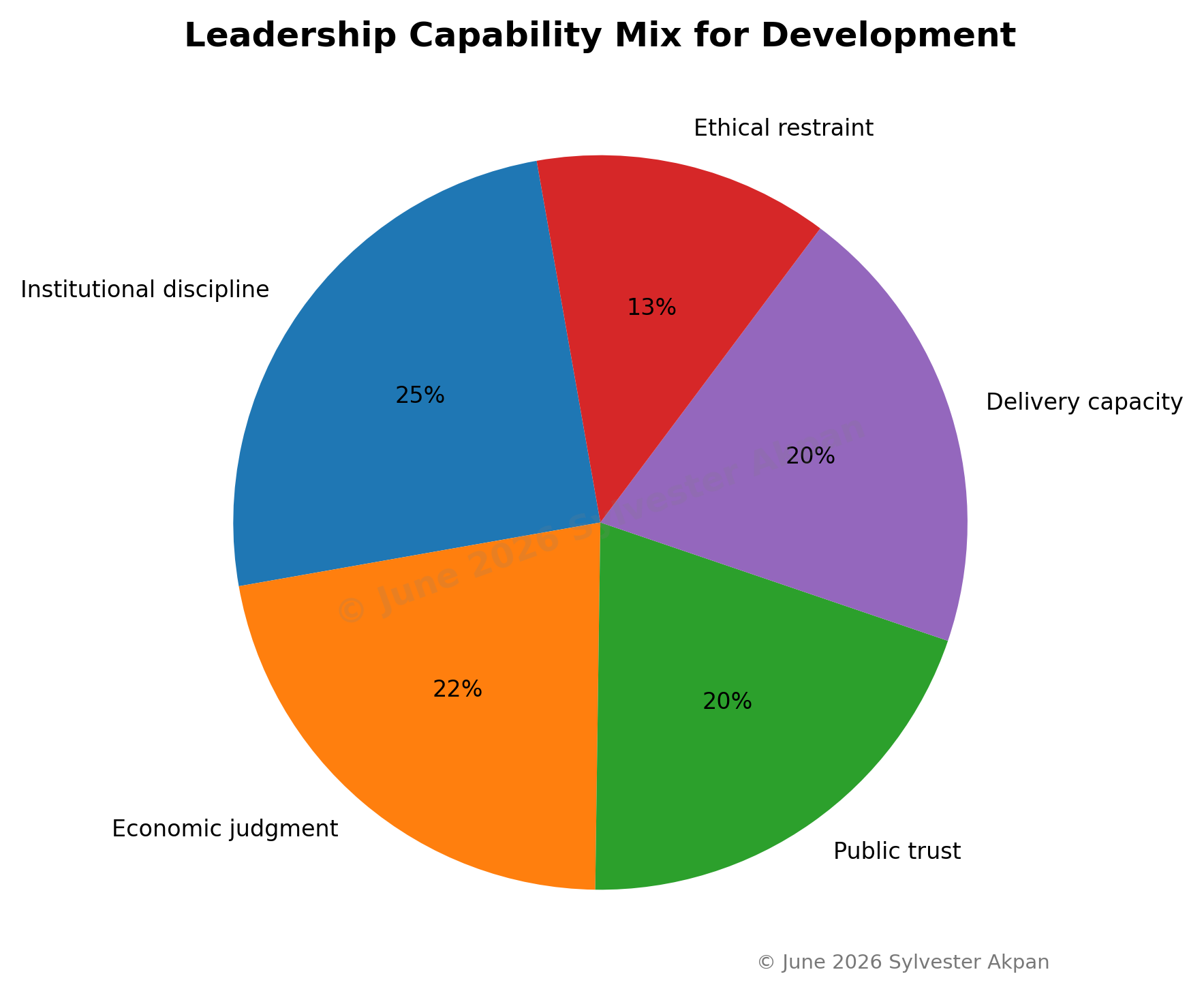
Figure 4. Leadership Capability Mix for Development.
Note. Author-developed chart for leadership training and applied policy review.
The leadership capability mix shows why no single trait can carry national transformation. Institutional discipline, economic judgment, public trust, delivery capacity, and ethical restraint all matter. A leader strong in vision but weak in restraint can damage the country. A leader strong in ethics but weak in delivery may be respected yet ineffective. A leader strong in delivery but careless about trust can create resistance. The mix matters.
This framework can support leadership training. Many leadership programs overemphasize communication, motivation, or personal success. National transformation requires deeper preparation: economic literacy, institutional design, public finance, policy coherence, implementation review, ethics, negotiation, and evidence use. Leadership education should be treated as part of national capacity.
8.2 Practical commitments for leaders
Leaders seeking national transformation should begin with honest diagnosis. Every country has strengths, weaknesses, constraints, and histories that cannot be wished away. A credible development direction should be built from evidence, not fantasy. It should identify productive sectors, infrastructure needs, human-capital gaps, fiscal limits, institutional weaknesses, and sources of public distrust.
Leaders should strengthen institutions even when those institutions limit personal discretion. A leader who builds independent audit, transparent procurement, merit-based appointment, credible courts, and professional regulators may face more constraint, but the country gains confidence. Personal power is temporary. Institutional credibility is a national asset.
Leaders should align budgets with priorities. A national plan without budget discipline is a public essay. If education, infrastructure, industrial development, health, innovation, and regional inclusion are priorities, they should appear in spending patterns, not only in speeches. Budget choices reveal national seriousness.
Leaders should protect implementation from theatrical politics. Delivery units, monitoring dashboards, public reporting, and performance reviews can help, but they are useful only when connected to real authority and honest data. A dashboard that hides failure becomes public relations. A delivery system that confronts problems early becomes a reform instrument.
Leaders should communicate with respect. Citizens can handle difficult truths better than manipulative optimism. Reform should be explained in plain language, with its costs and safeguards named. Public trust grows when leaders show that they understand the burden carried by households and firms.
8.3 Institutional commitments
Public institutions should be professionalized. Merit-based recruitment, training, performance management, ethics enforcement, and protection from arbitrary political interference improve the quality of delivery. Civil servants are not background staff in development; they are part of the development engine. Weak administration can destroy strong policy.
Statistical and data systems should be strengthened. Leaders cannot manage what they refuse to measure. Employment, learning outcomes, health access, project completion, procurement efficiency, public spending, investment, and service quality require reliable data. Data should support judgment, not replace it. Bad data can create false confidence, but no data leaves leaders operating by impression.
Public finance should be treated as stewardship. Revenue mobilization, debt management, expenditure control, procurement, and audit are central to national transformation. A country that cannot manage public money cannot sustain public trust. Fiscal discipline should not mean indifference to suffering. It means using resources in ways that build capability and protect the future.
Public-private coordination should be disciplined. Governments need firms, banks, universities, civil society, and communities. Yet coordination should not become capture. Business support should be tied to performance. Consultation should include smaller firms and workers as well as large corporations. Industrial policy should reward learning and productivity rather than proximity to power.
8.4 Recommendations
National leadership development should become a formal public priority. Training for public leaders should include economics, governance, ethics, systems thinking, budgeting, negotiation, implementation, citizen trust, and evidence-based decision making. Political skill alone is insufficient for national transformation.
Development plans should be protected from constant political reset. Core priorities such as education, health, infrastructure, industrial capability, public finance, and institutional reform need continuity across administrations. Plans may be revised as evidence changes, but every new government should not treat national development as a blank page.
Institutions should be strengthened through merit and accountability. Courts, audit agencies, procurement bodies, regulators, tax authorities, schools, health systems, and local governments require professional capacity. Institutional reform lacks glamour, yet it is one of the strongest foundations of transformation.
Budgets should reflect development priorities. Public spending should be evaluated by its contribution to productivity, inclusion, resilience, and long-term capacity. Projects that look impressive but do little for national capability should be challenged, even when politically attractive.
Human capital investment should be protected. Education, health, technical training, research, and innovation are not expenses to postpone until growth arrives. They are part of how growth becomes possible. A development strategy that neglects people is not strategic.
Industrial and innovation policy should be transparent and performance-based. Public support should come with clear obligations, monitoring, and exit conditions. The purpose is to build competitive capability, not permanent dependence on state favor.
Trust should be treated as a policy asset. Governments should explain trade-offs, publish evidence, admit setbacks, enforce rules fairly, and show citizens that privilege does not sit above law. Trust is built through conduct, not slogans.
Implementation systems should be strengthened. Every major policy should identify responsible institutions, funding, milestones, delivery risks, review points, and public reporting. Implementation deserves the same attention as policy design.
Anti-corruption reform should focus on systems. Transparent procurement, digital public finance, beneficial ownership disclosure, independent audit, asset declaration, and credible prosecution are stronger than moral campaigns without institutional follow-through.
Leadership should be judged by national capability. Popularity, visibility, and short-term applause matter less than whether the country becomes more productive, more trusted, more inclusive, and better able to protect its future.
Chapter 9: Conclusion and Recommendations
9.1 Final conclusion
Strategic leadership is central to national economic transformation because it connects ambition with institutions, policy with implementation, and growth with public purpose. A country may possess resources, plans, and talent, yet still fail to transform if leadership cannot organize those assets into credible public action. Development requires direction, discipline, trust, coordination, and the courage to build institutions that outlast one administration.
This research publication has treated strategic leadership as public capability. It is the ability to define a development direction, strengthen institutions, align policies, expand productive capacity, build trust, and deliver results. This moves leadership away from personality and toward performance. The question is not whether a leader sounds visionary. The question is whether national systems become stronger, more productive, more inclusive, and more trusted.
Weak leadership carries real economic costs. It produces policy inconsistency, corruption, institutional weakness, wasted investment, low trust, and poor implementation. These failures appear in daily life: bad roads, weak schools, high prices, fragile hospitals, job insecurity, business uncertainty, and public cynicism. Development failure is never only technical. It is also institutional and moral.
The stronger path is national stewardship. Leaders should govern for the next generation as well as the next budget. They should use public authority to build capability rather than personal dependence. They should respect evidence, protect institutions, include citizens, and learn from failure. Such leadership is difficult because it asks for patience, courage, competence, and humility. Yet it is precisely the kind of leadership national transformation demands.
9.2 Closing reflection
Development leadership should leave a country more capable than it found it. That is the standard. Not every leader will build dramatic monuments. Not every reform will produce immediate applause. But a serious leader can strengthen institutions, improve public finance, support learning, protect trust, and create the conditions in which citizens and firms can produce more value. Such work may be quieter than political theater, but it is more lasting.
The moral question is equally direct. Public authority is entrusted, not owned. A leader who uses authority for extraction betrays the future. A leader who uses authority to build institutions, skills, trust, and opportunity practices stewardship. National transformation begins there: in the disciplined decision to make public power serve productive, inclusive, and accountable development.
Chapter 10: Applied Leadership Playbook for National Transformation
10.1 Turning national direction into work
A national direction becomes useful only when it changes the behavior of ministries, agencies, firms, schools, banks, local governments, and citizens. Leaders often assume that once a plan is published, alignment will follow. In practice, institutions continue doing what their budgets, incentives, routines, and political pressures reward. The work of leadership is to translate direction into operating choices. That means deciding what will be funded, what will be delayed, what will be measured, and what will no longer receive public attention.
A practical development direction begins with a short list of national priorities. The list should be narrow enough to guide budgets and wide enough to include the capabilities needed for transformation. A country cannot honestly claim fifteen national priorities of equal urgency. Such lists reveal political accommodation rather than strategy. Leaders who want delivery must decide which areas carry the greatest development value: power, food systems, technical education, industrial clusters, digital public infrastructure, health systems, transport corridors, revenue reform, or local government capacity.
After priorities are named, each priority needs an institutional home. A priority without ownership drifts. Ownership does not mean one ministry controls every decision. It means one accountable body has responsibility for convening partners, tracking progress, identifying barriers, and reporting honestly. When several institutions share a priority, the coordination mechanism should have enough authority to resolve conflict. Otherwise, coordination becomes a meeting culture with little force.
National direction also needs a public language that ordinary citizens can understand. Development planning often fails because it sounds technical to the public and vague to those who must implement it. A clear direction should answer three everyday questions: what will change, why does it matter, and how will people know progress is real? When citizens can answer those questions, a national plan begins to acquire social force.
10.2 Building institutions that can carry reform
Institutions carry reform when political attention moves elsewhere. A strong leader may push a project, but a capable institution keeps it alive through procurement, staffing, monitoring, maintenance, and correction. This is why institution-building belongs near the center of development leadership. It is slow work, but it is the work that separates national transformation from temporary mobilization.
Institutional repair usually begins with roles. Many public systems are weak because responsibilities overlap or remain unclear. One agency announces, another approves, another funds, another regulates, and another is blamed when delivery fails. Strategic leadership should map responsibility in plain language. Who owns the decision? Who controls the budget? Who provides technical review? Who reports to the public? Who can stop a failing project? Confusion at this level becomes delay, waste, and accusation.
Professional competence matters as much as formal structure. A ministry filled with loyal but underprepared officials cannot carry complex reform. Development leadership should protect recruitment, training, and promotion from crude patronage. This does not require an impossible ideal of perfect bureaucracy. It requires a serious bias toward competence. Public servants who manage infrastructure, tax, education, health, trade, data, and procurement carry the daily burden of development. They need skills, tools, ethical rules, and protection from arbitrary interference.
Institutional learning also needs protection. Governments often commission reports after failure and then move on. A learning institution changes procedures after evidence changes. It updates procurement rules, training manuals, project design, data systems, citizen feedback channels, and performance review. Learning that remains in a report is memory without power. Strategic leadership gives learning a route into decisions.
10.3 Financing transformation without waste
Finance is where development promises meet reality. A country may speak about industrialization, human capital, infrastructure, or inclusion, but the budget reveals what the state is willing to support. Public finance should therefore be read as a leadership document. It shows priorities, trade-offs, discipline, and courage. It also shows evasion when politically attractive items receive money while capacity-building priorities remain underfunded.
Transformation requires a disciplined revenue base. Governments cannot build lasting development on borrowing, aid, or commodity windfalls alone. Revenue systems should be fair, efficient, predictable, and trusted. Citizens are more likely to comply when they see value for money and fairness in enforcement. Firms are more likely to invest when tax rules are clear and not used as instruments of harassment. Strategic leadership treats revenue reform as a trust issue as well as a fiscal issue.
Expenditure quality matters as much as revenue. A government can spend large sums without building capability. Weak project selection, inflated contracts, poor supervision, abandoned works, and low maintenance all reduce the development value of spending. A responsible public investment system should test whether a project solves a real constraint, whether costs are credible, whether maintenance is funded, and whether the project supports productivity or inclusion.
Debt discipline is part of national stewardship. Borrowing for productive infrastructure, health resilience, digital systems, or skills can be justified when the investment improves future capacity. Borrowing for waste, prestige, or recurrent political spending weakens the future. Leaders should explain debt decisions clearly. Citizens have a right to know what debt is financing, who benefits, and how repayment will be managed.
10.4 Creating productive partnerships
National transformation needs partnership, but partnership must be governed. Governments need firms, farmers, universities, banks, unions, civic organizations, professional bodies, development partners, and communities. Each actor sees part of the economy. Firms understand constraints in production. Workers understand skill gaps and wage pressure. Universities understand knowledge. Communities understand service failure. Strategic leadership listens to these actors without allowing any one group to capture the national agenda.
Public-private partnership is useful when it builds capability and shares risk responsibly. It becomes dangerous when private actors receive public benefits without performance obligations. A firm receiving public support should face clear expectations: investment, jobs, technology transfer, local supplier development, training, exports, or productivity improvement. Support should have review points and exit conditions. Development policy should reward learning and performance, not access.
Universities and technical institutions deserve stronger attention in national transformation. Too many development plans treat education as a social service and industry as a separate economic problem. In reality, production depends on knowledge. Technical colleges, universities, research centers, and vocational institutions should be linked to sectors that can employ graduates and adopt ideas. Strategic leadership builds bridges between classrooms, workshops, laboratories, farms, and firms.
Communities also belong in development partnership. A road, dam, industrial zone, school reform, or digital program can fail if affected people are ignored. Consultation should not become ceremony. It should identify risk, improve design, and create legitimacy. People may not control every decision, but they should not discover development only when machinery arrives. The social life of policy matters.
10.5 Managing reform under pressure
Reform is always political because it changes who gains, who pays, who loses privilege, and who must adapt. Leaders who ignore this reality often design technically sound reforms that fail socially. Strategic leadership does not avoid conflict, but it prepares for conflict. It identifies winners and losers, designs safeguards, communicates trade-offs, and creates channels for correction.
Some reforms require compensation or transition support. Removing a subsidy may be economically necessary, yet it can harm poor households if alternatives are absent. Raising taxes may be fiscally responsible, yet it can damage trust if corruption remains visible. Restructuring a public enterprise may improve efficiency, yet workers need fair treatment and retraining. Reform becomes credible when leaders show that the burden is not being pushed onto the least powerful while privilege is left untouched.
Timing also matters. A government may need to sequence reform so that administrative systems are ready before policy changes take effect. For example, digital payments should be reliable before social protection is moved fully online. Local governments should be trained before decentralization shifts responsibilities. Regulators should be prepared before complex markets are opened. Reform failure often comes from acting before the state has the capacity to carry its own decision.
Leadership under pressure requires calm honesty. Panic produces erratic policy. Denial produces delay. The better posture is disciplined candor: state what is known, name what remains uncertain, explain the decision, protect vulnerable groups, and review evidence frequently. Citizens do not need theatrical certainty. They need leaders who respect them enough to tell the truth and competent enough to act.
10.6 A master’s-level professional standard
A master’s-level research publication should be clear enough for practice and serious enough for academic review. This work therefore avoids treating strategic leadership as personal inspiration. It presents leadership as institutional stewardship: the care of public power, public money, public trust, and national capability. That standard is demanding because it judges leaders by what becomes stronger after they govern.
The professional standard can be expressed through simple questions. Did leadership make institutions more credible? Did public spending build productive capacity? Did reform become more coherent? Did citizens receive honest explanation? Did public servants gain competence? Did rules become fairer? Did the country become more inclusive? Did implementation improve? These questions are more useful than praise or blame because they focus on development consequences.
The same standard can guide future research. Scholars may apply the framework to a country case, a state government, an industrial policy program, a public-sector reform, or a national leadership training system. Practitioners may use it to review plans before implementation. Students may use it to distinguish leadership language from leadership performance. The framework is intentionally usable because development work needs tools that travel from classroom to policy room.
National transformation is a long project. No single leader completes it alone. The best leaders understand that their task is to strengthen the systems that allow others to continue. They build institutions rather than dependence. They develop people rather than slogans. They protect trust rather than exploit emotion. They use power to widen opportunity rather than narrow it. Such leadership does not guarantee prosperity, but it gives a nation a more honest chance.
References
Acemoglu, D., & Robinson, J. A. (2012). Why nations fail: The origins of power, prosperity, and poverty. Crown Business.
Aghion, P., & Howitt, P. (1992). A model of growth through creative destruction. Econometrica, 60(2), 323–351. https://doi.org/10.2307/2951599
Andrews, M., Pritchett, L., & Woolcock, M. (2017). Building state capability: Evidence, analysis, action. Oxford University Press.
Heifetz, R. A., Grashow, A., & Linsky, M. (2009). The practice of adaptive leadership: Tools and tactics for changing your organization and the world. Harvard Business Press.
Mazzucato, M. (2013). The entrepreneurial state: Debunking public vs. private sector myths. Anthem Press.
North, D. C. (1990). Institutions, institutional change and economic performance. Cambridge University Press.
OECD. (2024). OECD survey on drivers of trust in public institutions – 2024 results: Building trust in a complex policy environment. OECD Publishing. https://doi.org/10.1787/9a20554b-en
Porter, M. E. (1990). The competitive advantage of nations. Free Press.
Rodrik, D. (2008). One economics, many recipes: Globalization, institutions, and economic growth. Princeton University Press.
Sen, A. (1999). Development as freedom. Oxford University Press.
United Nations. (2025). The Sustainable Development Goals report 2025. United Nations.
United Nations Development Programme. (2025). Human Development Report 2025: A matter of choice: People and possibilities in the age of AI. UNDP.
World Bank. (2017). World Development Report 2017: Governance and the law. World Bank. https://doi.org/10.1596/978-1-4648-0950-7
World Bank. (2024). World Development Report 2024: The middle-income trap. World Bank. https://doi.org/10.1596/978-1-4648-2078-6